Insa-dong Antique Art Street (인사동 고미술거리)
7.6Km 2025-03-16
29 Insadong-gil, Jongno-gu, Seoul
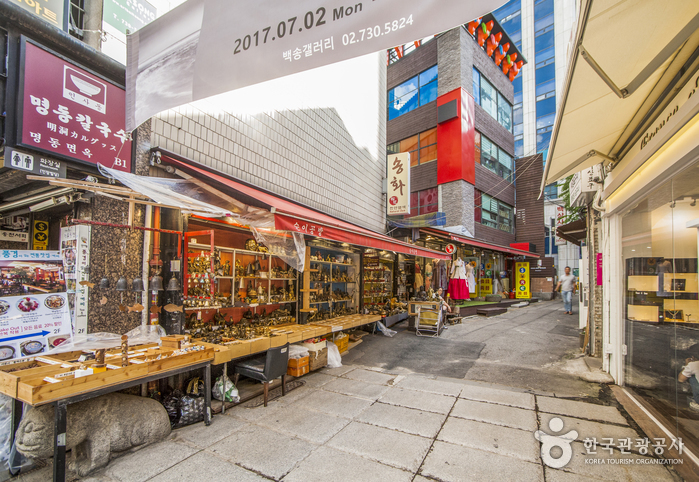
As of today, there are approximately 70 shops in the Insa-dong area that sell antique arts. Some of the products they sell include antique artworks, porcelains, woodcrafts, and metalwork. Visitors may even find rare and valuable products such as earthenware from the Silla period or white porcelain used in the Joseon dynasty. Each shop is a specialty store, authorized to sell product types that are of their expertise, ranging from antique furniture and traditional artworks to handcrafted items.
Jogui Hansu (족의한수)
7.6Km 2024-10-15
93-1, Supyo-ro, Jongno-gu, Seoul
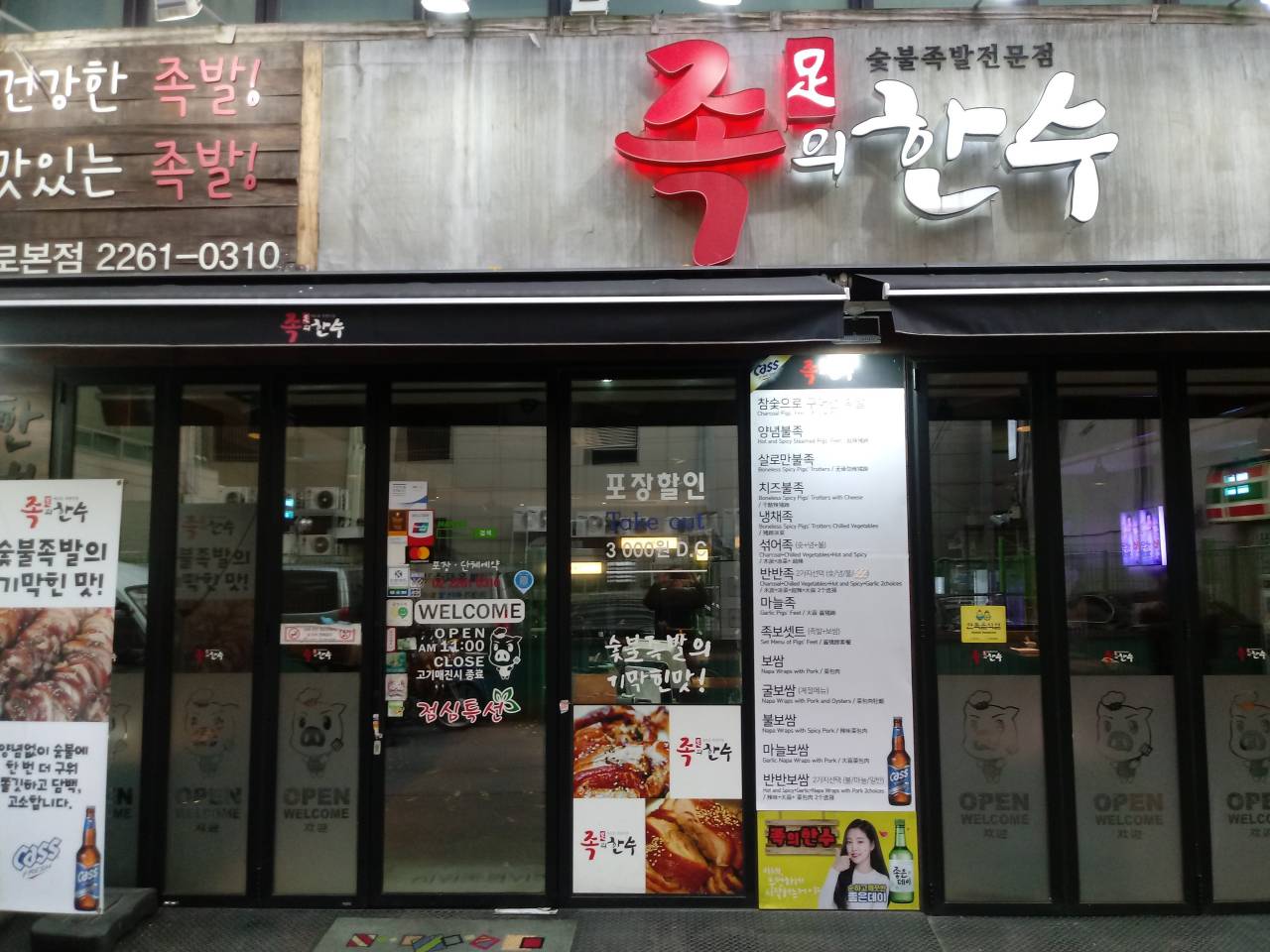
A pig's trotter(s) specialty restaurant located in Jongno, Seoul. This restaurant's signature menu is braised pigs' feet. A restaurant serving both charcoal-grilled jokbal (pig's trotter) and spicy jokbal.
Insa-dong (인사동)
7.6Km 2024-05-17
62, Insadong-gil, Jongno-gu, Seoul
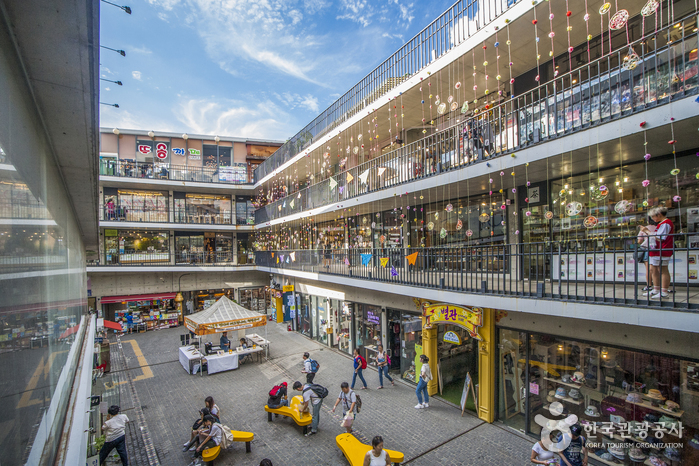
Insa-dong, located in the heart of the city, is an important place where old but precious traditional goods are on display. There is one main road in Insa-dong with alleys on each side. Within these alleys are galleries, traditional restaurants, teahouses, and cafes.
The galleries are the heartbeat of Insa-dong. There are about 100 galleries in the area offering every example of traditional Korean fine art from paintings to sculptures. The most famous galleries are Hakgojae Gallery, which functions as the center of folk art, Gana Art Gallery, which promotes many promising artists, and Gana Art Center.
The teahouses and restaurants are the perfect complement to the galleries. They are hidden deep within the twisting alleyways, making it feel like a treasure hunt. The shops in Insa-dong are very popular among all age groups, because each one is unique.
Every Saturday from 14:00 to 22:00 and Sunday from 10:00 to 22:00, the main street is blocked to vehicular traffic and it becomes a cultural space. Stores set up booths outside and Korean candy merchants and fortune teller stalls can easily be found; there are traditional performances and exhibits as well. Insa-dong is especially popular among international tourists. This is where they can experience and see traditional Korean culture first-hand, and also purchase pieces of fine art.

Toin (토인)
7.6Km 2025-11-05
48 Insadong-gil, Jongno-gu, Seoul
Toy store where you can buy Dalgona sets
It is a retro-style store that sells nostalgic toys and snacks. The small space is filled with colorfully colored wrapping paper and toys that are difficult to understand at first glance. As soon as you enter this place, children and adults will feel excited and their eyes will sparkle. Among the various products, the most popular item is by far the Dalgona set. It is good to make new memories by choosing snacks and toys that suit your taste
![Alive Museum (Insa-dong Branch) [박물관은 살아있다(인사동점)]](http://tong.visitkorea.or.kr/cms/resource/27/3109227_image2_1.JPG)
Alive Museum (Insa-dong Branch) [박물관은 살아있다(인사동점)]
7.6Km 2024-03-15
(B1 and B2, Daeil Building), 12, Insadong-gil, Jongno-gu, Seoul
The Alive Museum is a media theme park located in Insa-dong. The exhibition here is made up of optical illusion art, large objet, and digital media pieces, which allow you to delve into the land of mystery. It is made up of different sections like the Insadong Photo Studio, Game Village, and the Toy Village.
Dynamic Maze (Insa-dong) (다이나믹 메이즈 (서울 인사동점))
7.6Km 2024-03-15
12, Insadong-gil, Jongno-gu, Seoul
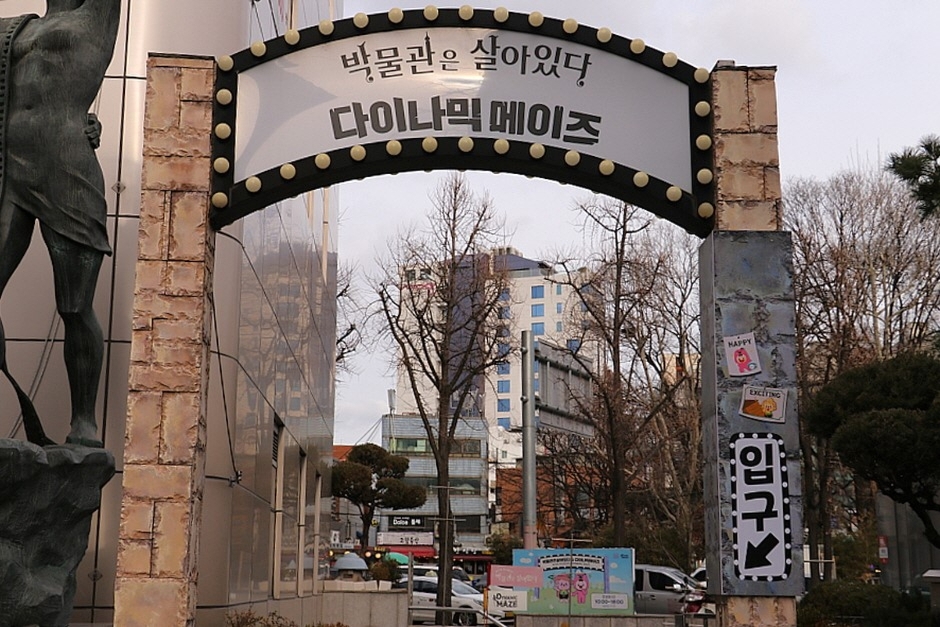
Dynamic Maze is an indoor space in Insa-dong dedicated to an exciting adventure: A maze filled with obstacles, requiring participants to work together and overcome the barriers through quickness and focus. Go through the hall of mirrors, climb the wall, and cross the suspension bridge to finally escape from the maze.
HIDE AND SEEK - Ssamzigil Branch (하이드앤시크 쌈지길점)
7.6Km 2025-11-06
44 Insadong-gil, Jongno-gu, Seoul
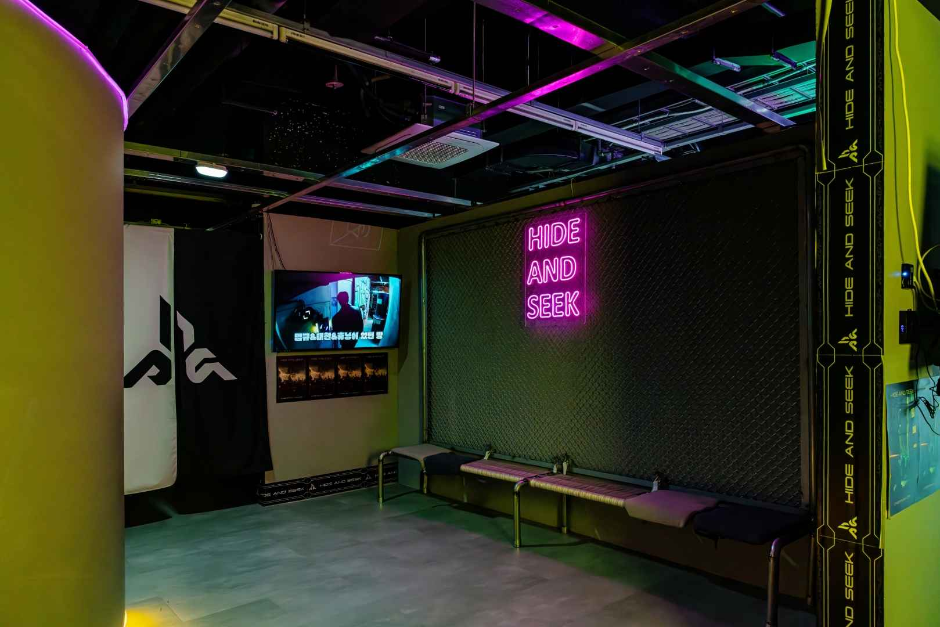
This is where TXT members enjoyed escape games on their own series, “TO DO X TXT.” Chosen as the tagger by random draw, Huening Kai showed impressive game skills, using his instincts to “eliminate” the other members.
Geoan (거안)
7.6Km 2025-10-23
44 Insadong-gil, Jongno-gu, Seoul
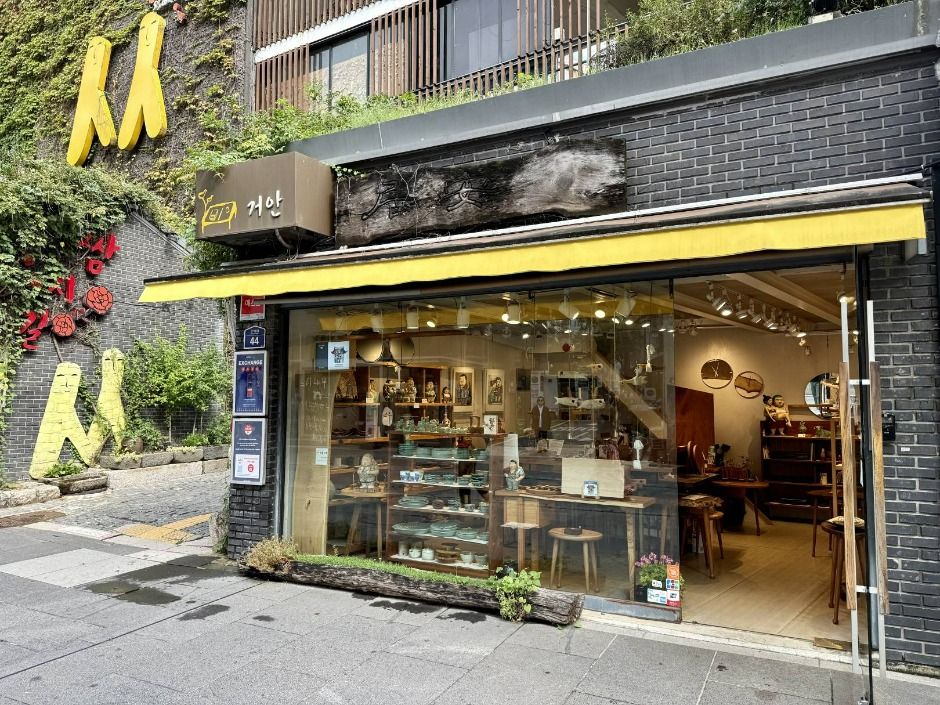
Geoan, a store in Insa-dong, specializes in wooden furniture and accessories. Visitors can purchase products on display in the store or customize their pieces according to their preferences. In addition to furniture production, the shop also exhibits and sells various artworks such as celadon, lacquer mother-of-pearl, and sculptures by artists, making it a classy art space that harmonizes tradition and modernity.
Songhyeon Green Plaza (열린송현 녹지광장)
7.6Km 2025-11-11
Songhyeon-dong, Jongno-gu, Seoul
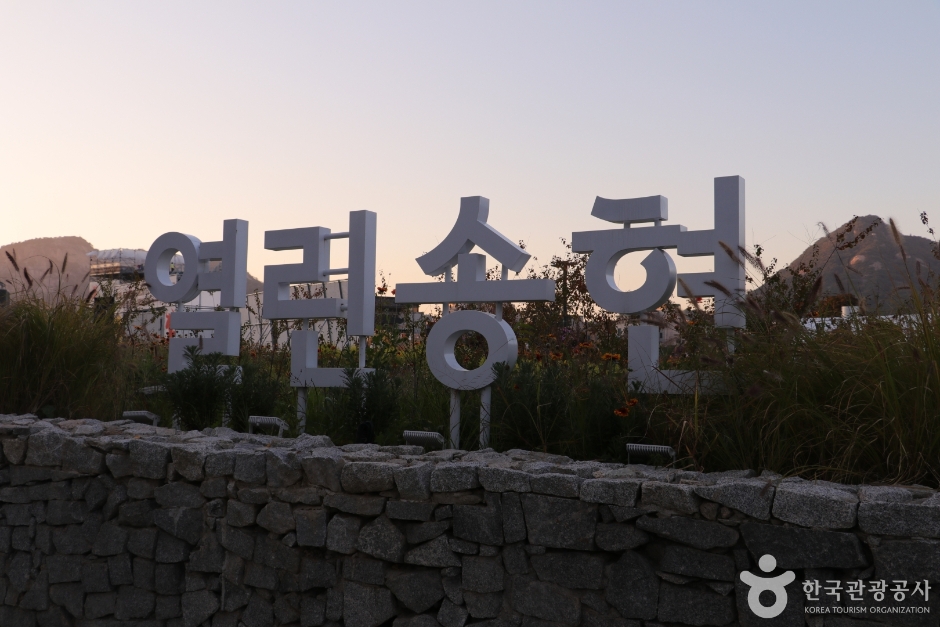
Songhyeon Green Plaza, located between Gyeongbokgung Palace and Jongno, is a space for culture and rest. The site was formerly used as housing for Shiksan Bank during Japanese rule. After Korea’s liberation, it served as a residence for the US Embassy and military personnel. Later in 1997, it was returned to the Korean government but remained unused for years. In 2022, the ownership was transferred to the Korean House and Land Corporation and then to the Seoul Metropolitan Government, which redeveloped it into a green plaza and opened it to the public. Upon entering the plaza, visitors are greeted by a spacious lawn adorned with flowers during the blooming season. The plaza is connected to the nearby tourist attractions through shortcuts cutting through it, including Cheong Wa Dae (Blue House), Gwanghwamun Plaza, Insa-dong, and Bukchon Hanok Village.
Ssamzigil (쌈지길)
7.6Km 2025-10-23
44 Insadong-gil, Jongno-gu, Seoul
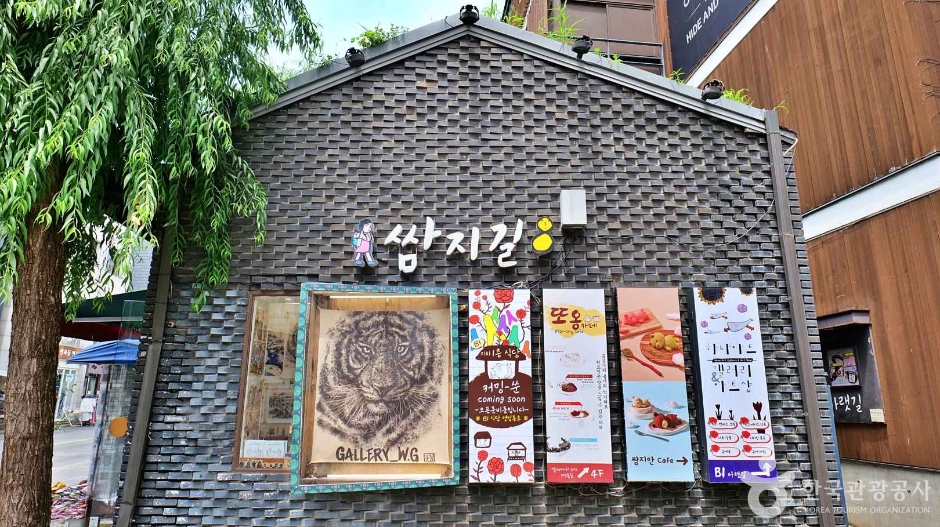
Ssamzigil is an Insa-dong landmark and a shopping mall specializing in crafts. It is a place where the traditions of Korea come together with its present. Follow the paths that lead seamlessly from the lower floors to the upper floors and browse the small craft shops that inhabit the floors. You can find both works of traditional craft and contemporary craft here. Some craft shops also offer craft experiences, and one can also find restaurants and galleries within the complex.
 English
 한국어
한국어 日本語
日本語 中文(简体)
 Deutsch
 Français
 Español
 Русский


