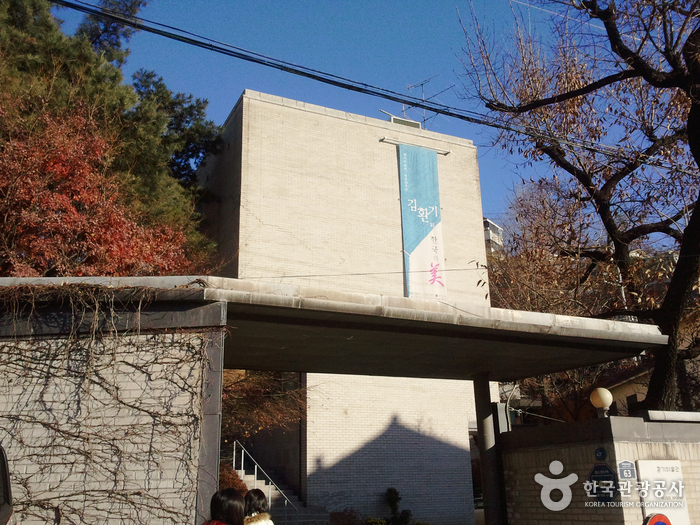
Whanki Art Museum (환기미술관)
8.3Km 2024-03-04
63, Jahamun-ro 40-gil, Jongno-gu, Seoul
Whanki Art Museum exhibits the works of Kim Whanki (1913-1974), the pioneer of Korean abstract art. Kim was inspired by traditional features such as Korean mountains and streams, the sky, moons and clouds, the white porcelain and traditional patterns, and worked to express them in abstract forms through points, lines, and surfaces. The main collection features nearly 300 works by Kim. One can also find an art shop and a café.
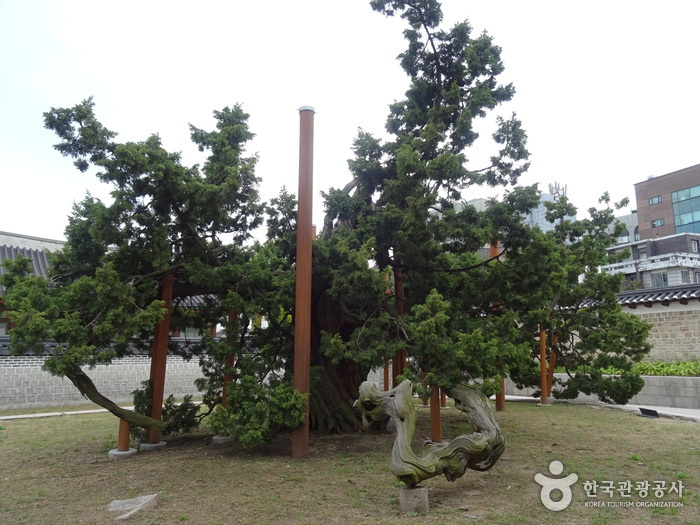
Hyangnamu Tree in Changdeokgung Palace (창덕궁 향나무)
8.3Km 2025-01-13
99, Yulgok-ro, Jongno-gu, Seoul
Hyangnamu or 'Aromatic Tree' in Changdeokgung Palace is estimated to be about 700 years old, meaning it had likely been planted before the palace was built. It stands 12m in x_height, measures 5.9m in girth around the roots, and has branches spreading in all four directions. It is designated and protected as a National Natural Monument.
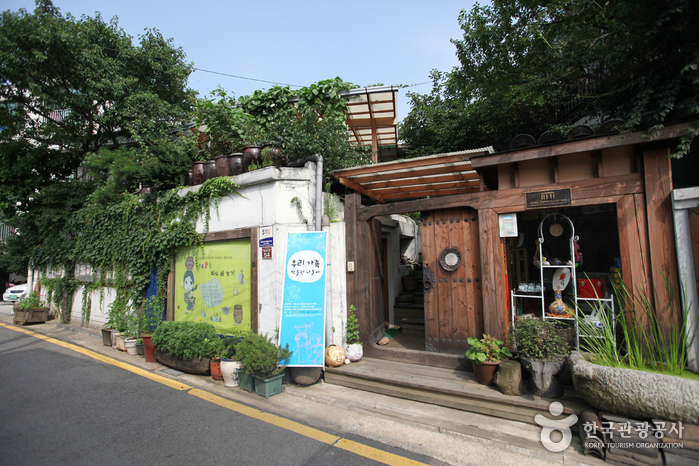
Bukchon Museum (북촌생활사박물관)
8.3Km 2022-08-30
90, Bukchon-ro 5na-gil, Jongno-gu, Seoul
The Bukchon Museum displays items that have been collected from Bukchon, a historical village that was once home to the nation’s nobility. The museum was founded to observe urban development that took place in the recent decades through collected and preserved veryday household items that were used by Bukchon residents. Visitors are even allowed to touch items on display to better be able to imagine life in Korea before industrialization.

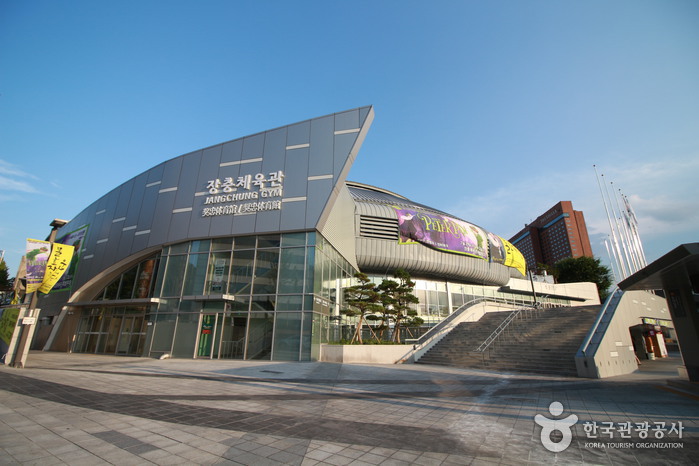
Jangchung Gymnasium (장충체육관)
8.3Km 2024-03-12
241, Dongho-ro, Jung-gu, Seoul
Jangchung Gymnasium is Korea's first domed gymnasium and opened in 1963. It was renovated in 2015 to become what it is today. It is famous for hosting the Korean Professional Volleyball League during the winter months. The gymnasium also boasts a variety of athletic competitions, cultural performances, and events. Nearby are Jangchungdan Park, Jangchung-dong Jokbal Street, and Dongdaemun Historical and Cultural Park, which are all worth exploring.
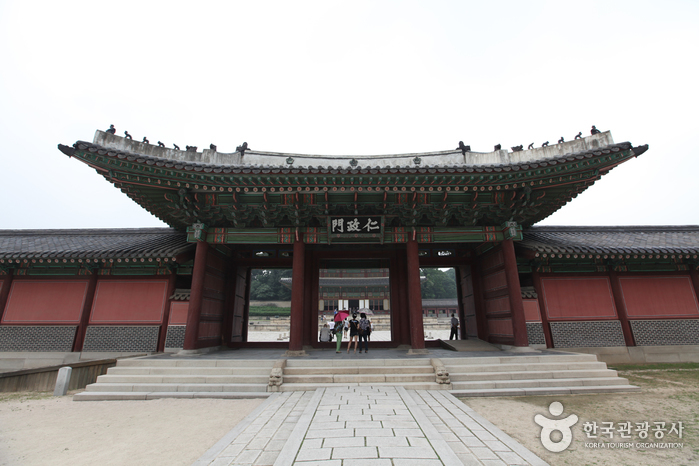
Changdeokgung Injeongmun Gate (창덕궁 인정문)
8.4Km 2025-01-14
99, Yulgok-ro, Jongno-gu, Seoul
Serving as the main gate of Injeongjeon Hall, Injeongmun Gate was established in 1405 (5th year of King Taejo’s reign during the Joseon dynasty). Later on, the gate was destroyed by multiple fires during the Imjin War (Japanese invasion of Korea in 1592), therefore current form of the establishment displays designs that are more often seen in the late 19th century's. In addition, a lot
of subsidary marks and buildings are removed from the original places and relocated passing the time, however, still remains to represent prestigious ambience.
Injeongmun Gate served as the place for several coronation ceremonies of kings, prince's succession of throne, and many other national affairs celebrated by the royal members who gathered and aligned around this gate.
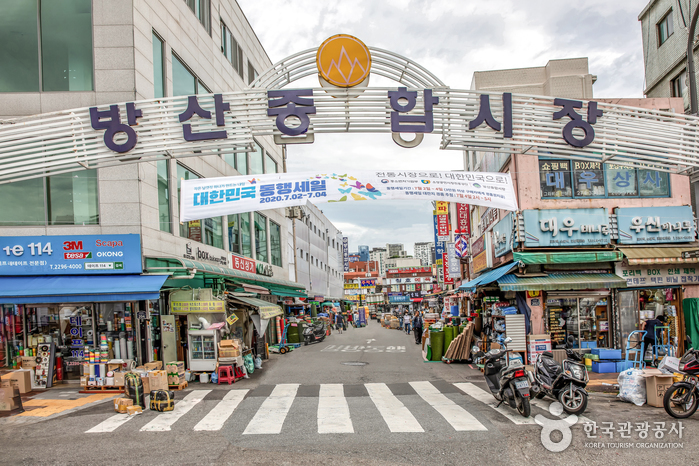
Bangsan Wholesale Market (방산 종합시장)
8.4Km 2025-10-23
20, Dongho-ro 37-gil, Jung-gu, Seoul
Bangsan Market is a wholesale market with approximately 250 stores that sells packaging and promotional materials. The market was popular with patissiers in the past and is currently more famous for being a bakery street.
Woo Joo Yon Clinic (우주연한의원)
8.4Km 2025-10-23
(2nd Floor, Hanok), 41 Bukchon-ro 12-gil, Jongno-gu, Seoul
Woojooyon Clinic takes an integrative approach considering the patient's overall health. Rather than merely treating the affected area, we listen to the patient's story, understand their daily life, and focus on identifying and correcting the root causes of imbalances in the body. Our goal is to pursue true healing and happiness by treating with a delicate touch that connects with the patient's soul. We aim to restore the body to its original state, ensuring a holistic examination of both body and mind, as well as habits and personality. Woojooyon Clinic is committed to helping patients regain a healthy life by applying the wisdom of traditional Korean medicine. We value our relationships with patients and strive to always do our best.
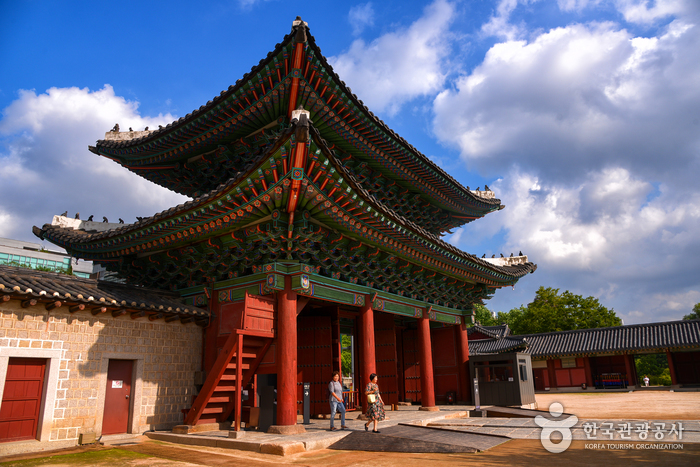
Changgyeonggung Palace Honghwamun Gate (창경궁 홍화문)
8.5Km 2021-05-27
99, Yulgok-ro, Jongno-gu, Seoul
Honghwamun Gate is the main gate of Changgyeonggung Palace. It has three opening gates in the front and two to the side with a sophisticated locking mechanism.
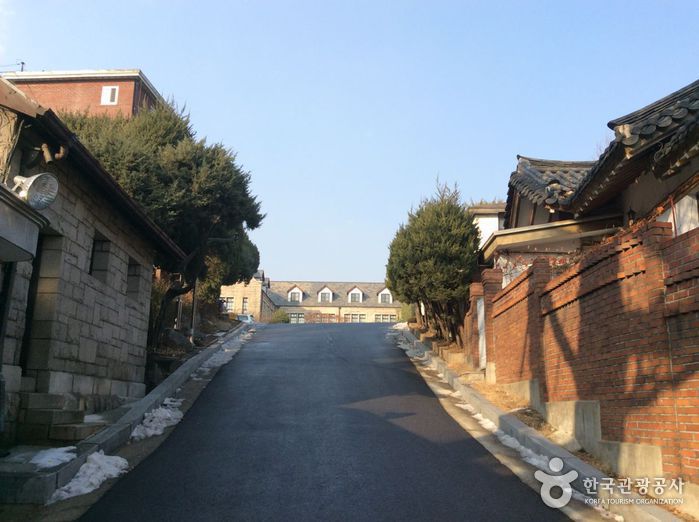
Choong Ang High School (중앙고등학교)
8.5Km 2025-10-23
164 Changdeokgung-gil, Jongno-gu, Seoul
Choong Ang High School is located in Jong-ro near Samcheongdong-gil. It was built to educate the public at the beginning of the 20th century. The school’s main building was reconstructed in 1937 after the original two-story brick house was destroyed in 1934. The main building situated in front of the main gate is a two-story H-shaped granite stone building in Gothic style, with a four-story tower in the middle.
The school holds historical significance because it was designed by Park Dong Jin, one of Korea's first modern architects and the designer of Korea University’s main building, library, and the Chosun Ilbo Newspaper Company building. The main building of Choong Ang High School is designated as Historic Site No. 281. Many national leaders were educated at the gothic building during the grim period when Korea was trying to escape Japanese colonial rule.
 English
 한국어
한국어 日本語
日本語 中文(简体)
 Deutsch
 Français
 Español
 Русский


