
Anxin International Medical Co,.Ltd (안심국제 주식회사)
9.3Km 2025-10-23
(#3532), 41 Nonhyeon-ro 151-gil, Gangnam-gu, Seoul
Established in 2016, Anxin International Medical has been dedicated to attracting international patients since its inception. Over the past eight years, we have grown into a specialized medical tourism company with extensive experience. The company holds international travel agency permits, certified coordinators, and cosmetologist licenses, having served over 1,000 tourists during this time. Anxin International Medical offers a comprehensive range of services, including Korean medical consulting, interpretation, appointment scheduling, caregiving, airport pickups, and guided tours. The company has strong partnerships with numerous reputable Korean plastic surgery clinics, dermatology centers, health checkup clinics, dental clinics, hair transplant centers, obstetrics and gynecology clinics, and general hospitals. We remains committed to our founding principle: providing a "safe and reliable journey in Korea".
Jaunam Hermitage (자운암)
9.4Km 2023-05-08
Gwanak-ro, Gwanak-gu, Seoul
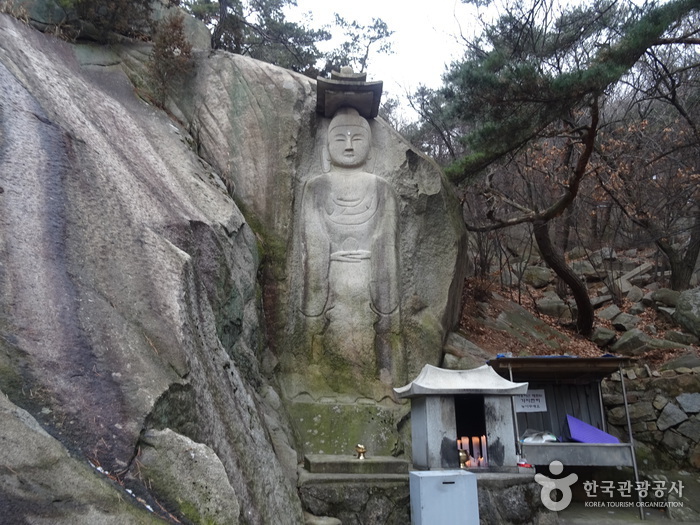
Jaunam Hermitage was originally built in 1396 by Great Monk Muhak of Joseon dynasty. It was renovated in 1734, and finally took shape of the hermitage we know today in 1976 when Monk Boryun added Daeungjeon Hall, Chilseonggak Pavilion, and Sansigak Pavilion. It is currently located in the famous Jahadong Valley on the Seoul National University campus.
105405 Magok (105405 마곡)
9.4Km 2025-03-07
161-8 Magokjungang-ro, Gangseo-gu, Seoul
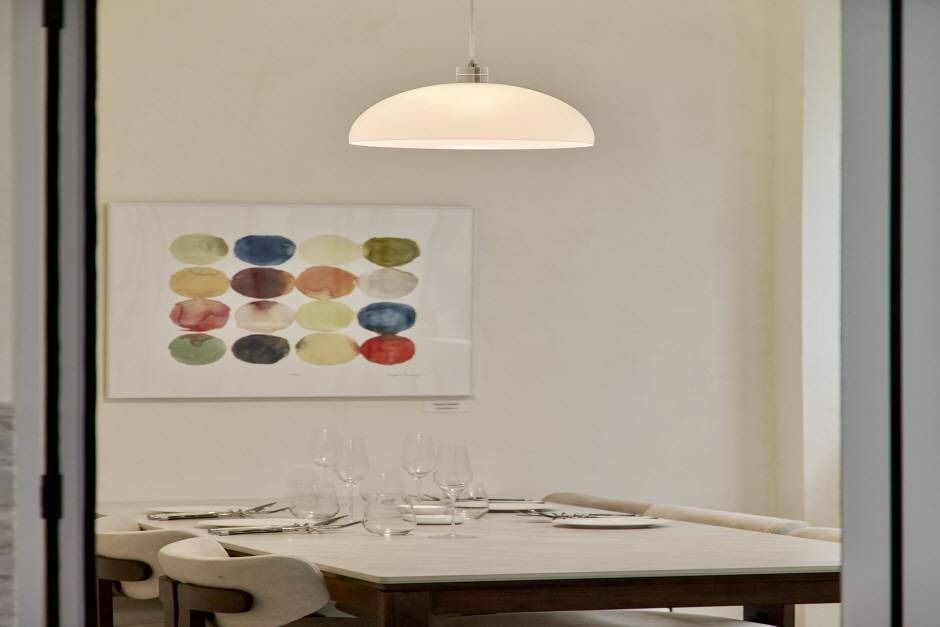
105405 Magok, a restaurant located in the Ganseo-gu district of Seoul, is famous for its charcoal grilled steak and its reinterpretation of side dishes, which is a significant part of Korean food culture. The steaks here are prepared through a meticulous process of wet-aging, seasoning, color development, confit, and charcoal grilling, with lunches served as course meals only.
Korean Museum of Straw and Life (짚풀생활사박물관)
9.4Km 2022-09-15
45, Sungkyunkwan-ro 4-gil, Jongno-gu, Seoul
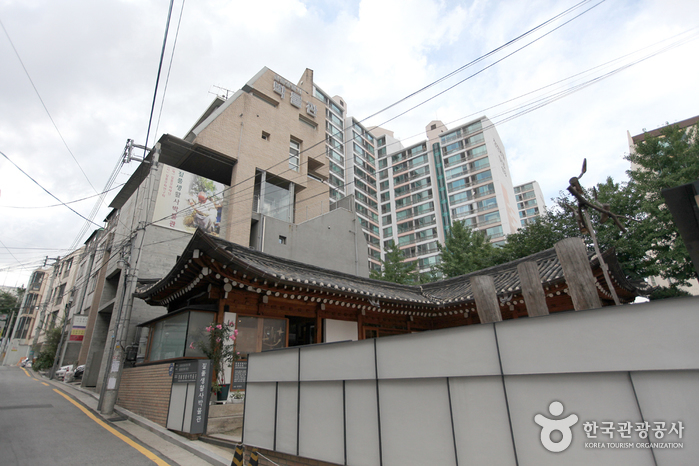
Korean Museum of Straw and Life is a private museum dedicated to the collection, research, and display of materials and historical accounts of diverse straws and their uses in Korea. As Koreans' lifestyle in the past heavily depended on agriculture and cultivation of crops, straws and grasses were easily found and had many uses. The museum aims to educate the general public of how different straw were produced and used by Korean ancestors as well as their significance in connection with today's lifestyle.
 English
 한국어
한국어 日本語
日本語 中文(简体)
 Deutsch
 Français
 Español
 Русский


