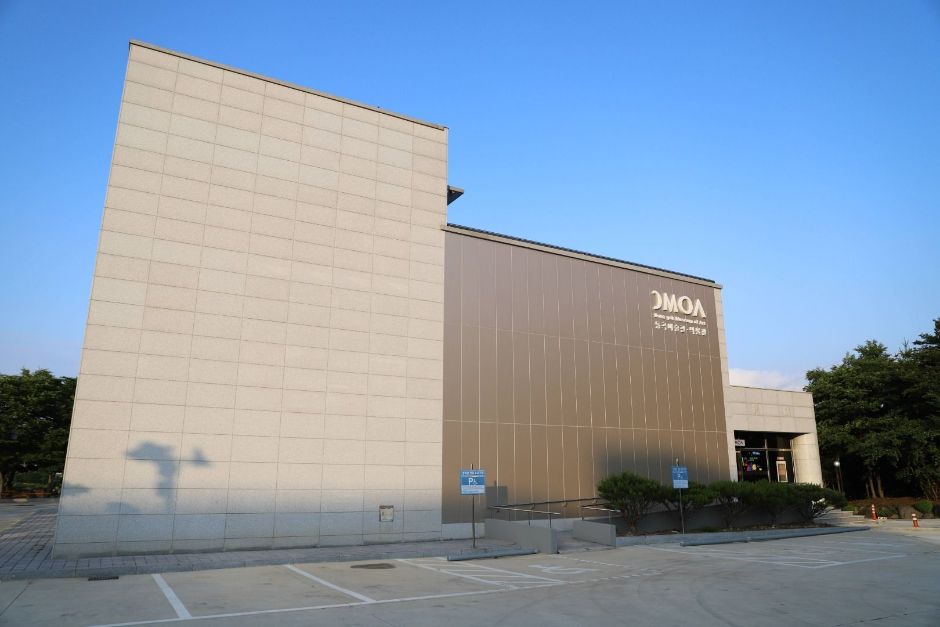
Donggok Museum of Art (동곡미술관)
12.8Km 2024-12-17
37 Eodeung-daero 529beon-gil, Gwangsan-gu, Gwangju
Donggok Museum of Art, opened in December 2020, a two-story building has exhibition halls, educational rooms, a sculpture park and more. There are rest areas to relax after enjoying arts, as well as spaces for visitors to find their creativity.
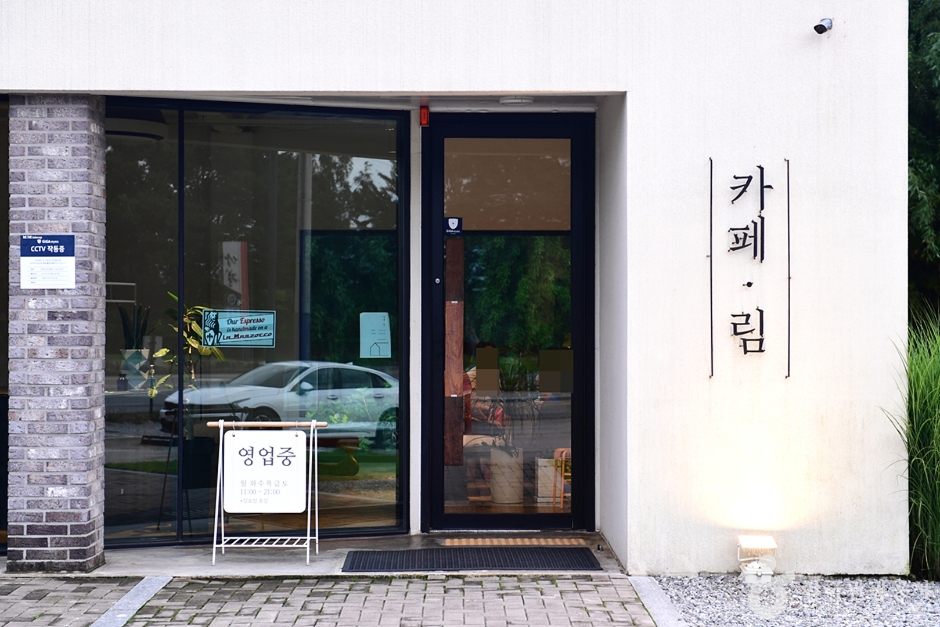
Café Limm (카페 림)
12.9Km 2024-11-12
192 Songgangjeong-ro, Bongsan-myeon, Damyang-gun, Jeollanam-do
Café Limm is a beautiful café nestled in the backdrop of lush bamboo forests in Damyang. With bamboo trees both inside and outside the café, it feels like stepping into a bamboo forest. Their signature menu item is the shakecoco (coconut milk espresso shake), made with shaken espresso and coconut milk. Visitors can also capture picturesque moments in this café that resembles a scene from an oriental painting.
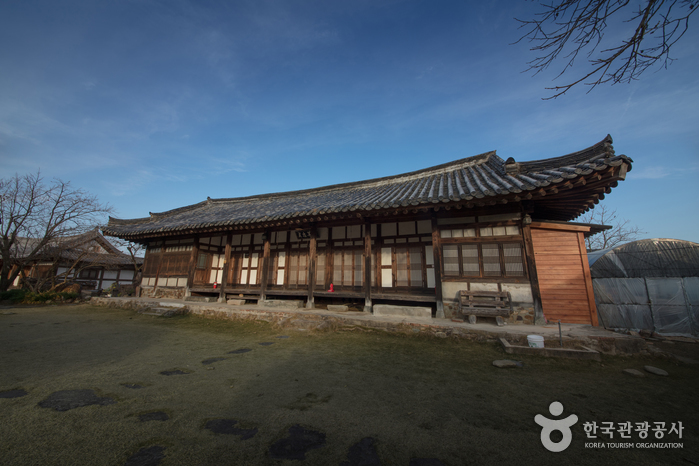
Gotaekhanok (고택 한옥에서)
14.0Km 2024-12-23
88-9 , Doldam-gil, Damyang-gun, Jeollanam-do
+82-10-3606-1283
In A Hanok is a grand old house in Samjinae Village, Changpyeong, Jeollanam-do - a member of the international Slow City movement. The house comprises a sarangchae (men’s house), an anchae (women’s house), outbuildings and a spacious yard and garden. Local tourist destinations such as Soswaewon Garden, Songgangjeong Pavilion, and Damyang’s bamboo forest and redwood road are all within 30 minutes, of the house. Visitors can rest here while drinking in the atmosphere of the old Korean countryside.
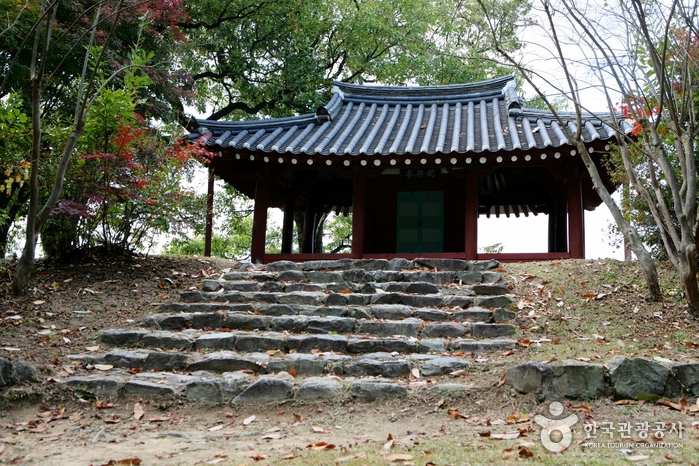
Myeonangjeong Pavilion (면앙정)
16.5Km 2025-01-09
382-11 Myeonangjeong-ro, Damyang-gun, Jeollanam-do
+82-61-380-2811
Myeonangjeong Pavilion is located on the slopes of Jebongsan Mountain in Damyang-gun. The pavilion was constructed in 1533 by Song Sun (1493-1583), who built it as a place for writing poems. After its construction, the pavilion served as a meeting place for scholars and intellectuals and was even frequented by Lee Hwang (1501-1570), a representative Confucian scholar who is pictured on the 1,000 won bill.
The roof of Myeonangjeong Pavilion was originally made of reeds, straw, grass and other materials which could not withstand the elements. After several repairs, the building was developed into the wooden structure that it is today.
From the back of the pavilion, you can see the mountain range and open wide fields; renowned scholars’ poems are engraved on the wooden panels that decorate the pavilion walls.
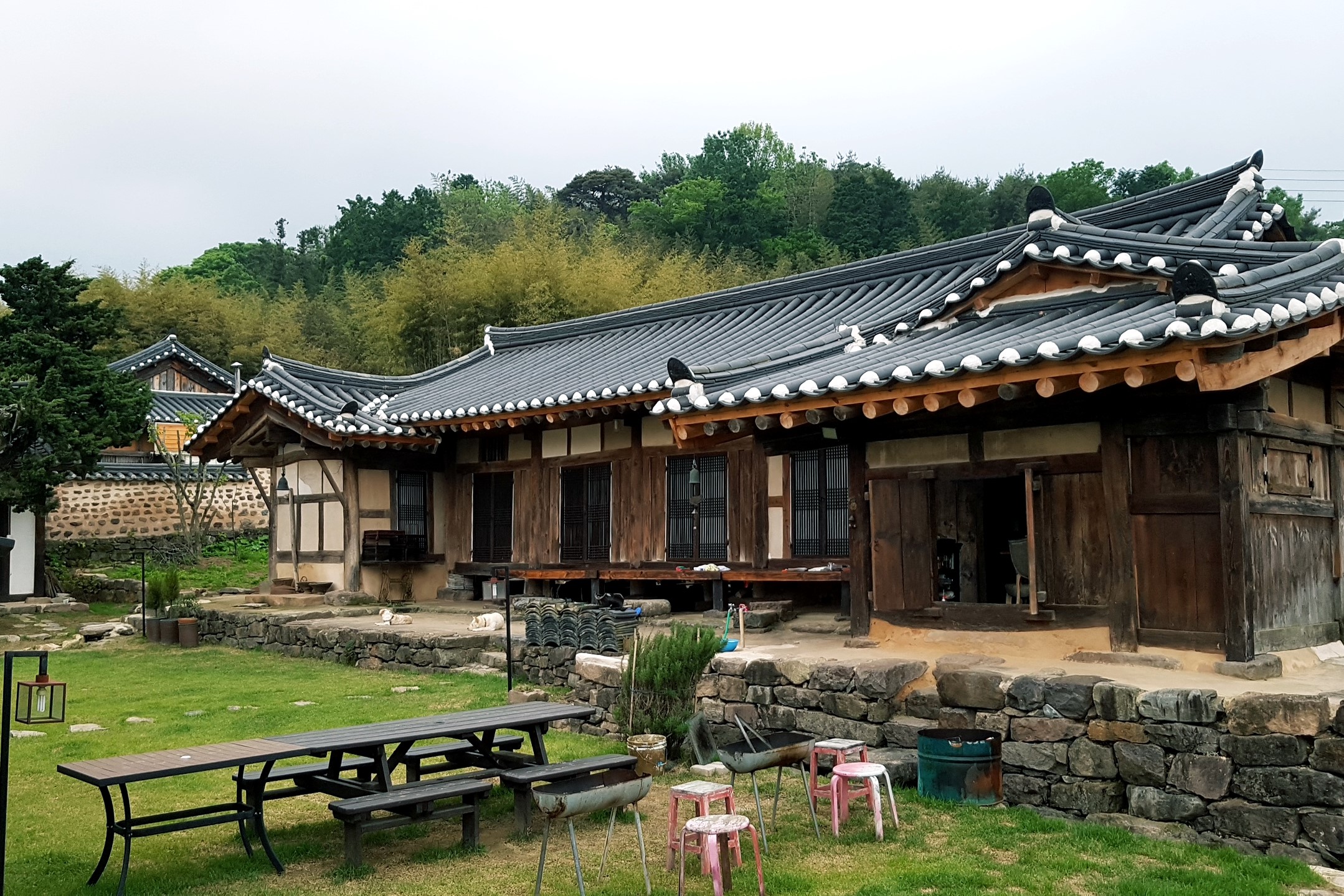
YangDongHo Traditional House (Hanok 152) / 양참사댁(양동호 가옥 / 한옥152)
17.3Km 2025-03-05
24 , Darasil-gil, Hwasun-gun, Jeollanam-do
+82-10-4200-6789
Yangchamsa House, also known as Yangdongho House, is a hanok stay in Hwasun, Jeollanam-do - a 300-year-old yangban dwelling now designated a national folk cultural asset. There are five guestrooms of different sizes in the anchae and sarangchae. The house hosts exhibitions and concerts from time to time, and can be hired for weddings, banquets or workshops. There’s a traditional cultural experience program. Nearby must-visit places are Hakjae Old House and Hwasun Dolmen Site in the village, and Unjusa Temple (a 15-minute drive away).
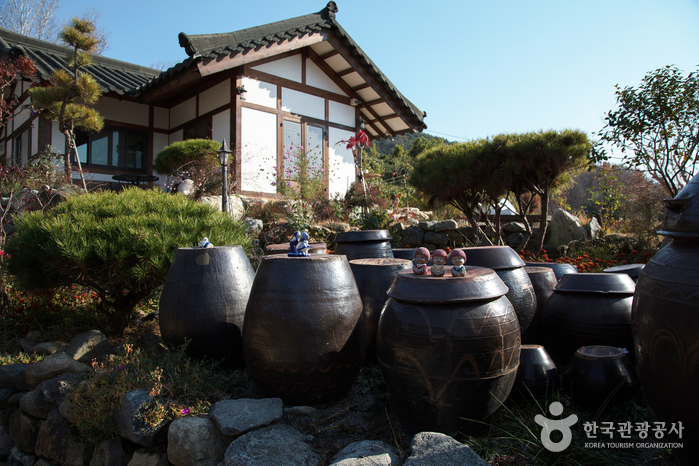
Sane Flower ((주)산에는 꽃이피네)
17.9Km 2024-08-05
20-1 , Dongnyeok-gil, Naju-si, Jeollanam-do
+82-10-4612-4232
Mountain Flowers Bloom in Dorae Hanok Village, Naju-si, Jeollanam-do, is a 100 year-old house built in the traditional way using local timber and no nails. Guestrooms are well insulated and equipped with bathroom and kitchen. Interiors are lined with Korean paper and are old-time and cozy. There’s a wooden veranda from which visitors can see the fine old maple tree in the yard. Among other local attractions, Naju’s Redwood Road is nearby, offering guests a peaceful walk in the woods; some weekends, the owner offers neighbourhood guided tours.
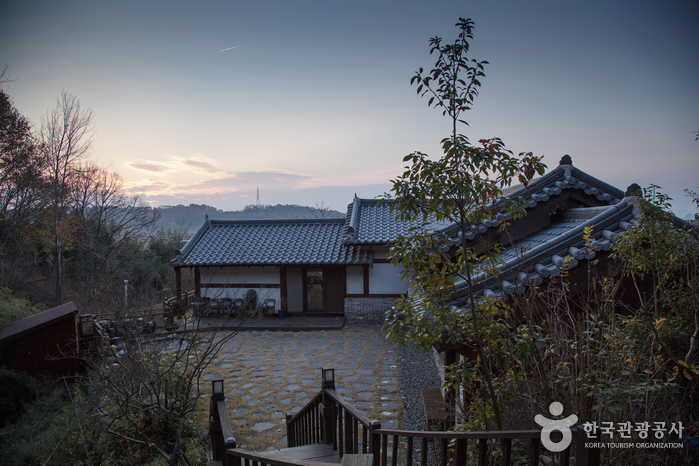
Doraemi House (도래미)
18.0Km 2024-08-05
18-26 , Dongnyeok-gil, Naju-si, Jeollanam-do
+82-61-336-3646, +82-10-6604-6621
Doraemi House in Dorae Village, Naju, Jeollanam-do, is a hanok stay with a bonchae (‘main house’), a sarangchae (men’s house) and a byeolchae (‘reception room’). The bonchae has two bedrooms with a hidden attic space. The sarangchae has a living room with bedrooms on either side; while the byeolchae, atop a low hilll, has a single cozy room. A walk along a forest road takes you to a pavilion by a pond. Next to the bonchae is a quiet and tranquil reading room.
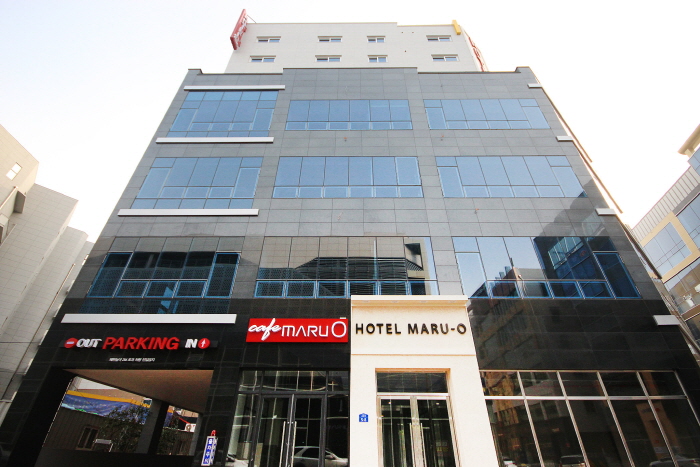
Maru-o / 마루오(MARU-O)
18.0Km 2025-03-05
5-8 , Baemet 3-gil, Naju-si, Jeollanam-do
+82-61-331-0700
The Maru O Hotel is a business hotel in the heart of Naju Innovation City, Jeollanam-do, that has good facilities and is popular with both business travellers and tourists. The underground parking lot has an electric vehicle charging station, and both mobile phone chargers and tourist information for Naju and Jeonam is available at the front desk. Right in front of the hotel is Bitgaram Lake Park where visitors can take a pleasant walk. Naju KTX station and the Intercity Bus Terminal are 15 minutes away by car, and Naju’s Yeongsanpo Hongeo Street and Gomtang Street (famous for its restaurants!) are also nearby.
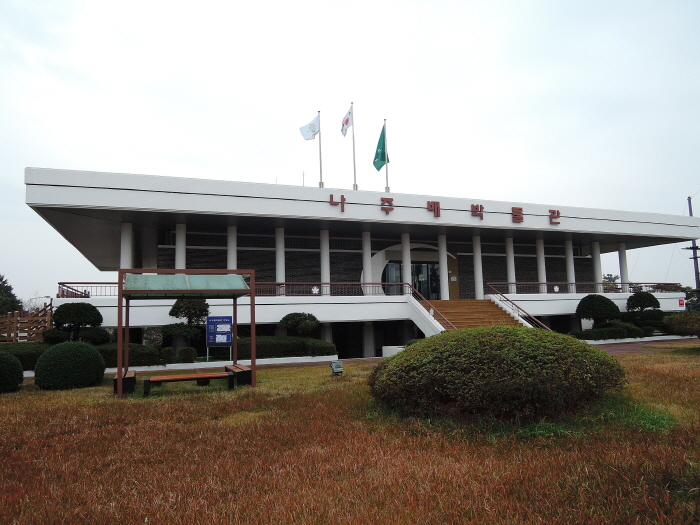
Naju Pear Museum (나주배박물관)
18.0Km 2021-08-13
5838, Yeongsan-ro, Naju-si, Jeollanam-do
+82-61-339-2590
Known as the birthplace of Korean pears, Naju pears are well-known for its long history. The fruit was exported worldwide starting in 1967. The Naju Pear Museum promotes the fruit and is a learning center for its agricultural history. The museum opened on April 20, 1992 and is the world's only pear museum.
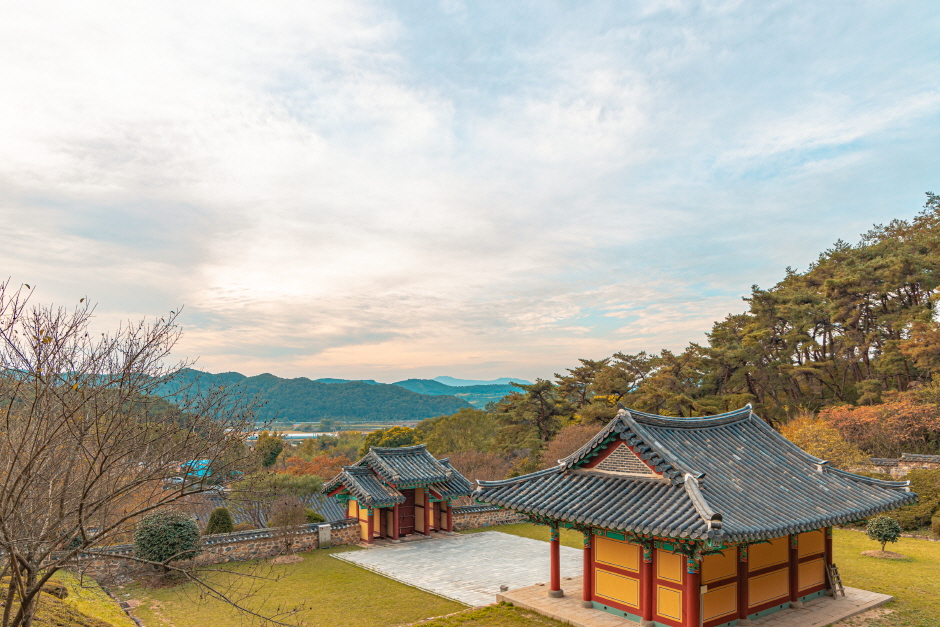
Wolbongseowon Confucian Academy (월봉서원)
18.9Km 2021-07-06
133, Gwanggok-gil, Gwangsan-gu, Gwangju
+82-62-960-8253
Wolbongseowon Confucian Academy, built in 1578, was established by Kim Gyehwi and other confucian scholars to honor Ki Daeseung's study and virtue through Mangcheonsa Shrine. The location of the academy was moved to its current site in 1646, and the name Wolbong was given by King Hyojong in 1654. In 1671, Bak Sang and Bak Sun's shrines were moved from Deoksansa Shrine by the suggestion of Song Siyeol. Also, Kim Jangsaeng and Kim Jip's shrines were additionally placed in 1673. Unfortunately, the confucian academy was abolished due to the abolition policy of Daewongun in 1868. Later, Bingwoldang Hall was built by Jeollanam-do's Confucian scholars in 1938, followed by Gojiksa Shrine in 1972, Jangpangak Pavilion and Oesammun Gate in 1978, Sau in 1980 and Naesammun Gate in 1981. Bingwoldang is designated as Gwangju Monument No. 9 and woodblocks of Gobongjip are preserved in Jangpangak Pavilion.
 English
 한국어
한국어 日本語
日本語 中文(简体)
 Deutsch
 Français
 Español
 Русский


