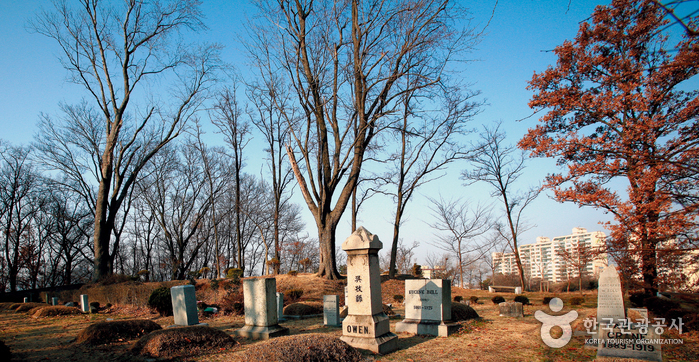
Yangnim-dong Missionary Cemetery (양림동 선교사 묘지)
1.1Km 2021-05-28
77, Jejung-ro, Nam-gu, Gwangju
+82-62-607-2333
The Yangnim-dong Missionary Cemetery is the final resting place of 23 missionaries who brought Christianity to Gwangju and led the movement to free the nation from under Japanese colonial rule. Yangnim-dong in Gwangju Metropolitan City was the main area in which Priest Bae Yu-ji and Dr. Clement Owen carried out their work as the first missionaries to Jeollanam-do.
Located nearby is a monument dedicated to Priest Bae Yu-ji and the Owen Memorial Building, built in honor of Dr. Owen and his grandfather. Both memorials are cultural assets and particularly prized by locals of the Christian faith.
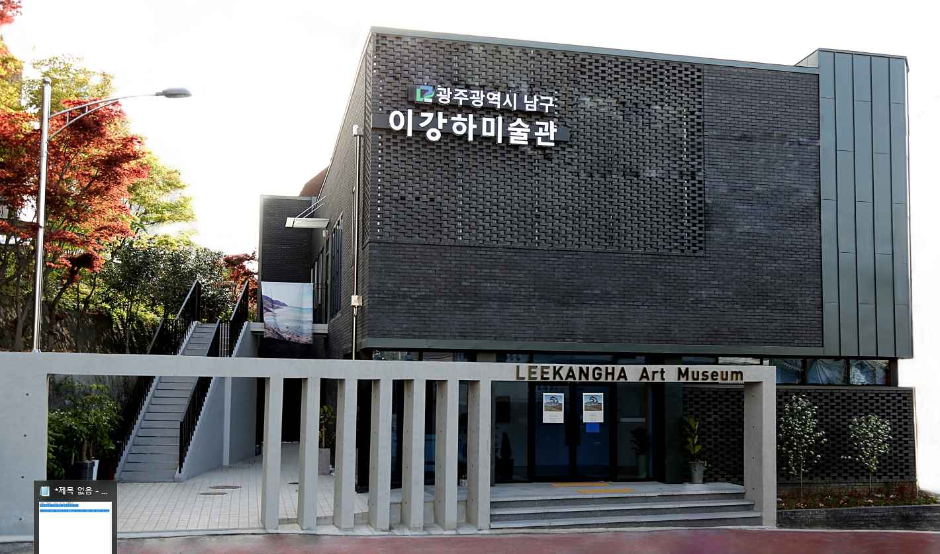
LEEKANGHA Art Museum (이강하미술관)
1.3Km 2024-11-14
6 3·1manseundong-gil, Nam-gu, Gwangju
The LEEKANGHA Art Museum, opened in 2018, offers a range of exhibitions, educational programs, and a research center. Visitors can explore the life and art world of Lee Kang-ha in different eras through various exhibitions and gain a deeper understanding of art with performances and educational programs. The museum aims to foster empathy and communication to enrich cultural knowledge by using diverse art-culture experience programs.
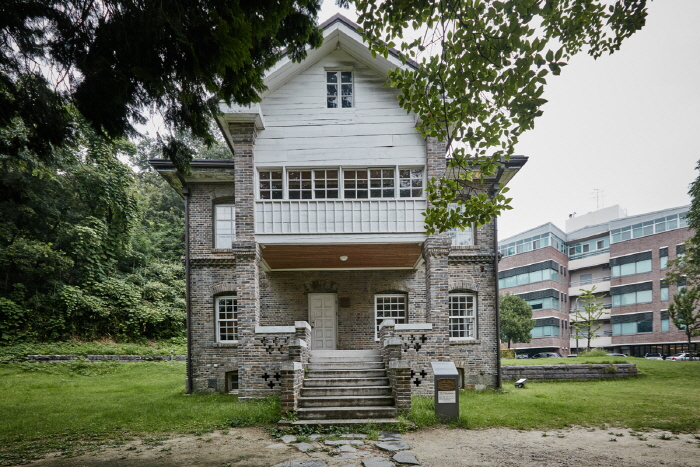
Missionary Wilson's House (우일선 선교사 사택)
1.3Km 2025-10-23
20 Jejung-ro 47beon-gil, Nam-gu, Gwangju
+82-62-607-2333
Missionary Wilson’s House is a two-story brick building that sits upon the eastern foothills of Yangnimsan Mountain. Known as the oldest surviving Western-style house in Gwangju, the house is an icon of modern culture and architecture in Korea. The house was built by an American missionary named Wilson in the 1920s (exact date unknown) and was the home of the Wilson family while they stayed in Korea. When the family completed their work in Korea, they sold the house for a very cheap price with the stipulation that the house continued to be used for missionary purposes. The house fell into the possession of the General Assembly of Chonnam Presbyterian Church of Korea in 1986 and now serves as the home office for the Presbyterian Church of Korea.
The square-shaped house consists of a living room, a family room, a kitchen, and a bathroom (1F), several bedrooms (2F), and storage areas and a boiler room (B1). The fact that the entrance of the house faces east is said to be a result of the prevailing architectural culture of Korea at that time. A Netherland-style house built with 55-milimeter thick, gray bricks, the first and second stories are delineated on the exterior with an eye-catching band of bricks.
◎ Travel information to meet Hallyu’s charm - TV series "Hymn of Death"
Here, Woo-jin (played by Lee Jong Suk), Sim-deok (played by Shin Hye-sun), and their troupe rehearsed for their play in "Hymn of Death." The Western-style building, framed by a lush forest backdrop, offers an exotic and picturesque setting.
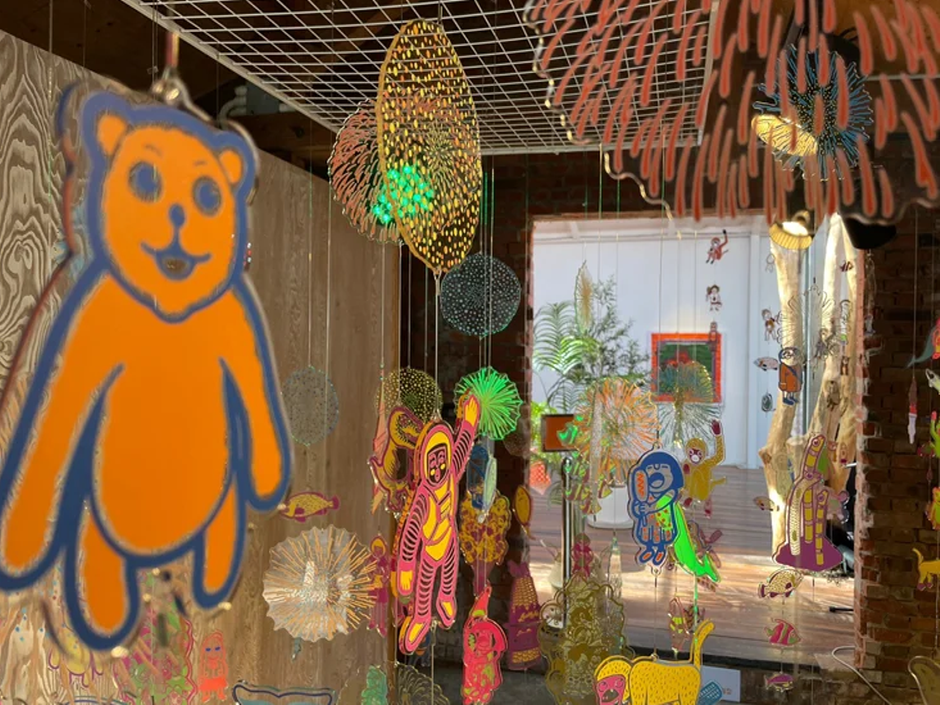
Art Polygon Horanggassinamu (호랑가시나무 아트폴리곤)
1.4Km 2025-02-04
22 Jejung-ro 47beon-gil, Nam-gu, Gwangju
Located in Yangnim-dong, Art Polygon Horanggasinamu is a multi-purpose cultural space that hosts various programs such as exhibitions, lectures, and performances. In 2021, it was used as one of the venues for the Gwangju Biennale. The space was created by preserving and expanding the original structure of a missionary's garage. Yangnim-dong is home to many modern historical cultural heritage sites and art galleries that connects the past and the present.
![Gwangju IAM Guest House [Korea Quality] / 아이엠게스트하우스 [한국관광 품질인증]](http://tong.visitkorea.or.kr/cms/resource/52/2017452_image2_1.JPG)
Gwangju IAM Guest House [Korea Quality] / 아이엠게스트하우스 [한국관광 품질인증]
1.9Km 2024-07-24
23 , Gyeongyang-ro 165beon-gil, Buk-gu, Gwangju
+82-62-528-0012
The cozy and clean I Am Guesthouse in Gwangju, Jeollanam-do, stands right opposite Gwangju station. The guesthouse offers free Korean breakfast and brunch, there’s a personal locker for valuables and a powder room for female travelers. The location is convenient for sightseeing, with Mudeungsan Mountain nearby, and visitors can taste tteokgalbi and other delights of Namdo cuisine in local restaurants.
![ER NC Department Store - Gwangju Branch [Tax Refund Shop] (ER NC백화점 광주)](http://tong.visitkorea.or.kr/cms/resource/32/2886832_image2_1.jpg)
ER NC Department Store - Gwangju Branch [Tax Refund Shop] (ER NC백화점 광주)
2.0Km 2024-04-23
249, Gyeongyeol-ro, Buk-gu, Gwangju
-

Street of Duck Stew (오리요리의 거리)
2.0Km 2025-08-06
125 Gyeongyang-ro, Buk-gu, Gwangju
The Street of Duck Stew in Gwangju is lined with restaurants specializing in duck dishes. Its origins trace back to the 1970s, when a duck farmer began selling duck stew, adding their own twist by incorporating water parsley and perilla seeds to the recipe they had learned. The affordable price and clean, rich taste of stew made it popular among visitors, eventually leading to the formation of the current street. The popular dishes include ori tang (duck stew), ori roseu (grilled duck), and ori jumulleok (spicy stir-fried marinated duck).
Mudeungsan Lift Monorail (Jisan Park) (무등산 리프트모노레일 (지산유원지))
2.3Km 2025-08-12
14-10 Jiho-ro 164beon-gil, Dong-gu, Gwangju
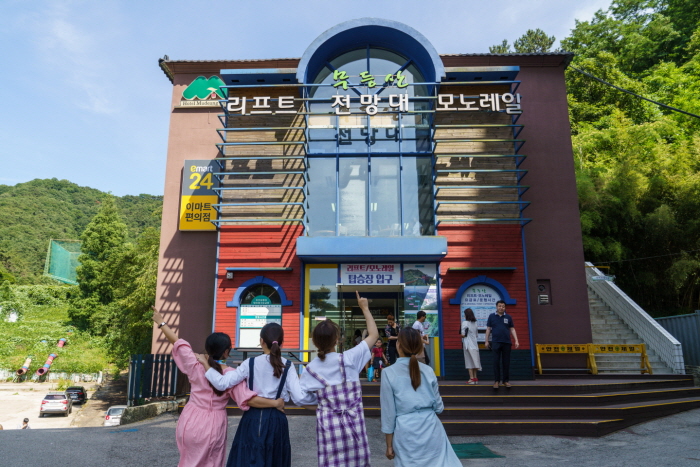
To use the lift and monorail located at Jisan Park in Gwangju, visitors can purchase a ticket at the ticket office in the convenience store on the first floor and go up to the boarding area on the second floor. Get on the lift with a track length of 745 meters and an operating speed of 12 m/sec and climb for about 20 minutes while enjoying the scenery of Mudeungsan Mountain to arrive at Bitgoeul Station. From here, visitors can transfer to the monorail. Passengers can feel the thrill of riding toward the top on a monorail which can accommodate about 20 people at a time. A spectacular view of Mudeungsan Mountain will unfold in all directions. The view of Gwangju from Palgakjeong Observatory at the end of the monorail is a beautiful sight that visitors to Gwangju must see at least once as it is a famous attraction to enjoy the view of Gwangju.
Jisan Recreation Area (지산유원지)
2.5Km 2023-01-25
35-1, Jiho-ro 164beon-gil, Dong-gu, Gwangju
+82-62-221-2760
Jisan Recreation Area reopened around December 2016, resuming monorail operation after 11 years. The unique rattle of a monorail running on one rail gives passengers a thrill. If you ride the monorail, you can see the panoramic view of Gwangju and the top of Mudeungsan Mountain at a glance. The monorail starts on the mountainside, 50 meters away from the end point of the lift, along the forest road, and runs to and from the top of the mountain in Jisan Recreation Area, where the octagonal pavilion is located. After reopening, it became popular among the younger generation through social media and word of mouth as a unique amusement facility where you can enjoy thrills on Mudeungsan Mountain in Gwangju.
YODAMN (요담엔)
2.9Km 2024-12-20
39-2 Jami-ro 66beon-gil, Buk-gu, Gwangju
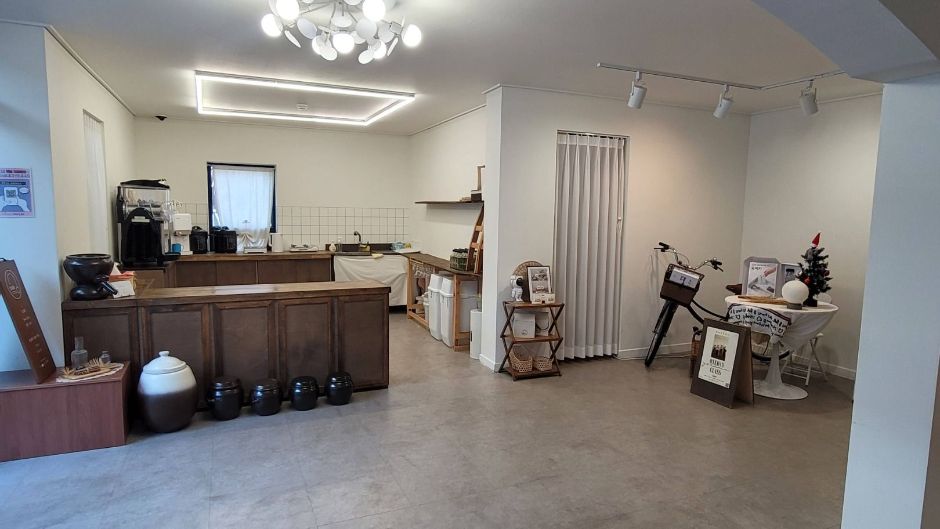
YODAMN is a Gwangju-based Company redefining Korea’s fermented traditions. It is known for its premium rice nuruk, a traditional Korean fermentation starter, and products like Yoando yogurt, a malted yogurt and Yomakkey, a makgeolli kit. The company is engaged in research, liquor development, and provides consultation services. Additionally, it offers unique experiences, such as one-day traditional liquor brewing classes, and sells its uniquely developed products. It is a great place for visitors to experience the Gwangju local traditional liquor culture.
 English
 한국어
한국어 日本語
日本語 中文(简体)
 Deutsch
 Français
 Español
 Русский


