
YallaKOREA (얄라코리아)
5.0Km 2025-10-23
#700, The Salvation Army Building, 69 Saemunan-ro, Jongno-gu, Seoul
YallaKOREA is a medical tourism agency specialized in serving Arab patients, providing medical services since 2016 for those wishing to visit plastic surgery and dermatology clinics in Korea. For patients undergoing surgery, it offers customized services including medical interpretation, private transportation, hotel reservations, airport pick-up and drop-off services, and daily tours. With years of experience and a deep understanding of Arab culture, it ensures safe and convenient medical tourism.
Nodeul Island (노들섬)
5.0Km 2024-11-01
445 Yangnyeong-ro, Yongsan-gu, Seoul
Nodeul Island seems like an island floating in the middle of the Hangang River. The island was opened to the public in 2012 as a recreational area while preserving most of its original form. In 2019, the island was equipped with more facilities to serve as a cultural entertainment spot to the public.
Jeongdong Observatory (정동전망대)
5.1Km 2022-08-11
15, Deoksugung-gil, Jung-gu, Seoul
Jeongdong Observatory is located on the 13th floor of Seoul City Hall Seosomun building. The observatory has a cafe inside where visitors can enjoy a drink while gazing upon the magnificent view of Deoksugung Palace from above. In addition, the walls of the cafe are decorated with photos of old Jeongdong.
Deoksugung Stone Wall Path (덕수궁 돌담길)
5.1Km 2025-01-10
24 Sejong-daero 19-gil, Jung-gu, Seoul
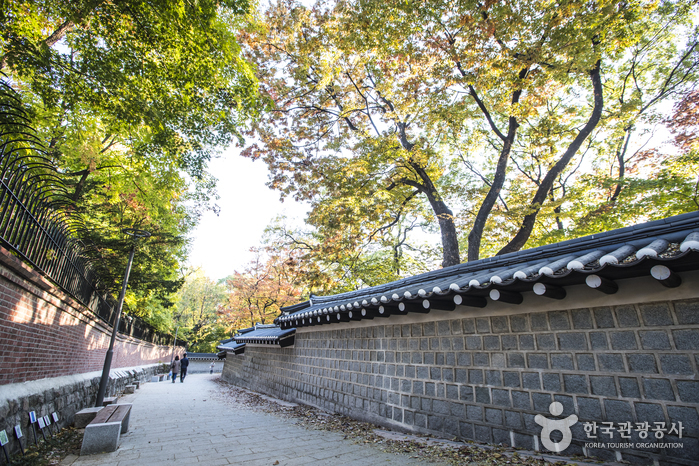
The Deoksugung Stone Wall Path runs along the wall of Deoksugung Palace. It is beautifully lit and landscaped, giving it a romantic atmosphere even at night. There are street performances and flea markets, and the area boasts many famous cafes and restaurants along Jeongdong street. In autumn, the ginkgo trees and walls form a stunning scene. Close to major cultural facilities such as the Seoul Museum of Art and Seoul Museum of History, it attracts numerous visitors come for a stroll.
Kumho Art Hall (금호아트홀)
5.1Km 2021-05-28
76, Saemunan-ro, Jongno-gu, Seoul
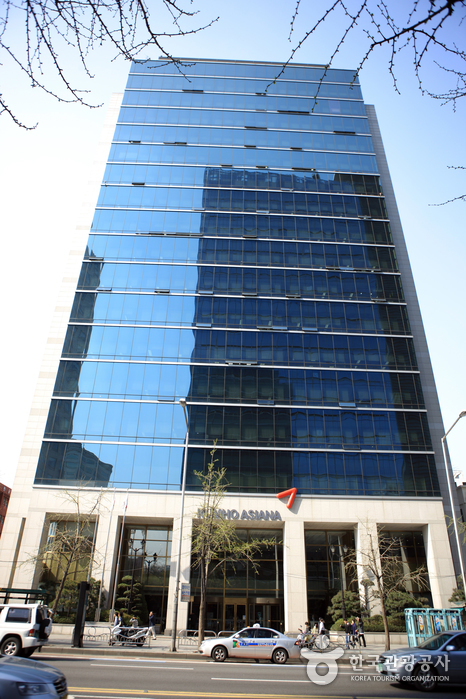
Kumho Art Hall was built in 2000 exclusively for classical music concerts, with 390 seats, the perfect structure for chamber concerts. All seats are recital hall chairs and the wide spacing between rows of chairs helps the audience to have a pleasant time. Upon entering the theater, all cell phones will turn off automatically. This helps all visitors to enjoy the concert without being interrupted by ringing cell phones. The interior is cozy and luxurious, and the stage is made of maple.
Suseongdonggyegok Valley (수성동계곡)
5.1Km 2023-08-17
185-3, Ogin-dong, Jongno-gu, Seoul 서울특별시 종로구 옥인동
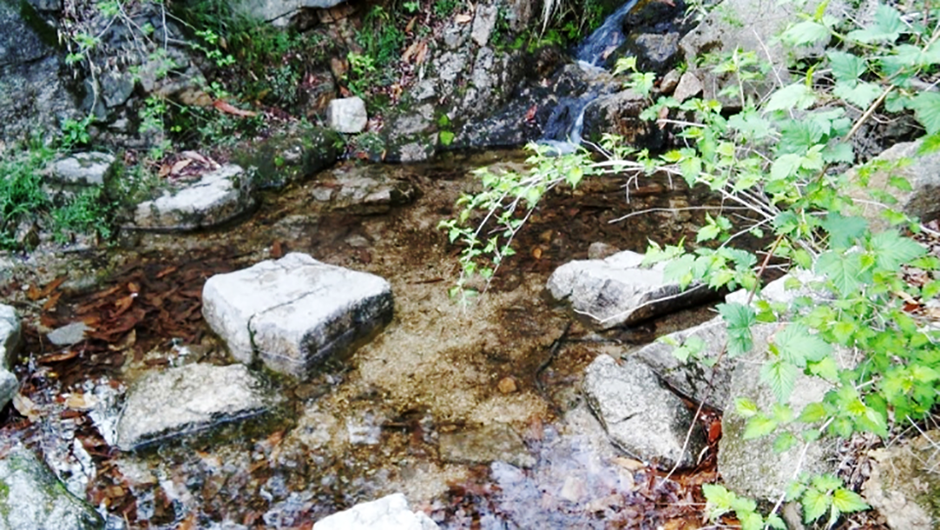
Suseong-dong Valley's stream runs down from Inwangsan Mountain and joins Cheonggyecheon Stream, and it is said that the name of the village was called Suseong-dong during the Joseon dynasty due to the loud and clear sound of the flowing water. It appears in the painting "Jangdong Palgyeongcheop," which is Jangdong Eight Scenic Views, that depicts the eight scenic views of Bugaksan Mountain and Inwangsan Mountain as well as in other historical books of the Joseon dynasty as a place of scenic beauty. The valley was so famous for its beauty, that Prince Anpyeong of the Joseon dynasty built his house "Bihaedang" to fully enjoy the view, and the valley and its stone bridge were designated as a cultural property of Seoul in 2010.
Deoksugung Palace Royal Guard Changing Ceremony (덕수궁 왕궁수문장교대의식)
5.1Km 2025-07-11
99, Sejong-daero, Jung-gu, Seoul
• 1330 Travel Hotline: +82-2-1330 (Korean, English, Japanese, Chinese) • For more info: +82-2-737-6444
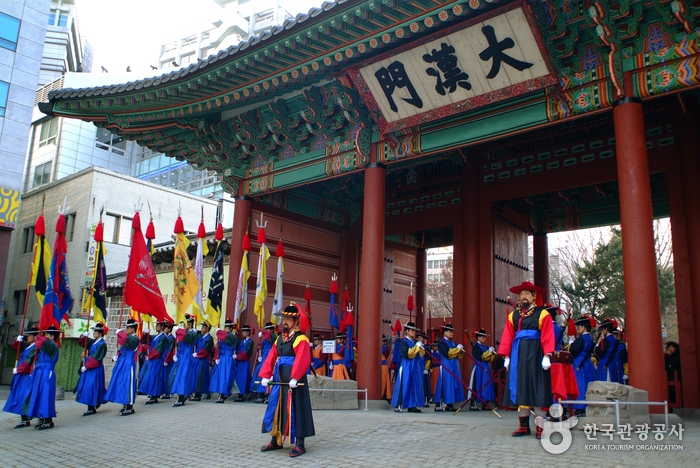
Deoksugung Palace has held a guard changing ceremony since 1996 after thorough historical research by leading historians. The ceremony, which is held in front of Daehanmun Gate of Deoksugung Palace, is a tradition similar to the Changing of the Guards at Buckingham Palace and offers a rare opportunity to experience royal culture. The royal gate is opened and closed at pre-determined times, and the gatekeepers in charge of guard duty and patrols hold a shift ceremony three times a day.
The Royal Guard Changing Ceremony is a highly recommended event for tourists. It is held three times a day, with each ceremony following the same procedure and lasts for forty minutes to an hour, and the ceremony is free of charge. There are no ceremonies on Mondays as well as on severely cold or hot days.
As the ceremony begins, the changing of the guards commences replete with traditional musical instruments, and exchanges a password for verification. An eight-minute guard ceremony ensues, followed by a seven-minute change ceremony, and finally a patrol that completes the ceremony. The procedure takes a dramatic turn when 18 guards in six official positions beat a drum and bellow some orders.
The Royal Guard Changing Ceremony is a great opportunity to experience a rare traditional scene. The guards’ splendid costumes, with their brilliant primary colors, are a pleasure to view. Once the ceremony is over, visitors can take pictures with the gatekeepers.
Deoksugung Palace's Daehanmun Gate (덕수궁 대한문)
5.2Km 2025-01-13
99 Sejong-daero, Jung-gu, Seoul
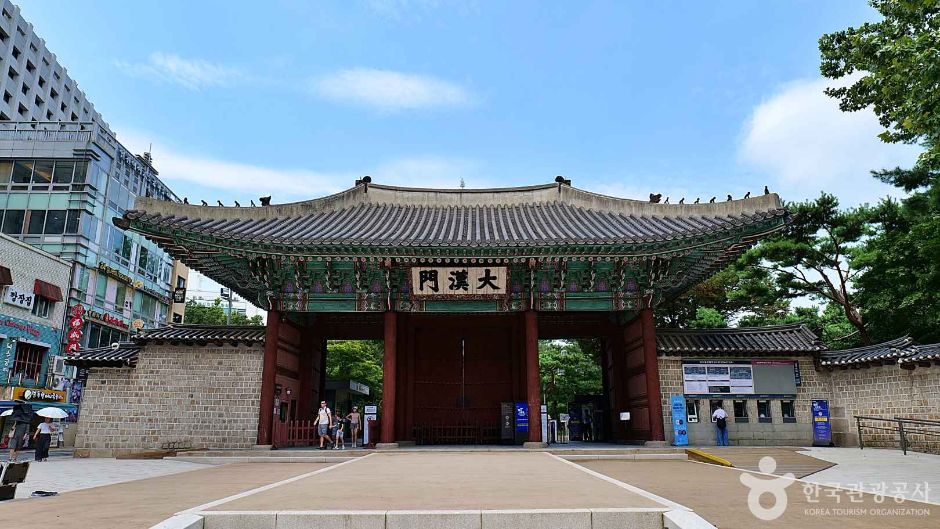
Located near City Hall station, Daehanmun Gate is the main gate of Deoksugung Palace, one of the princiapl five palaces of Joseon dynasty. The name "Daehan" means wish for eternal prosperity of the Korean Empire. In front of the gate, the Palace Royal Guard Changing Ceremony is held twice daily, along with the reproduction of costumes and style throughout the year.
Hanok Essay Seochon (한옥에세이 서촌)
5.2Km 2024-06-04
12 Pirundae-ro 3-gil, Jongno-gu, Seoul
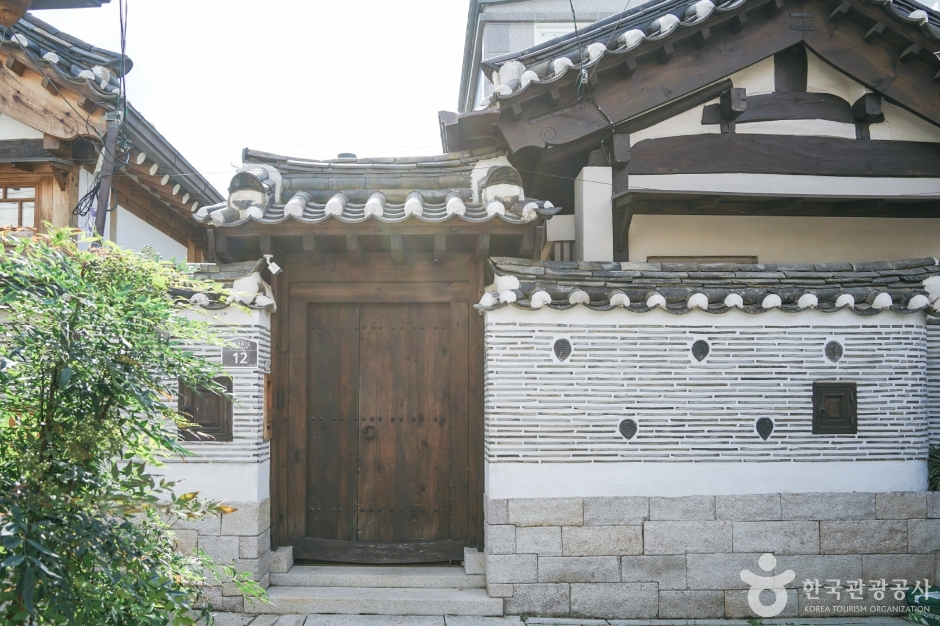
The area of Seochon features both traditional elements as well modern, showing the changes over time. A stay in one of the hanok houses here is the perfect way to feel this unique ambiance. Hanok Essay Seochon provides this experience, open to visitors of all ages.
 English
 한국어
한국어 日本語
日本語 中文(简体)
 Deutsch
 Français
 Español
 Русский


