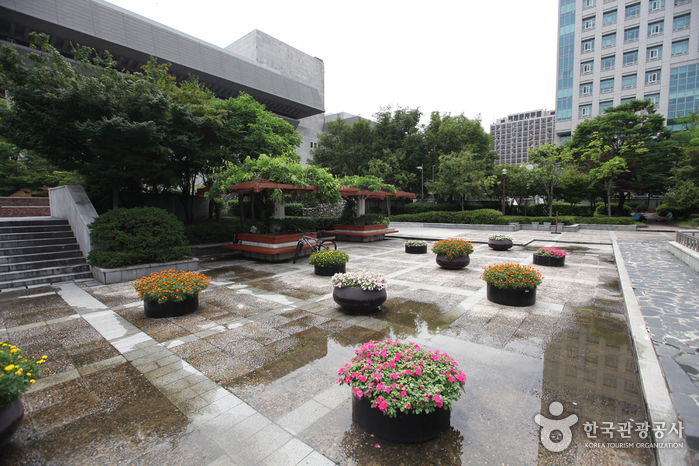
Sejong-ro Park (세종로공원)
4.9Km 2022-08-31
jiha 189, Sejong-daero, Jongno-gu, Seoul
Sejong-ro Park is located next to Sejong Center for the Performing Arts in central Seoul. Inside the park, there are wooden benches and shaded areas where people can sit and relax. Also available are water fountains, a round outdoor stage, and various sculptures. The lunch crowd from the nearby office buildings often come to the park during weekdays. On the weekends, the park is also used as a venue for outdoor weddings.
Seoul's anthem and the poem "Bulnori" by Ju Yo-han are written on a memorial stone that can be found inside the park.
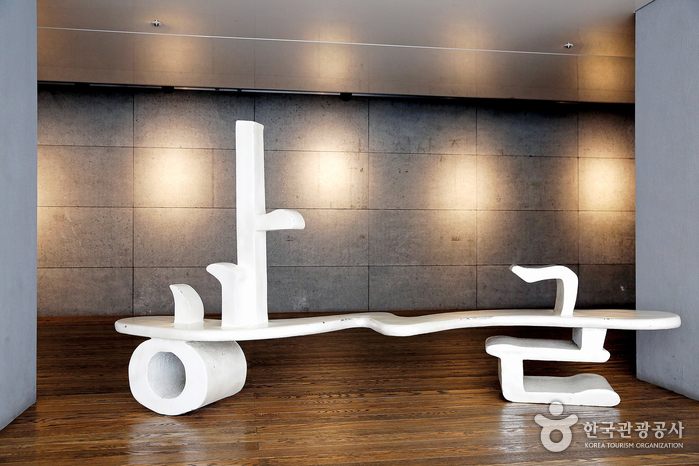
The Story of King Sejong (세종이야기)
5.0Km 2022-09-13
jiha 175, Sejong-daero, Jongno-gu, Seoul
The Story of King Sejong comprises six different sections with a total area of 3,200 square meters. The museum consists of exhibition zones, an event space, video room, shop and more to display King Sejong’s scientific, artistic, military, and political contributions, including the theory of Minbon, which recognized the people as the base of politics. King Sejong, the 4th king of the Joseon dynasty (1397-1450, reigning from 1418-1450) was responsible for some of the most brilliant achievements in the history of Korea, including the creation of Hangeul (Korean alphabet) and great advancements in the areas of science, culture, art and politics.
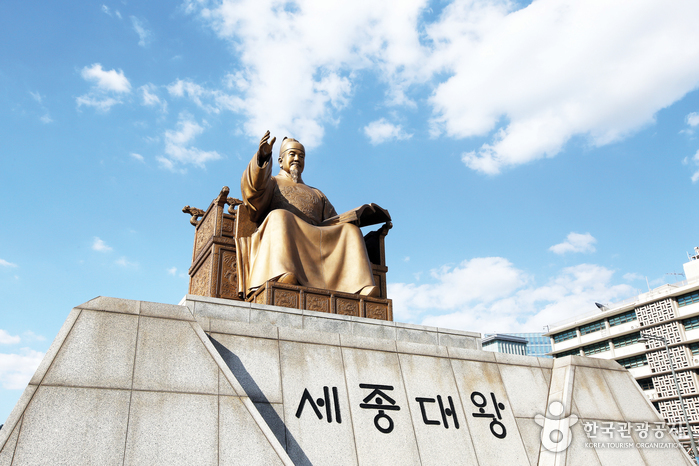
King Sejong Statue (세종대왕 동상)
5.0Km 2024-03-04
175, Sejong-daero, Jongno-gu, Seoul
King Sejong Statue can be found at Seoul’s Gwanghawmun Square. The statue commemorates King Sejong the Great (1397-1450, reign 1418-1450), the fourth king of Joseon (1392-1897). He is thought to be the greatest king in Korean history, for he is credited with great developments in science and technology, expansion of Joseon’s territory, and the creation of the Korean script, [Hangeul]. King Sejong’s likeness can be found on the 10,000 won bill as well.
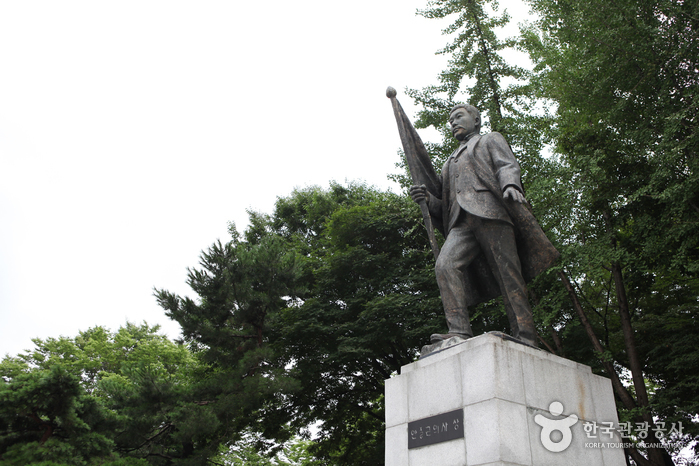
Ahn Junggeun Memorial Museum (안중근의사기념관)
5.0Km 2024-03-06
91, Sowol-ro, Jung-gu, Seoul
The Ahn Junggeun Memorial Museum honors the memory of Ahn Junggeun (1879-1910), an independence activist and soldier who advocated for Korean independence and peace in Asia. He fought against the Japanese to defend the Korean Empire (1897-1910). He was executed in 1910 for assassinating Hirobumi Ito, the Japanese who led the invasion of Korea in 1909, in Harbin, China.
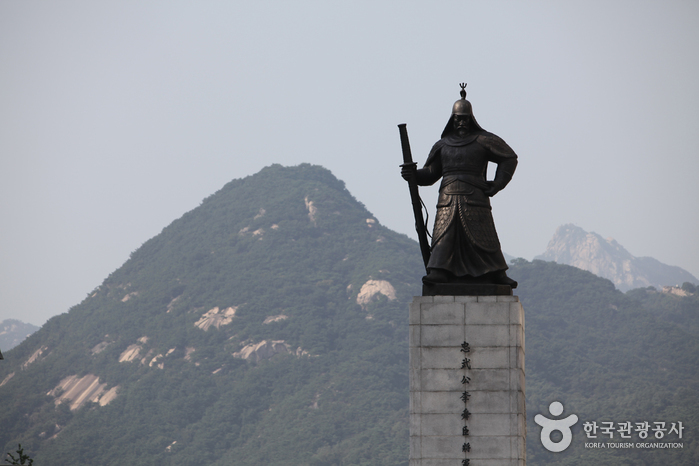
Statue of Admiral Yi Sun-Shin (충무공 이순신 동상)
5.0Km 2024-03-04
175, Sejong-daero, Jongno-gu, Seoul
The Statue of Admiral Yi Sun-Shin can be found at Gwanghwamun Square in Seoul. Admiral Yi Sun-shin (1545-1598) was a naval commander who served during the Japanese invasion of Korea (also known as Imjin War: 1592-1598). The undefeated admiral achieved 23 victories against the Japanese navy using innovative tactics, and he is thus considered as one of the greatest generals in the history of Korea. Admiral Yi’s likeness can be found on the 100 won coin.
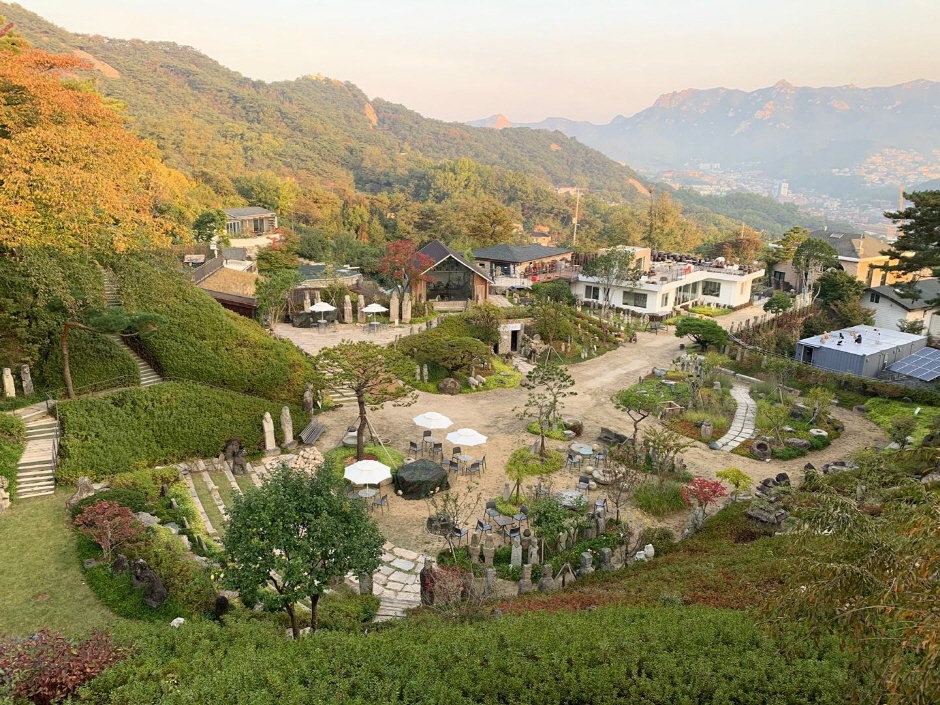
Mok In Museum Mok Seok Won (목인박물관 목석원)
5.0Km 2021-09-01
46-1, Changuimun-ro 5-gil, Jongno-gu, Seoul
Mok In Museum Mok Seok Won relocated in 2019 from Insa-dong to Buam-dong. Six exhibition halls offer visitors a look at wooden figures from around the world. Mokin refers to traditional wooden sculptures carved in shapes of human figures or various animals. The museum holds around 12,000 wooden folk sculptures including those used to decorate funeral carriages and temples mostly from the Joseon dynasty up to modern times. The museum also has an outdoor exhibition hall that harmonizes the sculptures with nature.
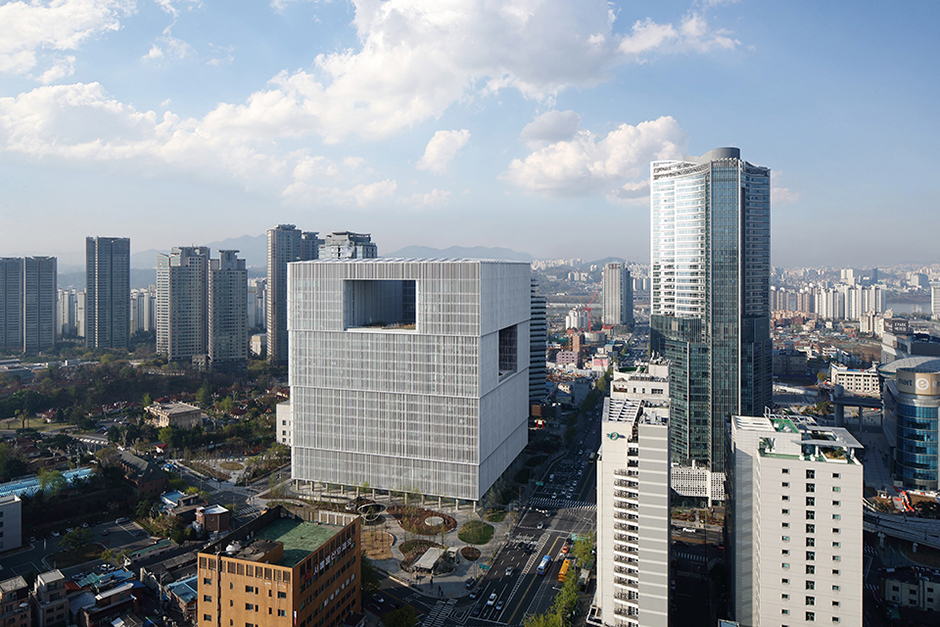
Amorepacific Museum of Art (아모레퍼시픽미술관)
5.0Km 2024-12-31
100 Hangang-daero, Yongsan-gu, Seoul
Amorepacific Museum of Art, located in Yongsan-gu, Seoul, was originally a museum exhibiting artworks collected by the late Seo Seong-hwan, the founder of Amorepacific, but later changed its name to Amorepacific Museum of Art, or APMA, in 2009 and has since been operating as an art exhibition hall. The mission upon its foundation was seeking to be "a space where beauty in the midst of daily lives is discovered" and communicating with the public. In accordance with this objective, the museum collects, researches, and exhibits Korean ancient art and both Korean and international contemporary art while, also, aiding researchers, scholars, and young artists. The underground exhibition hall hosts diverse exhibits encompassing ancient art, contemporary art, and Korean art. The 1st floor of the "Atrium," an enormous space that continues from the 1st to 3rd floors, features the museum lobby, a museum shop, an exhibition space called "APMA Cabinet" and apLAP, which is a library of art exhibition brochures from around the world. The art museum is located on the 1st floor of the new Amorepacific headquarters building, a famous work of architectural beauty of Yongsan designed after white porcelain.

Leaders Dermatology Clinic Myeongdong (리더스피부과의원 명동점)
5.0Km 2025-10-23
B1 Floor, 72 Toegye-ro (Hoehyeon-dong 1-ga, SK Leaders' View Namsan), Jung-gu, Seoul
Founded in 2001 by board-certified dermatologists from Seoul National University College of Medicine, Leaders Dermatology has grown into a trusted network of over 12 clinics across Korea and internationally, with a team of more than 20 dermatologists and 150 medical professionals.
Our doctors are actively involved in global academic circles delivering lectures at renowned conferences and seminars and are dedicated to raising the bar for dermatological care. With a systematic, patient-centered approach, our mission is to become the No.1 dermatology clinic in customer satisfaction through excellence in service and results.
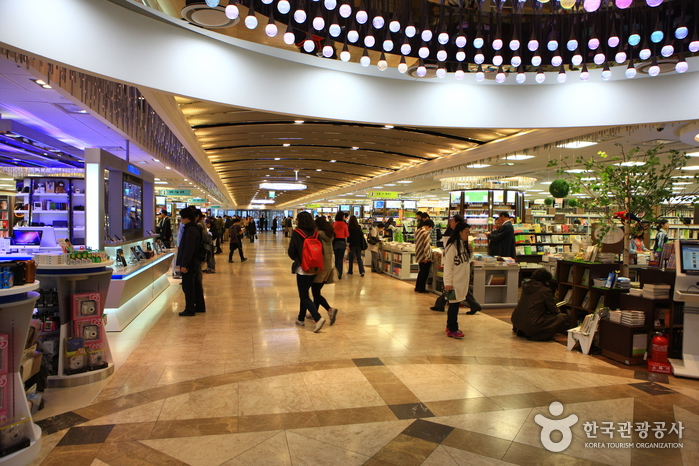
Kyobo Book Centre Gwanghwamun (교보문고)
5.0Km 2024-12-04
1 Jong-ro, Jongno-gu, Seoul
Kyobo Book Centre is the first large-scale bookstore in Korea, and this particular store can be found next to Gwanghwamun Square. Kyobo Book Centre Gwanghwamun divides its internal area into 11 sections and organizes them in a way that allows readers to find books easily. The store also has specialized shops for stationery, digital devices, and accessories, as well as exhibition spaces and cafés.
Bank of Korea Money Museum (화폐박물관)
5.0Km 2024-03-18
39 Namdaemun-ro, Jung-gu, Seoul
This Renaissance-style three-story stone building is the museum of the Bank of Korea. The older Bank of Korea was established as the central bank of the Korean Empire in 1909 and has been designated as a National Historical Site. During the Japanese colonial period, the bank was renamed the Bank of Joseon, and the building was used as the main and head office of the Bank of Korea until 2001. The building has been used as the nation’s Money Museum since June 2001 in celebration of the 50th anniversary of the Bank of Korea. The museum has 13 exhibition rooms on two floors, with one basement floor and two above-ground floors. It holds special exhibitions of various currency and art collections to provide domestic and foreign visitors with the opportunity to enjoy the history and culture of currency. Visitors can learn about the Bank of Korea and the central banking system, as well as how to identify counterfeit notes and how money is produced and circulated. It is also a good place for children to learn about currencies from around the world. Advance reservations are required, and parking is not available. The museum can easily be reached via subway by getting off at Hoehyeon Station (Seoul Subway Line 4) and exiting through Exit 7.
 English
 한국어
한국어 日本語
日本語 中文(简体)
 Deutsch
 Français
 Español
 Русский


