
Korea Medical Institute KMI Yeouido Clinic ((재)한국의학연구소 케이엠아이여의도의원)
3.6Km 2025-10-23
13F-15F & 17F-18F, 24 Gukjegeumyung-ro 2-gil, Yeongdeungpo-gu, Seoul
Korea Medical Institute (KMI), a leader in 'K-health checkups,' operates health checkup centers across eight locations nationwide, from Seoul to Jeju. KMI has been striving to prevent and detect diseases early. It has led the popularization of comprehensive medical examinations in Korea. Based on 39 years of accumulated data and expertise, KMI has enhanced its capabilities in health checkups, services, and brand value.
By utilizing its diagnostic data accumulated over the years, KMI provides accurate test results and follow-up care promptly.
KMI will stay committed to becoming a lifetime health management partner and 'K-health checkup' leader by leveraging its excellence in Korean medicine, beyond health checkups for foreign patients.
E-Land Cruise (Hangang River Ferry Cruise) (이랜드크루즈 (한강유람선))
3.6Km 2024-10-31
(Nodeulnaru Park), 290, Yeouidong-ro, Yeongdeungpo-gu, Seoul
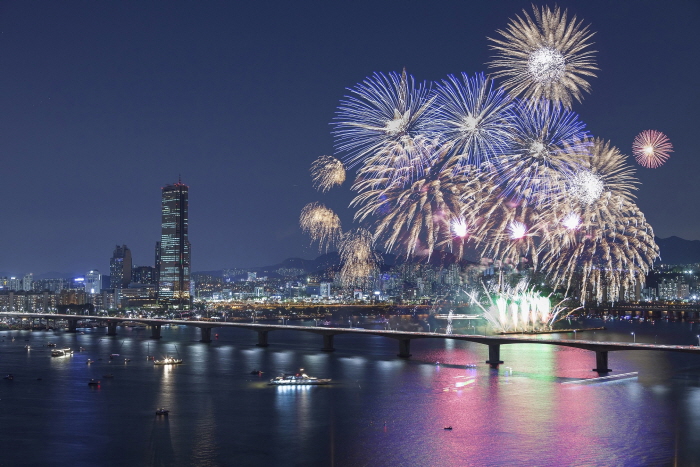
The E-Land Cruise cuts across the Hangang River along the east-west axis. It connects two terminals, one in Yeouido and the other in Jamsil. The company offers a number of different programs, such as the Han River Tour Cruise, a daytime cruise that takes one along the views of Hangang River, and the Moonlight Music Cruise, which offers a beautiful view of Seoul at night with jazz music. One can also enjoy buffet lunch and dinners on the ship.
Seoul Hyochang Park (서울 효창공원)
3.7Km 2024-07-09
177-18 Hyochangwon-ro, Yongsan-gu, Seoul
Hyochang Park covers 122,245 square meters spanning across Hyochang-dong and Cheongpa 2-dong. It is a historic landmark that once contained several royal tombs, and was known at that time as Hyochangwon. The cemeteries that were originally located in Hyochangwon belonged to Crown Prince Munhyo, King Jeongjo’s first son who died at the age of five; Royal Noble Consort Uibin of the Seong Clan, King Jeongjo’s royal concubine and Crown Prince Munhyo’s mother; Royal Noble Consort Sugui of the Park Clan, King Sunjo’s royal concubine; and her daughter Princess Yeongon. The royal tombs were moved to Seooreung Tombs in the waning months of the Japanese colonial period. The Japanese empire began the development of Hyochangwon into a park in 1924, and the Japanese governor-general officially assigned the site as a park in 1940.
Presently, several of Korea’s greatest leaders are buried in Hyochang Park. The remains mostly belong to independence activists including Yoon Bong-gil, Lee Bong-chang, and Baek Jeong-gi, whose graves are collectively known as Samuisa Tomb. A statue of Lee Bong-chang has been built in the graveyard. Among the other patriotic martyrs who are interred in the park are Kim Gu and some of the key figures of the provisional government such as Lee Dong-nyeong, Cha I-seok, and Cho Seong-hwan. An ancestral shrine named Uiyeolsa has been built along the main gate and holds the portraits of the deceased independence activists.
Haneul Park (하늘공원)
3.7Km 2024-11-28
95 Haneulgongwon-ro, Mapo-gu, Seoul
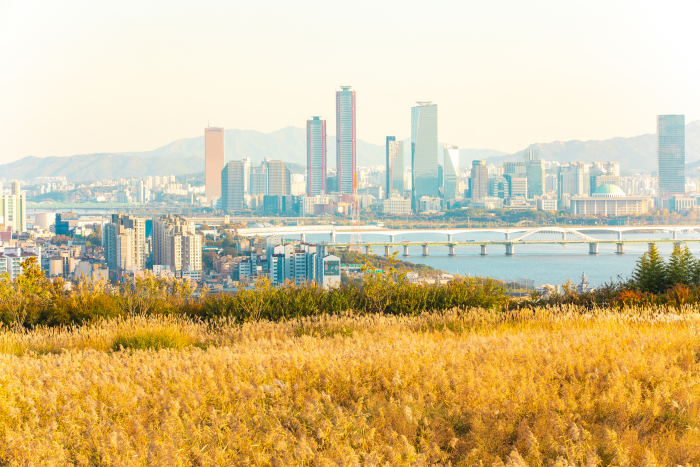
Haneul Park is one of five parks that make up World Cup Park, together with Peace Park, Nanjicheon Park, Nanji Hangang Park, and Noeul Park. It was established for the purpose of restoring the ecological environment so operates its facilities by using natural energy. It features a silver grass field, mixed grassland, rock garden, sunflower field, observatory rest area, and wind power generator. Among the various parts of the World Cup Park, it is located the closest to the sky and shows the transformation from a barren landfill restored to nature. In fall, silver grass forms a spectacle, and, here, visitors can get a clear, panoramic view of Seoul including Bukhansan Mountain and the Hangang River. It is also known as a place for beautiful sunsets and nightscapes.
e-Sports Hall of Fame (e스포츠 명예의 전당)
3.7Km 2025-11-17
31 Maebongsan-ro, Mapo-gu, Seoul
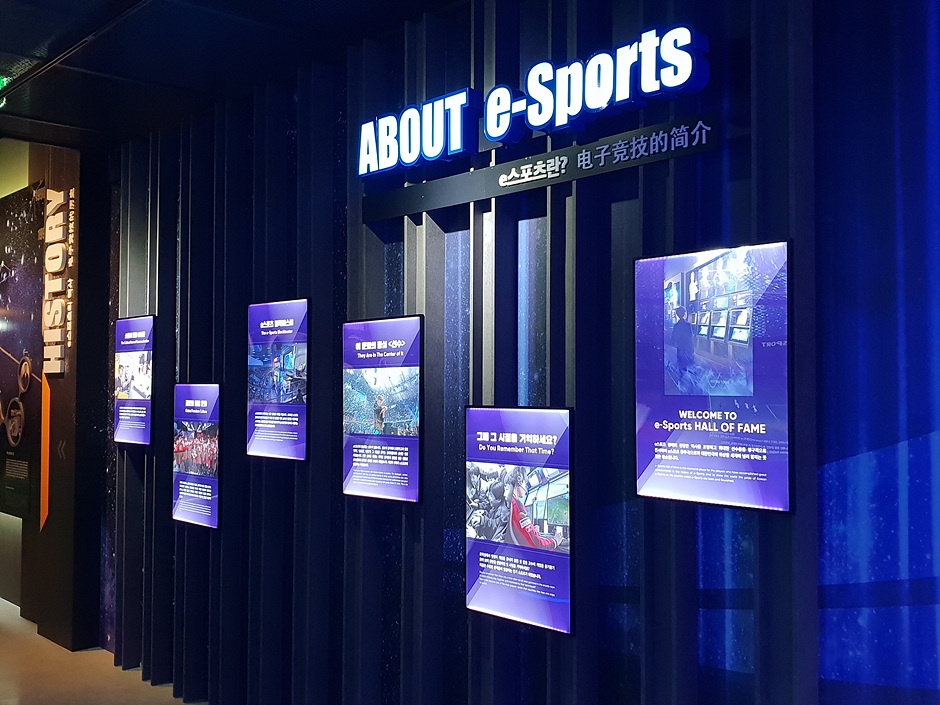
The e-Sports Hall of Fame is operated by the Ministry of Culture, Sports and Tourism and the Korea e-Sports Association to exhibit and honor the esports athletes who have made history for their amazing skills, making Korea synonymous with esports. Visitors can see the athletes' uniforms, gaming materials, trophies, and more, as well as try their hand at playing famous esports games firsthand.
Bamseom Island (Ecosystem Conservation Area) (밤섬 생태경관 보전지역)
3.8Km 2025-04-29
Yeouido-dong, Yeongdeungpo-gu, Seoul
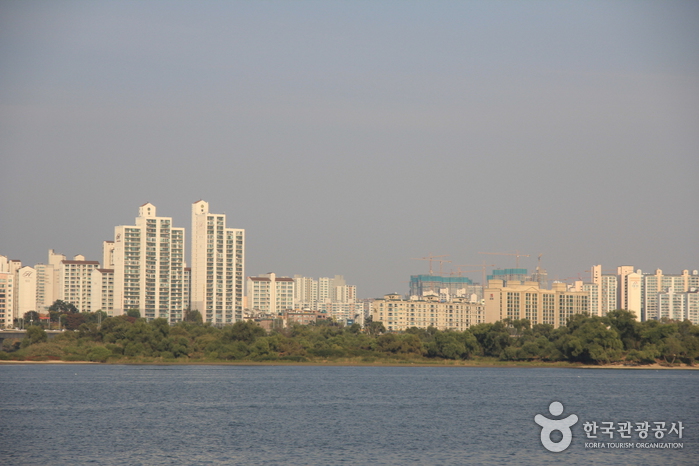
Located at the Hangang River, Bamseom Island derives its name from its chestnut-like shape (bam in Korean). The island was designated as an Ecosystem Conservation Area by the Seoul Metropolitan Government in 1999 and was later recognized as Ramsar Wetland in 2012. Now an uninhabited island, Bamseom Island was once home to around 443 people, who were relocated after the island was exploded as part of the Yeouido Development Project. Today, it is known as a habitat for numerous migratory birds and plant species. People can enjoy views of the Island from Bamseom Park.

Sangam-dong MBC New Headquarters Media Center (상암동MBC신사옥미디어센터)
3.9Km 2025-11-05
255 Seongam-ro, Mapo-gu, Seoul
Youth Clinic (유스의원)
3.9Km 2025-10-23
(4th Floor, Islex), 108 Uisadang-daero, Yeongdeungpo-gu, Seoul
Youth Clinic is a single-room dermatology practice that sees only 20 patients per day. We offer dermatology care, obesity care, and petit plastic surgery. We operate at two locations in Cheongdam and Yeouido. Our staff consist of family medicine and dermatology specialists providing high-quality medical services, and our flagship procedures include 5G Lifting, which is a non-surgical anti-wrinkle and lifting procedure, Youth Double Skinny lipolysis, which treats partial obesity without surgery, Youth Fill collagen filler, which increases skin elasticity and volume at the same time, and Atos laser treatment, which improves pores and skin elasticity. Our signature procedures have won the 2014 and 2016 Medical Korea Awards, No. 1 in 2015 and 2016 Consumer Satisfaction Index, and the 2014 Beauty Industry Award. We have trademarks registered for all procedures.
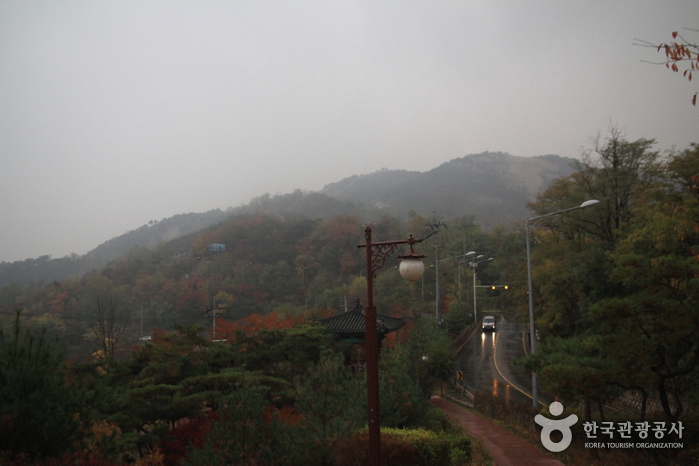
Inwangsan Mountain (인왕산)
4.0Km 2024-03-04
San 2-1, Muak-dong, Jongno-gu, Seoul
Inwangsan Mountain is a rocky mountain located to the northwestern side of Seoul. It stands 338m tall. The Seoul City Wall is built along its ridge, connecting to the Baegak Mountain Trail. From the summit, one can see the three mountains of Naksan Mountain, Namsan Mountain, and the Bugaksan Mountain surrounding the historical center of Hanyang, the historical name for Seoul in Joseon period, with the Gyeongbokgung Palace at the center. There are five hiking trails, all taking about two hours to complete. It takes about three hours if you want to visit all the peaks of the mountain.
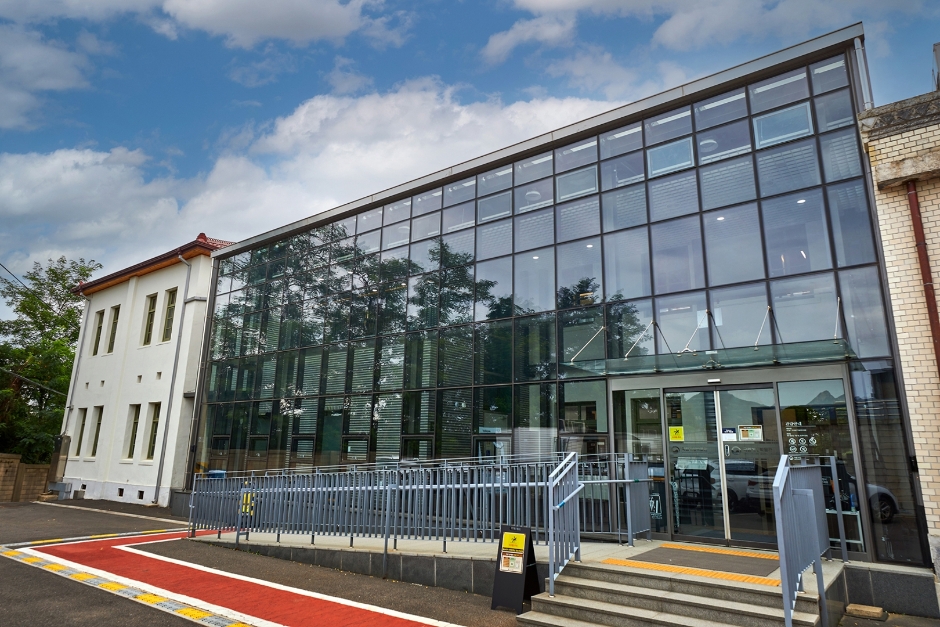
National Meteorological Museum of Korea (국립기상박물관)
4.0Km 2024-03-26
52 Songwol-gil, Jongno-gu, Seoul
A museum where one can look at Korea's meteorological observation history and technological development through exhibitions. The museum has the world's first rain gauge, invented in 1441, in the early Joseon dynasty. The museum operates approximately 350 meteorological observatories across Korea and focuses on promoting the uniqueness and excellence of Korea's meteorological science. There are permanent collections and special exhibitions. The permanent collections focus on the history of meteorological science in Korea. At the same time, the special exhibitions take a closer look at the history and information about meteorological science and natural disasters (e.g., earthquakes) that occurred in various regions of Korea. There are experience programs related to meteorological science, such as making a rain gauge or learning about rain gauges.
 English
 한국어
한국어 日本語
日本語 中文(简体)
 Deutsch
 Français
 Español
 Русский


