
Dream Plastic Surgery (드림성형외과)
9.0Km 2025-10-23
(2nd Floor, Seokyeong University Building), 848 Nonhyeon-ro, Gangnam-gu, Seoul
Since its opening in 1999, Dream Plastic Surgery has shared its treatment philosophy, future vision, and management mindset while giving high satisfaction to customers by providing advanced treatment services and developing a hospital culture. In addition, by building a hospital management network system, we make all efforts to lead the medical community in the 21st century by sharing treatment information, management knowledge, employee retraining, and service know-how. We have 8 plastic surgery specialists and 10 medical staff including resident anesthesiologists. With various technologies and know-how accumulated over 25 years, we have created beauty for many patients at home and abroad.
Cheonggyecheon Museum (청계천박물관)
9.0Km 2021-11-02
530, Cheonggyecheon-ro, Seongdong-gu, Seoul
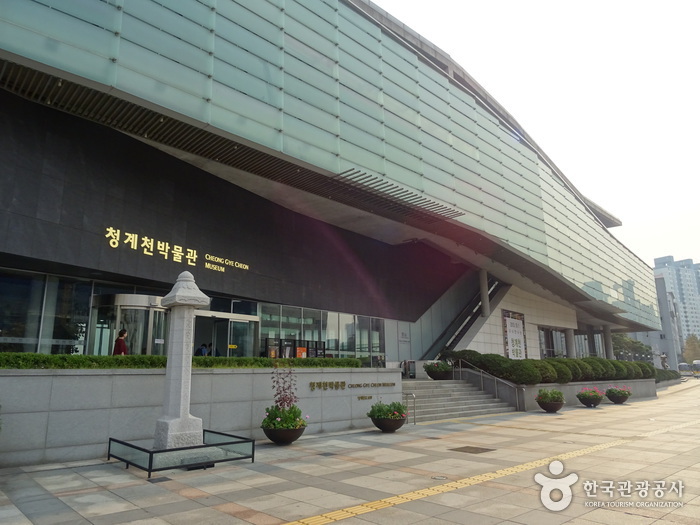
Cheonggyecheon Museum officially opened in October 2005. The museum’s long, glass exterior represents the flowing waters of Cheonggyecheon Stream, which runs through the heart of Seoul. The museum has a permanent exhibition hall, special exhibition hall, educational hall, and an auditorium. The museum contains visual representations of Seoul before and after the transition of Cheonggyecheon Stream. The permanent exhibition hall was remodeled in October 2015, and now offers even more ways to view the history of Seoul as shaped by Cheonggyecheon Stream.
Mosim (모심)
9.0Km 2025-05-20
8 Gaeunsa-gil, Seongbuk-gu, Seoul
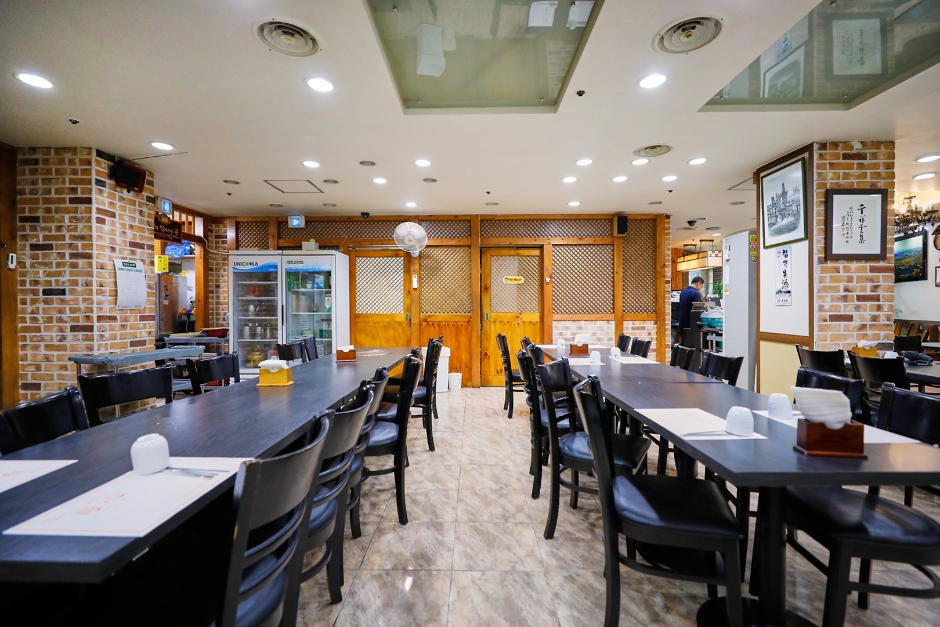
Mosim is a Korean table d’hote restaurant that offers a variety of menus to choose from depending on the kind of dishes and the number of side dishes. The set menu, which includes main dishes, such as hwangtae gui (grilled dried pollack) and galbitang (galbi soup), and side dishes, such as salad, japchae, and seasoned vegetables, is plentiful in amount and variety enough to fill the table. There are menu items that can be enjoyed individually, such as samgyetang, bibimbap, and yukgaejang (spicy beef soup). The restaurant’s menu comprises nutritious dishes that soothe one's tired mind and body. The restaurant has private rooms that can accommodate 4, 8, 12, 16, 20, 24, and 30 people, so it is a good option for guests seeking a quiet meal with the family or group gatherings.
Topface Plastic Surgery (탑페이스성형외과의원)
9.0Km 2025-10-23
(4th Floor, Apgujeong Building), 842 Nonhyeon-ro, Gangnam-gu, Seoul
Top Face Plastic Surgery is located at Exit 3 of Apgujeong Station and specializes in eyelid and nose revision surgeries as well as facelifts. The clinic’s medical team is committed to ensuring high safety and satisfaction with their extensive experience and expertise.
Top Face Plastic Surgery does not recommend unnecessary procedures and focuses on personalized surgeries tailored to individual needs rather than a one-size-fits-all approach. The clinic adheres to strict safety protocols and operates with various safety systems in place. All operating rooms are equipped with closed-circuit televisions, ensuring that every surgical procedure is recorded in real time, making the clinic transparent and free of shadow doctors or ghost surgeries.
The clinic is committed to achieving distinctive beauty through inner healing as its core philosophy.
Faceline Plastic Surgery (페이스라인 성형외과의원)
9.1Km 2025-10-23
(1st Floor, Wonbang Plaza), 838 Nonhyeon-ro, Gangnam-gu, Seoul
Faceline Plastic Surgery has operated with an accident-free record for 20 years, adhering to the motto "A place where I and my family can safely undergo plastic surgery".
The medical team at Faceline Plastic Surgery includes Dr. Lee Tae-Hee and Dr. Lee Jin-Su, both alumni of Seoul National University College of Medicine, alongside Dr. Lee Shin-Jeong, a graduate of Seoul National University School of Dentistry. They have been working together since the clinic's establishment in Apgujeong in 2005. They regularly present their accumulated clinical experience and expertise at international conferences and have showcased numerous surgical cases through various makeover programs.
Clients of Faceline Plastic Surgery demonstrate unwavering trust over the years, returning for additional procedures. For instance, a client who underwent facial contouring surgery may return for a face lift after 10 years, or a child of a patient who had double jaw surgery might seek similar treatment 20 years later. Similarly, a parent of a patient who had ophthalmoplasty might return for upper blepharoplasty surgery.
In this manner, Faceline Plastic Surgery maintains long-term relationships based on client trust and satisfaction, continuously providing high-quality medical services. The clinic guarantees optimal results based on its extensive experience and skills accumulated over the years.
Montmartre Park (몽마르뜨공원)
9.1Km 2024-03-20
59 Banpo-daero 37-gil, Seocho-gu, Seoul
Montmartre Park, situated above Seorae Village, earns its name due to the significant number of French residents in the vicinity. This small park exudes an atmosphere of art and romance, fitting its namesake. Adorned with poems and sculptures contributed by French poets and artists, the park also features busts depicting renowned figures like Vincent Van Gogh, Paul Gauguin, and Pablo Picasso. Towards the park's conclusion, Nue Bridge connects it to the Seoripul Neighborhood Park.
Evita Clinic (에비타흉부외과의원)
9.1Km 2025-10-23
(5th Floor, Burda Moon Building), 815 Nonhyeon-ro, Gangnam-gu, Seoul
In 2009, Evita Clinic launched healthcare services combining cosmetic procedures and surgeries with traditional thoracic surgery.
With the number of English-speaking patients gradually increasing, all staff members have come to speak English as a common language. We are evolving into a multinational clinic committed to raising awareness of Korea's advanced medical technology across the world.
Our director is a board-certified cardiothoracic expert with extensive experience of treating heart, vascular, and pulmonary diseases, thoracic deformities, and other severe illnesses at a university hospital. Building on the experience, His private practice, established in 2008, combines more than a decade of experience in dexterously suturing micro vessels with cosmetic and reconstructive surgery, perfecting his skills even further.
Mine Plastic Surgery (마인성형외과의원)
9.1Km 2025-10-23
(3rd-6th Floors, Yeongseok Building), 813 Nonhyeon-ro, Gangnam-gu, Seoul
MINE Plastic Surgery is an integrated beauty medical center comprising plastic surgery, dermatology, and cosmetic treatments. It features cutting-edge medical facilities equivalent to the level of university and offers personalized patient care.
For international patients, it provides interpretation and airport pickup and send-off services. The facility is equipped with exclusive VIP consultation and operating rooms. Our dedicated medical staff oversees all aspects of care, from consultation and surgery to hospitalization and postoperative management.
Also, we have observation rooms where, with prior consent, guardians of patients can monitor the surgical process. This ensures that the procedure is performed by the designated surgeon, preventing concerns about any substitution of the performing physician, contributing to achieving a safe and satisfactory outcome.
Jingwansaggyegok Valley (진관사 계곡)
9.1Km 2024-02-20
73 Jingwan-gil, Eunpyeong-gu, Seoul
Jingwansaggyegok Valley is a 1km-long stream located within the Bukhansan National Park, with clear water always flowing. Surrounded by deep forests, it offers refreshing shade and clean air. The valley features various shaped rocks and waterfalls, creating a beautiful scenery. In particular, it's a great spot for water activities with the cool shade and refreshing stream during the summer, and the autumn leaves make it stunning in the fall. Its accessibility from downtown Seoul adds to its appeal.
![Jingwansa Temple (Seoul) [진관사(서울)]](http://tong.visitkorea.or.kr/cms/resource/33/3429433_image2_1.JPG)
Jingwansa Temple (Seoul) [진관사(서울)]
9.2Km 2025-06-30
73 Jingwan-gil, Eunpyeong-gu, Seoul
Jingwansa Temple is one of the four Buddhist temples that surround Seoul. It was known as the center of Buddhism and academics. Jingwansa Temple is home to a variety of buildings, such as Daeungjeon Hall, Myeongbujeon Hall, and Nahanjeon Hall, all surrounded by the beautiful nature of Bukhansan Mountain. In fact, the temple complex is a popular fall destination for its fall colors. Visitors can also visit the nearby Eunpyeong Hanok Village.
 English
 한국어
한국어 日本語
日本語 中文(简体)
 Deutsch
 Français
 Español
 Русский


