Bongwonsa Temple (봉원사)
2.4Km 2023-03-13
120, Bongwonsa-gil, Seodaemun-gu, Seoul
+82-2-392-3007
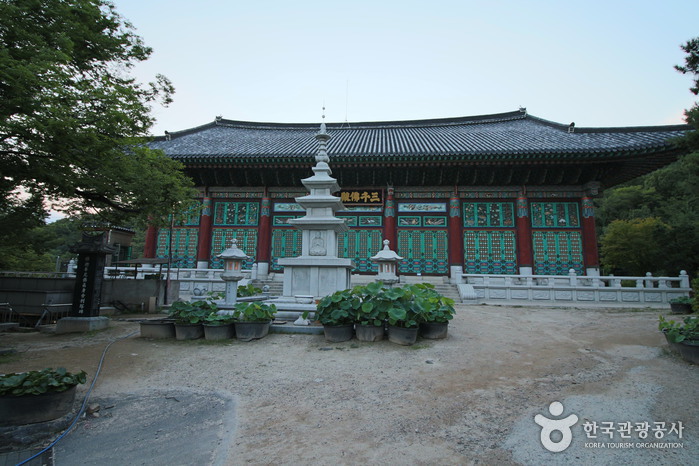
Located on the outskirts of Ansan Mountain in Bongwon-dong, Seodaemun-gu, Seoul, Bongwonsa Temple, as the center of Korean Buddhism Taego, is a thousand-year-old temple with a long history and tradition. In 889 (3rd year of Shilla Queen Jinseong’s reign), Monk Doseon founded it at the ground of Yeonhui Palace (now Yonsei Univ.) and named it Banyasa temple. It was destroyed during the Imjin War in 1592, and later in 1748 (the 24th year of Joseon King Yeongjo’s reign), it was rebuilt and renamed “Bongwonsa” by two Buddhist monks, Chanjeup and Jeungam.
“Yeongsanjae,” one of the Buddhist rituals and also a National Intangible Cultural Property, takes place at Bongwonsa on June 6 every year wishing for world peace and the reunification of North and South Korea. It was designated as one of the Intangible Cultural Heritage of Humanity by UNESCO in 2009. During Yeongsanjae, visitors can enjoy the Buddhist arts such as Beompae (Buddhist temple music for rituals) and dancing. Also, during summertime, Seoul Lotus Flower Culture Festival takes place, where visitors can enjoy the beautiful lotus flowers which are a symbol of Buddhism.
Korean Martyrs' Museum (한국천주교순교자박물관)
2.4Km 2023-01-03
6, Tojeong-ro, Mapo-gu, Seoul
+82-2-3142-4434
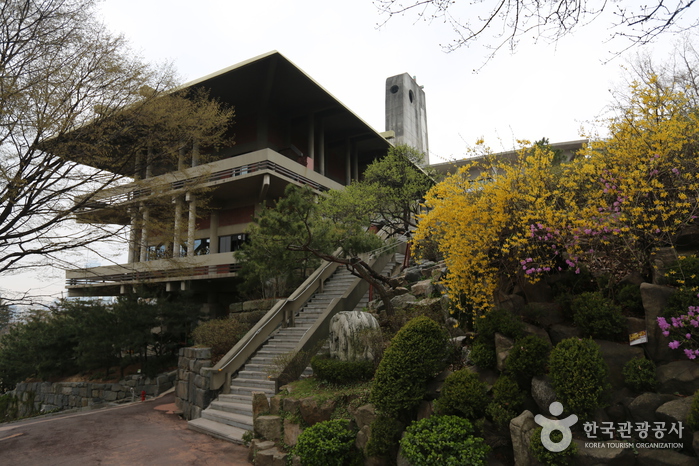
Korean Martyrs’ Museum was opened in October of 1967 as Jeoldusan Martyrs' Shrine, in memory of the Catholic martyrs who lost their lives during the Byeongin Persecution of 1866. The name of the museum changed to the current Korean Martyrs' Museum in August 2008. The museum displays artifacts and materials in exhibitions related to the Catholic Bishops' Conference of Korea.
Jeoldusan Martyrs' Shrine (절두산순교성지)
2.4Km 2024-03-12
6 Tojeong-ro, Mapo-gu, Seoul
+82-2-3142-4434
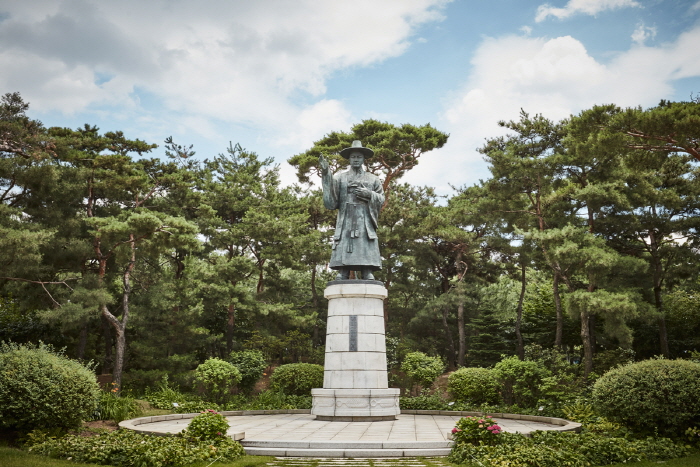
Jeoldusan Martyrs' Shrine is the site where many Catholic believers were executed in 1866 due to persecution. In commemoration of the 100th anniversary of the martyrdom, the Korean Catholic Church opened the Memorial Hall in October 1967, exhibiting materials, relics, and souvenirs related to the Korean Catholic Church and operating a museum. Pope Johannes Paulus II visited the site in 1984, and Mother Teresa visited in 1985.

Youngone Corporation [Tax Refund Shop] (주식회사 영원무역)
2.5Km 2024-04-19
159, Mallijae-ro, Jung-gu, Seoul
-
Jeong’s Family (정스패밀리)
2.5Km 2025-03-15
16 , Hyochangwon-ro 8-gil, Yongsan-gu, Seoul
+82-10-6332-2043
Jeong's Family is a foreigner-only guesthouse in Hanseong Han River Apartments in Yongsan-gu, Seoul. The apartment building is in a quiet residential area and has a fine view over the Han River and the riverside Hangang Park - which is a great place for walking or cycling. The two rooms are furnished with laptop PCs. Guests will recieve a welcome drink when they check-in, and a simple breakfast and dinner are provided upon prior reservation. The guesthouse is close to the airport bus stop, and convenient for public transport to tourist hotspots such as Gangnam, Hongdae, and Myeong-dong. There’s a key deposit system in operation.
Seoul Hyochang Park (서울 효창공원)
2.6Km 2024-07-09
177-18 Hyochangwon-ro, Yongsan-gu, Seoul
+82-2-2199-7608
Hyochang Park covers 122,245 square meters spanning across Hyochang-dong and Cheongpa 2-dong. It is a historic landmark that once contained several royal tombs, and was known at that time as Hyochangwon. The cemeteries that were originally located in Hyochangwon belonged to Crown Prince Munhyo, King Jeongjo’s first son who died at the age of five; Royal Noble Consort Uibin of the Seong Clan, King Jeongjo’s royal concubine and Crown Prince Munhyo’s mother; Royal Noble Consort Sugui of the Park Clan, King Sunjo’s royal concubine; and her daughter Princess Yeongon. The royal tombs were moved to Seooreung Tombs in the waning months of the Japanese colonial period. The Japanese empire began the development of Hyochangwon into a park in 1924, and the Japanese governor-general officially assigned the site as a park in 1940.
Presently, several of Korea’s greatest leaders are buried in Hyochang Park. The remains mostly belong to independence activists including Yoon Bong-gil, Lee Bong-chang, and Baek Jeong-gi, whose graves are collectively known as Samuisa Tomb. A statue of Lee Bong-chang has been built in the graveyard. Among the other patriotic martyrs who are interred in the park are Kim Gu and some of the key figures of the provisional government such as Lee Dong-nyeong, Cha I-seok, and Cho Seong-hwan. An ancestral shrine named Uiyeolsa has been built along the main gate and holds the portraits of the deceased independence activists.
![Hwachang Co., Ltd. - Seoul Branch [Tax Refund Shop] (화창토산 서울)](http://tong.visitkorea.or.kr/cms/resource/71/2889071_image2_1.jpg)
Hwachang Co., Ltd. - Seoul Branch [Tax Refund Shop] (화창토산 서울)
2.6Km 2024-04-18
212, Yeonhui-ro, Seodaemun-gu, Seoul
-
Seoul Cruise (서울크루즈)
2.6Km 2025-12-04
231 Yeouidohanganggongwon-gil, Yeongdeungpo-gu, Seoul
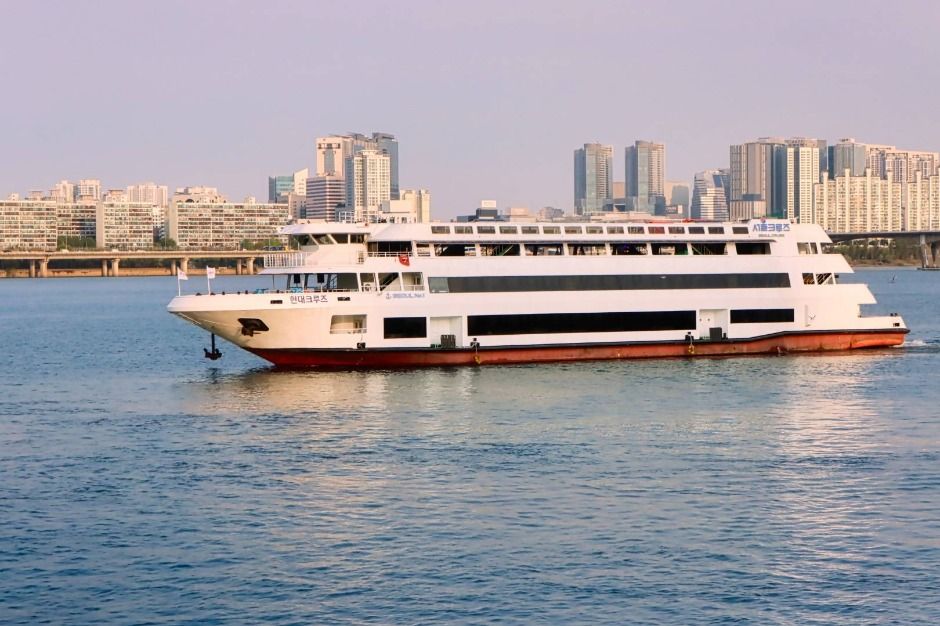
Hyundai Cruise Line, Korea's first marine tourism cruise operator, was founded in 1983 and renamed Seoul Cruise after building a new terminal in Yeouido. With Yeouido Ferry Terminal as its base, Seoul Cruise is the only passenger cruise operator that can travel from the Hangang River to the West Sea, passing through the Ara West Sea Lock. The company currently operates from two terminals: Yeouido Ferry Terminal and Ara Gimpo Terminal. In addition to offering tours that showcase the scenic beauty of the Hangang River, Seoul Cruise also provides other options, such as the Dinner Fireworks Cruise, which lets passengers enjoy a fireworks show along the Ara Waterway in Gimpo.
WENERD Corp. (주식회사 위너드)
2.6Km 2025-10-23
#201, Saul Building, 21 Seongmisan-ro 1-gil, Mapo-gu, Seoul
Wenerd provides a total care solution through “Wenerd Care”, combining premium wellness tourism with health check-ups to comprehensively manage clients’ health and beauty.
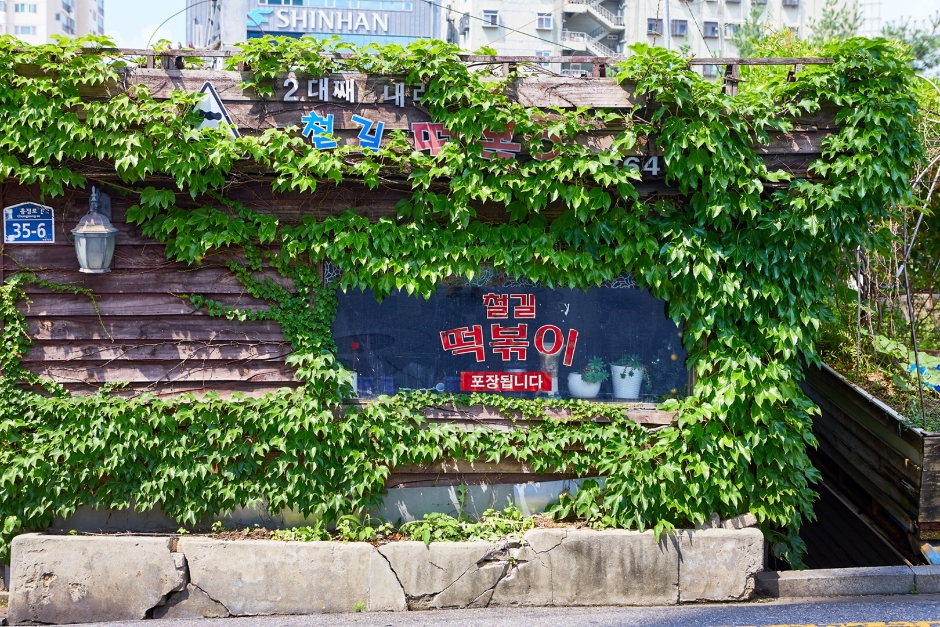
Cheolgil Tteokbokki (철길떡볶이)
2.7Km 2024-03-18
35-6 Chungjeong-ro, Seodaemun-gu, Seoul
Cheolgil Tteokbokki is a famous pilgrimage site for tteokbokki lovers. As the name suggests, it is located next to the railroad (“cheolgil” in Korean) near Chungjeongno Station. There is a wide variety of Korean dishes available, from tteokbokki that will bring back childhood memories to gimbap, deep-fried dishes, and sundae. As the name suggests, it is located next to the railroad near Chungjeongno Station. The restaurant has been in operation for two generations while maintaining its original appearance. The old signboard and exterior have a nostalgic feeling. Unlike tteokbokki in soup, which is currently popular, this tteokbokki with chewy rice cakes is coated well with thick spicy sauce. It's very delicious when mixed with the restaurant’s deep-fried foods. Visitors are recommended to take the seat outdoors to enjoy the view of the railroad tracks while eating.
 English
 한국어
한국어 日本語
日本語 中文(简体)
 Deutsch
 Français
 Español
 Русский


