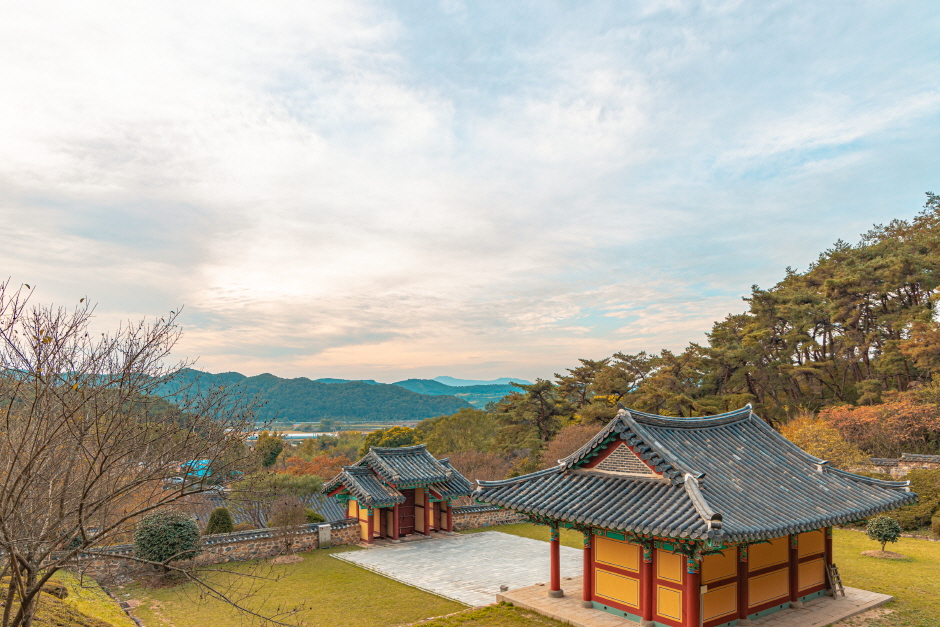
Wolbongseowon Confucian Academy (월봉서원)
18.3Km 2021-07-06
133, Gwanggok-gil, Gwangsan-gu, Gwangju
+82-62-960-8253
Wolbongseowon Confucian Academy, built in 1578, was established by Kim Gyehwi and other confucian scholars to honor Ki Daeseung's study and virtue through Mangcheonsa Shrine. The location of the academy was moved to its current site in 1646, and the name Wolbong was given by King Hyojong in 1654. In 1671, Bak Sang and Bak Sun's shrines were moved from Deoksansa Shrine by the suggestion of Song Siyeol. Also, Kim Jangsaeng and Kim Jip's shrines were additionally placed in 1673. Unfortunately, the confucian academy was abolished due to the abolition policy of Daewongun in 1868. Later, Bingwoldang Hall was built by Jeollanam-do's Confucian scholars in 1938, followed by Gojiksa Shrine in 1972, Jangpangak Pavilion and Oesammun Gate in 1978, Sau in 1980 and Naesammun Gate in 1981. Bingwoldang is designated as Gwangju Monument No. 9 and woodblocks of Gobongjip are preserved in Jangpangak Pavilion.
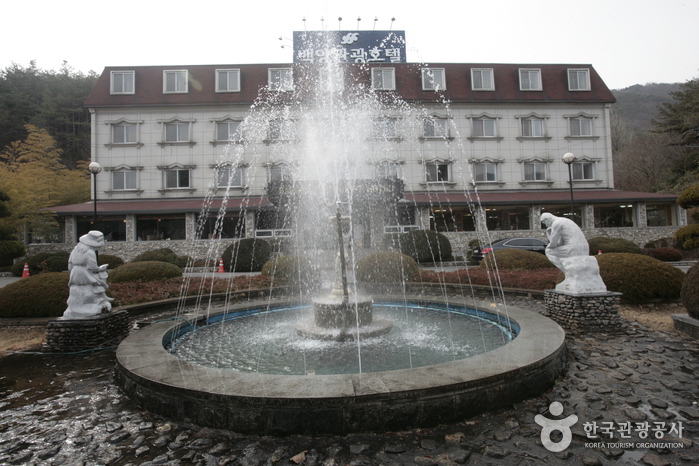
Baegyang Tourist Hotel (백양관광호텔)
18.5Km 2025-01-07
941, Baegyang-ro, Jangseong-gun, Jeollanam-do
+82-61-392-2114
Baegyang Tourist Hotel is located next to Baegyangsa Temple at the foothills of Naejangsan Mountain. The rooms offer beautiful views of nature all year round, with some rooms showing the magnificent mountain while others showing a bird's-eye-view of the hotel's garden. The hotel is perfect for family vacations and business trips.
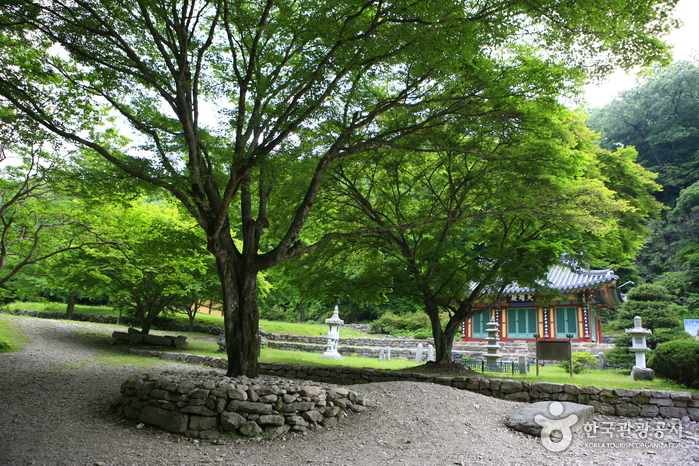
Sunchang Gangcheonsa Temple (강천사 (순창))
18.6Km 2024-04-07
270, Gangcheonsan-gil, Sunchang-gun, Jeonbuk-do
+82-63-652-5420
Located approximately 1.8 kilometers from the entrance of Gangcheonsan County Park, Gangcheonsa Temple was built by Monk Doseon during the first year of Queen Jinseong of Silla (AD 887). In the third year of King Chungsuk of Goryeo (1316), the temple saw the addition of a five-story stone pagoda, built by Monk Deokhyeon. At its peak, the temple was said to have had 12 hermitages and housed 1,000 monks. It was burned down during the Imjin War (1592-1598), leaving only the pagoda, but was rebuilt a few years later by Monk Soyo during the 37th year of King Seonjo (1604). Unfortunately, the temple was burned down again in the Korean War, but was once again restored to its original state in 1959.
Cultural assets found at the temple include Stone Guardian Post of Chungsin-ri & Namgye-ri, Sunchang Guesthouse, and the Three-story Stone Pagoda of Sunhwa-ri. Nearby tourist attractions include Geumseongsanseong Fortress, Yongsopokpo Falls, Gangcheonho Lake, Damyangho Lake, Chuwolsan Mountain, Huimunsan Mountain, and Naejangsan National Park.
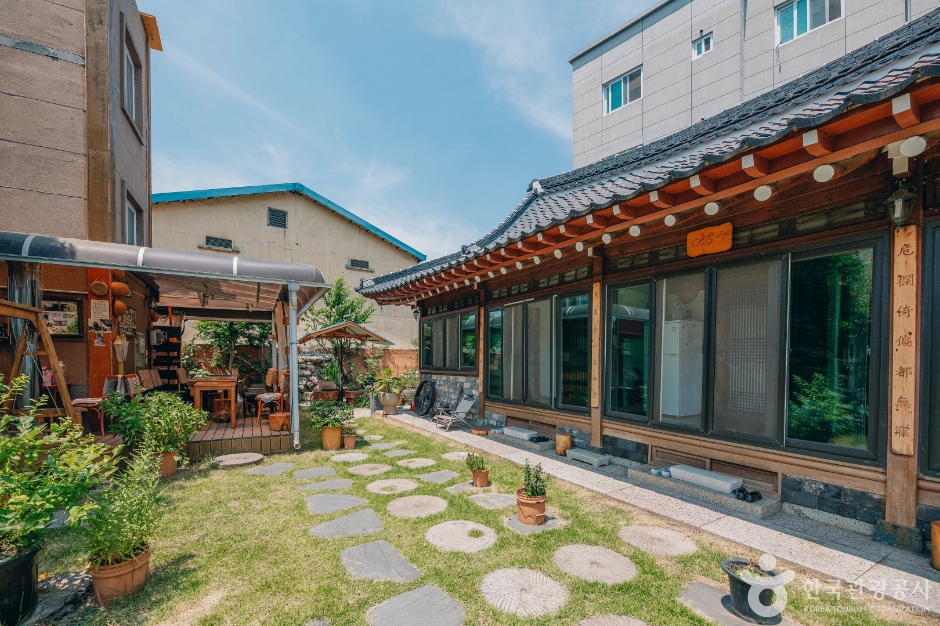
Dasomchae (다솜채)
18.6Km 2024-12-22
27 , Naesang-ro 51beon-gil, Gwangsan-gu, Gwangju
+82-70-8830-7700
Dasomchae in Songjeong-dong, Gwangju, Jeollanam-do, is a guesthouse in an 80-year-old hanok with a spacious yard. All rooms have red clay walls and natural cotton bedding is provided. The yard contains many elegant locust, plum,and other fruit trees, and summertime brings the lovely sight of trumpet creepers winding round the chimney. The location is convenient for transport as it’s only a 10-minute drive to Gwangju Songjeong Station.

Sunchang Jangnyu Experience Center (순창장류체험관)
18.8Km 2024-04-07
55, Minsokmaeul-gil, Sunchang-gun, Jeonbuk-do
+82-63-650-5432
Located in front of the Traditional Gochujang Folk Village in Sunchang, Jeollabuk-do, Sunchang Jangnyu Experience Center offers visitors the opportunity to sample and make delicious dishes using Sunchang's famous gochujang (red pepper paste). Visitors can make refined gochujang using traditional methods, along with a variety of other popular dishes such as injeolmi (rice cake coated with powdered soybeans) and twibap (popped rice snack). In addition to a range of experience programs, clean accommodation facilities are also available for program participants.
Gwangju Songjeong-dong Tteokgalbi Street (광주 송정동 떡갈비 골목)
18.8Km 2025-08-12
Gwangsan-ro 29beon-gil, Gwangsan-gu, Gwangju
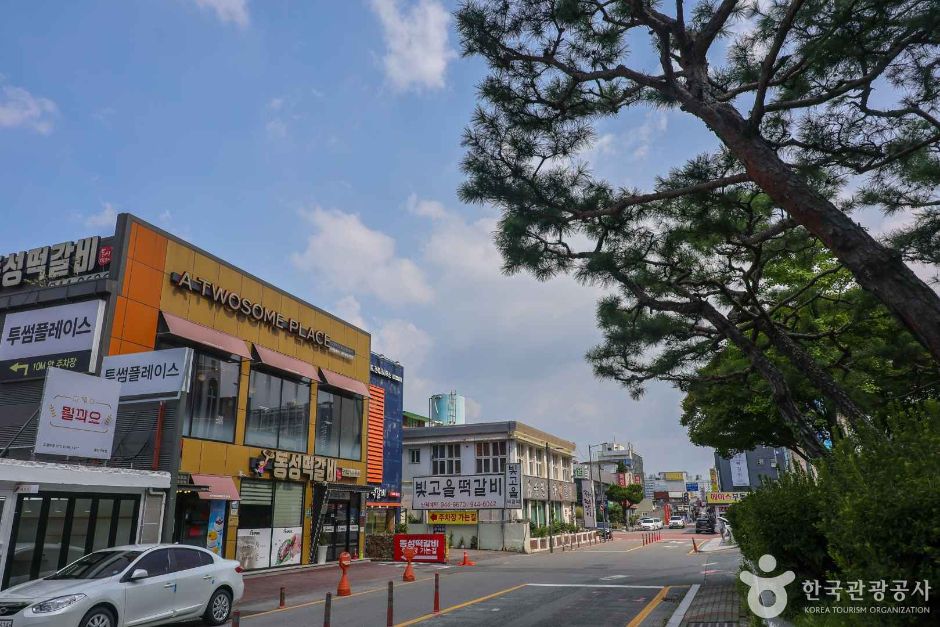
Tteokgalbi Street in Gwangju Songjeong-dong is lined with around 20 restaurants specalizing in tteokgalbi (grilled galbi patties). The area is a popular place to eat for locals and tourists alike, with many people visiting both during the week and the weekend. The tteokgalbi here stands out from tteokgalbi found in other regions in a few ways. Most places use 100% beef in the patties, but Songjeong-dong tteokgalbi uses a mix of beef and pork. This change was made in the 90s in order to keep the prices the same during a tough financial season. The restaurants here also serve a bone broth soup with the meal, made from boiling pork bones with kelp and radish for over a long period of time.
Donggok Museum of Art (동곡미술관)
18.8Km 2024-12-17
37 Eodeung-daero 529beon-gil, Gwangsan-gu, Gwangju
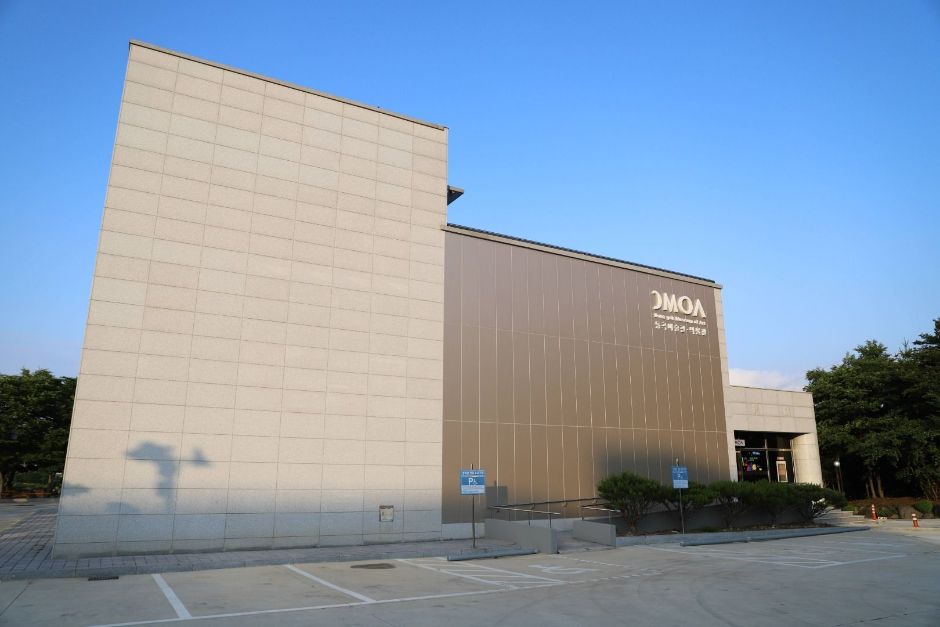
Donggok Museum of Art, opened in December 2020, a two-story building has exhibition halls, educational rooms, a sculpture park and more. There are rest areas to relax after enjoying arts, as well as spaces for visitors to find their creativity.
MADRID Business Hotel Gwnagju (유)한성 마드리드 광주호텔)
18.9Km 2024-12-22
11 , Gwangsan-ro 19beon-gil, Gwangsan-gu, Gwangju
+82-62-941-0500
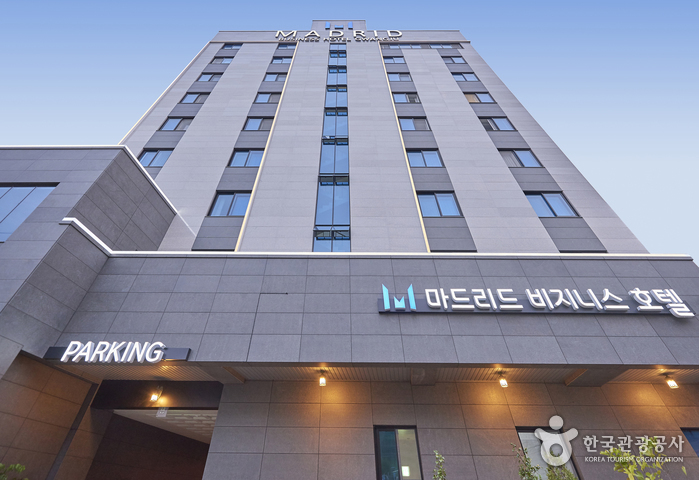
The Madrid Hotel in Gwangju, Jeollanam-do, is right across from KTX Gwangju Songjeong Station, and not far from Gwangju Airport, giving excellent transport access. Nearby tourist destinations include the Sangmu shopping and business district, Kimdaejung Convention Center, Songjeong Tteokgalbi Street, and the 1913 Songjeong Station Market. It is also easy to move to Pyeongdong Industrial Complex, Sochon Industrial Complex, Naju Innovation City, etc. The hotel was used as the headquarters hotel for the 2019 World Aquatics Championships, and received good reviews for its neat and clean facilities and friendly service.
Sunchang Gochujang Village (순창고추장민속마을)
18.9Km 2024-04-15
9 Baegya-gil, Sunchang-eup, Sunchang-gun, Jeonbuk-do
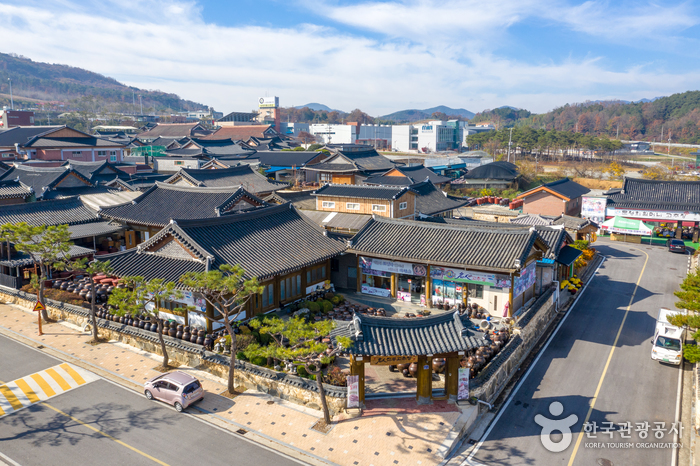
Sunchang Gochujang Village is home to expert gochujang (Korean chili paste) crafters using the traditional methods. Visitors can learn how to make gochujang and enjoy dishes using it, such as tteokbokki (rice cakes cooked with gochujang) and wild vegetables bibimbap. The village is fully equipped with accommodations, restaurants, seminar rooms, and other facilities, providing perfect conditions for a variety of hands-on experiences.
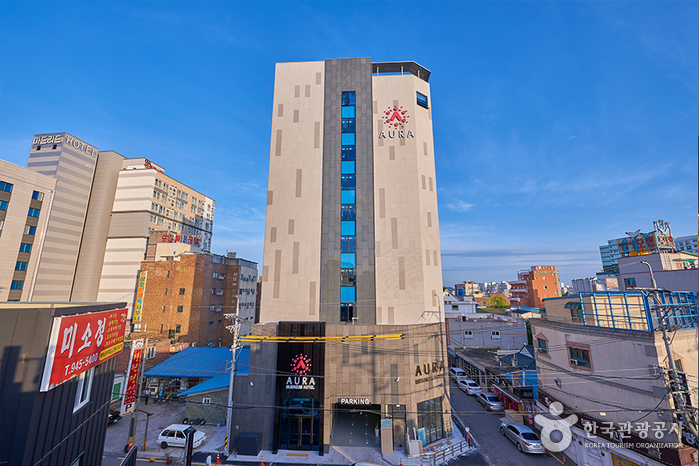
Gwangju Aura Hotel (광주 아우라 비즈니스 호텔)
19.0Km 2024-12-22
28 , Songjeong-ro 1beon-gil, Gwangsan-gu, Gwangju
+82-62-942-0060~0061
The Aura Hotel in Gwangju, Jeollanam-do, is a business hotel directly opposite KTX Songjeong Station, which offers clean and comfortable rooms with spacious bathrooms and an elegant atmosphere. Transport connections are good, with Gwangju Airport and Gwangju 2nd Ring Road just 10 minutes away, Must-visit Gwangju sights Songjeong Tteokgalbi Street, 1913 Songjeong Old Market, and Songjeong 5-Day Market are also nearby.
 English
 한국어
한국어 日本語
日本語 中文(简体)
 Deutsch
 Français
 Español
 Русский


