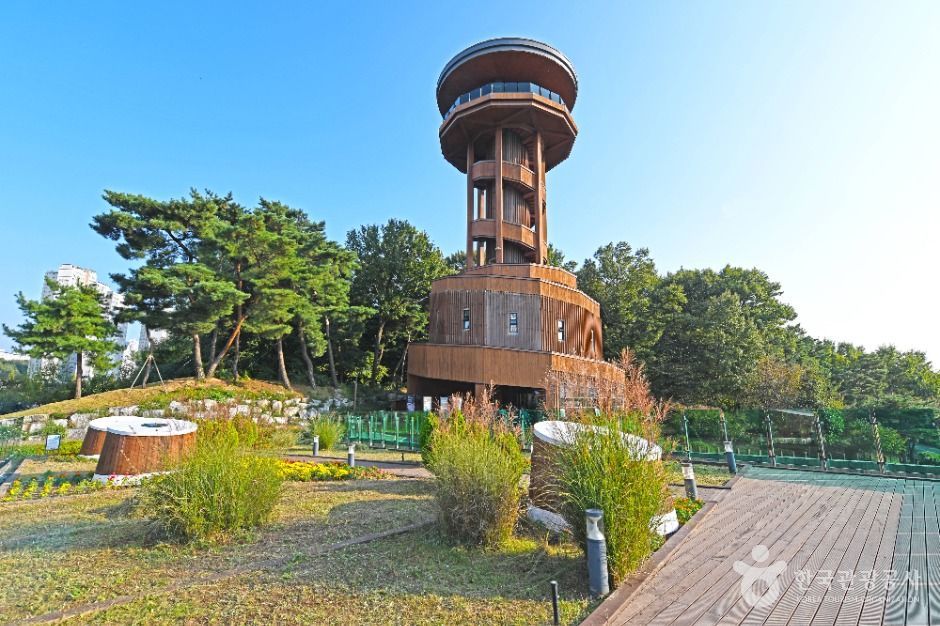
Gwanggyo Freiburg Observatory (광교 프라이부르크전망대)
10.8Km 2025-05-21
127 Gwanggyohosu-ro, Yeongtong-gu, Suwon-si, Gyeonggi-do
The Freiburg Observatory in Gwanggyo Lake Park is inspired by the observatory in Freiburg, an eco-city in Germany, and represents Suwon’s commitment to becoming an eco-conscious city. The observatory offers a stunning view of the lakes nearby.
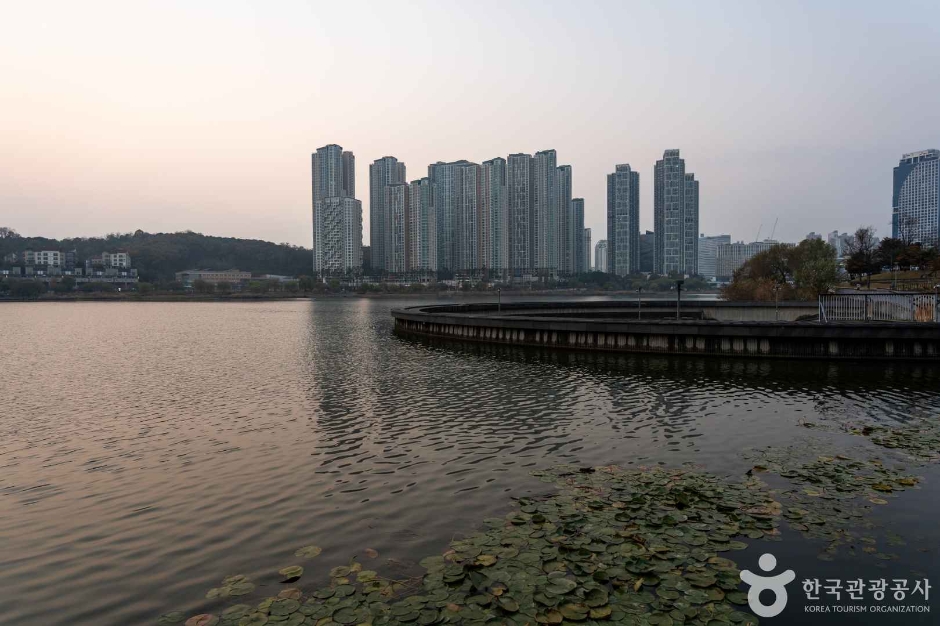
Gwanggyo Lake Park (광교호수공원)
11.1Km 2025-05-22
165 Gwanggyohosu-ro, Yeongtong-gu, Suwon-si, Gyeonggi-do
Gwanggyo Lake Park is the largest lake park in the city center of Korea. The park is designed to blend the scenic nature of Gwanggyosan Mountain and the nearby reservoirs with urban culture. It consists of urban levees and 6 different themed "dumbeong," the Korean term for a pool of water.
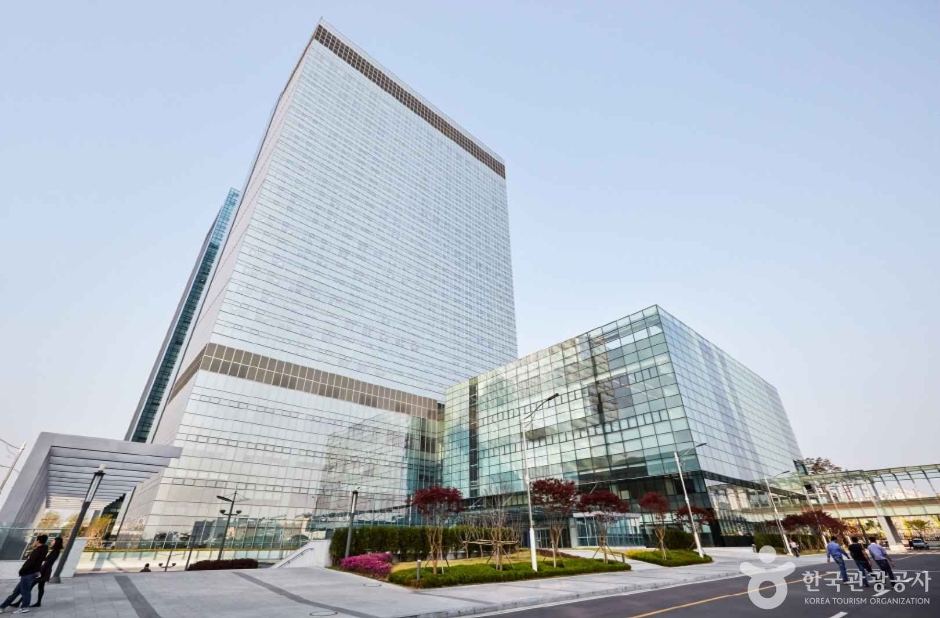
Samsung Innovation Museum (삼성 이노베이션 뮤지엄)
11.1Km 2024-10-31
129 Samsung-ro, Yeongtong-gu, Suwon-si, Gyeonggi-do
Samsung Innovation Museum is an electronic industrial museum run by Samsung, a major global company based in Korea. The museum mainly consists of three sections. Visitors can learn about the history of Korea's electronic industry, as well as the past, present and future of the semiconductor, display and mobile industries, where Samsung made great achievements. The museum also runs an education facility called Children's Display Research Institute.

Korea University Ansan Hospital (고려대학교 의과대학 부속 안산병원)
11.1Km 2025-10-23
123 Jeokgeum-ro, Danwon-gu, Ansan-si, Gyeonggi-do
We provide the highest quality medical services with world-class medical staff and state-of-the-art equipment, always putting ourselves in the patients’ shoes as a patient-centered hospital.
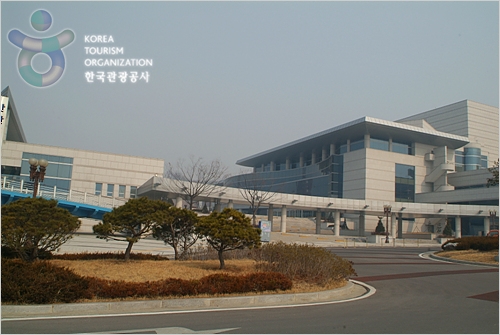
Ansan Arts Center (안산문화예술의전당)
11.4Km 2021-07-08
312, Hwarang-ro, Danwon-gu, Ansan-si, Gyeonggi-do
The Ansan Arts Center officially opened on October 2, 2004, following its success at the Ansan Yeormio Festival and Harmony Festival. The center boasts state-of-the-art stage facilities capable of holding any type of production orchestrated by Korean and international theater directors.
Hwaseong Yungneung and Geolleung Royal Tombs (화성 융릉과 건릉)
11.6Km 2024-03-06
21, Hyohaeng-ro 481beon-gil, Hwaseong-si, Gyeonggi-do
Yungneung and Geolleung Royal Tombs refer to a pair of royal tombs. The complex also contains the History Center. Yungneung houses the remains of King Jangjo (1735-1762; also known as Crown Prince Sado) and Queen Heongyeong (1735-1816; Lady Hyegyeong of the Pungsan Hong clan), while Geolleung houses the remains of King Jeongjo (1752-1800), King Jangjo’s son, and Queen Hyoui (1753-1821). King Jeongjo is said to have expressed his wish to be buried here to stay close to his father.

Gojong’s Garden Mulwang Reservoir Main Branch (고종의정원 물왕저수지본점)
11.9Km 2025-12-16
12 Sanhyeonmaeul-gil, Siheung-si, Gyeonggi-do
Located in Gyeonggi-do, Gojong’s Garden is known for its specialty pork cutlet, which is prepared by the owner every day. The signature menu includes a tender hamburger steak and pork cutlet served with sprouts, adding a crunchy texture. In addition, the ricotta cheese salad and cream soup use seasonal vegetables and fruits, especially locally grown lotus roots. The restaurant is located in front of Mulwang Lake, making it perfect for a stroll after lunch.
Hwaseong Yongjusa Temple (용주사(화성))
12.0Km 2021-12-21
136, Yongju-ro, Hwaseong-si, Gyeonggi-do
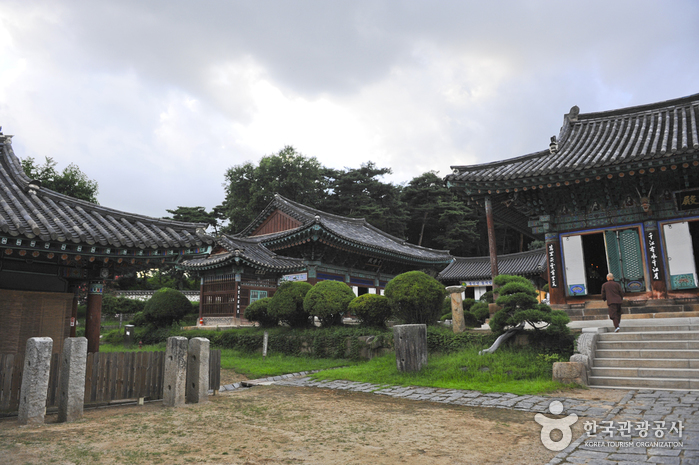
Yongjusa Temple is located near Yungneung and Geolleung Royal Tombs. This site was originally the location of Garyangsa Temple, which was constructed in 854, during the 16th year of King Munseong of the Silla Kingdom. The temple was very famous as it was surrounded by beautiful mountains and crystal clear waters. However, the temple was destroyed by fire during the Manchu War of 1636.
During the Joseon dynasty, King Jeongjo moved the tomb of his father to this spot, and built Yongjusa Temple here to pray for the repose of his father’s soul. It is said that one night before the temple was completed, King Jeongjo dreamt of a dragon ascending to the sky holding a magic ball in its mouth. He therefore named the temple “Yongjusa,” which means the temple of a dragon with a magic ball in Korean.
The courtyard of the temple contains the Bronze Bell of Yongjusa Temple, a National Treasure; a stone pagoda; Daeungbojeon (the main hall); and Cheonboru Pavilion. Visitors to Yongjusa Temple can also find the “Bumoeunjunggyeong” books, which were written by King Jeongjo on the subject of filial affection and respect for one’s parents. These days, Yongjusa Temple and the Yungneung and Geolleung Royal Tombs are highly valued for their cultural heritage.
Yeongheung Arboretum (영흥수목원)
12.3Km 2025-02-04
435 Yeongtong-ro, Yeongtong-gu, Suwon-si, Gyeonggi-do
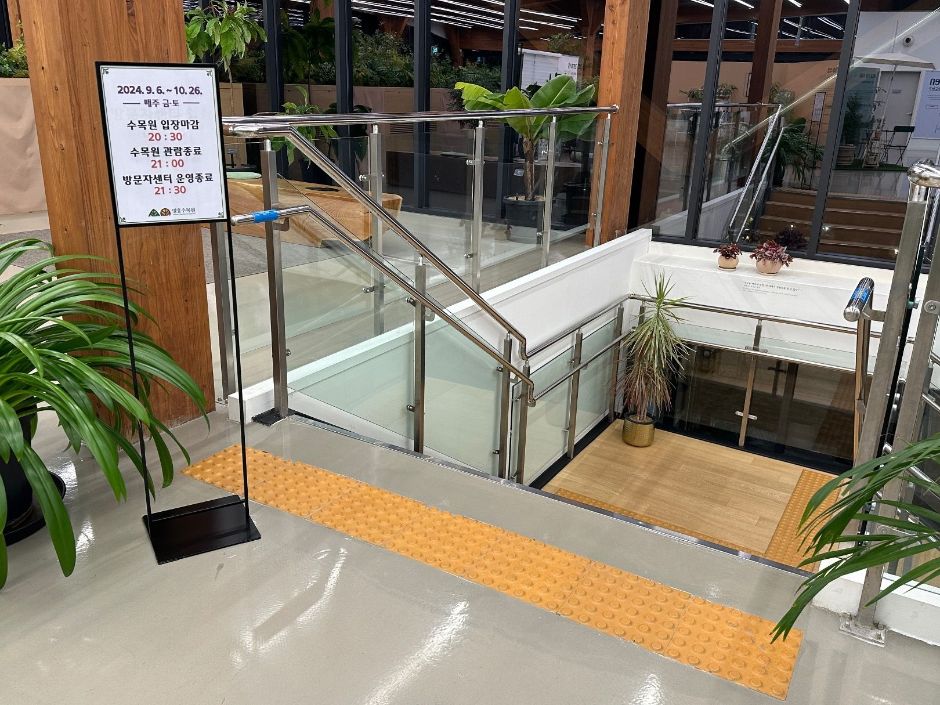
Yeongheung Arboretum boasts a flower and wildflower exhibition garden, a display forest, an ecological forest, and Yeongheung Forest Park. Its iconic greenhouse showcases a diverse collection of unique and exotic plants. The visitor center, offering a comprehensive view of the arboretum, features various exhibitions, educational programs, a gift shop, and a café.
Anyang Art Park (안양예술공원)
12.3Km 2025-10-23
7 Yesulgongwon-ro 131beon-gil, Manan-gu, Anyang-si, Gyeonggi-do
Anyang Art Park, formerly known as Anyang Recreational Park, is an easily accessible, well-maintained cultural space. It has been revitalized with updated features such as artificial waterfalls, an outdoor stage, a plaza, walking paths, and enhanced lighting facilities. The park promotes art projects by displaying 50 artworks from renowned Korean and international artists throughout various locations. Nearby, visitors can explore additional local attractions including hiking trails through dense forests, traditional temples such as Anyangsa Temple and Yeomburam Hermitage, the treasure-designated Flagpole Supports at Jungchosa Temple Site, and the Kimchungup Architecture Museum, all of which contribute to a rich area experience.
 English
 한국어
한국어 日本語
日本語 中文(简体)
 Deutsch
 Français
 Español
 Русский


