Naksan Park (낙산공원)
6.5Km 2025-12-16
41 Naksan-gil, Jongno-gu, Seoul
+82-2-743-7985
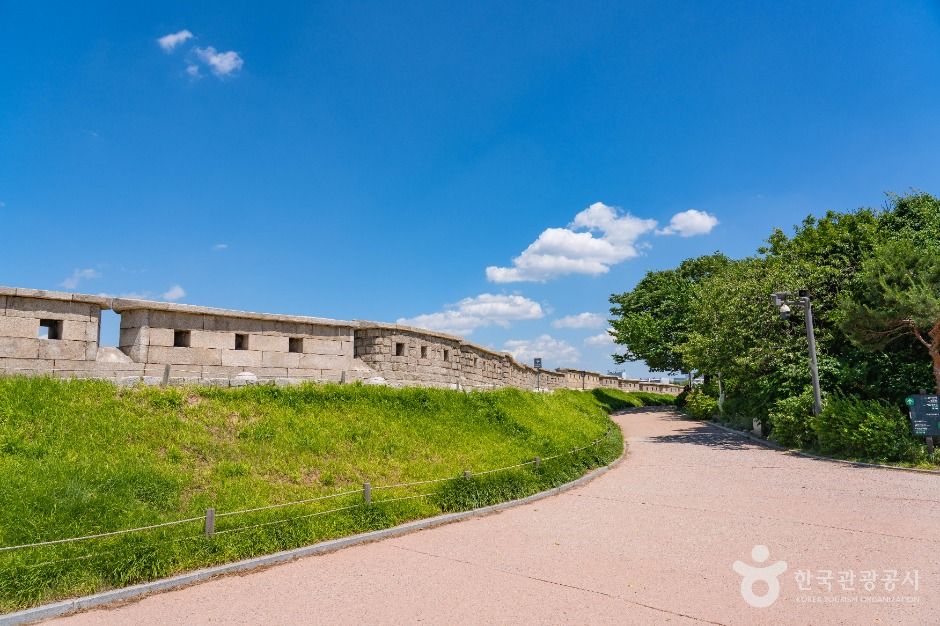
Naksan Mountain (alt. 125 meters) is one of the four inner mountains of Seoul, and can be accessed by following the road leading to the mountain entrance from Daehangno and Dongdaemun. It was also called Naktasan Mountain, which can be translated to Camel Mountain, because the terrain resembled a camel's back. It also had another name, Taraksan Mountain, “tarak” meaning fermented milk, because there was a royal ranch in the area that supplied milk to the palace. After the 1960s, the original appearance of Naksan Mountain disappeared due to apartments and dense housing, and the Seoul Metropolitan Government established a restoration plan. As part of this plan, a park project was carried out, and it opened Naksan Park in July 2002. Currently, Naksan Park has established itself as a resting place for citizens to feel the beautiful atmosphere of Hanyangdoseong, or the Seoul City Wall, and green forests. It has gained much popularity as a place for seeing the most beautiful night view in Seoul.
◎ Travel Information to Discover Hallyu’s Charm - Netflix Series "KPop Demon Hunters (2025)"
The fortress walls at Naksan Park served as the backdrop for Rumi and Jinu’s conversation in the Netflix series "KPop Demon Hunters." The view of the walls and the cityscape beyond adds to the unique atmosphere of the show, and visiting Naksan Park in person offers an expansive and memorable view of Seoul’s city center.
Korea Art Festival (대한민국 미술축제)
6.5Km 2025-07-31
57 Daehak-ro, Jongno-gu, Seoul
+82-70-7575-0980
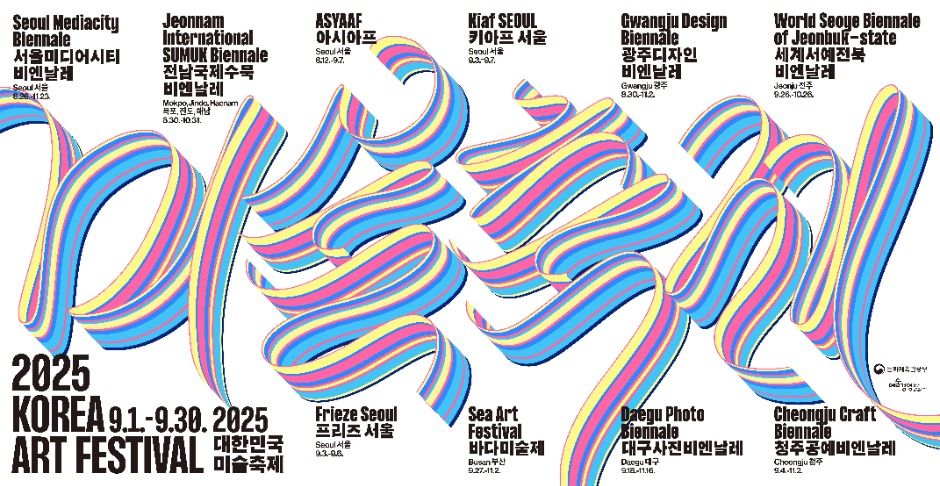
Korea Art Festival is the nation's largest art festival that connects the 12 major art fairs and biennales taking place nationwide. The 2025 festival takes place in September, inviting visitors to enjoy the world of art.
Deoksugung Palace Royal Guard Changing Ceremony (덕수궁 왕궁수문장교대의식)
6.5Km 2025-07-11
99, Sejong-daero, Jung-gu, Seoul
• 1330 Travel Hotline: +82-2-1330 (Korean, English, Japanese, Chinese) • For more info: +82-2-737-6444
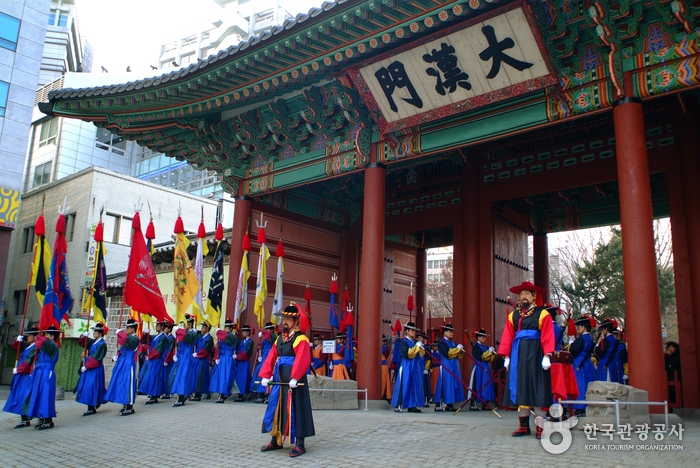
Deoksugung Palace has held a guard changing ceremony since 1996 after thorough historical research by leading historians. The ceremony, which is held in front of Daehanmun Gate of Deoksugung Palace, is a tradition similar to the Changing of the Guards at Buckingham Palace and offers a rare opportunity to experience royal culture. The royal gate is opened and closed at pre-determined times, and the gatekeepers in charge of guard duty and patrols hold a shift ceremony three times a day.
The Royal Guard Changing Ceremony is a highly recommended event for tourists. It is held three times a day, with each ceremony following the same procedure and lasts for forty minutes to an hour, and the ceremony is free of charge. There are no ceremonies on Mondays as well as on severely cold or hot days.
As the ceremony begins, the changing of the guards commences replete with traditional musical instruments, and exchanges a password for verification. An eight-minute guard ceremony ensues, followed by a seven-minute change ceremony, and finally a patrol that completes the ceremony. The procedure takes a dramatic turn when 18 guards in six official positions beat a drum and bellow some orders.
The Royal Guard Changing Ceremony is a great opportunity to experience a rare traditional scene. The guards’ splendid costumes, with their brilliant primary colors, are a pleasure to view. Once the ceremony is over, visitors can take pictures with the gatekeepers.
Jogui Hansu (족의한수)
6.5Km 2024-10-15
93-1, Supyo-ro, Jongno-gu, Seoul
+82-2-2261-0310
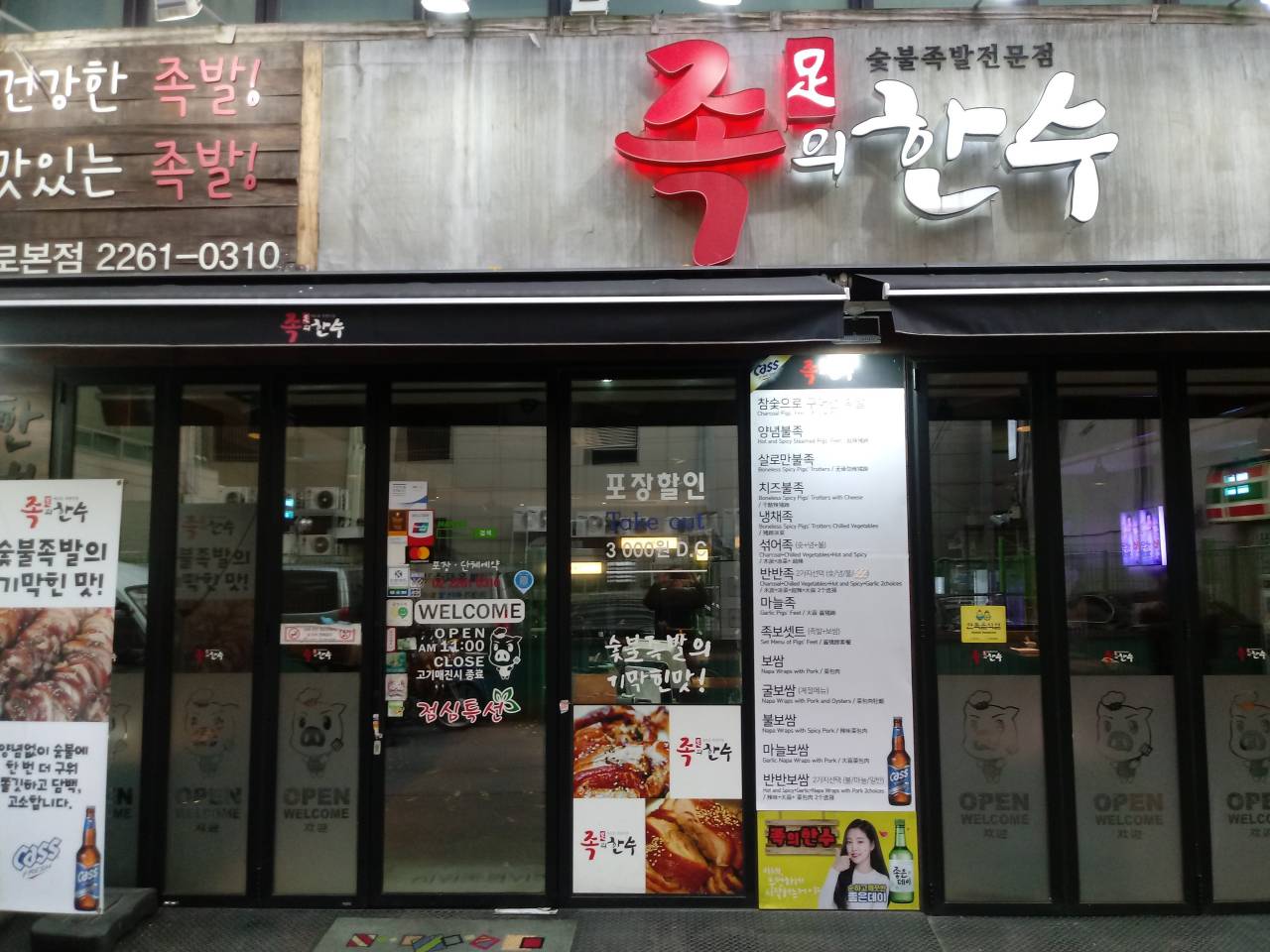
A pig's trotter(s) specialty restaurant located in Jongno, Seoul. This restaurant's signature menu is braised pigs' feet. A restaurant serving both charcoal-grilled jokbal (pig's trotter) and spicy jokbal.
Deoksugung Palace's Daehanmun Gate (덕수궁 대한문)
6.5Km 2025-01-13
99 Sejong-daero, Jung-gu, Seoul
+82-2-771-9951
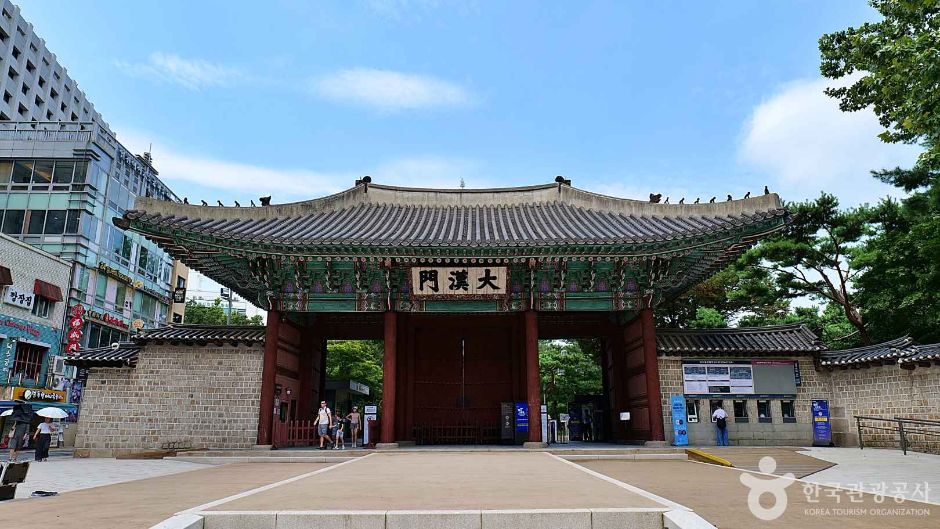
Located near City Hall station, Daehanmun Gate is the main gate of Deoksugung Palace, one of the princiapl five palaces of Joseon dynasty. The name "Daehan" means wish for eternal prosperity of the Korean Empire. In front of the gate, the Palace Royal Guard Changing Ceremony is held twice daily, along with the reproduction of costumes and style throughout the year.
Jeongdong Culture Night (정동야행)
6.5Km 2025-05-20
99 Sejong-daero, Jung-gu, Seoul
+82-2-3396-4625
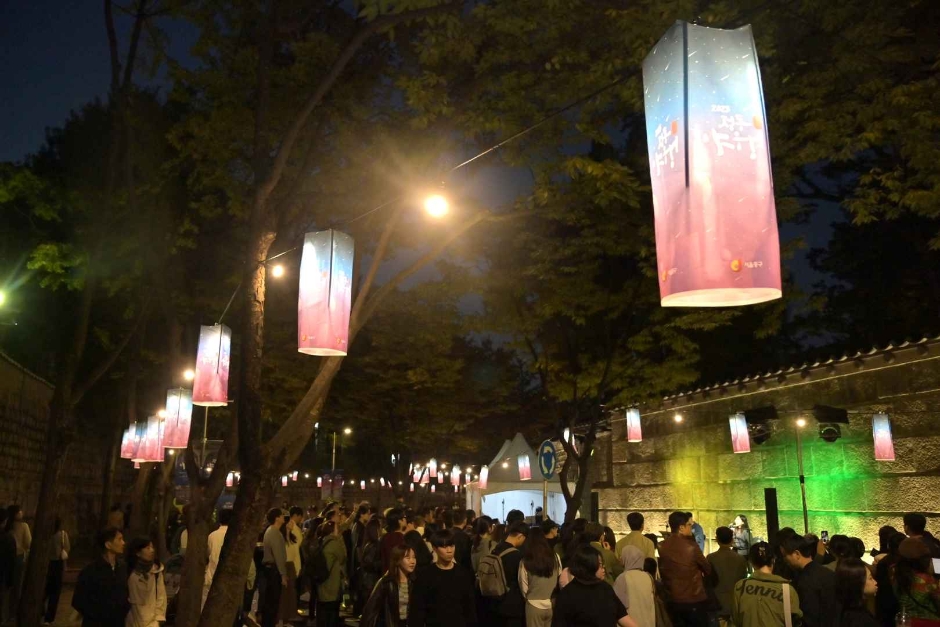
Jeongdong Culture Night is dedicated to promoting the history and culture of Jeongdong, a neighborhood in Jung-gu, Seoul. The festival programs allow participants to understand how the history is connected to today's culture and offers an opportunity to view Jeongdong's cultural facilities in a different perspective.
Jongno 3(sam)-ga Jewelry District (종로3가 귀금속 전문상가)
6.5Km 2025-06-30
Jongno3-ga, Jongno-gu, Seoul-si
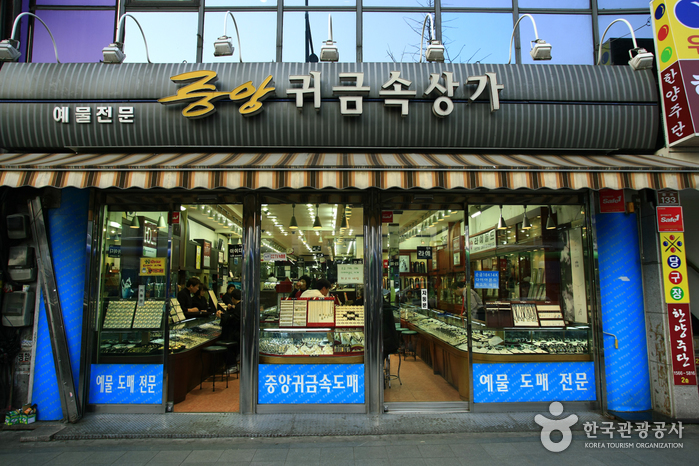
There is an enormous selection of wholesalers and retail jewelry stores in this district, spread throughout Jongno 3(sam)-ga and 4(sa)-ga. The glittering showcases here are especially popular amongst young people and foreign tourists looking to find fine jewelry at affordable prices. Stores in the jewelry district have a selection of designs that are extraordinarily diverse and prices that are 20 to 40% lower than at other jewelry outlets in Korea.

Seoul Museum of Art (서울시립미술관(서소문본관))
6.5Km 2024-06-19
61 Deoksugung-gil, Jung-gu, Seoul
+82-2-2124-8800
The Seoul Museum of Art (SeMA) is a space for all to meet and experience the joy of art. Located in the center of Jeong-dong, a district that retains traces of Seoul’s modern and contemporary history, the museum integrates the historical facade of the former Supreme Court with modern architecture. In addition to various programs―encompassing exhibitions, educational outreach initiatives, screenings, workshops, performances, and talks, communal spaces including SeMA Cafe, the artbook store, the open space lobby, and the outdoor sculpture park SeMA WALK provide a rich range of ways for visitors to experience art.
Le Miel Plastic Surgery (르미엘성형외과의원)
6.5Km 2025-10-23
3rd Floor, 120 Jongno, Jongno-gu, Seoul
Valuable Beauty, Lemiel Plastic Surgery
A premium clinic where delicate technique and artistic sensibility come together. We provide not just external changes, but customized treatments that enhance each individual’s natural charm. Specialized in fast-recovery eyebag surgery using Encore Laser, customized eye surgery for facial balance, tailored lifting based on body type, and petite procedures that refine facial curves and volume.
Jeonjujip (전주집)
6.6Km 2024-10-15
16-15 Supyo-ro, 20-gil, Jongno-gu, Seoul
+82-2-2278-3311
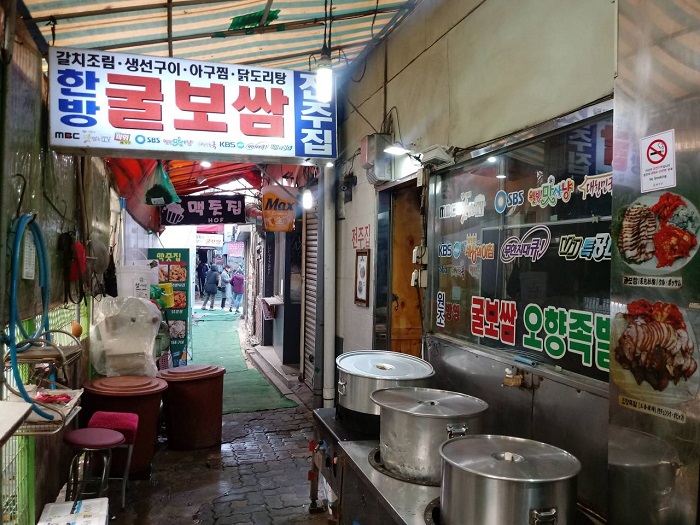
A store featured several times in Korean gourmet programs. This Korean dishes restaurant is located in Jongno-gu, Seoul. The most famous menu is kimchi cabbage wraps with pork and oysters.
 English
 한국어
한국어 日本語
日本語 中文(简体)
 Deutsch
 Français
 Español
 Русский


