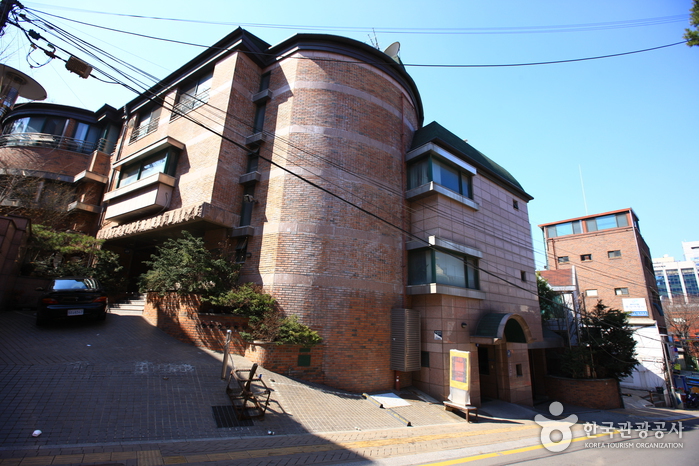
Chojun Textile & Quilt Art Museum (초전섬유ㆍ퀼트박물관)
7.5Km 2024-03-06
29, Toegye-ro 16-gil, Jung-gu, Seoul
Opened in 1998, Chojun Textile & Quilt Art Museum is the only textile art museum in Korea. Visiotrs can learn about the excellence and tradition of Korean textiles by observing a wide range of domestic and international textile artworks. In addition to exhibiting its collection, the museum also holds special exhibitions as well as textile and quilt competitions, giving visitors the opportunity to get up close and personal with textile artworks.

G-line Book Street (경의선책거리)
7.5Km 2024-03-19
35 Wausan-ro 37-gil, Mapo-gu, Seoul
G-line Book Street spans approximately 250 meters from Exit 6 of Hongik University Station to Wau Bridge, where the old train tracks remain intact. It serves as a prominent cultural hotspot in Hongik University, housing various bookstores and cultural spaces selling books on diverse topics. Independent bookstores, children's bookstores, specialty bookshops, and art galleries converge in this area, offering a rich tapestry of literary experiences.
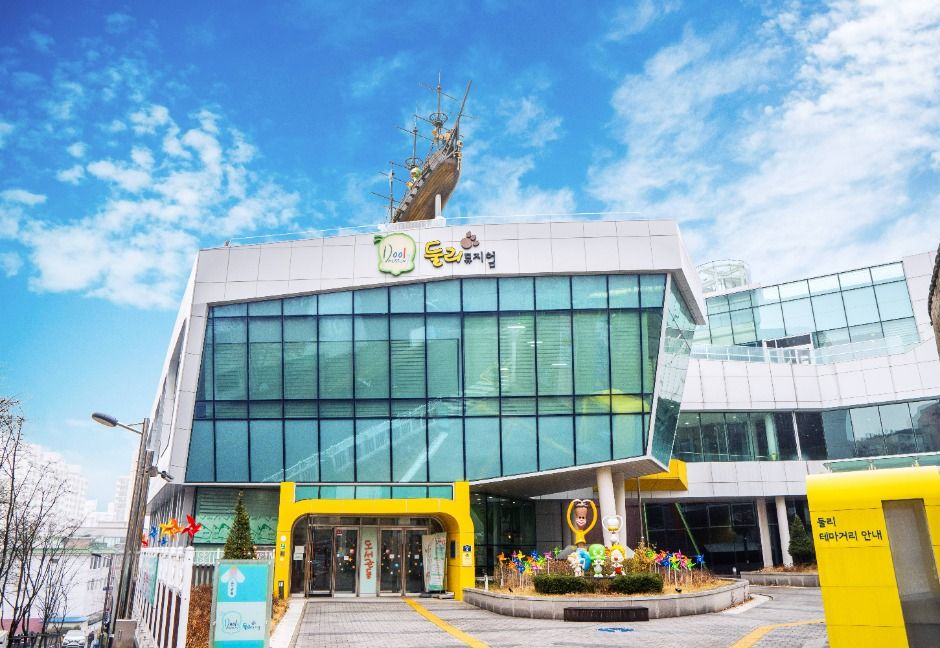
Dooly Museum (둘리뮤지엄)
7.5Km 2025-03-31
6 Sirubong-ro 1-gil, Dobong-gu, Seoul
Dooly Museum is Korea's first museum to be dedicated to a single character. The museum is dedicated to Dooly, the main character from the Korean cartoon series "Dooly the Little Dinosaur." The cartoon was published as a series on a comic magazine called "Bomulseom" from 1983 to 1993, following Dooly's adventure that begins from his arrival to Ssangmun-dong inside a glacier from the Ice Age. Inspired by the series, this interactive museum was founded in Ssangmun-dong and explores the value and meaning of the hit series through the expansion of its works such as the animation series, character merch, and other media sources.
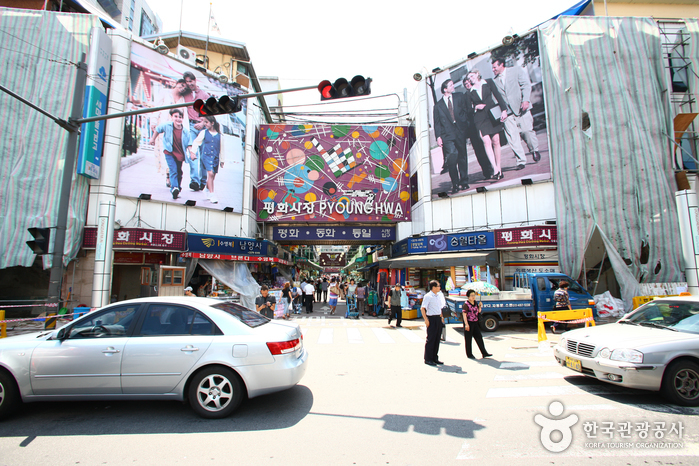
Pyounghwa (Pyeonghwa) Fashion Town (서울 평화시장)
7.5Km 2025-01-06
274, Cheonggyecheon-ro, Jung-gu, Seoul
The Pyounghwa Fashion Town market in Dongdaemun has been selling fashion clothing and accessories for over 50 years ever since the end of the Korean War. It was here that in 1953 North Korean refugees started selling clothes made from US army uniforms. Their market was then named Pyounghwa, which means peace, in the hope that no other wars would be fought on Korean soil. The Pyounghwa Fashion Town was therefore the beginning of the 30,000 stores that now make up Dongdaemun Fashion Town, which is seen as one of the global centers of the fashion industry.
Spread over a large area, this historical fashion market is divided into several districts, the ‘Gu Pyounghwa Fashion Town’ is the oldest, and there is also the ‘Shin Pyounghwa Fashion Town’, ‘Dong Pyounghwa Fashion Town’, and ‘Cheong Pyounghwa Fashion Town’.
![Lotte Outlets - Seoul Station Branch [Tax Refund Shop] (롯데아울렛 서울역점)](http://tong.visitkorea.or.kr/cms/resource/80/3003480_image2_1.jpg)
Lotte Outlets - Seoul Station Branch [Tax Refund Shop] (롯데아울렛 서울역점)
7.5Km 2024-07-30
405, Hangang-daero, Yongsan-gu, Seoul
- Located in the heart of transportation at Seoul Station, LOTTE Seoul Station offers convenience with easy access to nearby public transport and parking and holds a diverse selection of brands under the YOUNG & SPORTY concept. Experience top-notch services tailored to our foreign guests in our Global Service Room.
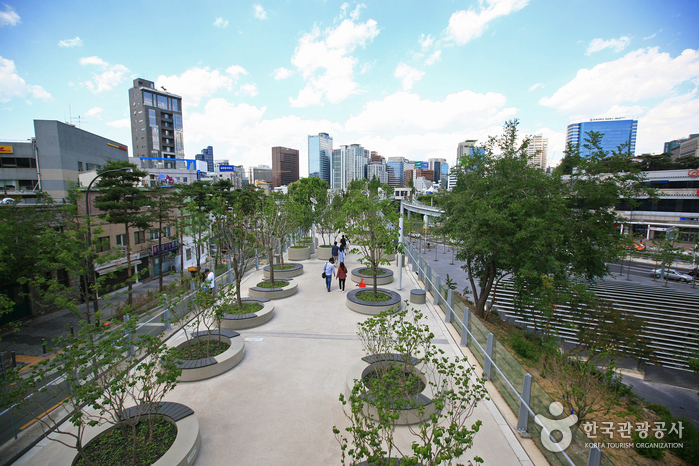
Seoullo 7017 (서울로 7017)
7.5Km 2025-10-24
405, Hangang-daero, Jung-gu, Seoul
Originally opened in 1970, Seoullo 7017 was an elevated road that crossed over the Seoul Station railway, but when it became dilapidated and unusable for traffic, it was converted into a park in 2017. It is about 17 metres above the ground and offers a panoramic view of the Seoul Station Railway and the city of Seoul. It is directly connected to Seoul Station.
Cheonggyecheon Old Books Street (청계천헌책방거리)
7.5Km 2023-12-22
20 Jangchungdan-ro 13-gil, Jung-gu, Seoul
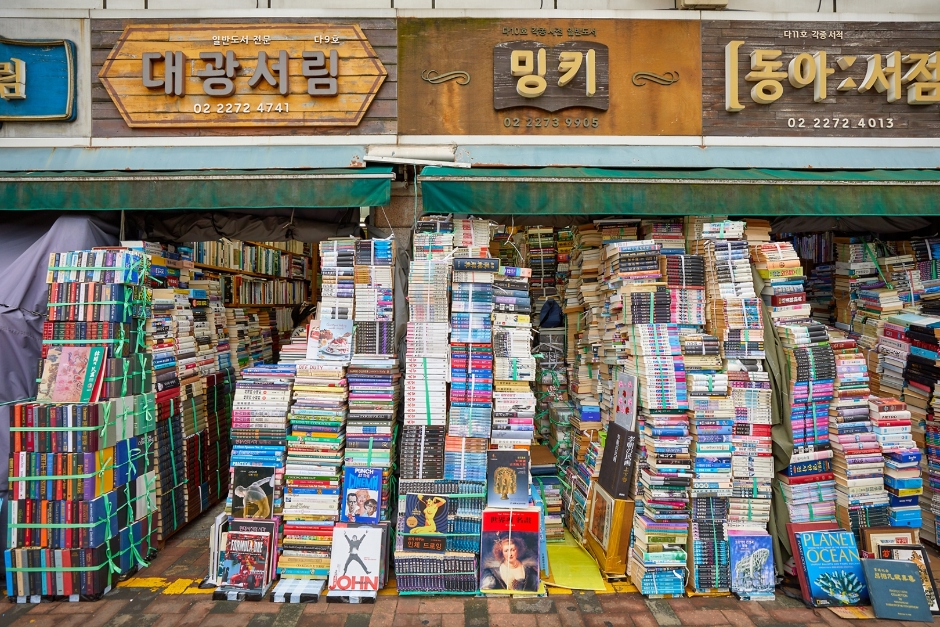
Walking east along Cheonggyecheon Stream, which flows near Sewoon Plaza, you will see a cluster of small bookstores. Books published 30 to 50 years ago, and various out-of-date magazines are piled up in about ten bookstores. You can indirectly experience the old culture and history that formed the basis of K-content, and sometimes you can also find foreign books. Nearby is Dongdaemun Market, a wholesale market selling various subsidiary materials, and Pyounghwa Market (open from night to early morning), where you can browse clothing fabrics, which are excellent places to visit together.
Hillhouse Hotel / 힐하우스 호텔
7.5Km 2025-03-18
42 , Sogong-ro 3-gil, Jung-gu, Seoul
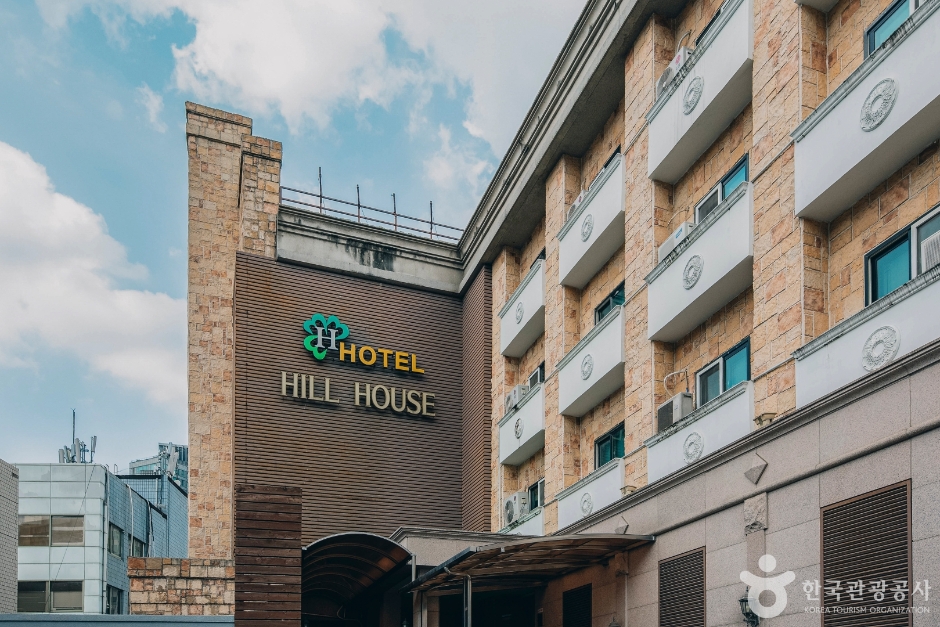
Hill House Hotel is a business hotel at the foot of Namsan Mountain in Seoul. Free internet is available in all rooms, and there is a shared microwave on the first floor. A free luggage storage service is provided for customers’ convenience. Nearby transport links include Hoehyeon subway station, Seoul Station, and Myeongdong subway station, so this is a good base for exploring downtown Seoul. Namsan Park, N Seoul Tower and Namdaemun Market are all within walking distance.
Wondangsaem Park (원당샘공원)
7.5Km 2024-02-15
16 Haedeung-ro 32ga-gil, Dobong-gu, Seoul
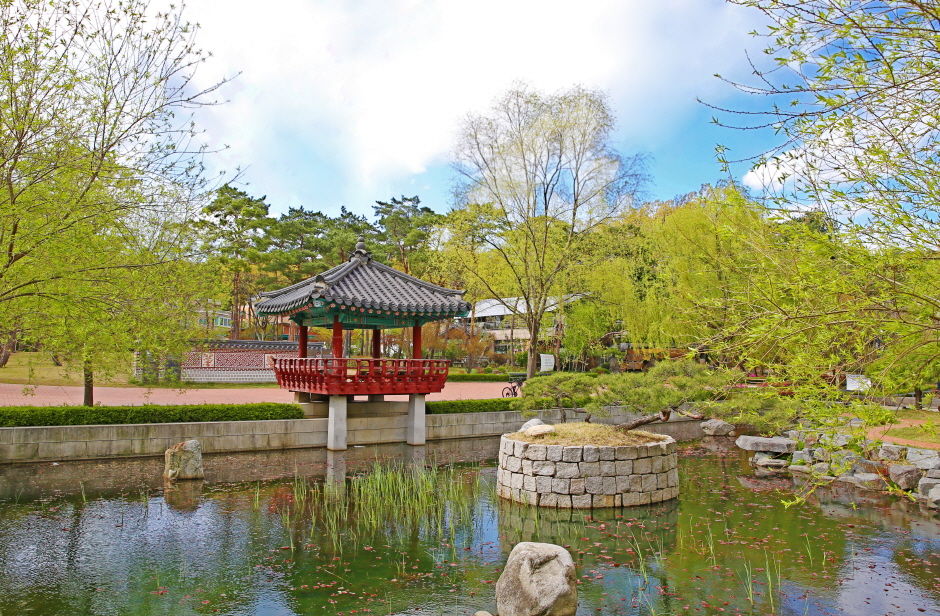
Wondangsaem Pond is named after the Wondang village, where the Yun family settled about 600 years ago. It is a park that harmoniously blends a traditional pond with a Hall of Rejoicing Pavilion called Samojeong, a wall fall, and a floral wall. During autumn, the golden foliage of an 800-year-old ginkgo tree enriches the surroundings, and a deck path around the tree offers a delightful stroll.
e-Sports Hall of Fame (e스포츠 명예의 전당)
7.5Km 2025-11-17
31 Maebongsan-ro, Mapo-gu, Seoul
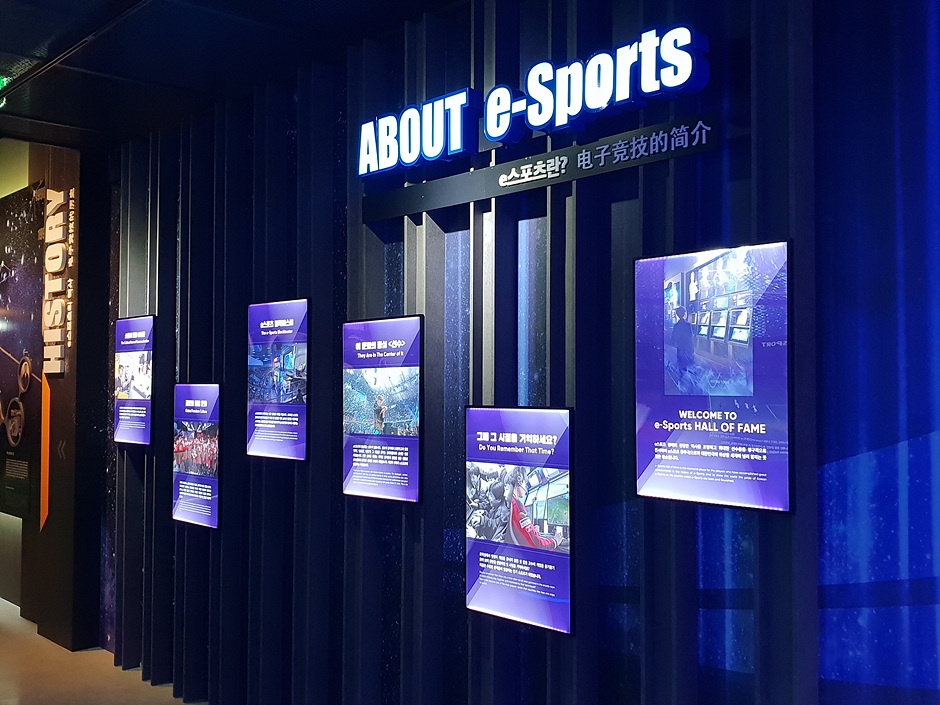
The e-Sports Hall of Fame is operated by the Ministry of Culture, Sports and Tourism and the Korea e-Sports Association to exhibit and honor the esports athletes who have made history for their amazing skills, making Korea synonymous with esports. Visitors can see the athletes' uniforms, gaming materials, trophies, and more, as well as try their hand at playing famous esports games firsthand.
 English
 한국어
한국어 日本語
日本語 中文(简体)
 Deutsch
 Français
 Español
 Русский


