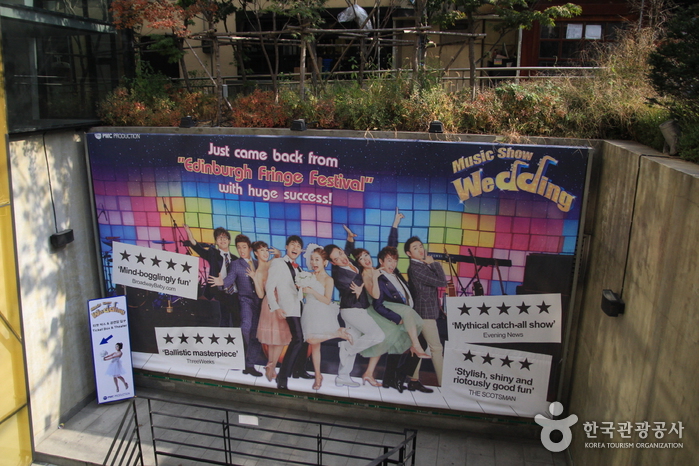
Hongdae Nanta Theatre (홍대난타전용관)
4.9Km 2021-08-27
29, Yanghwa-ro 16-gil, Mapo-gu, Seoul
Located in Hongdae, a signature of youth and cultural streets, Hongdae Nanta Theater has 323 seats and offers two performances daily.
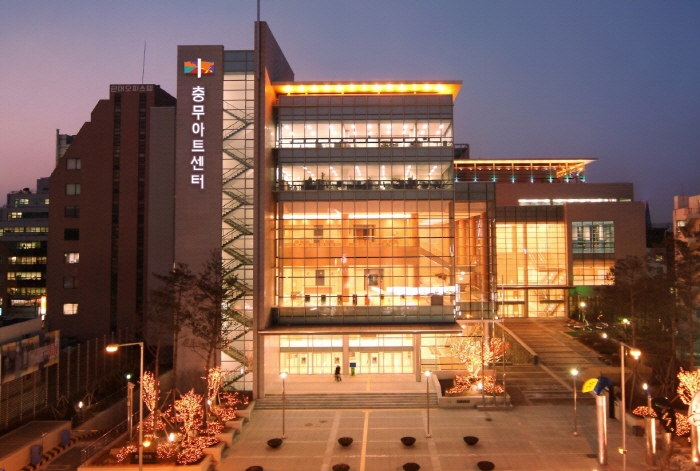
Chungmu Arts Center (충무아트센터)
4.9Km 2024-03-06
387, Toegye-ro, Jung-gu, Seoul
Chungmu Arts Center is a complex cultural facility with an optimal conditions for watching performances. It has a large theater, a medium theater (black), and a small theater (blue). It also boasts great galleries, studios, and a swimming pool, attracting numerous visitors. In addition, one can enjoy performances of various genres, including classical music, plays, musicals, and concerts. Located close to Dongdaemun, it has good accessibility.
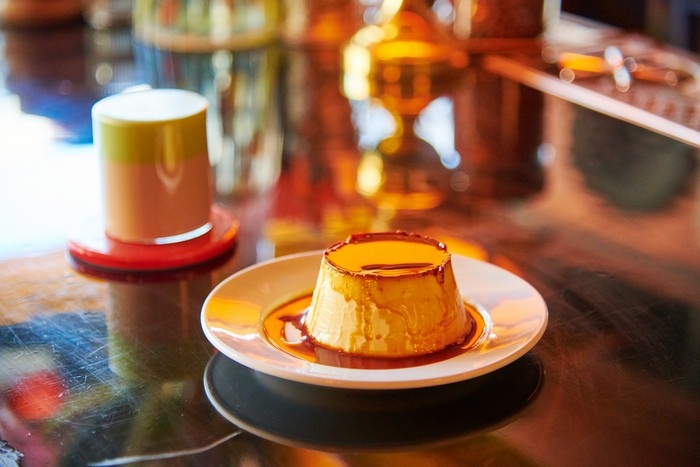
HILLS & EUROPA (힐즈앤유로파)
5.0Km 2025-11-05
35 Sinheung-ro, Yongsan-gu, Seoul
Haebangchon's Hot Place
Singer Lee Hyori's OTT entertainment program 'Seoul Check-in' was filmed, and you can enjoy the atmosphere of Haebangchon properly. The low wooden ceiling and walls filled with unique objects and LPs from all over the world create a unique and cozy atmosphere. It is always full of customers as you can enjoy great visual cocktails and delicious dishes against the backdrop of various genres of music. During the day, it is good to enjoy coffee and dessert like a cafe. It is famous for its delicious cream caramel pudding, along with coffee that makes use of the taste of coffee beans from each region of origin. There are also various types of signature cocktails, but we recommend the unique visual 'Cigar in a Glass' that Lee Hyori and Park Narae drank.
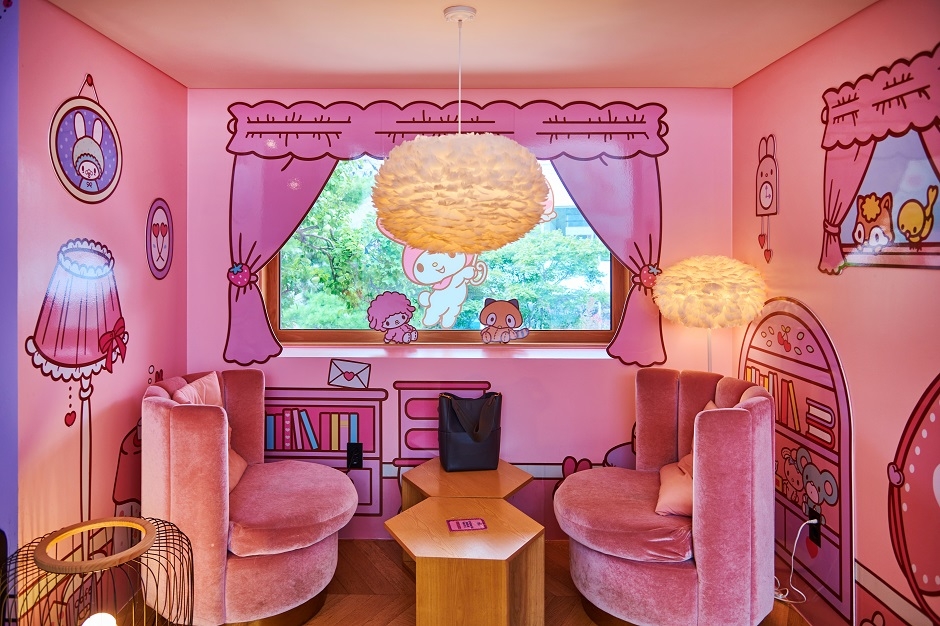
SANRIO LOVERS CLUB(산리오 러버스 클럽)
5.0Km 2025-11-05
18, Wausan-ro 19-gil, Mapo-gu, Seoul
'BLACKPINK HOUSE' filming location
In the past, it was a Hello Kitty cafe, but it was renovated and used as accommodation when BLACKPINK's first reality content, 'BLACKPINK HOUSE' was filmed. Currently, it is operated as an exhibition experience and cafe for Sanrio characters. The inside and outside of the two-story building in pastel colors are full of Sanrio characters. You must make a reservation in advance to enter the cafe on the second floor. You can visit and purchase at the MD Shop on the 1st floor without a separate reservation.

Nemamdaero Hongdae Branch(내맘대로폰케이스 홍대점)
5.0Km 2025-11-05
21 Wausan-ro 19-gil, Mapo-gu, Seoul
JENNIE and JISOO’s phone case
This is where JENNIE and JISOO made mobile phone cases on V LIVE. It has a huge number of parts, and you can choose the color and shape of the bond. The advantage is that you can use all parts as much as you want without restrictions. You can follow JENNIE and JISOO’s design, or you can make your own case. Decorating top loaders for photo cards and making slime are also popular. It is the perfect for travel souvenirs or gifts.

Goobne Playtown (굽네 플레이타운)
5.0Km 2025-01-16
23 Jandari-ro 2-gil, Mapo-gu, Seoul
Goobne Playtown is a culture and experience center operated by Goobne, one of Korea's chicken franchises that specializes in oven-roasted chicken instead of the standard fried chicken. Visitors can taste the latest products in a relaxing space, as well as enjoy media art and changing items in the pop-up zone.
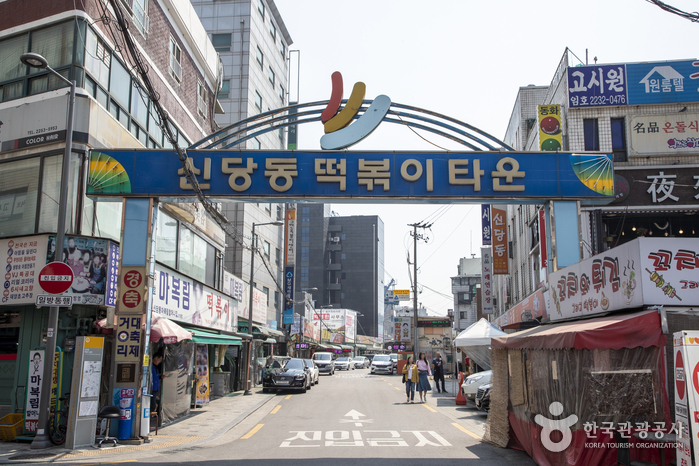
Sindang-dong Tteokbokki Town (신당동떡볶이골목)
5.0Km 2022-10-25
10-18, Dasan-ro 33-gil, Jung-gu, Seoul
Sindang-dongTteokbokki Town started in the late '70s, although the alley did not become famous until the '80s. At that time, each restaurant had its own DJ booth, with the image of the "cool DJ" who played the music becoming a symbol of Sindang-dong Tteokbokki Town. In addition, this period also marked the prime time of high school baseball where students would crowd the streets on days when Duksoo Commercial High School and Sunrin Commercial High School (now Sunrin Internet High School) played against one another. Although these high school students have aged, they continue to visit the area, reliving their youth and continuing to indulge in the specialty tteokbokki.
However, some claim the history of this alley began in the 1950s. The owner of Mabongnim Halmeoni Tteokbokki restaurant says tteokbokki was being sold as early as 1953 as the area used to be home to Donga Theater and she sold tteokbokki, corn and potatoes to those visiting the theater. At first, tteokbokki was simply made with gochujang (red chili paste) but as time went by, cooks decided the dish could be more than just a snack. By adding ingredients like eggs, cellophane noodles, fish cakes, instant noodles and more recently squid, prawn and cheese, tteokbokki can be made more delicious and turns this beloved snack into a full meal.
Hwanghak-dong Flea Market (Dokkaebi Market / Manmul Market) (황학동 벼룩시장 (도깨비시장/만물시장))
5.1Km 2025-04-11
11-7 Majang-ro 5-gil, Jung-gu, Seoul
Hwanghak-dong Flea Market was named after the way how merchants travel from one place to another all over the country, as if like fleas hopping around from one spot to another, to collect rare and valuable items. This market was once a haven of antiques and collectibles, but with the formation of old-fashioned art street in 1983 in Janganpyeong, many classic art shops had moved out, leaving only used item and general goods stores. Now, visitors can find stores selling antiques, used furniture, electronics, clocks, jewelry, musical instruments, camera, and machinery – pretty much anything one can name. Hwanghak-dong Flea Market is also referred to as Dokkaebbi Market, to describe how even the most rundown items become just like new, as if like the work of a dokkaebi (Korean folk goblin).
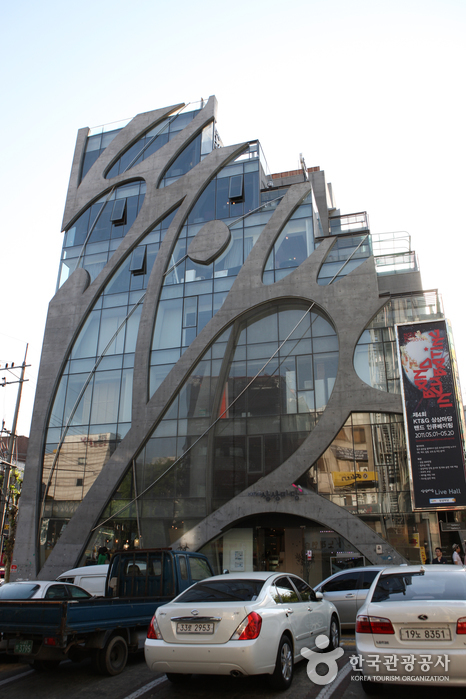
KT&G Sangsangmadang Arts Space (Hongik University) (KT&G 상상마당(홍대))
5.1Km 2024-03-12
65 Eoulmadang-ro, Mapo-gu, Seoul
KT&G Sangsangmadang Arts Space is a multifaceted cultural space established in 2007. Spanning 660 meters with a total floor area of 3,366 meters, it features facilities such as a theater, a concert hall, a design square, a gallery, and cafés. It offers opportunities for close engagement with culture. Located near Hongik University Station, it boasts excellent accessibility and attracts many visitors due to its diverse attractions.
Geumdwaeji Sikdang (금돼지식당)
5.1Km 2025-10-28
149 Dasan-ro, Jung-gu, Seoul
Geumdwaeji Sikdang is renowned as one of the top three pork restaurants in Seoul, specializing in pork dishes. Its signature menu item is the nunkkon moksal (grilled pork shoulder), known for its marbled appearance resembling snowflakes. Bonsamgyeop (grilled bone-in pork belly) and deungmoksal (short loin and pork shoulder) are also popular choices. They offer fragrant basil wraps as a side dish, which perfectly complements the slightly grilled basil with the juicy and flavorful meat, creating a harmonious taste sensation that is considered a delicacy at this establishment.
 English
 한국어
한국어 日本語
日本語 中文(简体)
 Deutsch
 Français
 Español
 Русский


