
Eight Scenic Views of Bukchon (북촌 8경)
2.5Km 2024-03-18
37, Gyedong-gil, Jongno-gu, Seoul
The Eight Scenic Views of Bukchon can be found at the Bukchon Hanok Village between Gyeongbokgung Palace and Changdeokgung Palace. Bukchon was historically a district where the aristocracy of Joseon had resided in, so it is still home to a large number of traditional dwellings, called hanok in Korean. The eight views are as follows: No. 1, view of Chengdeokgung Palace; No. 2, view of Wonseo-dong Handicraft Road; No. 3, view of the Gahoe-dong area; No. 4, view from the hill at Gahoe-dong (Bukchon Observatory); No. 5, the view of the road uphill at Gahoe-dong; No. 6, the view of the road downhill at Gahoe-dong; No. 7, the view at house number (beonji) 31, Gahoe-dong; No. 8, the view of the stone stairway at Samcheong-dong.
Gyeonghuigung Palace (경희궁)
2.5Km 2024-07-09
45 Saemunan-ro, Jongno-gu, Seoul
Gyeonghuigung Palace, a designated Historic Site, was originally called the large palace by Saemun Gate, or the Western Palace, for its location within the city. It was not until the eighth year of Gwanghaegun (1616) that the palace was used as a royal residence for the king, changing the name to Gyeongdeokgung Palace. The name later changed again to the current Gyeonghuigung Palace in 1760. The palace grounds included many halls but they were mostly all burned down in a fire in 1829. After the Japanese occupation began, all remaining buildings on the site were torn down and the palace grounds were turned into Gyeongseong Middle School (now Seoul High School). The school moved to Gangnam area in 1987, afterwhich the previous location was turned into a park. The palace grounds currently hold Seoul Museum of Art and walking paths, as well as a restoration of Heunghwamun Gate, the main gate of the palace, and Sungjeongjeon Hall, the main hall, completed in November 1994.
The Sool Gallery (전통주갤러리)
2.5Km 2025-06-19
18 Bukchon-ro, Jongno-gu, Seoul
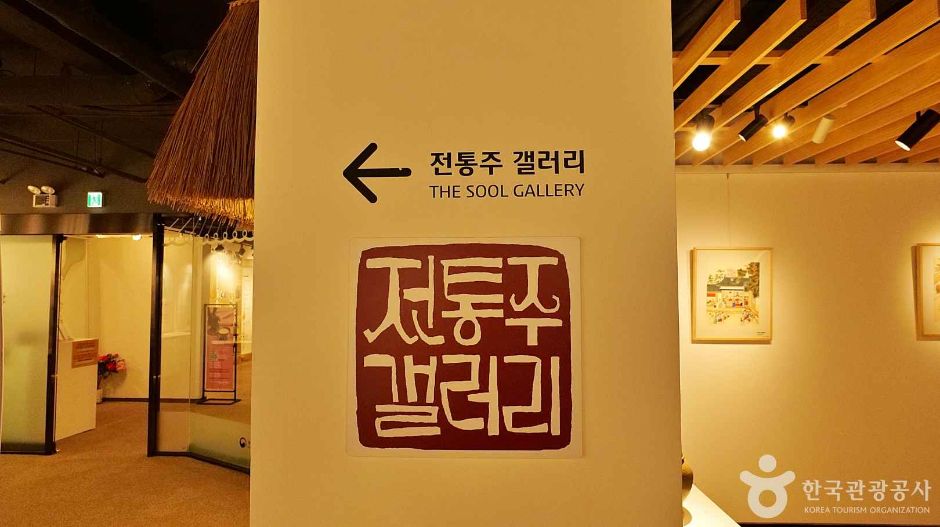
The Sool Gallery is an exhibition and experience space for traditional Korean liquor, established to promote the taste, style, and cultural values of the time-honored traditional Korean liquor. It provides various information about traditional Korean liquor for consumers or international tourists who can rarely obtain such information elsewhere. In addition, it provides traditional liquor education and business counseling to food service businesses and sales experts to continuously create demand for traditional liquor and expand the market. It is run by experts specializing in traditional liquor, including traditional liquor sommeliers, and it holds events to introduce various traditional liquors with different themes every month, as well as tasting events. Moreover, according to the monthly changing “Recommended Traditional Liquor by Month,” it displays a drinking glass and a bottle of the month recommended by the Korea Craft & Design Foundation.
HANSIK Space E:eum (한식문화공간 이음)
2.5Km 2025-11-11
18 Bukchon-ro, Jongno-gu, Seoul
HANSIK Space E:eum, located in Jongno, is a cultural space operated by the Korean Food Promotion Institute. It offers visitors an opportunity to delve into Korean cuisine through exhibitions, performances, educational programs, and a library.
Statue of Admiral Yi Sun-Shin (충무공 이순신 동상)
2.5Km 2024-03-04
175, Sejong-daero, Jongno-gu, Seoul
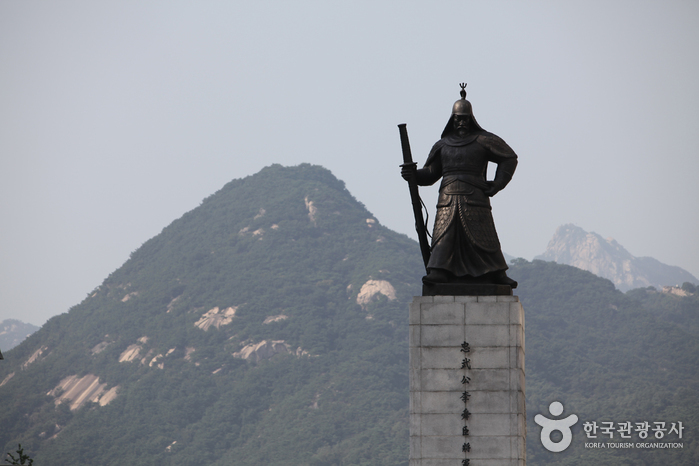
The Statue of Admiral Yi Sun-Shin can be found at Gwanghwamun Square in Seoul. Admiral Yi Sun-shin (1545-1598) was a naval commander who served during the Japanese invasion of Korea (also known as Imjin War: 1592-1598). The undefeated admiral achieved 23 victories against the Japanese navy using innovative tactics, and he is thus considered as one of the greatest generals in the history of Korea. Admiral Yi’s likeness can be found on the 100 won coin.
Seoul Museum of Craft Art (SeMoCA) (서울공예박물관)
2.5Km 2025-06-19
4 Yulgok-ro 3-gil, Jongno-gu, Seoul
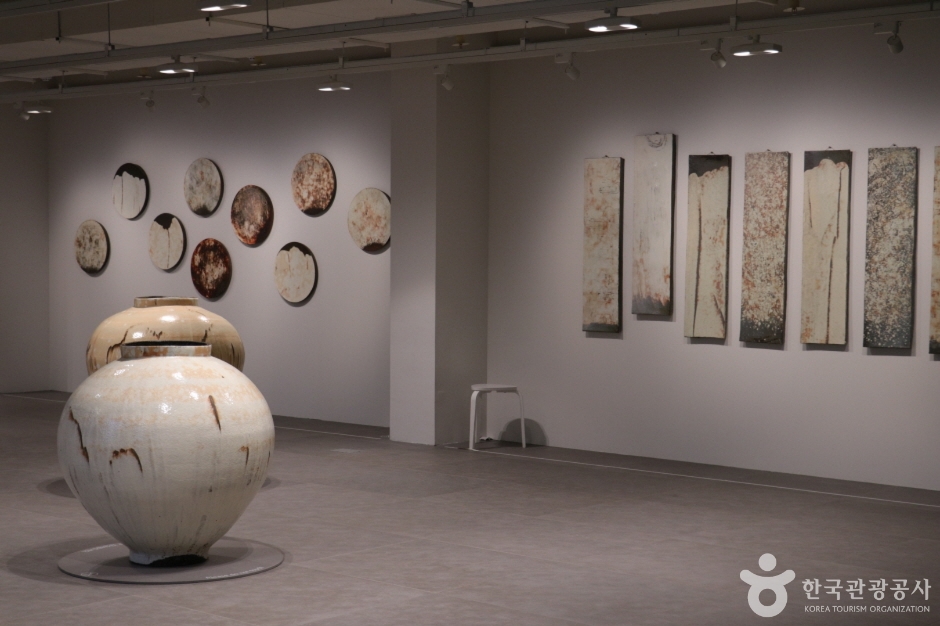
The Seoul Museum of Craft Art (SeMoCA), the first public museum of craft art in Korea, opened its doors in Anguk-dong, Jongno-gu, in July 2021 after renovating five buildings of the former Pungmoon Girls’ High School. SeMoCA studies and shares not only works, but also information, records, people, and environment related to craft art with the goal of becoming a dynamic platform for experiencing the technical, practical, artistic, and cultural values of craft.
SeMoCA holds a collection that comprises various crafts and craft materials covering multiple fields and eras from the traditional to the present. SeMoCA also holds exhibitions that feature the history of craft from traditional to contemporary art as well as local and children’s crafts, along with programs that utilize the museum’s craft installations, craft archives, craft library, and craft resource management system.
The site of the museum has deep historical roots as it is also the Andong Secondary Palace Site, where a detached palace was constructed as a royal residence for King Sejong’s son Prince Yeongeung, and served as a venue for royal celebrations, such as the wedding of King Sunjong. The site is also at the center of Jongno-gu, where Joseon-era master artisans (“gyeonggongjang”) of the royal palace produced and delivered craft works.
 English
 한국어
한국어 日本語
日本語 中文(简体)
 Deutsch
 Français
 Español
 Русский


