
Soul (소울)
3.0Km 2025-08-20
B1, 35 Sinheung-ro 26-gil, Yongsan-gu, Seoul
Soul is a fine-dining located in Hannam-dong. It presents reinterpretations of Korean cuisine, drawing inspiration from traditional dishes. The menu is structured into lunch and dinner courses. Known for its ability to artistically express familiar flavors encountered in daily life, Soul was selected for the 2023 Michelin Guide Seoul. Operating on a reservation-only basis, bookings can be made via phone.
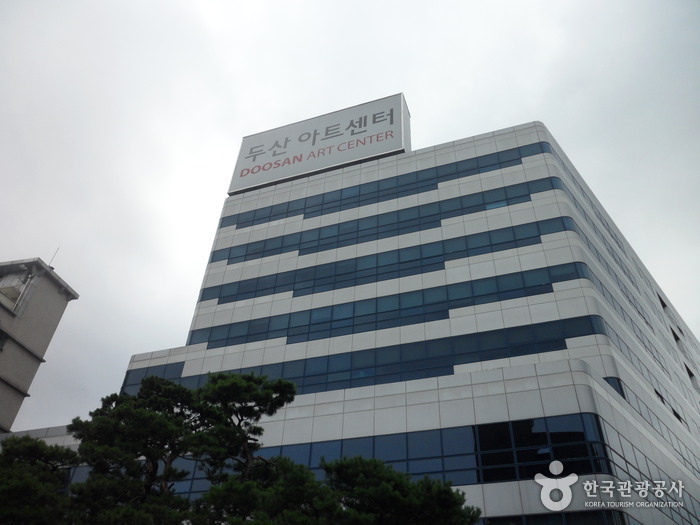
Doosan Art Center (두산아트센터)
3.0Km 2021-11-01
15, Jong-ro 33-gil, Jongno-gu, Seoul
Doosan Art Center, which opened on October 1, 2007, is structured around three different spaces: The Yonkang Hall, exclusively designed for musical performances, Space 111, a “space for art incubation,” and the Doosan Gallery, built for installations.
The Yongang Hall, a theater with 620-person seating capacity, has specially designed lightings and a world-class audio-visual system to provide a second-to-none sensory experience.
Space 111 can accommodate a broad range of performing arts, from theater and dance to film and music concerts. The Doosan Gallery is open to the public, and art exhibitions and performances here can be enjoyed free of charge.
All three theaters include spacious lobbies with handicapped access, designated seating for parents with infants, and meeting areas. Rest rooms are also available nearby, in order to avoid long queues and long walks during intermission.
We Trip Korea ((주)우리클럽관광개발)
3.0Km 2025-10-23
(101-1204, Lotte Castle President), 467 Gongdeok-dong, Mapo-gu, Seoul
We Trip Korea was established in 2011 and has been successfully attracting international travelers for 13 years. Our company is dedicated to promoting and showcasing our travel products through extensive overseas sales efforts. We actively collaborate with various online travel agencies (OTA) to offer a wide range of travel products that align with current trends. As a professional and customized travel agency, we cater to all types of events, from standard packages to incentive trips, Meetings, Incentives, Conferences, Exhibitions (MICE), medical tourism, VIP services, and personal travels. When you choose our company, you can expect prompt and accurate tailored bookings to meet your specific needs.
Sogang University (서강대학교)
3.0Km 2023-07-07
35, Baekbeom-ro, Mapo-gu, Seoul
Sogang University is a private, coeducational, Jesuit university located in central Seoul. Campus life at Sogang University is enhanced by student clubs as well as technological advancement. Furthermore, the proximity to other leading universities (Yonsei University and Ewha Woman's University) contributes to the intellectual and social vitality of student life at Sogang University.
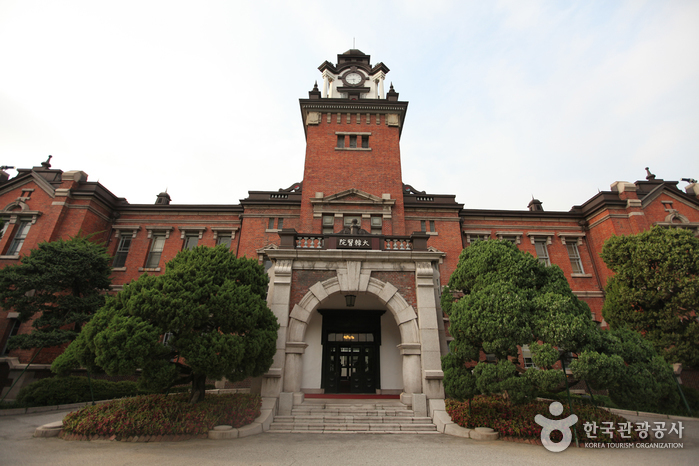
The Museum of Medicine (서울대학교병원의학박물관)
3.0Km 2024-03-18
101 Daehak-ro, Jongno-gu, Seoul
The Museum of Medicine is located in the building of the former Daehan Medical Center, the oldest modern hospital in Korea. It is a medical museum that provides a comprehensive view of the development of modern medicine in Korea, the history of medical devices, and the transformation of Seoul National University Hospital. Through permanent and special exhibitions, the museum showcases medical artifacts and documents related to the history of medicine.
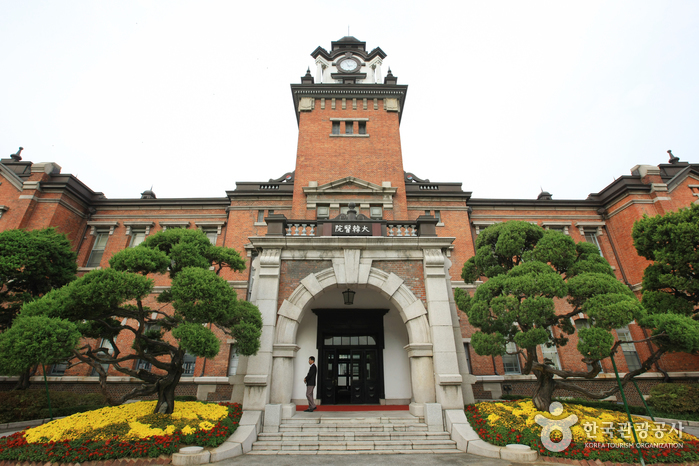
Seoul Daehan Hospital (서울 대한의원)
3.1Km 2021-12-23
101, Daehak-ro, Jongno-gu, Seoul
Daehanuiwon (Daehan Medical Center) is an antique two-story brick building within the grounds of Seoul National University Hospital. It was established under the direct administration of the Uijeongbu (State Council), combining the Gwangjewon (under the Home Ministry), Gyeongseong Medical School and the Korean Red Cross Hospital (under the Royal Household).
Built in the Madubong Hill area, this location where Hamchunwon, the outer garden of Changgyeonggung Palace, once stood in 1484 (15th year of King Seongjong), was also once the site of Gyeongmogung Palace, where King Jeongjo enshrined the mortuary tablet of his birth father Crown Prince Sado Seja in 1776 (the year King Jeongjo ascended to the throne).
These places that held importance for the royal family were destroyed as the Japanese built Gyeongseong Empire University in its place. In 1907, with the announcement of the plan to establish Daehan Medical Center, construction began on the main building, seven wards and affiliated buildings. Construction was completed in November 1908.
The Daehan Medical Center opened in Gwangjewon, but upon Japanese colonization in 1910, its name was changed to the Japanese Viceroyalty Hospital. In 1926, it was included as a part of Gyeongseongjeguk University to become a university hospital. Since the liberation of Korea in 1945, it has been a hospital affiliated with Seoul National University.
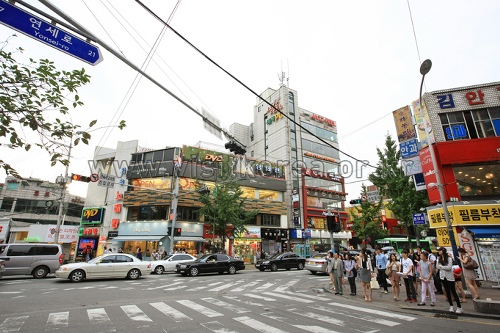
Yeonsero (Yonsei University Street) (연세로)
3.1Km 2022-10-25
Area of Yeonse-ro, Sedaemun-gu, Seoul
This road takes you from Sinchon Subway Station right to Yonsei University. Like branching tree roots, the numerous side streets diverge off the main road. In 1999 Yonsei College Street was designated as “The Road One Wants to Walk.” Since then, this famous street has been improved upon even more, placed on tourist maps and promoted by businesses. A visitor to this area can eat at a plethora of restaurants, coffee shops and stores. In the afternoon hours, you can also enjoy the taste of small food stands that line the sidewalks.
Hongjecheon Artificial Waterfall (홍제폭포)
3.1Km 2024-11-07
Yeonhui-dong, Seodaemun-gu, Seoul
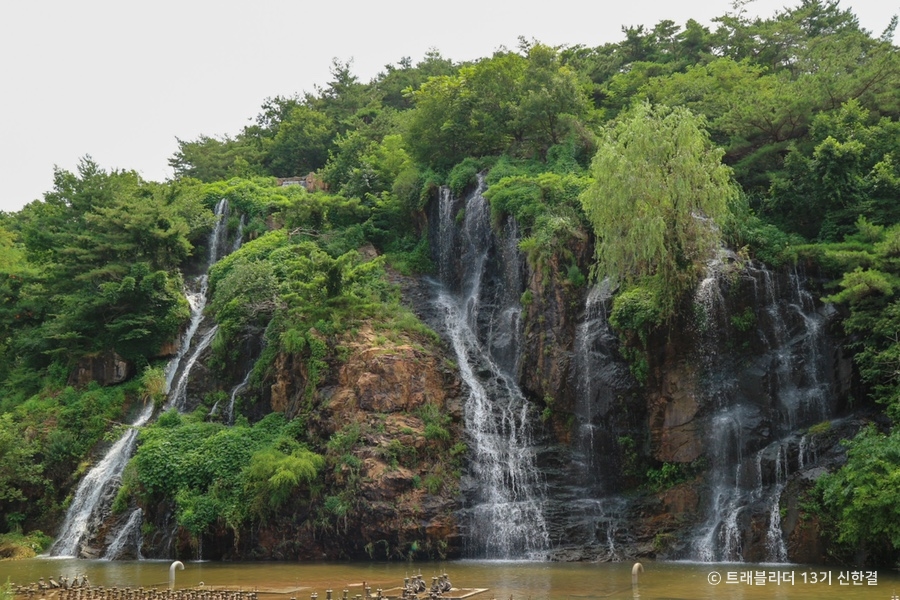
Hongjecheon Artificial Waterfall is located along Hongjecheon Stream in Seodaemun-gu, Seoul. The waterfall was built in 2011 and is 25 meters tall and 60 meters wide. Despite being a man-made waterfall, the design and construction were so well-done that many find it hard to believe it wasn't a naturally formed waterfall. The area around the waterfall features various places for citizens and visitors to relax, while there are many cafes and cultural spaces in the area to make a visit more enjoyable.
Korea Art Festival (대한민국 미술축제)
3.1Km 2025-07-31
57 Daehak-ro, Jongno-gu, Seoul
+82-70-7575-0980
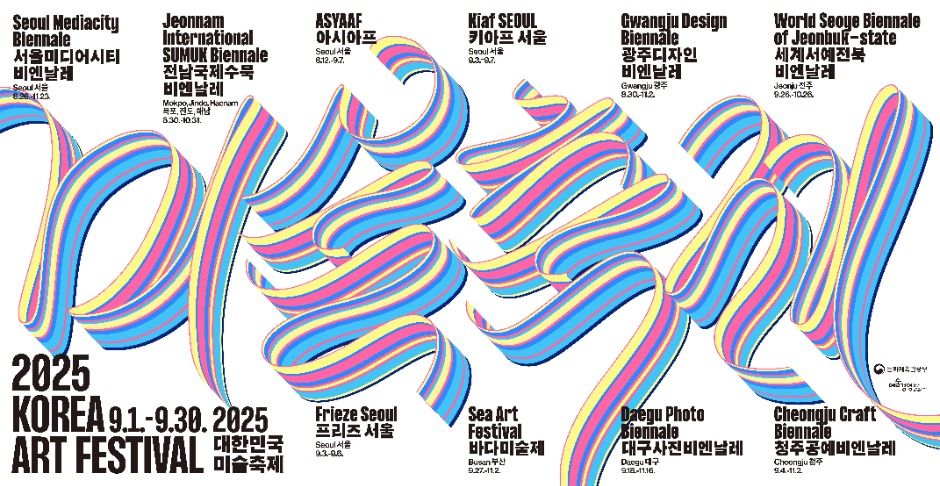
Korea Art Festival is the nation's largest art festival that connects the 12 major art fairs and biennales taking place nationwide. The 2025 festival takes place in September, inviting visitors to enjoy the world of art.
Sinchon Dain Dental Hospital (신촌다인치과병원)
3.2Km 2025-10-23
(10th-11th Floors, Grand Plaza), 94 Sinchon-ro, Mapo-gu, Seoul
Our main dental hospital, spanning approximately 1,740 square meters, is conveniently located near Sinchon Station, just a 40-minute drive from both Gimpo International Airport and Incheon International Airport, making it easily accessible for international patients. We are staffed by around 60 specialized medical professionals and equipped with the latest technology, including an in-house laboratory for fast and precise dental work. Our team includes nine expert directors in orthodontics, prosthodontics, conservative dentistry, oral surgery, and periodontology, ensuring comprehensive and systematic care in each specialty. We offer a wide range of advanced procedures for our international patients, including implants, complex extractions, orthodontics, periodontal treatment, and prosthetic care, as well as high-quality neurological and aesthetic treatments.
 English
 한국어
한국어 日本語
日本語 中文(简体)
 Deutsch
 Français
 Español
 Русский


