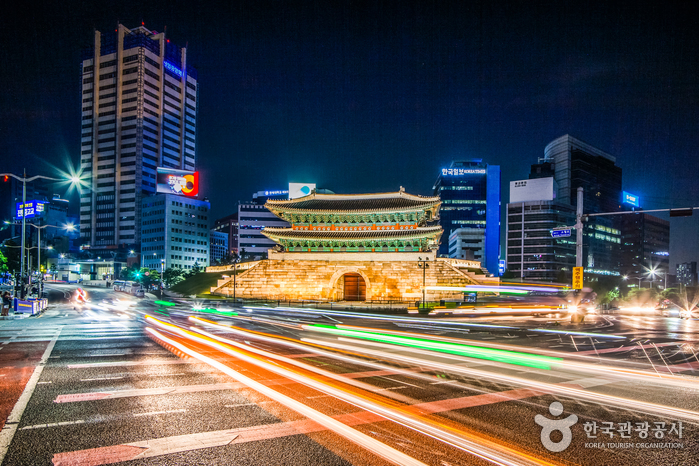
Sungnyemun Gate (숭례문)
1.2Km 2024-11-27
40 Sejong-daero, Jung-gu, Seoul
Sungnyemun Gate is Korea’s National Treasure No. 1, and its unofficial name is Namdaemun Gate. Sungnyemun Gate is the largest castle gate stone structure with an arched entrance in the middle. There’s a column on top of a platform, raising the roof, distinguishing the upper stories and lower stories of the building. Passageways for traffic are located at the east and west ends of the gate. Different from the other gates, Sungnyemun Gate’s tablet has its name written vertically.
On February 10, 2008, Sungnyemun was destroyed by fire. After a 5-year reconstruction work, the gate was re-opened to the public again on May 4, 2013.
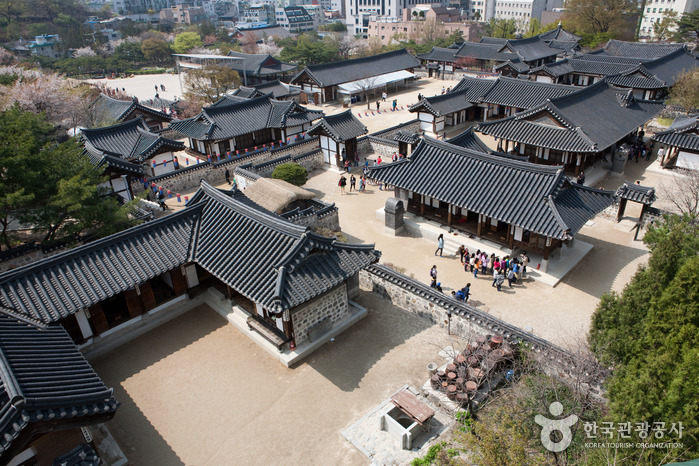
Myeong-dong, Namdaemun, Bukchang-dong, Da-dong and Mugyo-dong Special Tourist Zone (명동 남대문 북창동 다동무교동 관광특구)
1.2Km 2021-12-30
40, Sejong-daero, Jung-gu, Seoul
Myeong-dong, Namdaemun, Bukchang-dong and Da-dong are widely known among international visitors as hot spots for shopping and food.
Myeong-dong is a popular destination for shopping, culture, arts and fashion. Major shopping malls such as Lotte Department Store, Shinsegae Department Store, Myeong-dong Migliore and Samik Fashion Town are located here. Shoppers can find a variety of products here from high-end items to relatively inexpensive clothes. There’s also no shortage of street food, traditional restaurants, coffee shops and fancy cafes.
Namdaemun Market is the biggest traditional market in Korea. Visitors can purchase souvenirs and local produce at an affordable price in the shopping complex crowded with stores and street stalls. The market sells a variety of clothes, kitchenware, toys, accessories, food, flowers and imported goods.
Bukchang-dong and Sogong-dong have high-end accommodations including Lotte Hotel Seoul and Westin Chosun Seoul, duty-free shops, and restaurants serving traditional dishes.
[Myeong-dong, Namdaemun Market and Bukchang-dong Special Tourist Zone]
Areas included: Myeong-dong, Bukchang-dong, Mugyo-dong and Da-dong, Seoul
Area size: 872,809 ㎡
Tourist attractions: Myeong-dong, Namdaemun Market and Bukchang-dong, Department Stores (Lotte Department and Shinsegae Department Store, etc.), Traditional Market, Duty-free Shop, Hanok Village, N Seoul Tower, etc.

Ground Seesaw Seochon (그라운드시소 서촌)
1.2Km 2023-01-17
18-8, Jahamun-ro 6-gil, Jongno-gu, Seoul
Ground Seesaw is a cultural complex located in Seochon, Jongno presented by Media & Art, an exhibition production company, and designed by SoA, an architecture firm, and Loci Studio, a landscaping studio. Visitors are able to check out a variety of exhibits at Ground Seesaw Seochon.
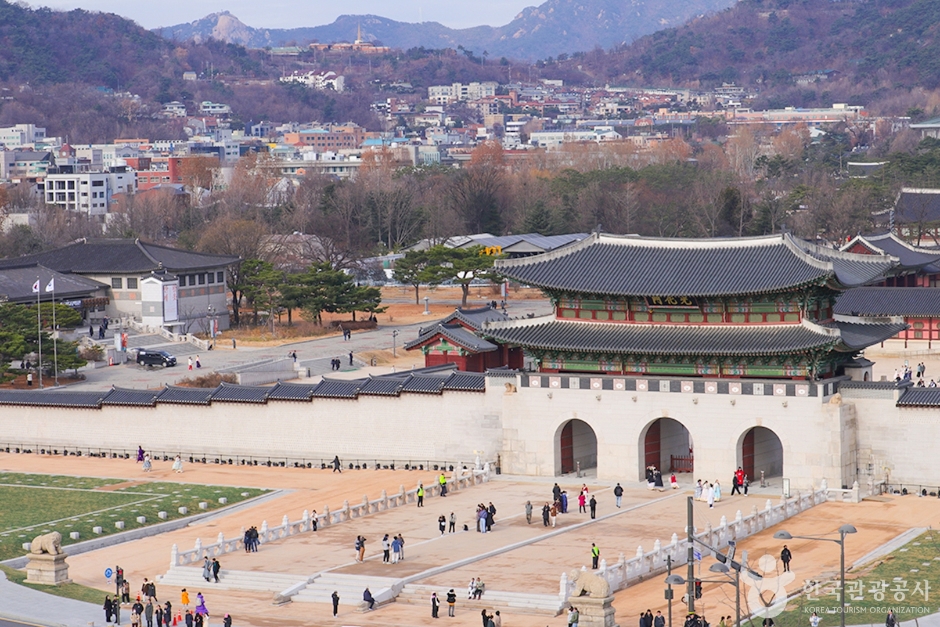
Gwanghwamun Gate (광화문)
1.2Km 2024-12-04
161 Sajik-ro, Jongno-gu, Seoul
Built in 1395 under the reign of King Taejo, the first king of the Joseon dynasty, Gwanghwamun Gate is the southern gate of Gyeongbokgung Palace. It is also the main gate of the palace, therefore larger and fancier in comparison to the other gates. Gwanghwamun Gate consists of three arched gates; the center gate was used by the king, while the other two were used by the crown prince and royal officials. The tall granite walls of the gate serve as a platform for the wooden gate tower that watches over the city. The gate has a sign with its name written at the top center of the gate tower.
Gwanghwamun Gate went through several damages and restorations over the course of history. It was first severely damaged during the Imjin War (1592-1598) and was not restored until the reconstruction of Gyeongbokgung Palace in 1864. Under the Japanese administration, the gate was demolished and relocated to the north of the palace's eastern gate, followed by series of damages during the Korean War (1950-1953). In 1968, Gwanghwamun Gate was relocated back to the south of the palace and was rebuilt using concrete; however, the gate’s position was shifted a few meters away from its original location. In 2006, a major reconstruction project took place to restore Gwanghwamun Gate to its original state and location, disassembling the structure completely and replacing concrete with granite and wood. After three years and eight months of construction, Gwanghwamun Gate was fully restored to its original form and was open to the public on August 15, 2010.
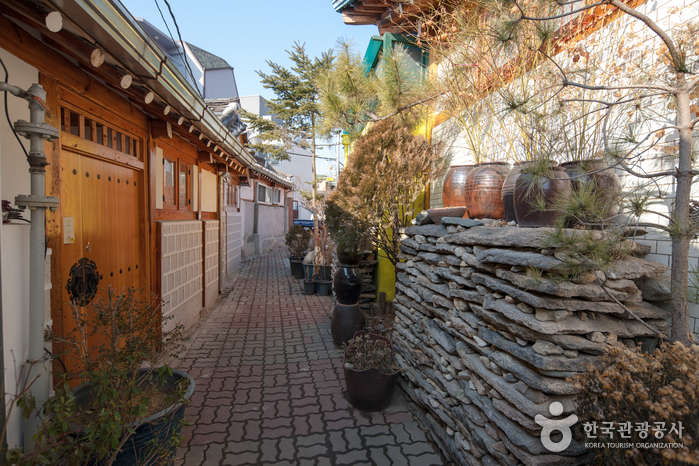
Seochon Village (서촌마을)
1.2Km 2024-12-02
45 Pirundae-ro, Jongno-gu, Seoul (Nuha-dong)
Seochon Village is the name given to the area to the west of Gyeongbokgung Palace. It is a historic village, home to old shops and hanok buildings that have stood the test of time. Korean traditions and contemporary sensibilities coexist within Seochon Village’s maze-like alleyways, creating the unique ambience that makes the district so beloved. One can find shops, guesthouses, cafés, and restaurants in the village.
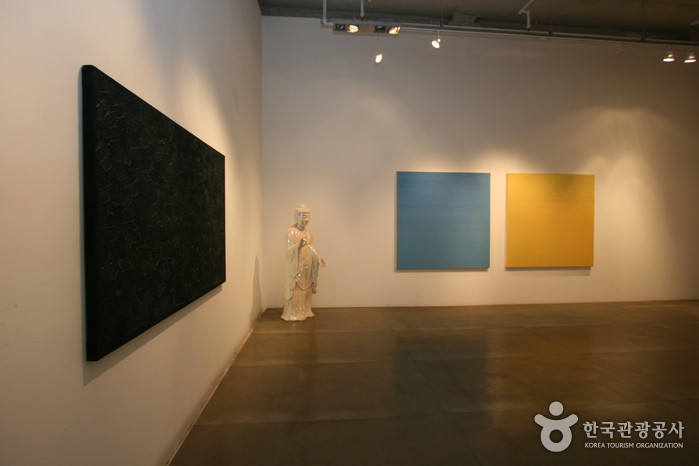
Gallery Simon (갤러리 시몬)
1.2Km 2022-09-15
20, Jahamun-ro 6-gil, Jongno-gu, Seoul
Since its opening in April, 1994, Gallery Simon has continued to focus on promoting the beauty of modern art. Exhibitions include works from experienced artists as well as the works of budding artists, both from Korea and abroad. Select artists, referred to collectively as "Simon's Friends," have exhibitions annually. The changing collections allow the museum and featured artists to constantly strive for improvement and follow the changes in art over time.
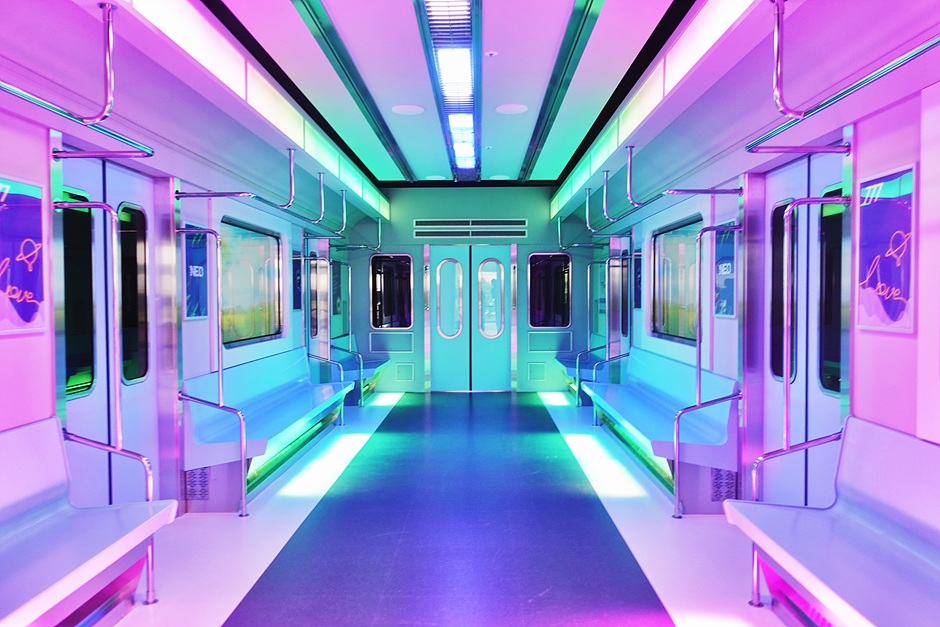
HiKR Ground (하이커 그라운드)
1.2Km 2025-10-29
40 Cheonggyecheon-ro, Jung-gu, Seoul
Located inside the Korea Tourism Organization Seoul Center, HiKR Ground is a Korean tourism publicity center where visitors can experience K-pop and view media art at the same time. The name "HiKR Ground" embodies the meaning that Korea (KR) will greet ("Hi") global tourists and become a playground. Notably, it provides Korean tourism content in multiple ways for the younger generation to enjoy. On the first floor, there is a space to enjoy various media arts through the large media screen HiKR Wall, where visitors can see "Landscape of the New City" by media artist Lee Lee-nam, and Korean tourism videos submitted by global hallyu fans. On the second floor, visitors can make their own K-pop music videos using the XR Live Studio. At the window facing the restored Cheonggyecheon Stream, there is a mesmerizing artwork called ''North Wall'' by installation artist Suh Do-ho. On the third and fourth floors, visitors can get immersed in Korean local tourism through various arts, experiences, and exhibitions.
We Ride (위라이드)
1.2Km 2023-07-28
40 , Cheonggyecheon-ro, Jung-gu, Seoul
"The best way to tour Seoul"
With WeRide's certified tour guides, travelers can experience unforgettable memories by riding an electric bicycle to attractions hidden all over Seoul. The tour takes 2 hours and 30 minutes, and participants can safely tour around Seoul with a professional guide. The fun of electric bicycles adds to the joy of the guide's story of Korean culture. If there are guests who cannot ride bicycles, they can use electric rickshaws. There is also a bicycle rental service for bicycle riders traveling in Korea.
Mediround.Corp (주식회사 메디라운드)
1.2Km 2025-10-23
10F, Unit B1031, 8, Gangnam-daero 69-gil, Seocho-gu, Seoul
Mediround is a specialized infrastructure service company providing expert assistance (HELP) for attracting international patients.
- H (Human Resource): Matching medical interpreting and customer service (CS) personnel
- E (Education): Training and development of professionals for international patient attraction
- L (Logic): Registration of international patient attraction institutions and setting up attraction business infrastructure
- P (Promotion): Development of international patient attraction products and global promotion
Mediround operates the international medical coordinator subscription service, Mycoordy. Mycoordy offers information on Korean medical institutions, online consultation, reservation services, interpretating support, and payment services.
MJ FLB ((주)엠제이에프엘비)
1.2Km 2025-10-23
#809, 8F, 40 Cheonggyecheon-ro, Jung-gu, Seoul
MJ FLB attracts foreign patients in eight medical specialties (plastic surgery, dermatology, dentistry, ophthalmology, gynecology, men's urology, orthopedics, and physical checkups), mainly targeting Chinese-speaking clients. It provides dedicated reservation and consultation services to foreign patients. Additionally, it has professional Chinese medical interpreters to ensure smooth communication between the hospital staff and patients, thus ensuring an efficient treatment. MJ FLB attracts foreign patients through customized social media promotions and marketing collaborations with influencers who have experienced its hospital services.
 English
 한국어
한국어 日本語
日本語 中文(简体)
 Deutsch
 Français
 Español
 Русский


