Mosim (모심)
6.2Km 2025-05-20
8 Gaeunsa-gil, Seongbuk-gu, Seoul
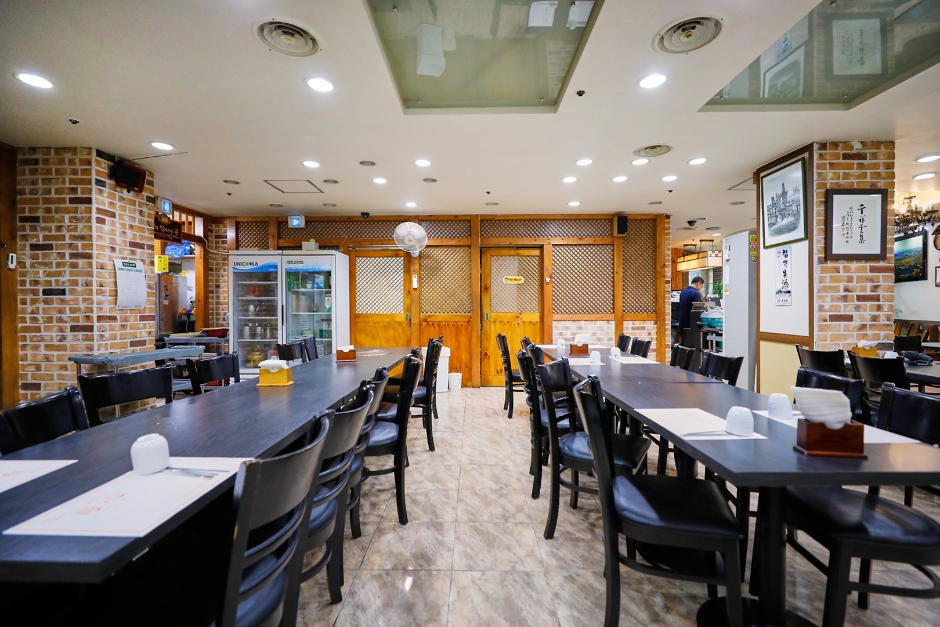
Mosim is a Korean table d’hote restaurant that offers a variety of menus to choose from depending on the kind of dishes and the number of side dishes. The set menu, which includes main dishes, such as hwangtae gui (grilled dried pollack) and galbitang (galbi soup), and side dishes, such as salad, japchae, and seasoned vegetables, is plentiful in amount and variety enough to fill the table. There are menu items that can be enjoyed individually, such as samgyetang, bibimbap, and yukgaejang (spicy beef soup). The restaurant’s menu comprises nutritious dishes that soothe one's tired mind and body. The restaurant has private rooms that can accommodate 4, 8, 12, 16, 20, 24, and 30 people, so it is a good option for guests seeking a quiet meal with the family or group gatherings.

Lee & Chaeum Skin Clinic (리앤채움의원)
6.2Km 2025-10-23
4F, 837, Nonhyeon-ro, Gangnam-gu, Seoul
Lee & Chaeum Skin Clinic offers medical semi-permanent makeup procedures through a collaboration between beauty technicians and experienced medical professionals.
We provide a range of treatments, including eyebrow, scalp, hairline, lip, and eyeliner tattoos, with personalized solutions and a comprehensive aftercare program.
The clinic holds a patented 3D micro needle technology for natural results, and our Chaeum Pigment has received Dermatest Seal and trademark registration from the Korean Intellectual Property Office, ensuring superior results for our clients.
As a designated hospital of the Korean Film Actors Association (KFAA), we contribute to the growth of K-beauty.
Topface Plastic Surgery (탑페이스성형외과의원)
6.2Km 2025-10-23
(4th Floor, Apgujeong Building), 842 Nonhyeon-ro, Gangnam-gu, Seoul
Top Face Plastic Surgery is located at Exit 3 of Apgujeong Station and specializes in eyelid and nose revision surgeries as well as facelifts. The clinic’s medical team is committed to ensuring high safety and satisfaction with their extensive experience and expertise.
Top Face Plastic Surgery does not recommend unnecessary procedures and focuses on personalized surgeries tailored to individual needs rather than a one-size-fits-all approach. The clinic adheres to strict safety protocols and operates with various safety systems in place. All operating rooms are equipped with closed-circuit televisions, ensuring that every surgical procedure is recorded in real time, making the clinic transparent and free of shadow doctors or ghost surgeries.
The clinic is committed to achieving distinctive beauty through inner healing as its core philosophy.
JK Plastic Surgery Center (제이케이성형외과의원)
6.2Km 2025-10-23
(JK Building), 835 Nonhyeon-ro, Gangnam-gu, Seoul
JK Plastic Surgery Center is the first hospital in Korea certified to serve international patients. (*permit number 0001).
and have treatment of foreign patients from 110+ countries, with more than 100,000 Cases.
We have Differentiated medical services and safety systems, resident of anesthesiologists.
Also, JK Plastic Surgery Center is the first and only Korean Plastic Surgery Center for Health and Welfare Ministry certified with 4 consecutive cycles of KHAF.
Riz Laser Center (리즈산부인과)
6.2Km 2025-10-23
(3th-4th Floors, Gyeongseo Building), 127 Dosan-daero, Gangnam-gu, Seoul
We are the first hospital to use lasers in female genital plastic surgery, naming it "Laser Vaginoplasty" and introducing it to the Korean obstetrics and gynecology community.
Our practice encompasses a wide range of procedures, including vaginoplasty, labiaplasty, vaginal tightening, hymenorrhaphy, and treatments of gynecologic disorders and sexually transmitted diseases, and cancer.
As a surgery center with equipment tailored to various needs of customers, we pride ourselves on our state-of-the-art surgical system, which cannot be found in other Korean obstetrics and gynecology clinics. In addition, we have an advanced network system to provide expert medical care to patients at all centers in the Riz’ obstetrics and gynecology network through our attending and referred systems for laser female plastic surgery.
Deesse Plastic Surgery (청담여신성형외과의원)
6.2Km 2025-10-29
(14th-15th Floors, Nonhyeon-dong), 108 Dosan-daero, Gangnam-gu, Seoul
Deesse Plastic Surgery provides the highest level of medical care in Korea in the fields of lip plastic surgery, rhinoplasty, facial bone contouring, face-lift, and eyelid surgery. Many foreign patients are visiting us after hearing about our reputation. In order to provide high-quality medical services to foreign patients, we have interpretation coordinators available for Japanese, Chinese, Thai, and other languages on site. Also, we constantly strive to improve the quality of medical services to ensure the best experience for international patients. As a result, the hospital is rapidly gaining recognition by people around the world interested in receiving plastic surgery in Korea, and the results have been remarkable and foreign customers who visited our hospital showed high satisfaction. Our efforts have been rewarded in 2023 as we were designated by the Ministry of Justice for excellent medical tourism.
Trinity Women's Clinic (트리니티여성의원)
6.2Km 2025-10-23
3F, 108 Dosan-daero, Gangnam-gu, Seoul
Trinity Women’s Clinic provides the best medical service for women suffering from health issues unique to women, such as vaginitis, fibroids, and menopause.
The clinic aims to enhance patients’ quality of life through accurate and safe treatments. It aspires to become a reliable clinic that treats both women's minds and bodies. The clinic focuses on women's health and uterine treatments. At the same time, it guarantees optimum outcomes realized through its proven facilities, equipment, and safe medical environment.
Through continuous technological development and acquiring new medical knowledge, Trinity Women’s Clinic offers innovative treatments, including HIFU procedures, to improve patient health.
Ruby Plastic Surgery Clinic (루비성형외과의원)
6.2Km 2025-10-23
9th-10th Floors, Lex Tower, 108 Dosan-daero, Gangnam-gu, Seoul
Ruby Plastic Surgery, located at Sinsa Station in Gangnam, is a premium medical institution where board-certified specialists in plastic surgery and dermatology collaborate to provide personalized beauty solutions. We offer a comprehensive range of treatments including eyes, nose, facelift, facial contouring, body contouring, body lift, skin lifting, and skin rejuvenation. With extensive experience in serving international patients, we ensure safety, state-of-the-art equipment, and a systematic post-care program. Prioritizing patient satisfaction and natural results, we deliver medical services at a truly global standard.
Anxin International Medical Co,.Ltd (안심국제 주식회사)
6.2Km 2025-10-23
(#3532), 41 Nonhyeon-ro 151-gil, Gangnam-gu, Seoul
Established in 2016, Anxin International Medical has been dedicated to attracting international patients since its inception. Over the past eight years, we have grown into a specialized medical tourism company with extensive experience. The company holds international travel agency permits, certified coordinators, and cosmetologist licenses, having served over 1,000 tourists during this time. Anxin International Medical offers a comprehensive range of services, including Korean medical consulting, interpretation, appointment scheduling, caregiving, airport pickups, and guided tours. The company has strong partnerships with numerous reputable Korean plastic surgery clinics, dermatology centers, health checkup clinics, dental clinics, hair transplant centers, obstetrics and gynecology clinics, and general hospitals. We remains committed to our founding principle: providing a "safe and reliable journey in Korea".
Jamunbak Cultural Festival (자문밖문화축제)
6.2Km 2025-10-23
5 Pyeongchang 31-gil, Jongno-gu, Seoul
+82-2-6365-1388
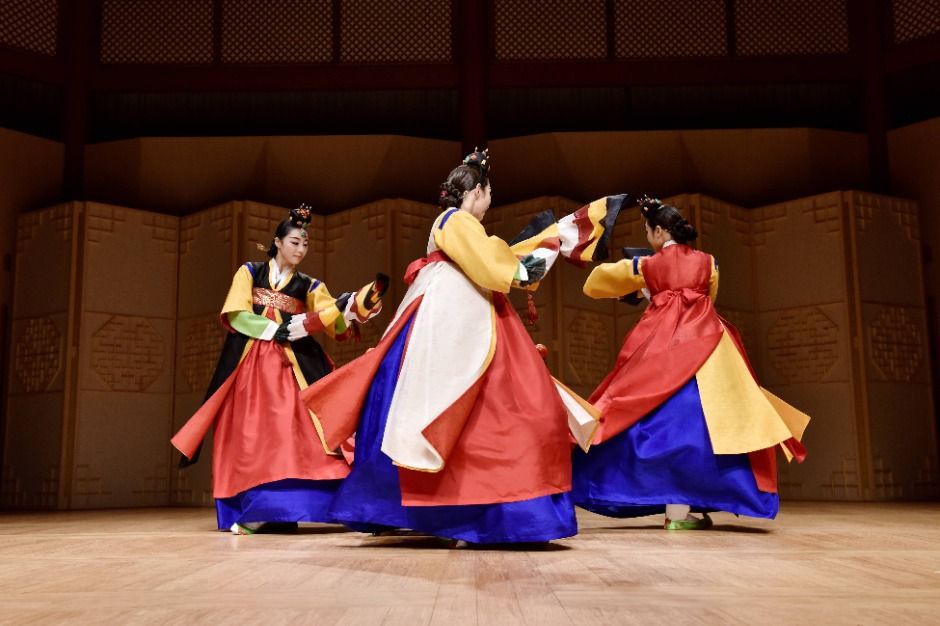
The Jamunbak Festival is a celebration of the artistic life of Seoulites. At the foot of Bukhansan Mountain, the festival features exhibitions, performances, forums, workshops, and field trips that bring together artists of different generations and citizens of Seoul—who have long led Korea’s artistic culture—to reflect on and propose new directions for their own artistic lives. The festival aims to create a platform where emerging artists experimenting with new aesthetics, mid-career artists who form the backbone of Korean art, collectors, critics, students, and the general public can all engage in dialogue together.
 English
 한국어
한국어 日本語
日本語 中文(简体)
 Deutsch
 Français
 Español
 Русский


