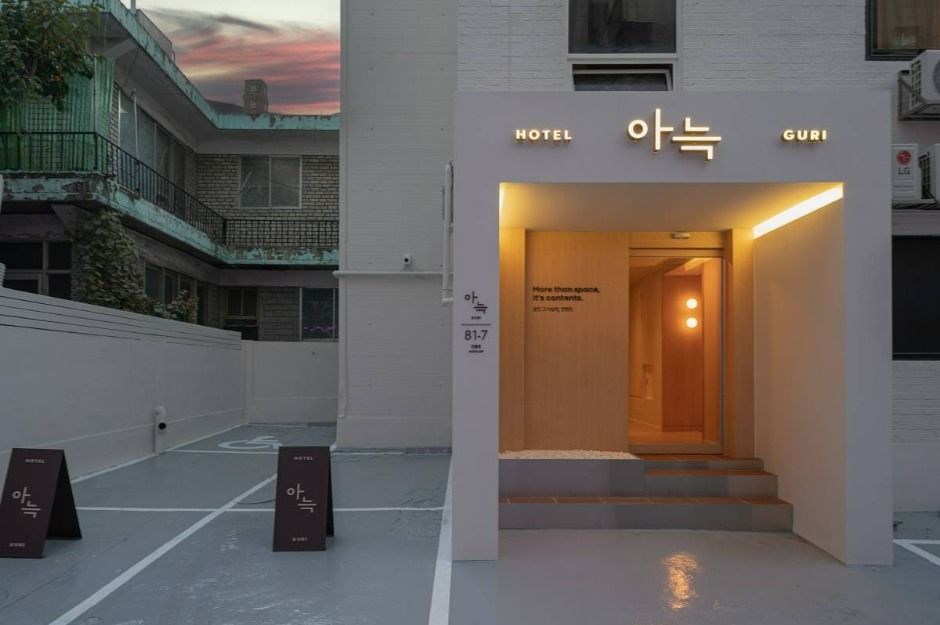
The Hyooshik Aank Hotel Guri (더휴식 아늑호텔 구리점)
15.7Km 2025-04-24
81-7 Angol-ro, Guri-si, Gyeonggi-do
The hotel offers a variety of themed rooms, such as a standard room for a comfortable stay, a cartoon room with comic books, a music room with a Geneva speaker, a wine room with a wine fridge and wine glasses, a 2PC room equipped with gaming computers, a movie beam room with a beam projector, a play room with a PlayStation 4, a golf room with golf equipment, and a deep sleep room with a massage chair. The hotel also offers parking facilities and a guest lounge.

Myongji Hospital (명지병원)
15.8Km 2025-10-23
55 Hwasu-ro 14beon-gil, Deogyang-gu, Goyang-si, Gyeonggi-do
Myongji Hospital is a general hospital located in Goyang-si with various departments and specialized treatment centers.
We operate Breast Thyroid Center, Prostate Cancer and Kidney Cancer Center, Ovarian Cancer and Gynecological Cancer Center, and Robotic Surgery Center for specialized treatment, and have introduced the latest medical device, da Vinci Xi to conduct surgeries for various types of cancer as well as robotic surgeries for a wide range of benign diseases. In addition, we provide more specialized and prompt medical services to patients through advanced facilities such as the Radiology Center, Rehabilitation Center, Intervention Center, and Comprehensive Health Checkup Center. Specifically, we are prominent in the field of organ transplantation and operate the Organ Transplant Center performing liver, kidney, lung, and heart transplants. We offer interpretation services for foreign patients by professional coordinators who speak English, Russian, Mongolian, and Chinese to eliminate language barriers by opening the International Medical Center in 2009 and provide guesthouses, airport pick-up and send-off services for foreign patients as well to maximize their convenience.
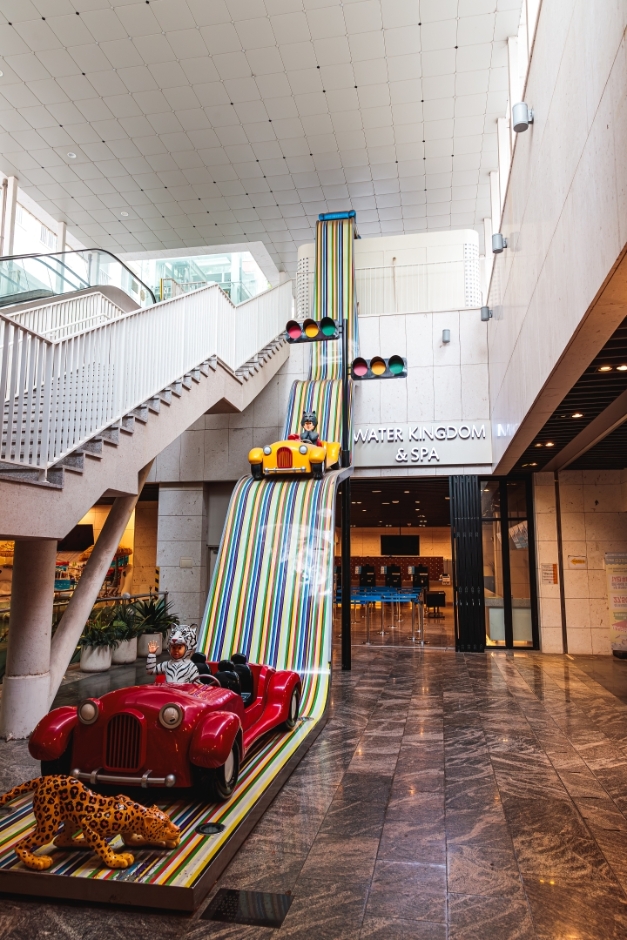
Park Habio Water Kingdom Water Park & Jjimjil Spa (파크하비오 워터킹덤&스파)
15.9Km 2025-10-24
111 Songpa-daero, Songpa-gu, Seoul
In the episode “Proxy Vacation,” where the members of Running Man take a summer vacation on behalf of the viewers, they are seen enjoying swimming and sliding in a cool pool. This refreshing vacation spot is the Water Kingdom & Spa in Songpa Park Habio. This indoor water park, open 365 days a year regardless of the weather, offers a variety of fun activities. If you get tired after playing in the water all day, you can also rest and recharge in the spa.
East Nine Royal Tombs [UNESCO World Heritage] (구리 동구릉 [유네스코 세계문화유산])
15.9Km 2024-03-20
197 Donggureung-ro, Guri-si, Gyeonggi-do
The East Nine Royal Tombs, situated on the eastern outskirts of Hanyang (the Joseon dynasty capital), represent a significant collection of nine royal burial sites. This area serves as the final resting place for seven kings and ten queens from the Joseon era. The surrounding forest paths are accessible to the public during the spring and fall seasons. Additionally, the East Nine Royal Tombs Healing Culture and Arts Festival takes place here every autumn, offering a blend of cultural and artistic experiences.
Anyang Art Park (안양예술공원)
15.9Km 2025-10-23
7 Yesulgongwon-ro 131beon-gil, Manan-gu, Anyang-si, Gyeonggi-do
Anyang Art Park, formerly known as Anyang Recreational Park, is an easily accessible, well-maintained cultural space. It has been revitalized with updated features such as artificial waterfalls, an outdoor stage, a plaza, walking paths, and enhanced lighting facilities. The park promotes art projects by displaying 50 artworks from renowned Korean and international artists throughout various locations. Nearby, visitors can explore additional local attractions including hiking trails through dense forests, traditional temples such as Anyangsa Temple and Yeomburam Hermitage, the treasure-designated Flagpole Supports at Jungchosa Temple Site, and the Kimchungup Architecture Museum, all of which contribute to a rich area experience.
![[Seoul Trail Course 1] Suraksan · Buramsan Mountain Course ([서울 둘레길 1코스] 수락 · 불암산 코스)](http://tong.visitkorea.or.kr/cms/resource/16/2658216_image2_1.jpg)
[Seoul Trail Course 1] Suraksan · Buramsan Mountain Course ([서울 둘레길 1코스] 수락 · 불암산 코스)
16.2Km 2025-01-06
Junggye-dong, Nowon-gu, Seoul, Republic of Korea
Seoul Trail is a walking trail that encompasses the entire city of Seoul, with a total length of 157km and 8 courses. It weaves together the history, culture, and natural ecology of Seoul through various stories. The 1st course is a gentle path from Suraksan Mountain to Buramsan Mountain, covering 18.6km and taking approximately 8 hours and 10 minutes. This trekking course around Buramsan Mountain passes through Iris Garden, Deongneung-gogae, Information Center, Taereung Royal Tomb, Suamsa Temple, and Hakdoam Temple.
KUIMS (강동경희대학교병원)
16.5Km 2025-10-23
892 Dongnam-ro, Gangdong-gu, Seoul
Kyung Hee University Hospital At Gangdong (KUIMS), located in Gangdong-gu, Seoul, has three university hospital organizations: the School of Medicine, the School of Korean Medicine, and the School of Dentistry. As we use an international brand name KUIMS, we prioritize the convenience and satisfaction of foreign patients. With our advanced medical technologies such as high-difficulty critical disease surgery, robotic surgery, and organ transplantation, we provide fast-track services for all treatment processes such as outpatient appointments, various tests and surgeries, and hospitalization.
In addition, we provide free 1:1 professional medical interpretation and operate a 24-hour hotline with specialized services such as the International Healthcare Center, International Lounge, and a ward for international patients only for the convenience of foreign patients.
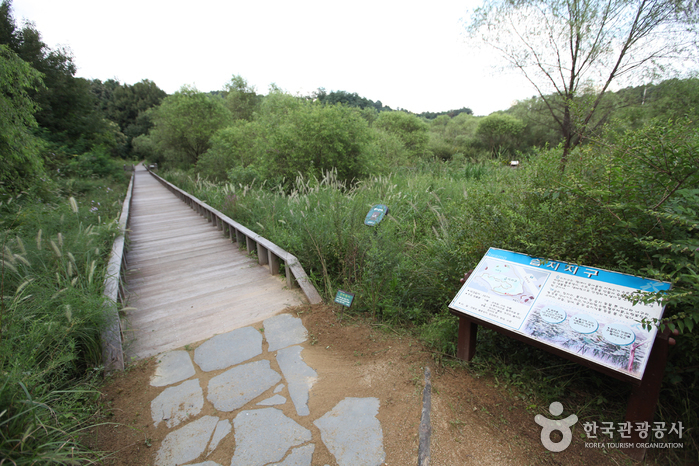
Gildong Ecological Park (길동생태공원)
16.5Km 2021-10-23
1291, Cheonho-daero, Gangdong-gu, Seoul
Gildong Ecological Park was founded by the Seoul government by restoring the wetland on the side of Cheonho-daero. The park maintains and preserves a wide range of flora and fauna in their natural habitats, allowing park visitors to observe plants, animals and insects in a natural ecosystem, and to learn about the importance of nature conservation.
The 80,683 ㎡ park is divided into a wetland zone, forest zone, and grassland zone. Amenities include an outdoor classroom, outdoor exhibition space, observation deck, pergolas, and more. The bird observation platform in particular is a great way to birdwatch in the urban landscape.
Bucheon Bow Museum (부천활박물관)
16.5Km 2021-12-23
482, Sosa-ro, Bucheon-si, Gyeonggi-do
Reflected by the outstanding performance of Korean archers at recent Olympic games, Koreans have an esteemed reputation for their skills in archery and craftsmanship. But this undoubted skill has historical precedent, as bows were an important weapon of war throughout Korean history. The Bucheon Bow Museum was established to show visitors the spirit of Korean archery, and demonstrate its ancestral traditions of bowyer craftsmanship. The museum houses traditional bows (gukgung), which are considered prized cultural pieces, and have been made by a Bucheon family, which has fostered a lineage of bowyers across five generations. In addition, the museum exhibits various pieces and articles related to archery.
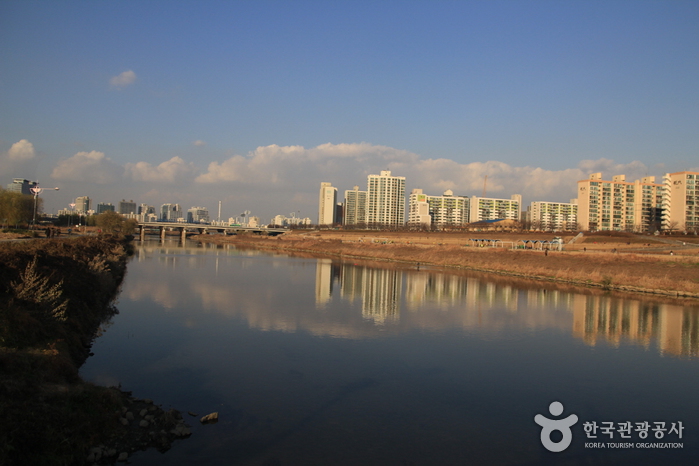
Anyangcheon Stream (안양천)
16.8Km 2025-01-13
Seoksu-ro, Manan-gu, Anyang-si, Gyeonggi-do
Anyangcheon Stream flows through seven cities in Gyeonggi-do as well as 7 districts of Seoul. The stream starts from the valley, south of Cheonggyesan Mountain, in Uiwang, Gyeonggi-do and flows 35.1 kilometers to the Hanggang River between Yeongdeungpo-gu and Yangcheon-gu. Various types of birds enjoy the stream making it an ecology stream in the middle of the city as well as provide citizens with leisure including bicycle path, bridges, rest area, sports facilities and more.
 English
 한국어
한국어 日本語
日本語 中文(简体)
 Deutsch
 Français
 Español
 Русский


