![Innisfree - Gwanggyo Branch [Tax Refund Shop] (이니스프리 광교)](http://tong.visitkorea.or.kr/cms/resource/76/2889476_image2_1.jpg)
Innisfree - Gwanggyo Branch [Tax Refund Shop] (이니스프리 광교)
11.9Km 2024-04-22
#103, 298, Gwanggyojungang-ro, Suji-gu, Yongin-si, Gyeonggi-do
-
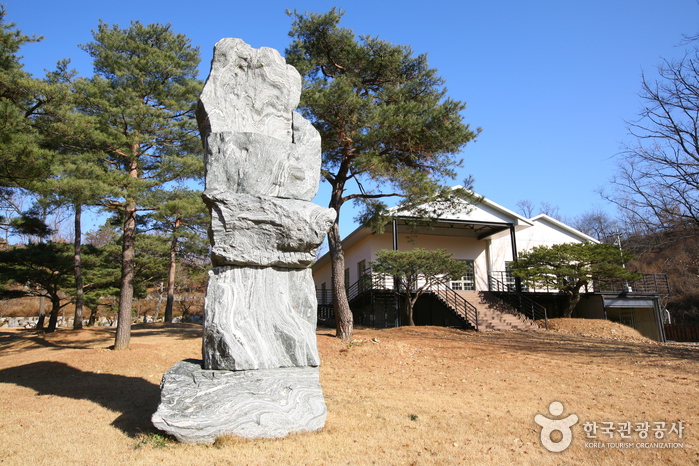
Ieyoung Contemporary Art Museum (이영미술관)
12.1Km 2021-05-28
63, Heungdeok 4-ro, Giheung-gu, Yongin-si, Gyeonggi-do
Ieyoung Contemporary Art Museum opened in June 2001 to showcase artworks that were personally collected by the gallery owners. Upon entering the eco-friendly exhibition space, visitors will be met by works of Korea's famous contemporary artists. In particular, the gallery has the largest collection of works by Park Saeng-gwang, a patriotic painter. In 2004, to mark the 100th anniversary of Park’s birth, the gallery created a foundation with the dual purpose of studying Park and his works and identifying undiscovered interpretation of Korea's tradition.
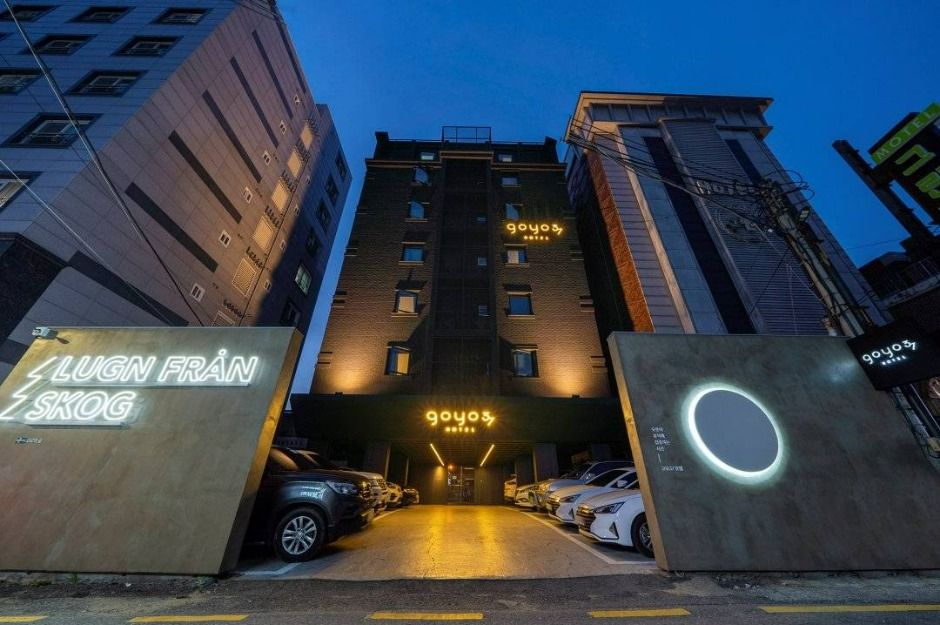
The Hyooshik Goyo 37 Hotel Osan (더휴식 고요37호텔 오산점)
12.2Km 2025-04-18
35-16 Wondong-ro 37beon-gil, Osan-si, Gyeonggi-do
The hotel offers diverse theme-based rooms with exceptional service. Guests can enjoy a variety of content in their rooms, including movies, PlayStation games, and music. Additionally, the hotel lobby features a game zone equipped with darts and game consoles, making it perfect for guests seeking relaxation while enjoying some entertainment.

Gwanggyosan Mountain (광교산)
12.5Km 2024-02-29
58 Sanggwanggyo-dong, Jangan-gu, Suwon-si, Gyeonggi-do
Gwanggyosan Mountain straddles the cities of Suwon and Yongin. Its summit, Shirubong Peak, stands at 852 meters above sea level. The mountain is located in a plain area with no large mountains around it, and the ridges are very gentle and lush with trees in all directions, so many people visit for forest bathing and hiking. Its winter snowscapes are particularly renowned. Notable cultural assets include the tomb and monument of General Kim Joon Ryong, built to commemorate his great victory during the Qing invasion of Joseon, and the tomb of Sim On who served as a civil minister in Joseon dynasty.
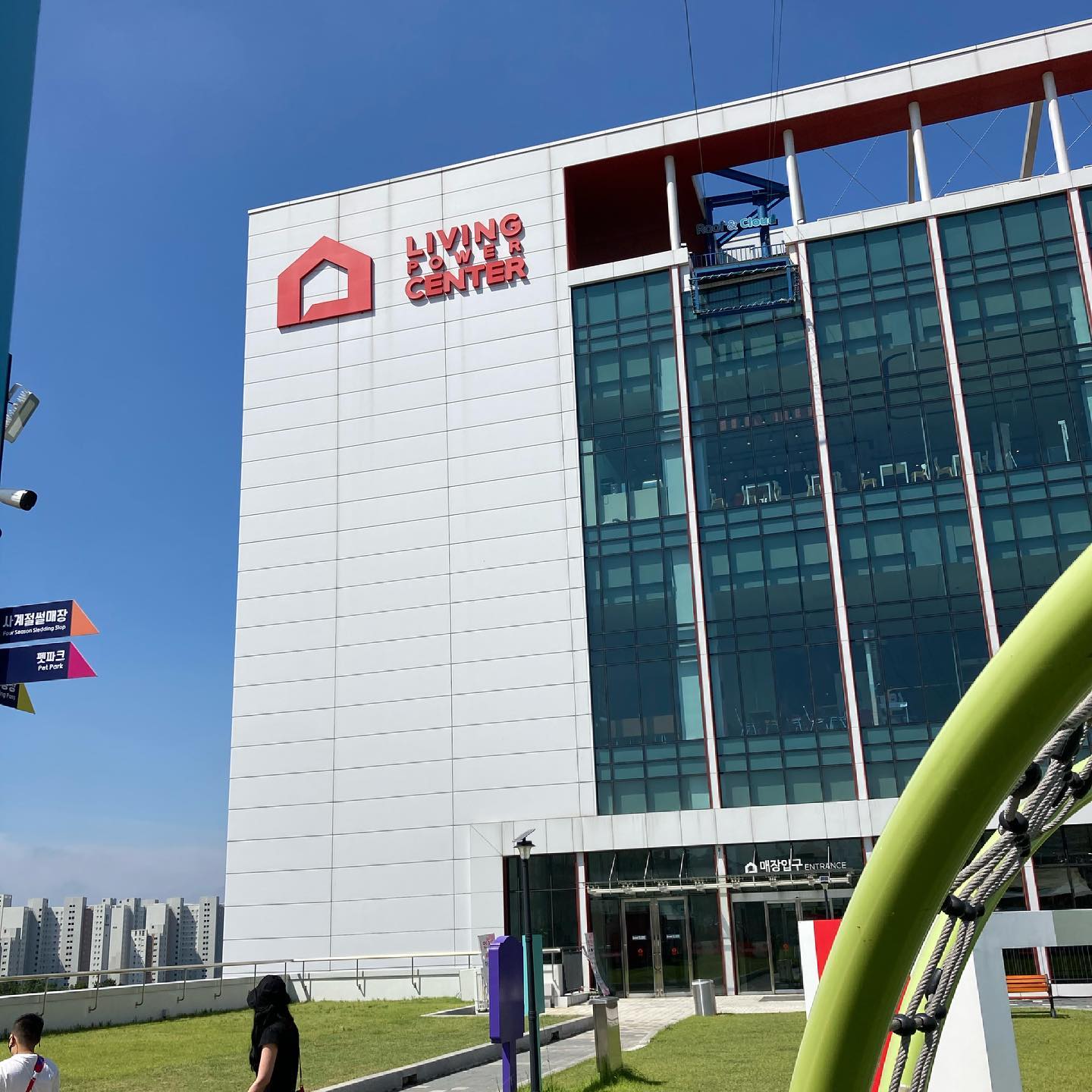
Living Power Center (리빙파워센터)
12.6Km 2024-10-25
59 Singomae-ro, Giheung-gu, Yongin-si, Gyeonggi-do
The Living Power Center is a shopping center offering various home and lifestyle goods, including furniture, appliances, food, and pet supplies. There is a water playground outside the center and various performances to delight young visitors.
Dongtan Lake Park (동탄호수공원)
13.0Km 2024-02-29
67 Dongtansunhwan-daero, Hwaseong-si, Gyeonggi-do
+82-31-5189-2667
Dongtan Lake Park, an artificial lake created by damming Songbangcheon Stream, is nestled in the heart of a residential area. This urban oasis offers a well-being space featuring expansive grassy fields and a picturesque picnic area by the lake. The park is equipped with walking trails, sports facilities, a water playground, and a large water fountain that hosts regular fountain shows. Additionally, from May to September each year, the Luna Show, a captivating multimedia fountain display, enhances the park's nighttime ambiance.
Gyeonggi Childrens Museum (경기도어린이박물관)
13.1Km 2022-12-20
6, Sanggal-ro, Giheung-gu, Yongin-si, Gyeonggi-do
+82-31-270-8600
Gyeonggi Children’s Museum was Korea's first experiential museum built specifically for children. It offers interactive exhibits and educational programs, attracting children to participate in person and feel the joy of learning. Children can choose what they'd like to study based on their individual interests, as well as learn various themes and concepts that help improve their imagination and creativity.
* Opening Date: September 26, 2011
Gyeonggi Gugak Center (경기도 국악당)
13.2Km 2021-11-26
89, Minsokchon-ro, Giheung-gu, Yongin-si, Gyeonggi-do
+82-31-289-6400
Gyeonggi Gugak Center opened in July 2004 to promote various traditional Korean culture as well as vitalize the traditional arts. The center consists of a concert hall and educational facilities, constantly upgrading to become a cutting edge facility.
![The Handsome Tommy Hilfiger - Lotte Giheung Branch [Tax Refund Shop] (한섬 타미힐피거 롯데기흥)](http://tong.visitkorea.or.kr/cms/resource/43/2882243_image2_1.jpg)
The Handsome Tommy Hilfiger - Lotte Giheung Branch [Tax Refund Shop] (한섬 타미힐피거 롯데기흥)
13.2Km 2024-04-19
124, Singomae-ro, Giheung-gu, Yongin-si, Gyeonggi-do
-
![Rockport - Lotte Outlets Giheung Branch [Tax Refund Shop] (락포트 롯데아울렛 기흥점)](http://tong.visitkorea.or.kr/cms/resource/64/2882264_image2_1.jpg)
Rockport - Lotte Outlets Giheung Branch [Tax Refund Shop] (락포트 롯데아울렛 기흥점)
13.2Km 2024-04-19
B1, 124, Singomae-ro, Giheung-gu, Yongin-si, Gyeonggi-do
-
 English
 한국어
한국어 日本語
日本語 中文(简体)
 Deutsch
 Français
 Español
 Русский


