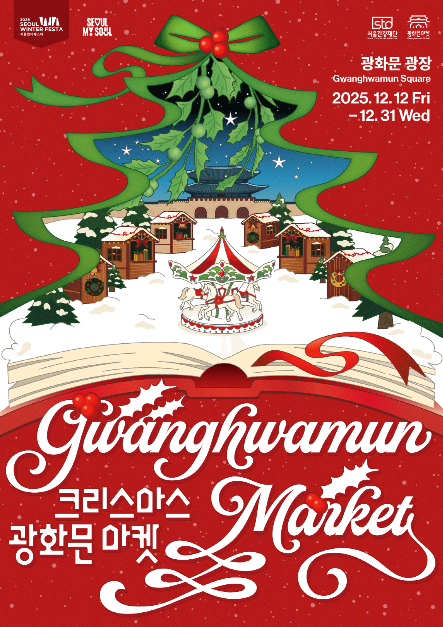
Gwanghwamun Market (광화문 마켓)
955.6M 2025-12-05
B172 Sejong-daero, Jongno-gu, Seoul
+82-2-337-3692
Gwanghwamun Market takes place along with the Seoul Lantern Festival to support local small businesses and promote Seoul night tourism. The market features local store owners and businesses that exhibit and sell seasonal decor, handcrafted items, and winter snacks.
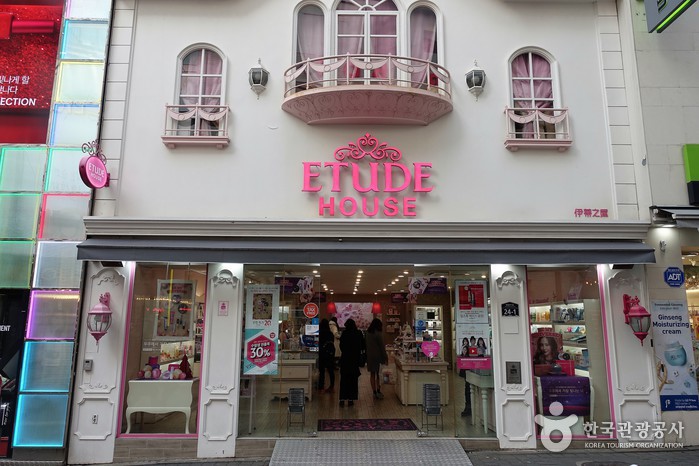
Etude house myeongdong chungmuro / 에뛰드하우스(명동충무로점)
959.5M 2025-08-11
24-1, Myeongdong 8na-gil, Jung-gu, Seoul
Etude House is a cosmetics brand that sells makeup, hair, and fragrance products. The Etude House Myeongdong Chungmuro Branch, located in the heart of a major shopping district, carries a wide selection of cosmetics that customers may test before purchasing. Moreover, the brightly lit store interior, designed with a princess bedroom decor, adds fun to the experience.
It is visited largely by foreign customers from Japan, Thailand, China and other East Asian countries. To facilitate an easy shopping experience, the shop always has foreign staff available to assist. The most popular items include creams made using snail extract, lipsticks and eye shadows. Etude House also has many sales on facial mask packs, and tax refunds are available.

WIZ & MI Clinic (위즈앤미의원)
967.4M 2025-10-23
#401-#403, 21 Myeongdong 7-gil, Jung-gu, Seoul
WIZ & MI Clinic presents unique beauty based on tailored, customer-oriented treatments and highly skilled know-how. Systemized and specialized treatments, along with standardization, enable the clinic to offer reasonable prices. Additionally, the clinic offers customized procedures for highly satisfactory outcomes and stability without side effects.
The medical staff at WIZ & MI Clinic have proven competencies, abundant clinical experiences, and expertise. With cutting-edge equipment, the clinic's competent staff members share their know-how through live demonstrations each year. WIZ & MIi Clinic pursues 'magic total beauty' that improves and balances physical beauty with a healthy mind. For this, the clinic conducts research and strives for healthy beauty for all its customers.
It is committed to providing honest care and helping patients re-discover their magical beauty and happiness.
![Lotte Outlets - Seoul Station Branch [Tax Refund Shop] (롯데아울렛 서울역점)](http://tong.visitkorea.or.kr/cms/resource/80/3003480_image2_1.jpg)
Lotte Outlets - Seoul Station Branch [Tax Refund Shop] (롯데아울렛 서울역점)
973.3M 2024-07-30
405, Hangang-daero, Yongsan-gu, Seoul
- Located in the heart of transportation at Seoul Station, LOTTE Seoul Station offers convenience with easy access to nearby public transport and parking and holds a diverse selection of brands under the YOUNG & SPORTY concept. Experience top-notch services tailored to our foreign guests in our Global Service Room.
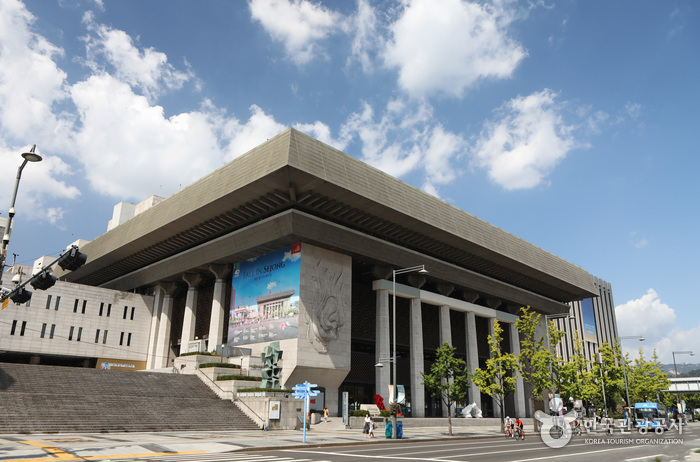
Sejong Center (세종문화회관)
976.4M 2023-06-14
175, Sejong-daero, Jongno-gu, Seoul
Sejong Center, officially known as Sejong Center for the Performing Arts, opened on July 1, 1999 to provide citizens with a cultural art space. Having completed a grand remodeling project in 2007, Sejong Center offers customer-friendly programs aimed at improving the quality of art performances in a comfortable resting area. Comprising the Grand Theater of Sejong Center, Sejong M Theater, Sejong Chamber Hall, Exhibition Hall, and other subsidiary facilities, Sejong Center is a multicultural art center.
Various genres of performances including traditional, classic, and crossover have taken place in the center, giving many opportunities for cultural nostalgia.
* Opened April 14, 1978
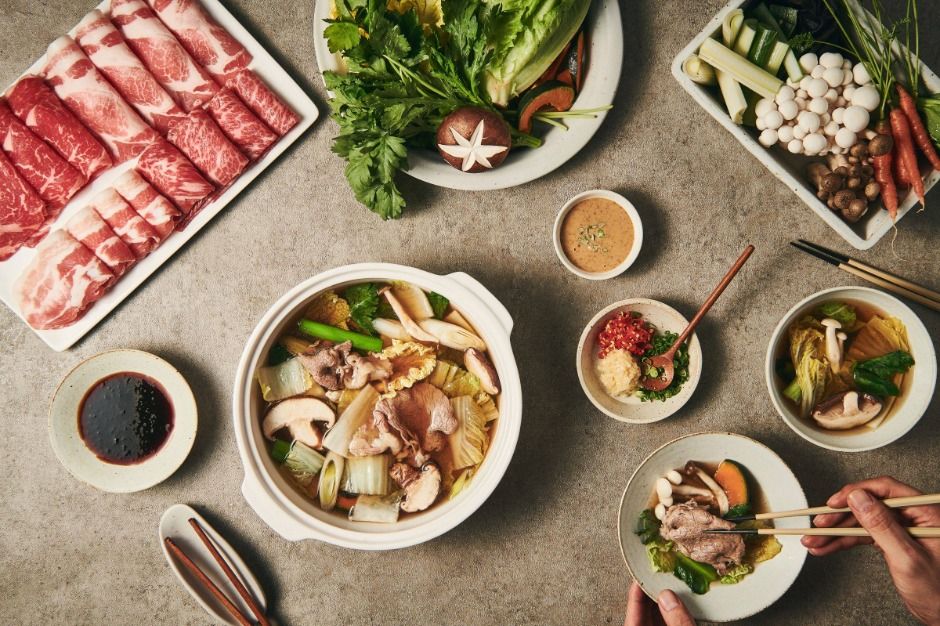
Modern Shabu House Gwanghwamun D Tower Branch (모던샤브하우스 광화문D타워점)
976.8M 2025-12-02
17 Jong-ro 3-gil, Jongno-gu, Seoul
Located in Jongno-gu, Modern Shabu House Gwanghwamun D Tower Branch offers a selection of specialty broths to enjoy unlimited beef, pork, and vegetables. The restaurant serves four cuts of pork and beef in every course. The interior is designed with natural materials like earth, stone, and wood, inspired by the fluid process of cooking ingredients like meat and vegetables in a pot. The design reflects the natural movement and flow of ingredients as they cook together. The restaurant also has a range of private rooms, making it a popular choice for families with children and for gatherings, providing a comfortable dining experience.
The Story of King Sejong (세종이야기)
994.4M 2022-09-13
jiha 175, Sejong-daero, Jongno-gu, Seoul
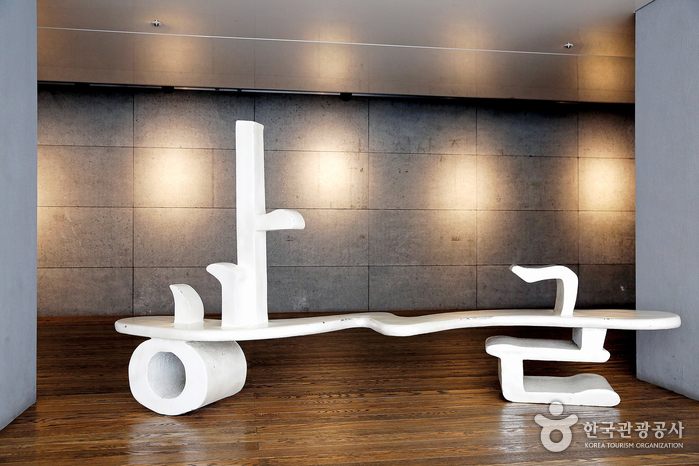
The Story of King Sejong comprises six different sections with a total area of 3,200 square meters. The museum consists of exhibition zones, an event space, video room, shop and more to display King Sejong’s scientific, artistic, military, and political contributions, including the theory of Minbon, which recognized the people as the base of politics. King Sejong, the 4th king of the Joseon dynasty (1397-1450, reigning from 1418-1450) was responsible for some of the most brilliant achievements in the history of Korea, including the creation of Hangeul (Korean alphabet) and great advancements in the areas of science, culture, art and politics.
The Clim Clinic (더끌림산부인과의원)
1.0Km 2025-10-23
(12th Floor, 2431 Building),109 Toegye-ro, Jung-gu, Seoul
For your healthy and beautiful life,
The Clim: Women Care Medical Group is always here for you.
At The Clim, female medical staff from Samsung Medical Center offer one-on-one consultations and personalized treatments.
Our all-female medical team provides emphatic care, understanding our patients better than anyone else.
We always listen to and address your deepest worries with warm-hearted treatment that is attuned to the needs of women, delivered by medical staff who possess both skills and expertise.
Our team consists solely of female obstetrician/gynecologists who have a deep empathy and understanding for their patients, ensuring that each patient feels more comfortable and satisfied with their procedures.
Drawing on our extensive experience, we promise to carefully consider each patient's unique physical structure, characteristics, and concerns, allowing us to effectively address even the most profound worries.
King Sejong Statue (세종대왕 동상)
1.0Km 2024-03-04
175, Sejong-daero, Jongno-gu, Seoul
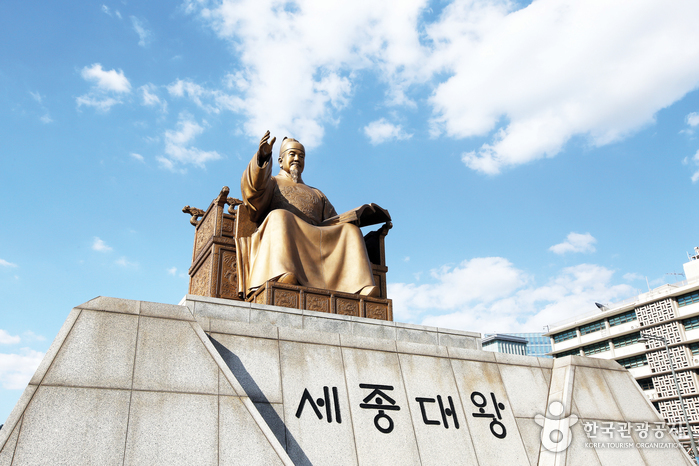
King Sejong Statue can be found at Seoul’s Gwanghawmun Square. The statue commemorates King Sejong the Great (1397-1450, reign 1418-1450), the fourth king of Joseon (1392-1897). He is thought to be the greatest king in Korean history, for he is credited with great developments in science and technology, expansion of Joseon’s territory, and the creation of the Korean script, [Hangeul]. King Sejong’s likeness can be found on the 10,000 won bill as well.
 English
 한국어
한국어 日本語
日本語 中文(简体)
 Deutsch
 Français
 Español
 Русский


