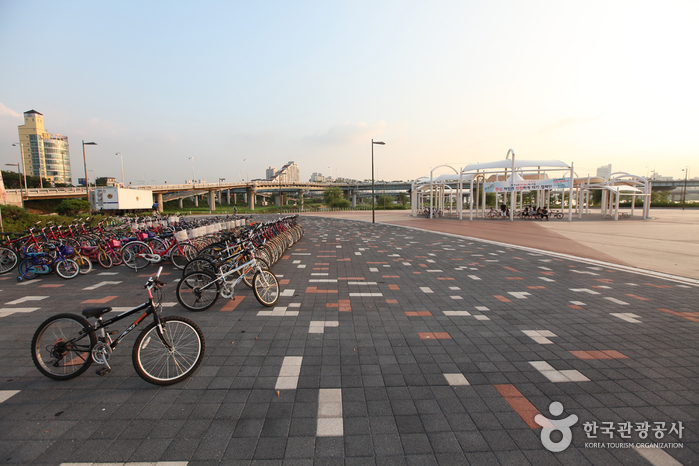
Gwangnaru Hangang Park (광나루한강공원)
13.4Km 2021-12-25
83-66, Seonsa-ro, Gangdong-gu, Seoul
+82-2-3780-0501
Hangang Citizen's Park, composed of 12 areas including Jamsil, Ttukseom and Jamwon, is an eco-friendly park providing areas for sports and leisure. The park is equipped with various cultural and recreational facilities and also has an ecological park. Gwangnaru Hangang Park formed naturally through rich silt that flowed in from the upper Hangang River that was then filled with reeds, creating an ideal habitat for groups of migratory birds.
Buramsan Butterfly Garden (불암산나비정원)
13.5Km 2024-07-19
51-27 Hangeulbiseok-ro 12-gil, Nowon-gu, Seoul
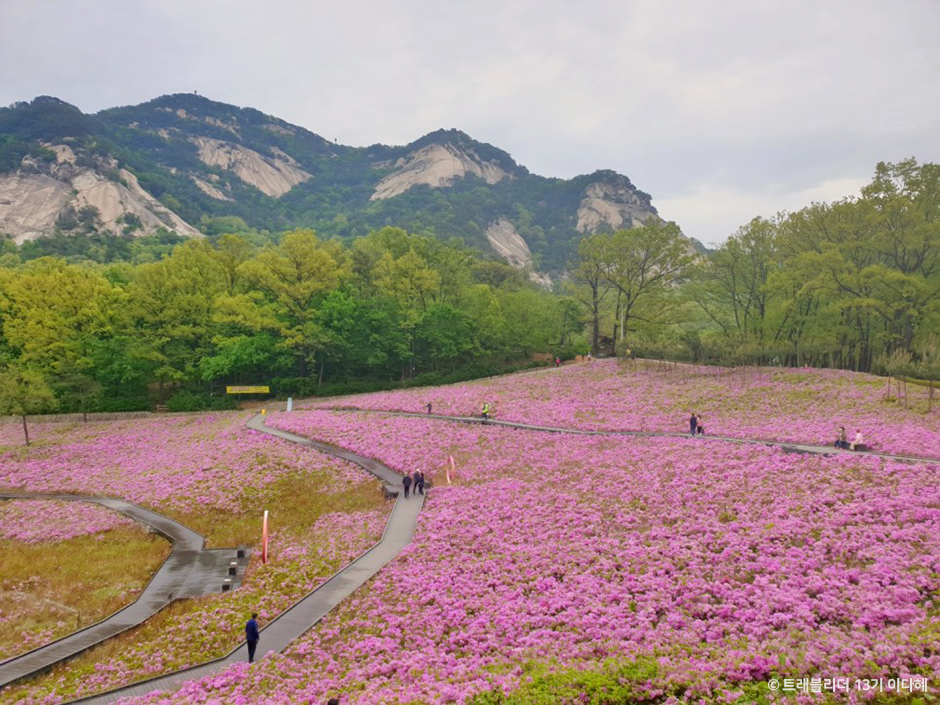
Buramsan Butterfly Garden is located within Buramsan Healing Town in Nowon. It is an exhibition garden where one can observe live butterflies all year round. The main building's first floor comprises an incubation center, a breeding center, and a butterfly greenhouse while the second floor is used as an insect education center. At the insect education center, visiors can observe materials related to and specimens of endangered insect species. Groups require a reservation in advance.
Jaunam Hermitage (자운암)
13.5Km 2023-05-08
Gwanak-ro, Gwanak-gu, Seoul
+82-2-882-3839
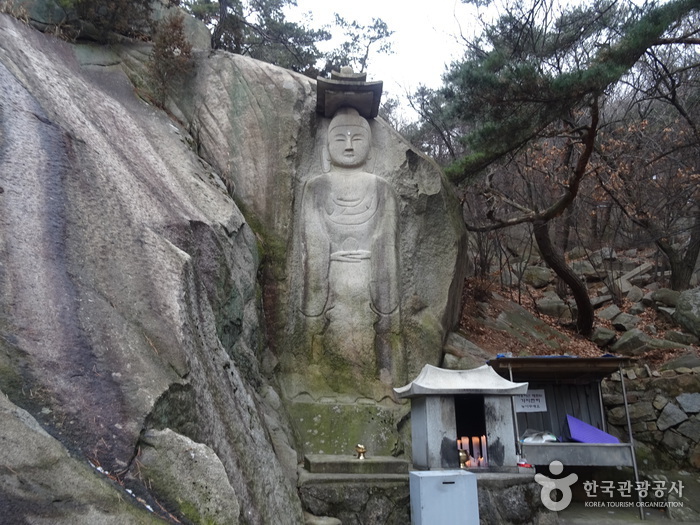
Jaunam Hermitage was originally built in 1396 by Great Monk Muhak of Joseon dynasty. It was renovated in 1734, and finally took shape of the hermitage we know today in 1976 when Monk Boryun added Daeungjeon Hall, Chilseonggak Pavilion, and Sansigak Pavilion. It is currently located in the famous Jahadong Valley on the Seoul National University campus.
Seoseoul Lake Park (서서울호수공원)
13.6Km 2022-10-19
20, Nambusunhwan-ro 64-gil, Yangcheon-gu, Seoul
+82-2-2604-3004
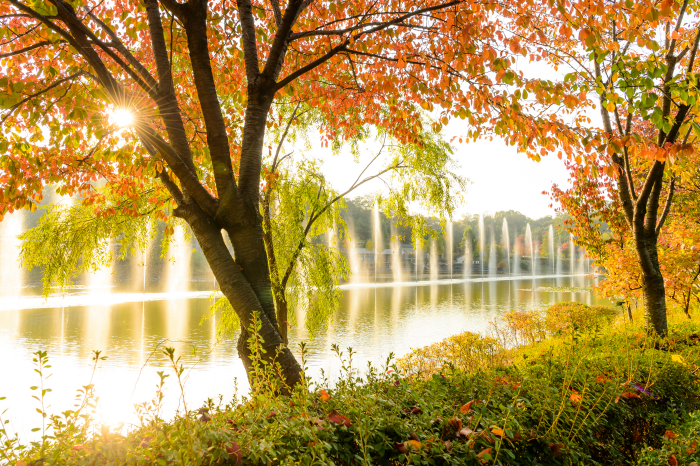
Covering over 225,000 ㎡ of land in the southwestern part of Seoul, Seoseoul Lake Park, also known as West Lake Park, was to resolve the regional imbalance in the city. The park is a eco-friendly park designed with the themes of "water" and "recycling." Before turning into a park, the area was used as a purification plant that produced approximately 120,000 tons of tap water to Seoul. The park has a children's playground, sports facilities like the soccer field, basketball court and badminton courts, and a cultural plaza. With its vast space and 24-hour operation, the park provides a relaxing ground for the citizens of Seoul.
Gwanaksan Mountain (관악산)
13.6Km 2023-01-02
Gwanak-ro, Gwanak-gu, Seoul
+82-2-879-6521
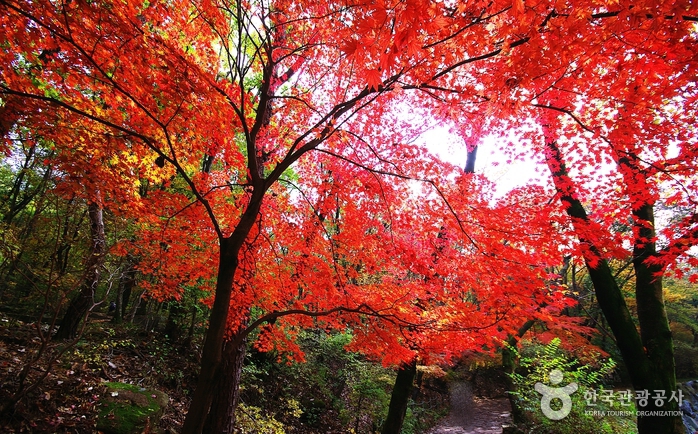
Reaching 632.2 meters in x_height, Gwanaksan Mountain is the symbol and pride of Gwanak-gu district in Seoul. Most of the cultural heritage of the district originates from Gwanaksan Mountain. Since it was designated as a city natural park in 1968, it has continued to serve as a favorite place for relaxation and excursion for Seoul citizens. The various rocky peaks and the deep valleys give the mountain a rugged feel. The mountain's size and close proximity to Seoul make it easy for Seoul residents to make a day trip.
In the spring, cherry blossoms are in full bloom near the entrance to the mountain, and a Rhododendron Festival is held when the rhododendrons are in full bloom. At the mountain's summit are Wongaksa Temple and Yeonjuam Hermitage, which were built by Taejo Yi Seong-gye (the founder of the Joseon dynasty) to ward off misfortune when he decided to move the capital to Seoul. There are also other temples and hermitages, and a ground radar observation post. Yeonjudae Hermitage, located atop a cliff, is where all the hiking trails of Gwanaksan Mountain meet.
Pungnap-dong Toseong Fortress (서울 풍납동 토성)
13.6Km 2025-01-10
Pungnap-dong, Songpa-gu, Seoul
+82-2-2147-2800
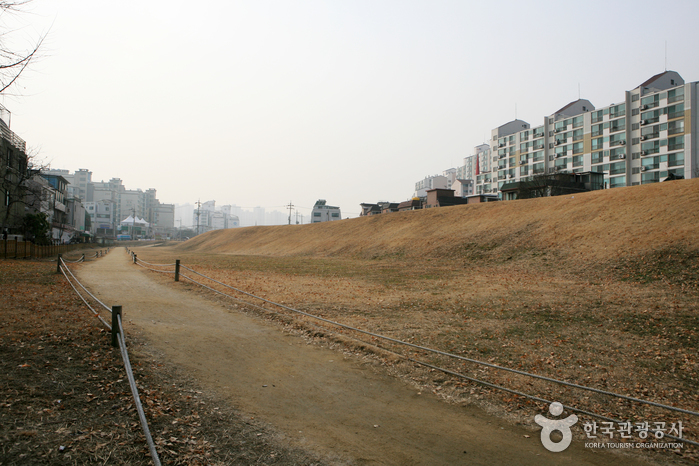
Onjo, the progenitor of Kingdom Baekje, first settled in Wiryeseong Hanam. But exact location is still unknown. One thing for sure, however, is that Pungnaptoseong Fortress, Mongchontoseong Fortress, Bangidong Ancient Tombs of Baekje, Seokchondong Stone Mound Tomb of Early Baekje are the remains of Baekje. Pungnaptoseong Fortress faces Hangang River to its west and connects to Mongchontoseong Fortress to the south. To the northwest faces Achasanseong Fortress over Hangang River and far to the southeast is Namhansanseong Fortress.
Pungnaptoseong Fortress, located at the south end of Cheonhodaegyo Bridge over Hangang River, is one of the remains of Early Baekje. Originally, the fortress was 4km in circumference, but due to massive overflowing of Hangang River during flood season in 1925, most of the fortress was lost and only 2.7km of it remains. To the east of the fortress are 4 vestiges of the fortress gates. The remains from the prehistoric era through the Samguk (Three States) era have been unearthed, indicating that this place was a residential area well before the Baekje Era. Through vigorous excavation, some people suggest that there used to be a palace located here during the Baekje Era.

KSPO Dome (Olympic Gymnastics Arena) (올림픽공원체조경기장)
13.7Km 2025-06-30
424 Olympic-ro, Songpa-gu, Seoul
The KSPO Dome was the arena built for gymnastic events during the 1988 Seoul Summer Olympics, but has been remodeled to host concerts, including for many K-pop stars and international pop stars. The dome can also serve as venue to a range of other events, including showcases, exhibitions, and business events. It is accessible via public transit using Olympic Park Station on Seoul Subway Lines 5 and 9.
Woori Art Hall (우리금융아트홀)
13.7Km 2025-04-01
424 Olympic-ro, Songpa-gu, Seoul
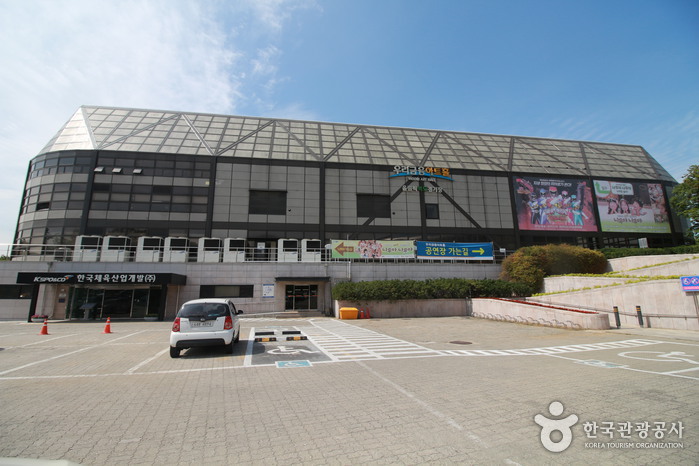
Woori Art Hall is a cultural art space located within Olympic Park, opened in November 2009 after a two-year renovation project from the previous Yeokdo Stadium. The 1,184-seat hall is primarily for musicals, but can also host a range of performances including plays, dance, classical, and modern music.
Songnidan-gil Street (송리단길)
13.8Km 2025-01-23
Baekjegobun-ro 43-gil, Songpa-gu, Seoul, and surrounding areas
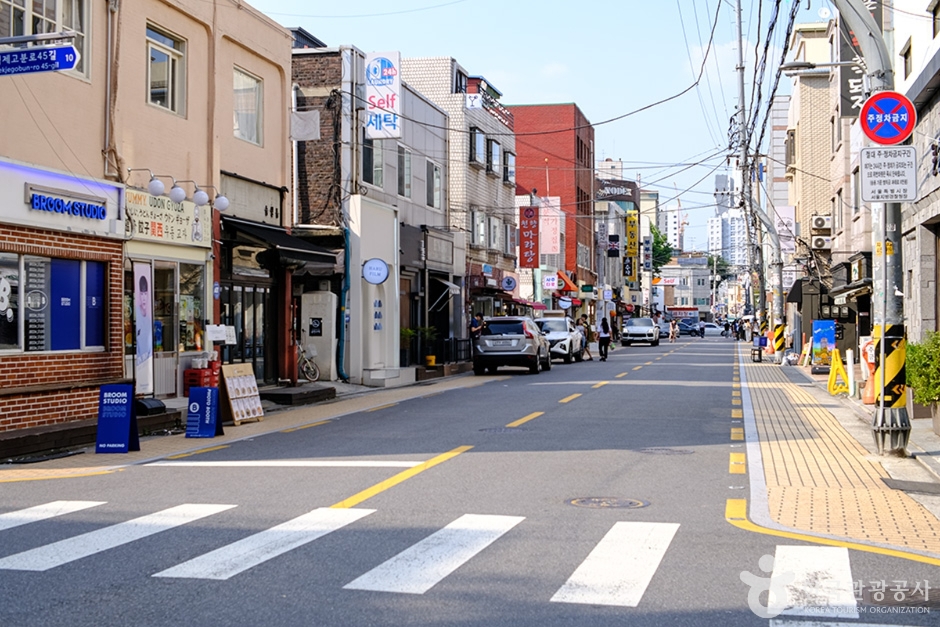
Located south of the eastern side of Seokchon Lake, this street is home to numerous restaurants and cafes. Its name comes from the combination of Songpa-dong and Gyeongnidan-gil Street in Itaewon, Seoul, meaning the “Gyeongnidan-gil Street of Songpa-dong.” This street began as an otherwise unremarkable street that faced the eastern side of Seokchon Lake. Today’s “Songnidan-gil Street” came to be as cafes moved into the neighborhood, followed by restaurants and photography studios. Songnidan-gil Street is a popular hangout for young Seoulites in the southeastern side of Seoul, so on weekends, one can often find them conversing in cafes, going for drinks in bars, or waiting in line for the hottest restaurants in the neighborhood.
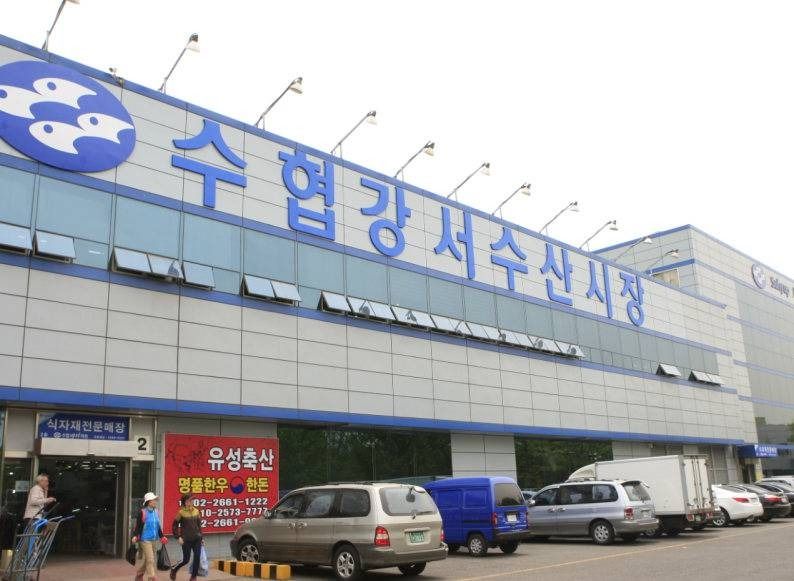
Suhyup Gangseo Seafood Wholesale Market (수협 강서수산시장)
13.9Km 2025-09-15
130 Gangseodomaesijang-ro, Gangseo-gu, Seoul
As Seoul's largest seafood market in the southwestern region, Suhyup Gangseo Seafood Wholesale Market supplies seafood from all over the country at stable prices through auctions every morning. It sells a variety of seafood, including live fish, fish, shellfish, crustaceans, dried fish, and fermented fish products in fresh condition. Consumers can enjoy the seafood they purchase directly from the market at the specialized restaurant area on the second floor, which offers a wide range of seafood dishes and a diverse menu. The spacious and comfortable area is also suitable for family gatherings or company dinners.
 English
 한국어
한국어 日本語
日本語 中文(简体)
 Deutsch
 Français
 Español
 Русский


