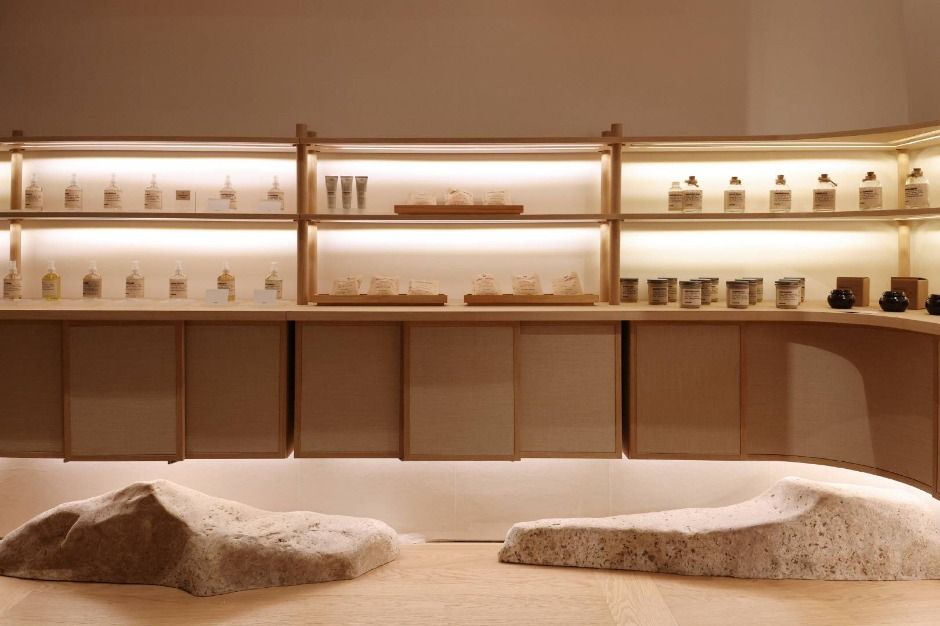
GRANDHAND. Gahoe (그랑핸드 가회점)
3.2Km 2025-12-04
61 Bukchon-ro 11-gil, Jongno-gu, Seoul
Launched in 2014 at a small hanok in Bukchon Hanok Village, this Korean perfume brand now has nine stores around Seoul. With no advertisements or online sales, GRANDHAND has preserved its roots for years. GRANDHAND. Gahoe located amidst the beautiful surroundings of Bukchon Hanok Village and various art museums has customers of all ages and nationalities.
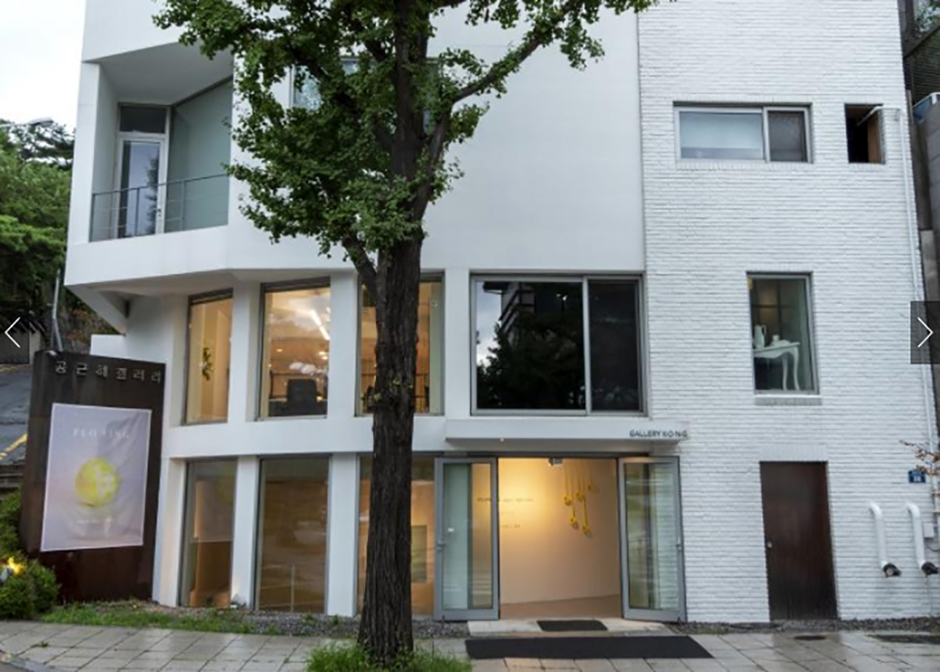
K.O.N.G Gallery (공근혜갤러리)
3.2Km 2025-10-28
38 Samcheong-ro 7-gil, Jongno-gu, Seoul (Samcheong-dong)
Since its opening in 2005, the gallery has made a significant impact on the Korean photography scene by introducing world-class photographers to Korea. It relocated to its present site next to the Cheongwadae, Samcheong-dong, in 2010, adding spaces for painting, sculpture, video, installation, and other forms of contemporary art. The gallery focuses on artists based in Paris, London, and New York, presenting works that represent the current state of contemporary art in the 21st century. It also plays a vital role as a Korean gallery by discovering young Korean artists and supporting their overseas activities.
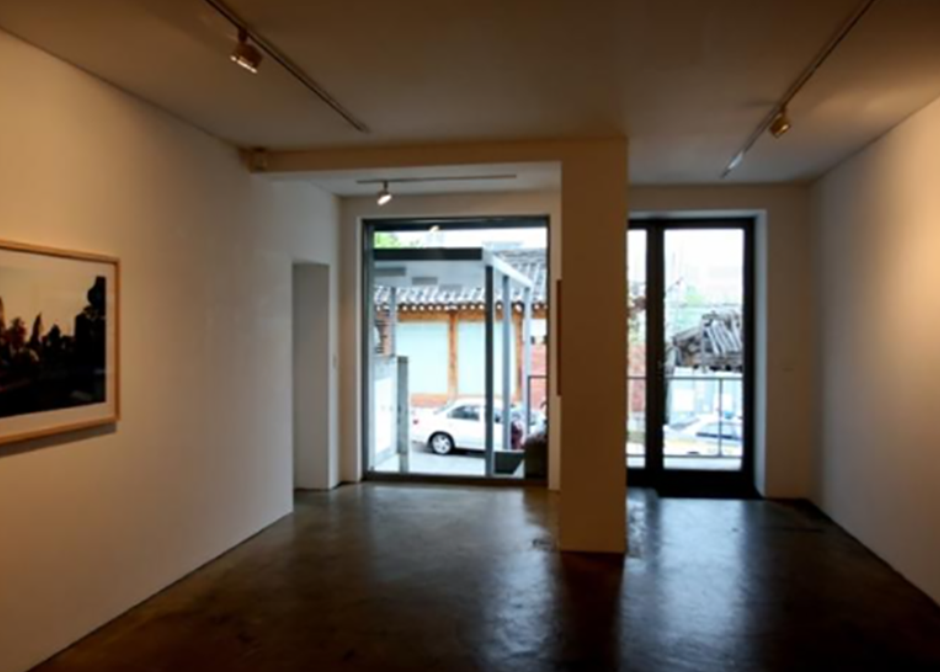
PKM Gallery (PKM갤러리)
3.2Km 2024-03-18
40 Samcheong-ro 7-gil, Jongno-gu, Seoul
PKM Gallery, now providing 397 square meters of exhibition space, includes a main building with a maximum x_height of 5.5 meters comprising two upper stories and a two-story basement. PKM+, an annex built in 2018, has one upper story and a basement floor and is equipped with a boutique-like gallery space.
The gallery not only exhibits the works of leading figures in Korean contemporary art, but has also succeeded in introducing renowned international artists to the Korean audience. As an incubator for emerging young artists, PKM Gallery has been organizing exhibitions to encourage their growth as leading artists of the next generation. PKM gallery, the first among the Korean galleries invited to participate in the Frieze Art Fair in 2004, played a major role in advancing Korean contemporary art to the global art market.

Woo Joo Yon Clinic (우주연한의원)
3.3Km 2025-10-23
(2nd Floor, Hanok), 41 Bukchon-ro 12-gil, Jongno-gu, Seoul
Woojooyon Clinic takes an integrative approach considering the patient's overall health. Rather than merely treating the affected area, we listen to the patient's story, understand their daily life, and focus on identifying and correcting the root causes of imbalances in the body. Our goal is to pursue true healing and happiness by treating with a delicate touch that connects with the patient's soul. We aim to restore the body to its original state, ensuring a holistic examination of both body and mind, as well as habits and personality. Woojooyon Clinic is committed to helping patients regain a healthy life by applying the wisdom of traditional Korean medicine. We value our relationships with patients and strive to always do our best.
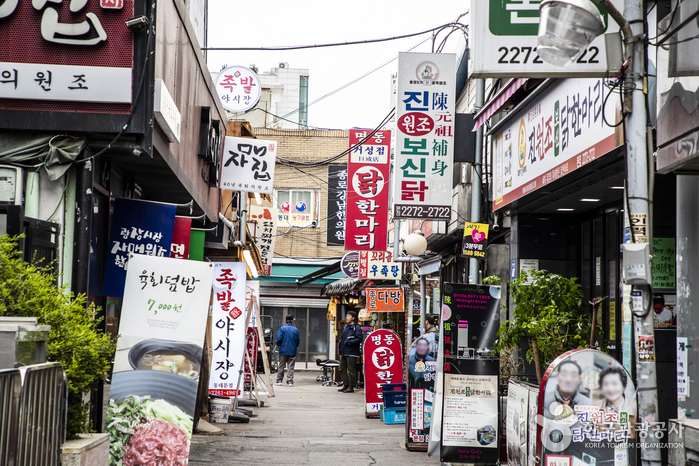
Dongdaemun Dak Hanmari Alley (서울 동대문 닭한마리 골목)
3.3Km 2024-03-04
37-7, Jongno 5(o)-ga, Jongno-gu, Seoul
Located near the Dongdaemun Market, Dongdaemun Dak Hanmari Alley gets its name from the restaurants serving dak hanmari (whole chicken soup) that line the alley. Dak hanmari (whole chicken soup), literally “one whole chicken” in Korean, is a dish where a whole chicken is boiled in a soup and served with the alley’s special sauce. After the diners eat the meat, the broth is used to make kalguksu (noodle soup). Because the area is home to large-scale apparel and fashion material markets of the Dongdaemun Market, the district is always lively and bustling.
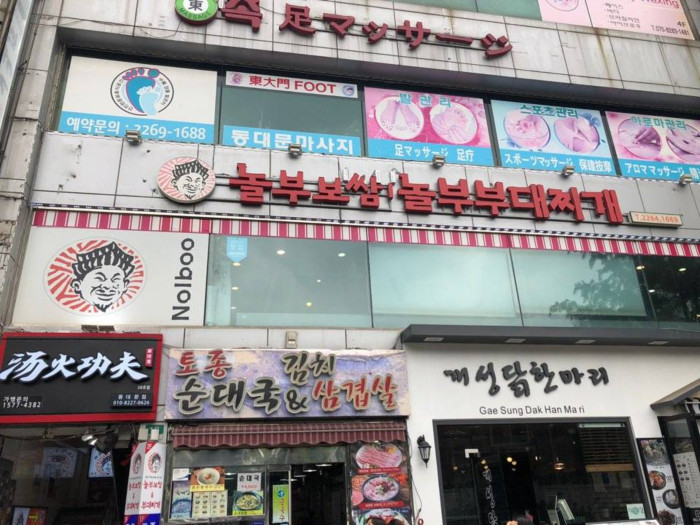
Nolboo Bossam & Budaejjigae Euljiro6ga(놀부보쌈&부대찌개 을지로6가)
3.3Km 2024-10-15
2F, 34, Euljiro43-gil, Jung-gu, Seoul
This is a Korean cuisine located in Dongdaemun Gate, Seoul. One of Korea’s representative restaurant franchises. The best menu at this restaurant is napa wraps with pork.
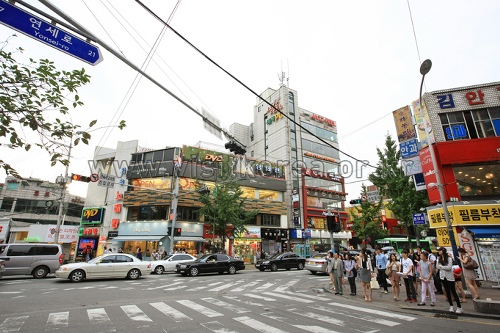
Yeonsero (Yonsei University Street) (연세로)
3.3Km 2022-10-25
Area of Yeonse-ro, Sedaemun-gu, Seoul
This road takes you from Sinchon Subway Station right to Yonsei University. Like branching tree roots, the numerous side streets diverge off the main road. In 1999 Yonsei College Street was designated as “The Road One Wants to Walk.” Since then, this famous street has been improved upon even more, placed on tourist maps and promoted by businesses. A visitor to this area can eat at a plethora of restaurants, coffee shops and stores. In the afternoon hours, you can also enjoy the taste of small food stands that line the sidewalks.
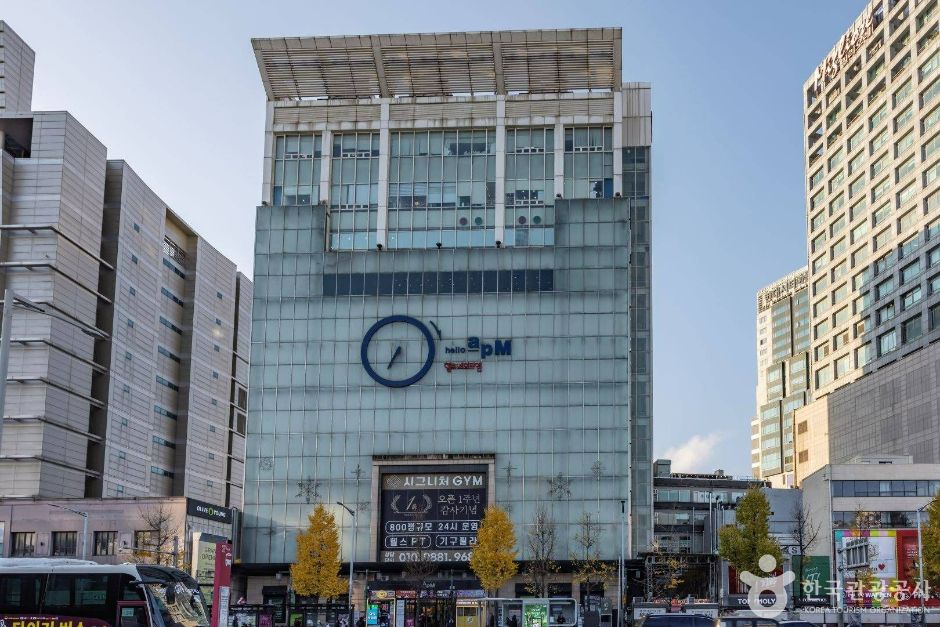
Hello apM (헬로에이피엠)
3.3Km 2025-05-13
253 Jangchungdan-ro, Jung-gu, Seoul
Hello apM is located within the Dongdaemun shopping district and appeals to customers in their 10s and 20s for it's latest trending styles and low prices. It is crowded year-round with young people from all over the world. Bargaining has faded out over recent years with prices more often indicated.
Yonsei University (연세대학교)
3.3Km 2023-07-04
50, Yonsei-ro, Seodaemun-gu, Seoul
Yonsei University, which opened in 1885, is a prestigious university that boasts a beautiful campus. In particular, it is famous for its wooden trails, antique buildings covered with ivy, and Cheongsongdae Forest, a popular dating spot among couples. Yonsei University also has a Korean language institute for foreigners interested in learning Korean.
Samcheong-dong Street (삼청동길)
3.3Km 2025-01-22
107 Samcheong-ro, Jongno-gu, Seoul
It is said that Samcheong-dong was named from the story about the three "cheong" (Chinese character meaning clean) of the area, namely the mountain, water, and people. Another theory is that the origin of the region's name came from Samcheongjeon Hall where three tablets called "Taecheong," "Sangcheong," and "Okcheong," were set up based on Taoism. Samcheong-dong Street features a mixture of old scenes of hanok buildings with traditional beauty and modern scenes of galleries and cafés, creating a unique atmosphere. Visitors can feel the abundant cultural mood at every corner of the street through the art galleries, museums, antique shops, and quiet pathways.
 English
 한국어
한국어 日本語
日本語 中文(简体)
 Deutsch
 Français
 Español
 Русский


