
Seodaemun Culture & Sports Center Swimming Pool (서대문 문화체육회관 실내수영장)
4.7Km 2024-03-20
39 Baekryeonsa-gil, Seodaemun-gu, Seoul
Seodaemun Culture & Sports Center Swimming Pool, covering 973 square meters, features a total of seven lanes with both adult and children's pools. The facility provides regular swimming lessons, survival swimming lessons, aqua aerobics, and more. The water quality is maintained using a natural salt electrolysis system. For free swimming, visitors can purchase tickets from the kiosk on the second floor, receive wristbands from the information desk, and enjoy the facility at an affordable cost.
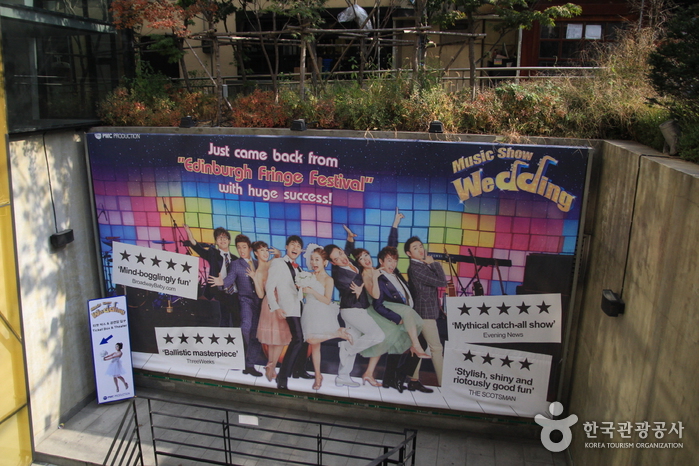
Hongdae Nanta Theatre (홍대난타전용관)
4.7Km 2021-08-27
29, Yanghwa-ro 16-gil, Mapo-gu, Seoul
Located in Hongdae, a signature of youth and cultural streets, Hongdae Nanta Theater has 323 seats and offers two performances daily.
Goobne Playtown (굽네 플레이타운)
4.7Km 2025-01-16
23 Jandari-ro 2-gil, Mapo-gu, Seoul
Goobne Playtown is a culture and experience center operated by Goobne, one of Korea's chicken franchises that specializes in oven-roasted chicken instead of the standard fried chicken. Visitors can taste the latest products in a relaxing space, as well as enjoy media art and changing items in the pop-up zone.

Chosun Hwaro Gui (조선화로구이)
4.7Km 2025-10-30
5, World Cup buk-ro, Mapo-gu, Seoul
BIGBANG's favorite meat restaurant
It is a restaurant specializing in charcoal grill that celebrities from YG Entertainment often visit. Autographs of celebrities including BIGBANG adorn the walls, and it is always full of customers. Only 1++ grade Korean Beef and domestic Pork are used, so the taste is guaranteed. Boneless Korean Galbi are the most popular, and Grilled Marinated Pork Galbi are also a steady seller. All of the Kimchi and side dishes are made with care, and the Galbi Soup for meals is also delicious.
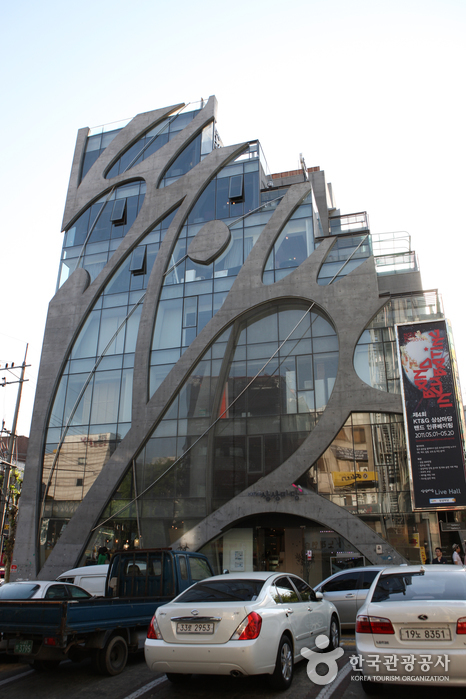
KT&G Sangsangmadang Arts Space (Hongik University) (KT&G 상상마당(홍대))
4.7Km 2024-03-12
65 Eoulmadang-ro, Mapo-gu, Seoul
KT&G Sangsangmadang Arts Space is a multifaceted cultural space established in 2007. Spanning 660 meters with a total floor area of 3,366 meters, it features facilities such as a theater, a concert hall, a design square, a gallery, and cafés. It offers opportunities for close engagement with culture. Located near Hongik University Station, it boasts excellent accessibility and attracts many visitors due to its diverse attractions.
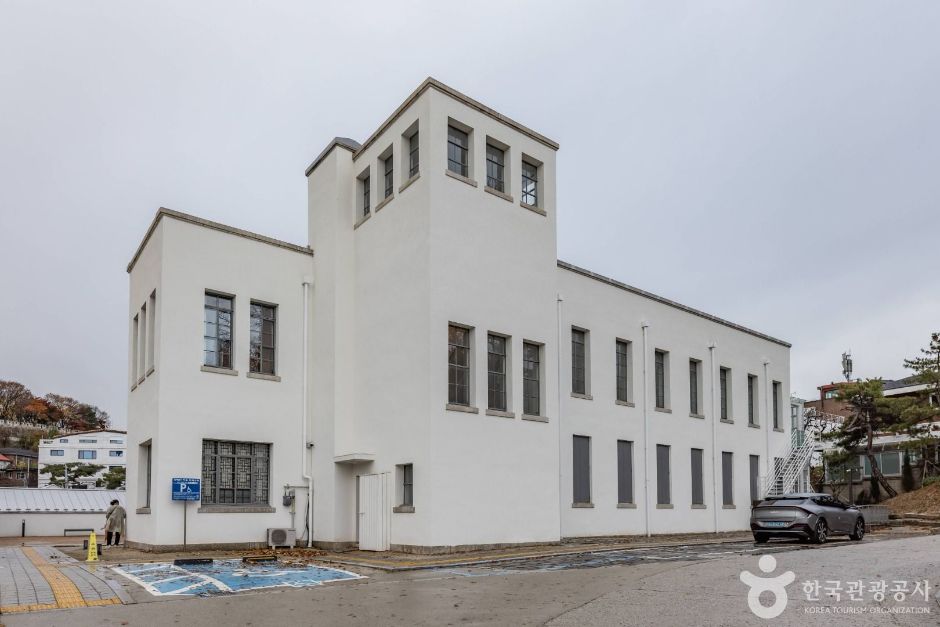
Kansong Art Museum (간송미술관(서울 보화각))
4.7Km 2025-06-30
102-11 Seongbuk-ro, Seongbuk-gu, Seoul
Kansong Art Museum was the first private art museum in Korea, opened as Bohwagak in 1938 by Kansong Jeon Hyeong-pil. The name was changed to the current Kansong Art Museum in 1966. Bohwagak was designated as National Registered Cultural Heritage No. 768 on December 30, 2019. Jeon Hyeong-pil dedicated his life to preserving and researching Korea’s representative relics that were devaluated and purposefully obliterated during the Japanese colonial era, as well as to acknowledging their cultural excellence and beauty. The museum houses 11 national treasures and 24 treasures.
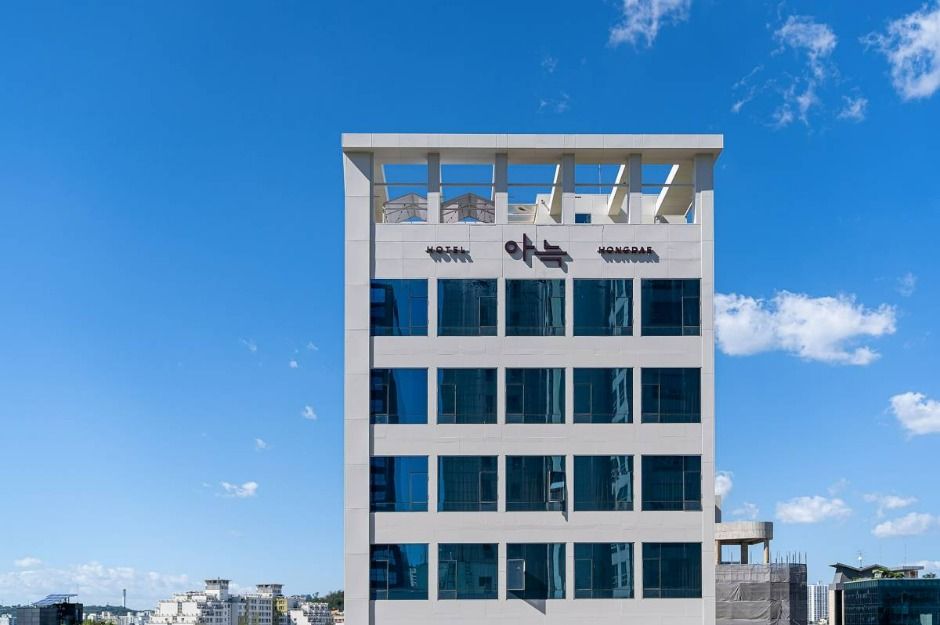
The Hyooshik Aank Hotel Hongdae (더휴식 아늑호텔 홍대점)
4.7Km 2025-04-18
162-7 Donggyo-ro, Mapo-gu, Seoul
The hotel offers rooms equipped with various entertainment options, catering to the diverse preferences of its guests. From a private movie room to a meditation room, guests can choose the type of stay they want, whether it is a fun movie time or a relaxing retreat to unwind. The business room provides the amenities needed for a workation, while the gaming room allows guests to relieve stress by gaming.
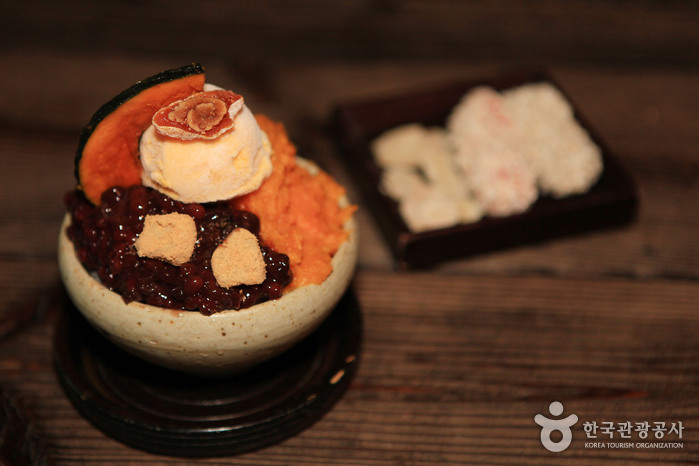
Sooyeon Sanbang (수연산방)
4.8Km 2025-10-23
8 Seongbuk-ro 26-gil, Seongbuk-gu, Seoul
Sooyeon Sanbang is a traditional tea house located in Seongbuk-dong. It was originally built during the Japanese colonial period and was the hanok of the literary figure Lee Taejun. Today, it is operated as a tea house by the writer's granddaughter. The name Sooyeon Sanbang means "a house where literati gather in the mountains." Visitors can enjoy traditional teas such as daechucha (jujube tea) and ssanghwacha (medicinal herb tea), along with snacks like injeolmi (bean-powder-coated rice cake).
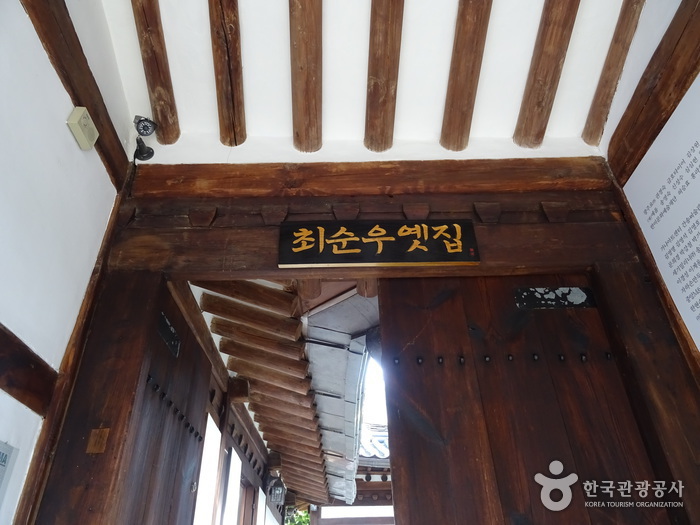
Choi Sunu House (최순우 옛집)
4.8Km 2021-12-21
9, Seongbuk-ro 15-gil, Seongbuk-gu, Seoul
The Choi Sunu House is the old residence of Hyegok Choi Sunu (1916-1984), who lived in this house from 1976 until the day he passed away. The house is designated as Korea’s Registered Cultural Property. Choi Sunu was a leading art historian who served as the director of the National Museum of Korea. He devoted his life to rediscovering the beauty of Korean art and made many academic accomplishments in the areas of Korean ceramics, traditional woodcraft, and the history of painting.
The house has been open to the public as the Hyegok Choi Sunu Memorial Hall since 2004. The memorial hall displays Choi Sunu’s relics as a permanent exhibition and holds special exhibitions in the fall as well as cultural programs every spring and fall.

TEISTY BURGER (테이스티버거)
4.8Km 2025-11-06
67-11 Dongmak-ro, Mapo-gu, Seoul
Singer Tei
This is a handmade burger restaurant of singer Tei, who is famous for being a gourmand. The representative menu is the ‘KRAKEN BURGER’ with squid ink buns, squid patties, and tartar sauce. Crispy and chewy squid patties are attractive. You can enjoy the burger even more moistly by pressing the burger bun and popping the egg yolk. In addition to the main store in Hongdae, there is also a store in Jamsil.
 English
 한국어
한국어 日本語
日本語 中文(简体)
 Deutsch
 Français
 Español
 Русский


