
Gyeongui Line Forest Park (Yeontral Park) (경의선숲길(연트럴파크))
5.0Km 2023-08-11
133, Donggyo-ro 51-gil, Mapo-gu, Seoul
Gyeongui Line Forest Park is a linear city park located in Mapo-gu and is also called Yeontral Park. It includes Daeheung-dong, Yeonnam-dong, Saechanggogae Pass, Changjeon-dong, Sinsu-dong, and Wonhyo-ro, which were opened in this order. Gyeongui Line Forest Park is established atop the Gyeongui railroad line and the Gyeongui Line and Airport Railroad Express are constructed as a double track underground. Gyeongui Line Forest Park was designed to be incomplete on purpose to invite the citizens in completing the park. The area which could have been left empty and neglected has turned into a meaningful green park for the citizens by the citizens.
Seoul Folk Flea Market (서울 풍물시장)
5.0Km 2025-04-11
21 Cheonho-daero 4-gil, Dongdaemun-gu, Seoul
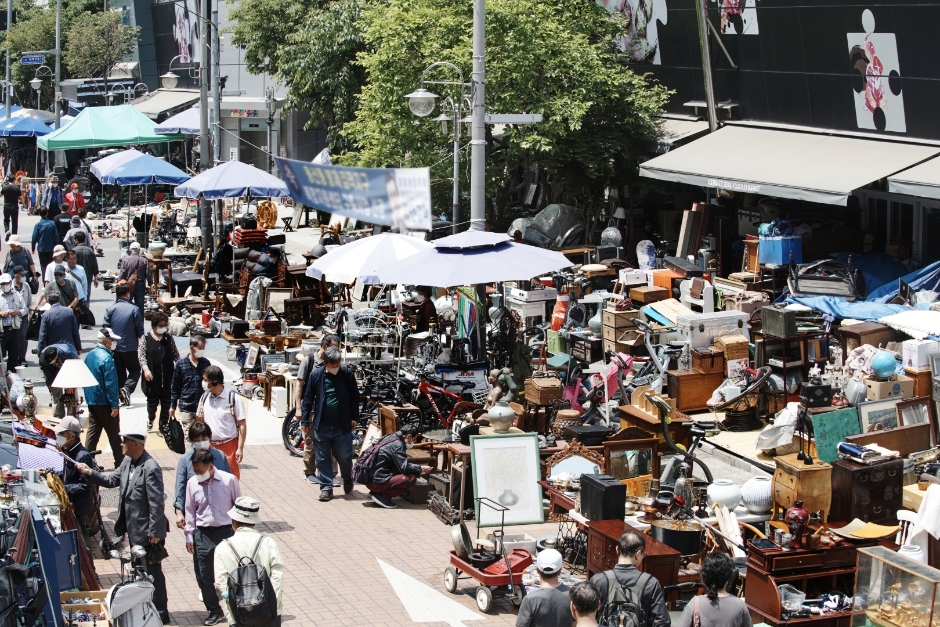
The Seoul Folk Flea Market is located around Cheonggyecheon Stream's Hwanghakgyo Bridge and Sinseol-dong Station and is on its way to becoming a famous tourist attraction along with the already famous Cheonggyeocheon Stream. The Seoul Folk Flea Market is one of the major folk flea markets preserving the culture of the traditional Korean marketplace and drawing in visitors with a range of folk items that embody the unique charm of Korea. Folk items include everyday items, souvenirs, traditional goods and even traditional foods, allowing visitors to enjoy shopping and eating all under the same roof.
The Seoul Folk Flea Market originated from the flea market in Hwanghak-dong where many street shops and vendors gathered around Cheonggyecheon Stream before it was restored and modernized into its current state. The market was relocated to the Dongdaemun History & Culture Park (Formerly Dongdaemun Stadium) while the Cheonggyecheon Stream was undergoing restorations, and was moved back to Cheonggyecheon Stream sometime later. Seoul City aims to market Seoul Folk Flea Market as a new shopping spot at its current location, the former site of Sungin Girls' Middle School on Cheonggyeo 8-ga Street, near Cheonggyeocheon Stream to develop the Korean representative folk flea market-related tourism industry.
The main items of the Seoul Folk Flea Market include a diverse range of folk items, traditional crafts, local specialties and fashion items. You may also enjoy a range of foods and snacks including traditional Korean food and fusion cuisine from all over the world. What is special about the market is that you can find rare goods and authentic traditional items that cannot be found at other markets. The market atmosphere is a mix of old, revered traditions and modern aspects, providing visitors with a great shopping experience. The Seoul Folk Flea Market is truly a traditional flea market well worth visiting.
Korea Etiquette Institute (한국예절문화원)
5.0Km 2022-07-08
43 , Gajaeul-ro 4-gil, Seodaemun-gu, Seoul
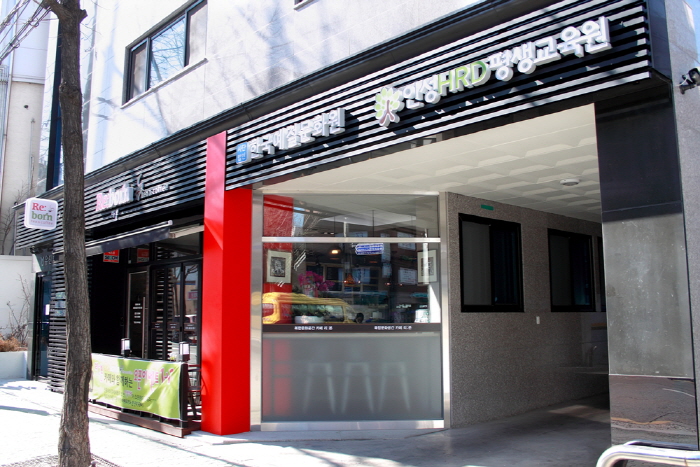
Korea Etiquette Institue is dedicated to observing, researching, developing and passing down Korea's etiquette. Education programs are also available.
Seoul Folk Flea Market - Traditional Arts & Crafts Studio (서울풍물시장 전통문화체험관)
5.0Km 2021-08-12
21, Cheonho-daero 4-gil, Dongdaemun-gu, Seoul
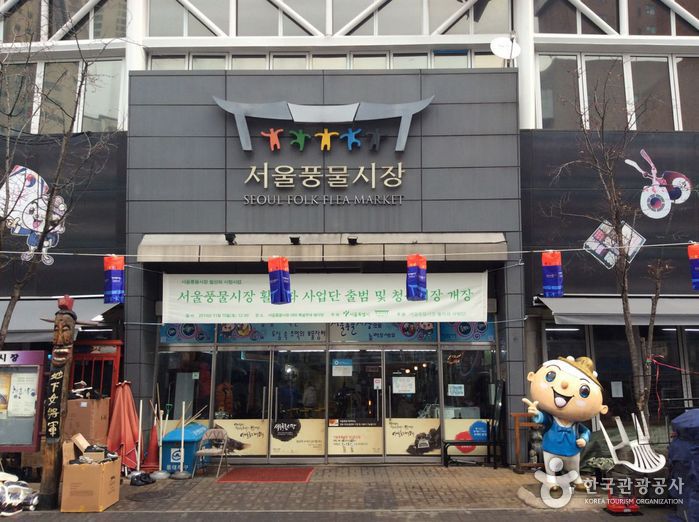
The Traditional Arts & Crafts Studio in Seoul Folk Flea Market was created to give both locals and international visitors a chance to experience the traditional arts of Korea first-hand. For international visitors, programs serve as a brief introduction to some of the finer points of Korean art. For many Koreans, the studio’s programs are ways to relive childhood memories or experience traditional culture as a family.
River City Water Ski Resort (리버시티수상스키장)
5.0Km 2025-10-23
37-53 Apgujeong-ro 11-gil, Gangnam-gu, Seoul, Jamwon District 1 in Hangang Park
In 'I Live Alone', it is none other than the Hangang River where SHINee's Key and Minho enjoyed water skiing and 'Pangpang' boat. Necessary equipment can be rented, and water skiing and wakeboarding lessons are also offered, so even beginners can visit without any hesitation. Above all, the most attractive thing is that you can enjoy water sports in downtown Seoul without having to go far. There are shower rooms and changing rooms, as well as a Ramyeon making machine. There is no better delicacy than eating freshly boiled Ramyeon while drying your wet hair after playing in the water.
Seokparang (석파랑)
5.0Km 2024-09-02
309 Jahamun-ro, Jongno-gu, Seoul
Seokparang is a place built by relocating the Sarangchae of Heungseon Daewongun, the father of King Gojong of the Joseon dynasty. It boasts beautiful late Joseon-style gardens and three traditional hanok buildings. Here, one can enjoy authentic Gungjung hanjeongsik (royal Korean table d'hote) for both lunch and dinner, featuring meticulously prepared dishes such as traditional porridge, chilled salads, steamed prawns, kimchi cabbage wraps with pork, soybean paste jjigae set menu, and desserts. Diners can also savor traditional liquors crafted by artisans from across the country.
Maria Fertility Hospital (마리아병원)
5.0Km 2025-10-23
20 Cheonho-daero, Dongdaemun-gu, Seoul
In 1967, Maria Obstetrics and Gynecology opened where the Maria Fertility Hospital (Sinseol-dong, Dongdaemun-gu, Seoul) sits today, leading to the creation of the Maria Medical Foundation. At the time, the doctor willingly visited patients' houses with an old house-call bag even in the early mornings, no matter where a patient lived. This founding spirit became the root of the hospital's principles and commitment to its services.
Maria Fertility Hospital ranks number one in in-vitro fertilization cases, accounting for approximately 30% of the total cases among fertility hospitals. The hospital opened branches so that patients can conveniently experience the medical know-how of Maria Fertility Hospital no matter where they live across the country. The branches provide optimum diagnosis of problems through close collaborations among the branches.
The hospital has become a globally renowned fertility center, going beyond its unrivaled number-one position in fertility medicine in Korea. The hospital is dedicated to finding the best solution through research, and helping infertile patients realize their dreams of having a baby to create a healthy and happy family.
Maria Fertility Hospital is moving forward with the philosophy and heritage it inherited from the Maria Medical Foundation.
Hyosajeong Pavilion (효사정)
5.1Km 2025-01-13
55, Hyeonchung-ro, Dongjak-gu, Seoul
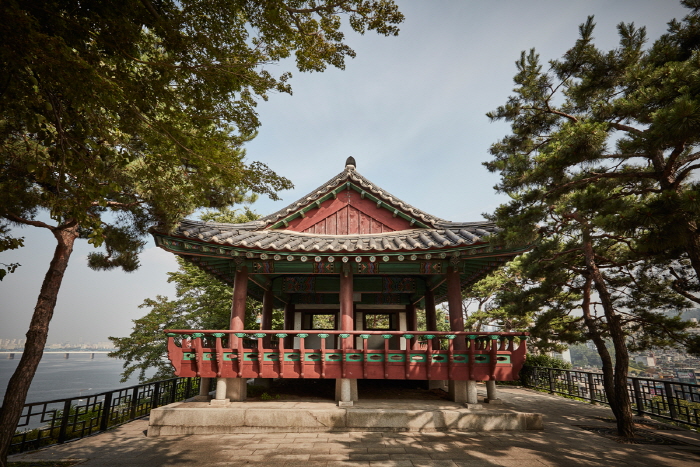
Hyosajeong Pavilion is where Nohan, the second vice premier of the Joseon dynasty during King Sejong and King Sejo’s reign, stayed. After he lost his mother, he built the pavilion to mourn at her grave while still being able to see his father’s grave in Gaeseong to the North. His brother-in-law, then Minister of the Interior, Gang Sa-deok named the pavilion “Hyosajeong,” which means pavilion of filial piety.
In order to find the original location of the pavilion, poems by Jeong Inji and Seo Geojeong and an old map of Korea were referenced, but the pavilion was not found because the surrounding landscape had changed too much. As a result, a location was selected and the pavilion was reconstructed at its current location. The house is 3 kan* in the front and 2 kan* on the side. The roof is a hip-and-gable roof. The pavilion has one room with under floor heating and a railing around the pavilion
(* kan: a traditional measurement that corresponds to the space between two columns)
Seoul Wave Art Center (서울웨이브아트센터)
5.1Km 2025-10-27
145-35 Jamwon-ro, Seocho-gu, Seoul
Seoul Wave Art Center is located within Jamwon Hangang Park, and focuses on promoting the relationship between the sky and earth, people and nature, and people and people. The art center opened in 2020 and has continued to host a range of new exhibitions.
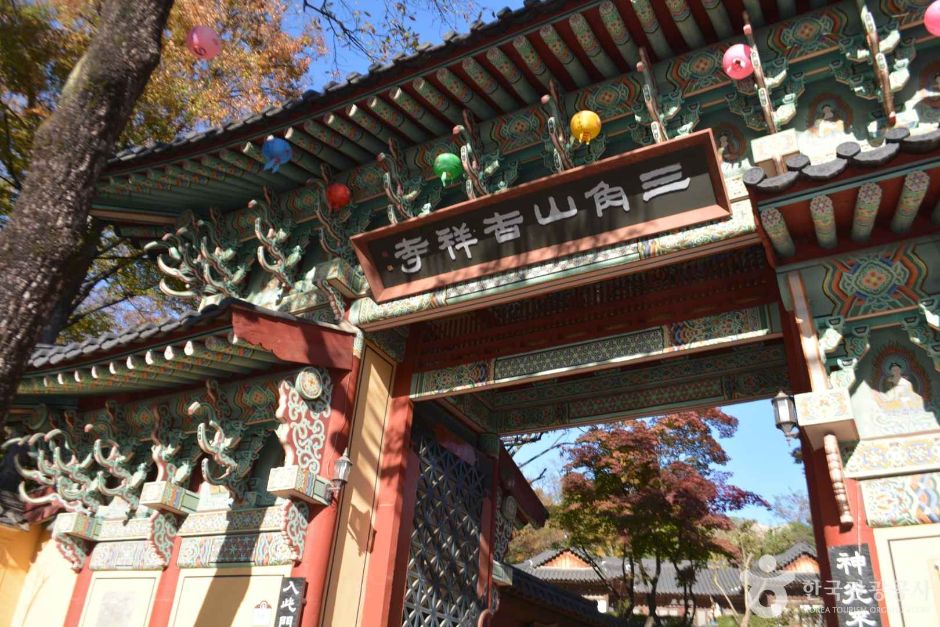
Gilsangsa Temple (Seoul) (길상사(서울))
5.1Km 2025-06-17
68 Seonjam-ro 5-gil, Seongbuk-gu, Seoul
Gilsangsa Temple is a prominent temple located in Seongbuk-dong, Seoul. The name Gilsangsa means "a favorable and auspicious temple." Visitors can experience temple, participate in Buddhist practices, and even enjoy Templestay programs on weekends. In fall, visitors can admire red spider lilies and wildflowers, immersing themselves in the beauty of nature and finding inner peace.
 English
 한국어
한국어 日本語
日本語 中文(简体)
 Deutsch
 Français
 Español
 Русский


