
Frientrip Co., Ltd. (주식회사 프렌트립)
6.3Km 2025-11-28
#G704, HEYGROUND, 115 Wangsimni-ro, Seongdong-gu, Seoul
Frientrip is a wellness-based medical tourism service that integrates travel with personalized health management. It partners with certified medical institutions and trusted wellness providers to offer a seamless journey that combines check-ups, beauty and healthcare programs, and recovery experiences. KareTrip enables customers to conveniently schedule medical services while enjoying travel, providing tailored itineraries and on-site support as a comprehensive end-to-end service.
Hema Studio (헤마스튜디오)
6.3Km 2023-06-22
20-10 Nonhyeon-dong, Gangnam-gu, Seoul
Hema Studio is a place that provides experience services for K-pop lovers and is located in Gangnam, Seoul. Hema Studio offers products that allow foreign tourists to record their favorite K-pop songs and shoot personal music videos. You can go through the entire process from recording to cover music video shooting with a 1:1 director. After cover recording and music video shooting are complete, the completed work can be put on a USB and shared with friends and family. It is also possible to upload to SNS such as YouTube and TikTok. Hema Studio is located in the downtown area of Gangnam, so it is easily accessible via public transportation such as subway and bus.
Seoul K-Medi Center (서울한방진흥센터)
6.3Km 2025-10-23
26 Yangnyeongjungang-ro, Dongdaemun-gu, Seoul
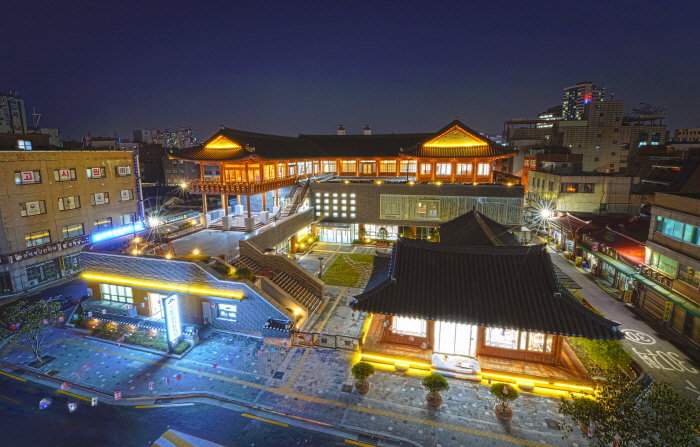
Seoul Yangnyeongsi Market is an herbal medicine specialty market that distributes 70% of the herbal medicines traded in Korea and is a Korean medicine-themed town with over a thousand businesses related to oriental medicine, including oriental medicine clinics and herbal medicine stores. The Seoul K-Medi Center, located in this center of Korean herbal medicine culture, is an oriental medicine complex cultural facility that promotes the excellence and safety of traditional Korean medicine through various exhibitions, education, and experiences. The building is unique in that it harmonizes the simplicity of modern architecture with Korean elegance. Visitors can enjoy various experiences in many different facilities in the center, including the Herb Medicine Museum, where one can expand their understanding of Korean medicine by examining over 300 types of medicinal herbs and their effects; the Herb Medicine Experience Room, where visitors can experience herbal medicine natural face packs and herbal heat packs; and Yakseon Food Experience Center, where visitors can learn about healthy recipes using medicinal herbs and make healthy foods.
Seoul Yangnyeongsi Herb Medicine Museum (서울약령시 한의약박물관)
6.3Km 2023-04-06
26, Yangnyeongjungang-ro, Dongdaemun-gu, Seoul
Seoul Yangnyeongsi Herb Medicine Museum opened in September 2006 on the grounds of Bojewon, a medical institution for the poor that was in operation during the Joseon dynasty. The museum was established with the goal of preserving and developing Korea’s herb medicine culture. In October 2017, the museum moved to the second floor of the Seoul K-Medi Center. The center provides both information and hands-on programs.
Seoul Gyeongdong Market (서울 경동시장)
6.3Km 2024-12-03
3 Gosanja-ro 36-gil, Dongdaemun-gu, Seoul
As the nation began to recover from the aftermath of the Korean War, farmers from the northern Gyeonggi-do region and Ganwon-do gathered around the old Seongdong Station (renamed ‘Hansol Donguibogam’) to sell their produce and wares. The farmers’ impromptu gathering on the fallow farmland to make their transactions soon led to the birth of a new marketplace. With the recent remodeling of the market, including the long-neglected Gyeongdong Theater, the place feels totally renewed and full of energy. Thanks to the renovation and diverse food stalls, the place is always bustling and filled with people.
Starbucks Gyeongdong Market (스타벅스 경동1960)
6.3Km 2024-12-27
3 Gosanja-ro 36-gil, Dongdaemun-gu, Seoul
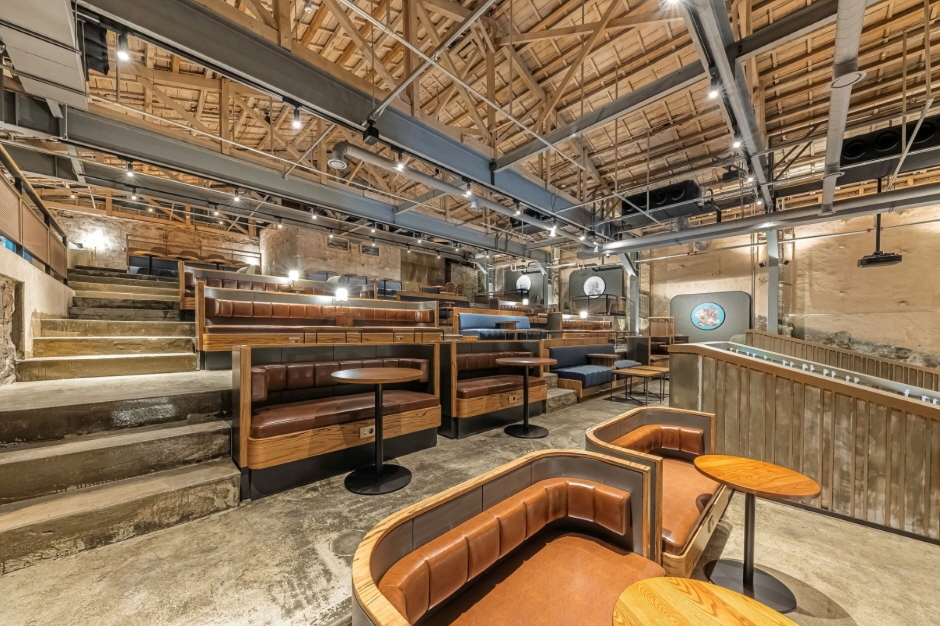
Restored Gyeongdong Market space and the 5th community store for a win-win relationship with local economy
This 5th Starbucks Community Store is housed in a restored theater in Gyeongdong Market. The store has a win-win agreement with local merchants. Starbucks created a multiple cultural space in collaboration with LG Electronics such as LG Gold Star Radio Refresh Center. Every week, local artists and college students present culture and art performances on the stage that recreated the theatre concept. To offer a special experience suitable to an old theater, Starbucks developed the Retro Theater-like CND. For differentiated customer experiences, the store sells store-baked crafted food and exclusive merchandise.
Waterworks Museum (수도박물관)
6.3Km 2025-01-17
27, Wangsimni-ro, Seongdong-gu, Seoul
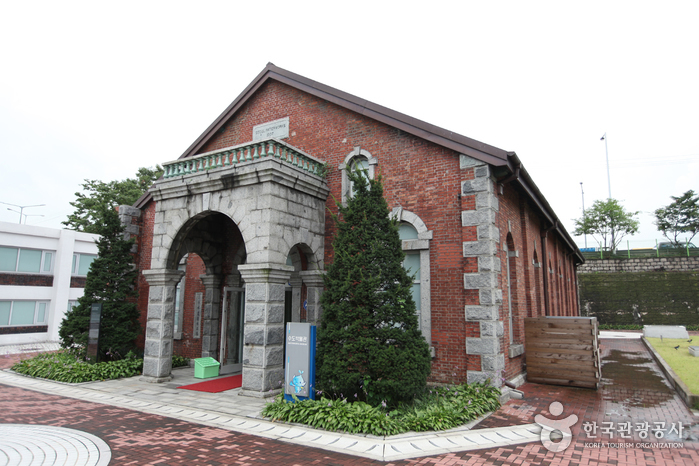
The Ttukseom Water Purification Plant (Waterworks Museum and Slow Sand Filtration Basin) was completed in August 1908 as the first water purification plant ever built in Korea. In 2008, it celebrated 100 years of history with the opening of the Waterworks Museum, which showcases the history and value of Seoul's public waterworks. The museum was recognized for its modern architectural design and designated Tangible Cultural Asset of Seoul No.72.
Yoojung Restaurant (유정식당)
6.4Km 2025-10-29
14 Dosan-daero 28-gil, Gangnam-gu, Seoul
Yoojung Restaurant is well-known, despite being located in a side-street, thanks to its having been frequented often by BTS members during their training days. BTS fans will love seeing the many pictures and posters of BTS decorating the walls, and can enjoy the same dishes loved by their idols. Some of the stars' most ordered dishes have had their names changed to reflect this.
Choi Hyeok Korean Medicine Clinic (최혁한의원)
6.4Km 2025-10-23
(1st Floor), 52 Yangnyeongdong-gil, Dongdaemun-gu, Seoul
Choi Hyeok Korean Medicine Clinic is particularly popular among Japanese visitors. Words about our affordable prices, friendly services, and dedication of the chief and the staff have spread in Japan, which has attracted over 2,000 Japanese visitors to the clinic annually. We offer an extensive array of services, including skin care, wrinkle removal, bloodletting acupuncture, weight-loss herbal medicine (hanyak), lipolysis acupuncture, gongjindan, kyungokgo, and “Magic Powder.” We accept appointments for wrinkle therapy on Sundays. We deliver hanyak to patients’ hotels if they are not too far away. We also ship to patients’ homes in Japan. You are always welcome to contact us on Line or Instagram.
DL Plastic Surgery (디엘성형외과의원)
6.4Km 2025-10-23
(4th Floor, Peyto Plaza), 563 Gangnam-daero, Seocho-gu, Seoul
DL Plastic Surgery is a premier clinic specializing in advanced procedures such as facial contouring and rhinoplasty. Our highly skilled medical team, with over ten years of experience, is dedicated to delivering the results you desire. We carefully plan and customize each surgery, ensuring that the overall harmony and balance of your face are maintained.
Your confidence and satisfaction are our top priorities. To reinforce this, we’ve implemented a surgical liability guarantee system, providing you with added trust and peace of mind regarding your results. We remain at the forefront of innovation through ongoing academic engagement and the latest research.
 English
 한국어
한국어 日本語
日本語 中文(简体)
 Deutsch
 Français
 Español
 Русский


