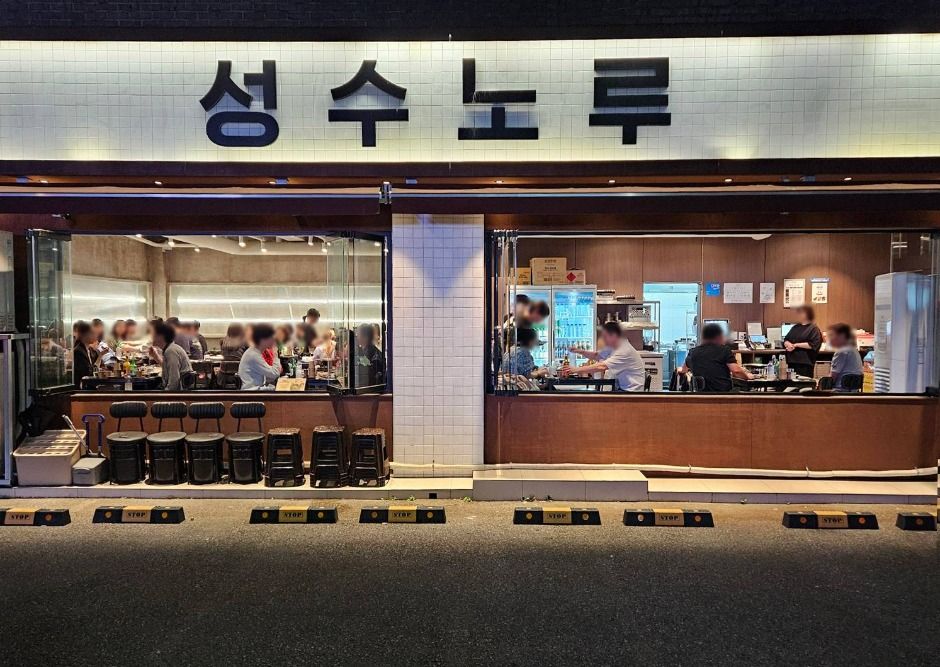
Seongsunoru (성수노루)
7.4Km 2025-05-07
110 Achasan-ro, Seongdong-gu, Seoul
Seongsunoru is a hanu grilled gopchang (Korean beef small intestines) restaurant. The meat is grilled by staff, ensuring crispy on the outside and soft on the inside. Besides grilled gopchang, the restaurant also offers a variety of menu items using Korean beef daechang (large intestines) and makchang (tripe) as the main ingredient. Popular add-ons and side dishes include yukhoe (beef tartare), cheese fried rice, kimchi noodles, and soft bean curd jjigae. The restaurant is equipped with a parking lot and has a corkage fee system.

Ppeum Global Clinic (쁨글로벌의원)
7.4Km 2025-10-23
(2nd Floor, APRO Square), 55 Seocho-daero 77-gil, Seocho-gu, Seoul
PPEUM GLOBAL CLINIC is a premium brand specialized in providing customized services for foreign customers.
We provide multilingual leaflets for overseas customers, a luggage zone for easy storage of suitcases, and a tax refund machine.
Also, for easy one-on-one consultations, native-speaking consultants and coordinators are stationed in the clinic for each language group. Many medical staff members from Seoul National University provide the highest level of medical services through joint research activities and their rich expertise.
Our main procedures are Botox, filler, lifting, laser treatment for acne and pigmentation, laser hair removal, and we provide the same prices and benefits for both foreign and domestic customers. In addition, we operate separate VIP rooms to satisfy the private needs of specific foreign customers.
Yeson Voice Center (예송이비인후과 음성센터)
7.4Km 2025-10-23
773 Samseong-ro, Gangnam-gu, Seoul
Yeson Voice Center is the only center of its kind in Korea that implements various high-tech treatment methods.
It provides multilaryngeal muscle Botox injection tailored to patients with spasmodic dysphonia to significantly increase the length of their normal voice period, while increasing the possibility of curing the disease. As such, the center provides patients with spasmodic dysphonia, a disease previously considered incurable, with renewed hope.
Additionally, the center uses advanced surgical techniques, including microflap laryngomicrosurgery, to treat various diseases such as vocal cord nodules, vocal cord polyps, Reinke's edema or vocal fold cyst, allowing patients to recover their clean and clear voices.
The center also provides laryngoplasty, enabling transgender individuals to change their voices to their preferred gender identity, for a thorough transition.
Yeson Voice Center has created a new healthcare treatment culture. It is committed to steadfastly conducting research to provide patients in Korea with new medical services they have not experienced before and to get closer to its patients.
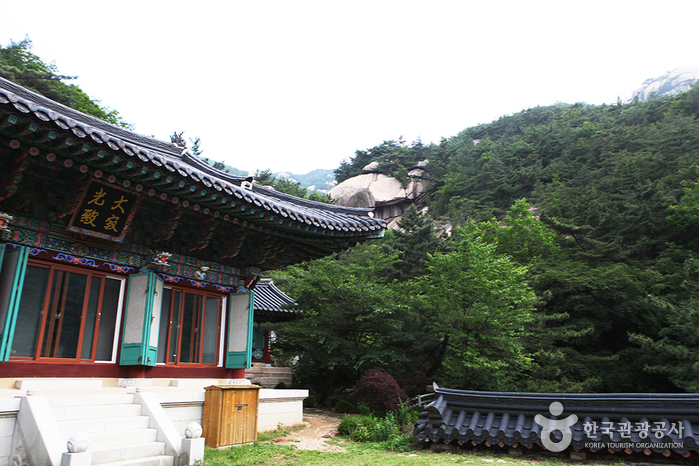
Seoul Geumseonsa Temple (금선사(서울))
7.5Km 2021-08-17
137, Bibong-gil, Jongno-gu, Seoul
Geumseonsa Temple is located within Bukhansan National Park, just behind Cheong Wa Da (The Blue House) and Gyeongbokgung Palace. The entrance to the temple is just off the hiking path to Bibong Peak.
After passing Banyajeon Hall, where Buddhist services are held, visitors will see a pine tree over 200 years old, and beyond that, a staircase with 108 steps leading up to Daejeokgwangjeon Hall in the temple's main area. To the right is Samseonggak House and Hongyegyo Bridge over the clear waters flowing down from the mountain.
Additional temple buildings include Mitajeon Hall and Yeonhwadang Hall, built in 2004 by Monk Beopan; and Jeokmukdang Hall, built using traditional construction techniques.
Seoul Upcycling Plaza (서울새활용플라자)
7.5Km 2024-01-05
49 Jadongchasijang-gil, Seongdong-gu, Seoul
Saehwaryong is a Korean term for upcycling, a process of redesigning or recycling discarded resources or materials to give them a new value or purpose. Seoul Upcycling Plaza operates upcycling-related exhibitions, upcycling practice education and experience programs, design studios, upcycling stores, workshops, and more. It is a great place to look around for ideas and inspirations on how to use products for longer periods of time. The plaza demonstrates the first step to creating a resource-recycling society.
Reberry Clinic Gangnam (리베리의원 강남점)
7.5Km 2026-01-02
B1 Floor, KI Tower, 8 Gangnam-daero 69-gil, Seocho-gu, Seoul
1. A dedicated medical director is personally assigned to each client, ensuring responsible and individualized care.
2. We go beyond consultation — every session is a professional medical treatment.
3. With our LifeBiz AI-powered 3D analysis camera, we provide an objective and precise facial assessment.
4. Our treatments are guided by a scientific skin-type classification system for accurate and tailored results.
5. Through 3D facial analysis, pigmentation diagnosis, and skin-type classification, we design a fully customized treatment pathway.
6. At Reberry Clinic Aesthetic, we offer not only advanced medical procedures, but also warm décolleté and therapeutic massage care for a holistic experience.
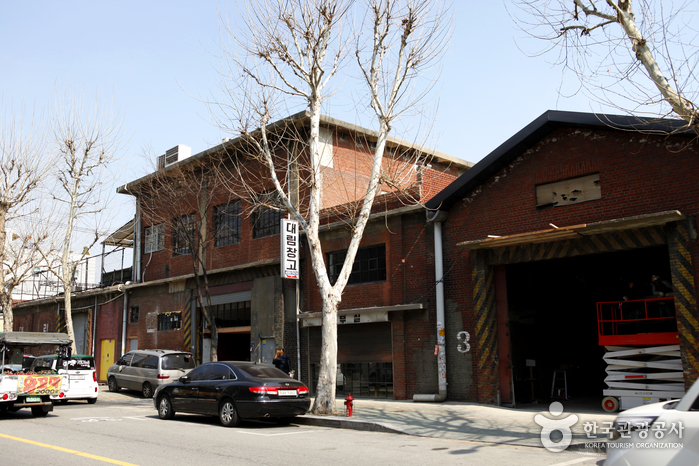
Daelim Changgo Gallery (성수동 대림창고 갤러리)
7.5Km 2025-03-18
78 Seongsui-ro, Seongdong-gu, Seoul
Daelim Changgo Gallery, which is a landmark in Seongsu-dong, is a red-brick building that was once used as a rice mill in the 1970s. It is now a cafe and art gellery that preserves as much of the original rice mill atmosphere as possible so it exudes fascinatingly vintage vibes, widely loved by young couples.
Seongsu-dong Cafe Street (성수동 카페거리)
7.5Km 2024-10-28
Seongsu-dong, Seongdong-gu, Seoul
Yeonmujang-gil in Seongsu-dong, known for old factories and a shoe workshop street, has been reborn as a place of trendy cafes and culture. The energy of car repair shops, printing factories, and handmade shoes street still exist today but, as global restaurant brands, select shops, and cafes have set up amidst busily operating factories, an atmosphere unique to Seongsu-dong has been created. "Daerim Warehouse" led to the change in the Seongsu-dong streets and can be said to be the originator of all warehouse-style cafes that are popular throughout Cafe Street today. The red-brick structure, antique signboards, and a vast indoor space of an old warehouse have been maintained and, with the addition of a sensuous interior design, it has become a space suitable for fashion shows and exhibits, thus showing new potential for old Seongsu-dong architecture. Every day, new cafes, bakeries, restaurants, and cultural complexes open their doors and are busy welcoming visitors.
Pixelab Beauty Clinic (픽셀랩성형외과의원)
7.5Km 2025-12-09
3rd Floor, Gangnam Station Riga Square, 42 Seocho-daero 73-gil, Seocho-gu, Seoul
Pixelab Beauty Clinic, under the design motto of “Bespoke Pixel Design,” focuses on enhancing each individual’s unique beauty and uncovering the hidden details within the face to elevate the true value of beauty. Through the perspective of board-certified plastic surgeons, the clinic specializes in non-surgical aesthetic design that has been embraced not only in Korea but also by a wide range of clients globally, establishing itself as a trusted and beloved aesthetic medical institution.
Aimeigroup (아이메이그룹)
7.5Km 2025-10-23
(B2, B1, 1st, 2nd Floors), 49 Gangnam-daero 110-gil, Gangnam-gu, Seoul
AiMei Group has been specializing in medical tourism and global medical marketing since 2018. We raise awareness of Korea's excellent healthcare services among our customers around the world and help them access healthcare services in a safe and convenient manner.
Key services:
1. Medical Tourism: Provides personalized medical care including plastic surgery, orthopedics, dermatology, and more.
2. Global Healthcare Marketing: Promotes Korean medical technologies and services to the world
3. Plane ticket and Hotel Booking: Provides the best flights and accommodations.
4. Airport Pickup: Provides safe transportation
5. Medical Interpretation: Provides professional interpretation services to overcome language barriers.
We at AiMei Group put your health and convenience first. We are committed to making your medical experience in Korea as positive and satisfactory as possible.
 English
 한국어
한국어 日本語
日本語 中文(简体)
 Deutsch
 Français
 Español
 Русский


