
Mediwin Co., Ltd. (주식회사 메디윈)
8.8Km 2025-10-23
(#1111, Korea Business Center), 309 Gangnam-daero, Seocho-gu, Seoul
Mediwin has worked with the best hospitals in Korea to promote medical tourism and international patients.
For severe international patients, we collaborate with Asan Medical Center and Seoul St. Mary's Hospital, and we serve patients through all specialties: ophthalmology, plastic surgery, dermatology, dentistry, internal medicine, and medical checkups, etc.
We always strive to help Mongolian patients choose the right hospital for their conditions and secure the best medical care.
We founded the company to promulgate Korea's medical excellence across the world.
We offer medical and general tourism services and have extensive experience serving Mongolian visitors.
We hope you will find the best medical experience at Mediwin, Co., Ltd. Thank you.
Dogo Dental Clinic (도고치과의원)
8.8Km 2025-10-23
(4th Floor, Yungok Building), 533 Bongeunsa-ro, Gangnam-gu, Seoul
‘Dogo’ is an ancient Korean word used to describe the groundwork that had to be done before placing the foundation stone to build traditional Korean houses and buildings. Dogo Dental Clinic pursues only the best treatment based on fundamentals, principles, and hygiene. We share all processes with our patients and do not overtreat.
Dr. Rumi Lee from New Zealand provides the best treatment in English with diverse experience practicing in both New Zealand and Korea for several years.
We are very close to COEX and Bongeunsa Temple and in close proximity to transportation options, convenience facilities, and tourist attractions. Thus, you can enjoy many other experiences before and after receiving dental treatment.
Our clinic boasts an elegant interior and treatment space but the treatment fee is reasonable, so many patients like to visit. With Dr. Lee's delicacy and gentleness, even those who are afraid of dental treatment can feel comfortable.
Korea Medical Institute Korea Central Clinic ((재)한국의학연구소 한국중부의원)
8.8Km 2025-11-06
B1, 3rd, and 4th Floors, Gwanghwamun Building, 149 Sejong-daero, Jongno-gu, Seoul
Korea Medical Institute (KMI), a leader in 'K-health checkups,' operates health checkup centers across eight locations nationwide, from Seoul to Jeju. KMI has been striving to prevent and detect diseases early. It has led the popularization of comprehensive medical examinations in Korea. Based on 39 years of accumulated data and expertise, KMI has enhanced its capabilities in health checkups, services, and brand value.
By utilizing its diagnostic data accumulated over the years, KMI provides accurate test results and follow-up care promptly.
KMI will stay committed to becoming a lifetime health management partner and 'K-health checkup' leader by leveraging its excellence in Korean medicine, beyond health checkups for foreign patients.
Korea Medical Institute Gangnam Clinic ((재)한국의학연구소 강남의원)
8.8Km 2025-10-23
5F-8F, 411 Teheran-ro, Gangnam-gu, Seoul
Korea Medical Institute (KMI), a leader in 'K-health checkups,' operates health checkup centers across eight locations nationwide, from Seoul to Jeju. KMI has been striving to prevent and detect diseases early. It has led the popularization of comprehensive medical examinations in Korea. Based on 39 years of accumulated data and expertise, KMI has enhanced its capabilities in health checkups, services, and brand value.
By utilizing its diagnostic data accumulated over the years, KMI provides accurate test results and follow-up care promptly.
KMI will stay committed to becoming a lifetime health management partner and 'K-health checkup' leader by leveraging its excellence in Korean medicine, beyond health checkups for foreign patients.
THE WELL SAEM HOSPITAL OF KOREAN MEDICINE (더웰샘한방병원)
8.8Km 2025-10-23
4th, 6th Floors, Hanil Plaza, 7 Namhyeon-gil (Namhyeon-dong), Gwanak-gu, Seoul
Integrative medicine, which links the strengths of Korea’s traditional medicine and Western medicine, is cutting-edge convergent medicine that provides optimal services for patients in most fields, except surgery and emergency medicine.
Traditional Korean treatments and modern medical treatments can deliver superior results compared to stand-alone therapies when applied in a patient-centered, multidisciplinary, and integrative manner. This is especially important for patients with intractable diseases such as cancer, severe chronic pain caused by aging and degenerative changes, and systemic symptoms resulting from recurrent inflammation and metabolic disorders. In such cases, integrative medicine represents a new paradigm that seeks not only physical health but also holistic recovery.
THE WELL SAEM HOSPITAL OF KOREAN MEDICINE pursues this integrative medicine, supporting patients’ faster recovery while also promoting the excellence of the Korean healthcare system worldwide, thereby aiming to create a pain-free, healthy world for all.
Nam-Seoul Museum of Art (SeMA) (서울시립미술관 남서울생활미술관)
8.8Km 2023-10-17
2076, Nambusunhwan-ro, Gwanak-gu, Seoul
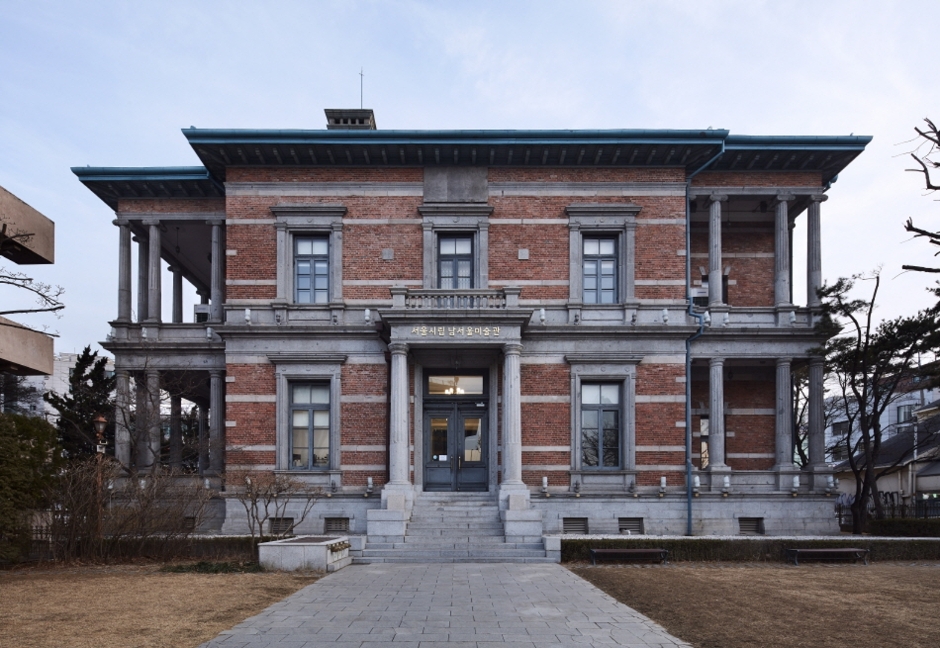
The Nam-Seoul Museum of Art offers visitors a meaningful opportunity to linger beside the traces of history. The building previously served as the Belgian Consulate during the Korean Empire (1897-1910) and has since been designated as a historic Site. It was first constructed in Hoehyeon-dong in 1905 and was relocated to its current location in Namhyeon-dong in 1983. The museum hosts public programs tailored for audiences from various backgrounds in rooms arranged along both sides of a long corridor in the two-story building.
Gold J Clinic (골드제이의원)
8.9Km 2025-10-23
8th Floor, Daechi Building, 408 Teheran-ro, Gangnam-gu, Seoul
Gold J Clinic is a medical aesthetics clinic focused on personalized treatments in dermatology and beauty. Experienced doctors analyze skin conditions and areas for improvement in detail, delivering natural and safe results through advanced equipment and proven procedures. Constant research and training ensure the clinic stays aligned with evolving trends and technologies, aiming to provide high-quality service.
Konkuk University Medical Center (건국대학교병원)
8.9Km 2025-10-23
120-1 Neungdong-ro, Gwangjin-gu, Seoul
Founded in 1931, Konkuk University Medical Center utilizes the latest medical technologies and advanced equipment to provide the highest level of healthcare services. We have state-of-the-art medical devices and equipment including the latest robotic surgery systems and a complete medical computerization system, 842 beds, 9 focus centers,14 specialized treatment centers, and a healthcare center for accurate early diagnosis.
Under the safe treatment system, our best medical staff and employees who communicate and empathize with patients do our best to create a patient-centered hospital that both patients and their families can trust the most.
SEVEN LUCK CASINO - Gangnam COEX Branch (세븐럭카지노(강남코엑스점))
8.9Km 2023-08-03
58, Teheran-ro 87-gil, Gangnam-gu, Seoul
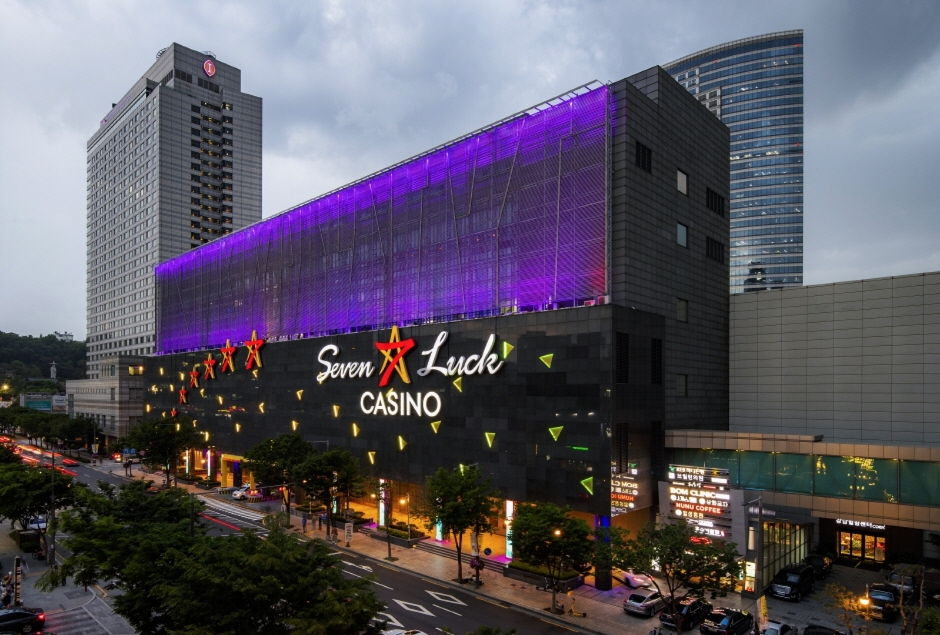
The Gangnam COEX branch of Seven Luck Casino is a Korean-style casino with an oriental atmosphere and state-of-the-art facilities. A total area of 6,093.57㎡ houses 82 table games and 121 of the latest machine games. Visitors can enjoy a great variety of gaming options such as Blackjack, Baccarat, Tai-sai, Roulette, Caribbean Poker, and slot machines. With its convenient location in the central Gangnam area, the casino also makes for an ideal place to sightsee and shop.
Sejong University Museum (세종대학교 박물관)
8.9Km 2022-09-16
209, Neungdong-ro, Gwangjin-gu, Seoul
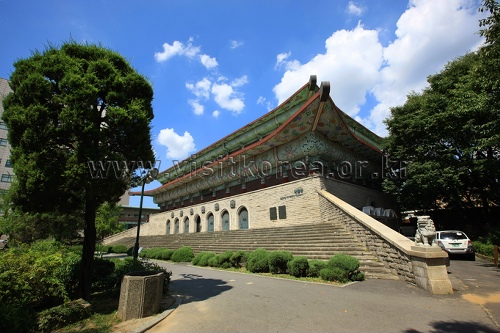
Sejong University Museum exhibits folk art, wooden crafts, clothing, accessories, pottery, paintings and calligraphy collected for over 40 years by the couple who founded the present day Sejong University, Dr. Ju Young-ha and Dr. Choi Ok-ja. This museum has its origins in the Soodo Gallery, which was built in Chungmuro, the campus’ original location, in 1959. Needing more space to house additional artifacts, the museum moved to its current location, which first opened on May 5, 1973 in a four-story concrete building inspired by traditonal tower design from the Baekje era. This building was later expanded on May 20, 1977.
After the university’s name was changed to Sejong University in 1979, the museum was also renamed the Sejong University Museum. The museum showcases unique artifacts to both scholars and students from home and abroad in contribution to the research of Korea’s culture, arts, and archeology.
 English
 한국어
한국어 日本語
日本語 中文(简体)
 Deutsch
 Français
 Español
 Русский


