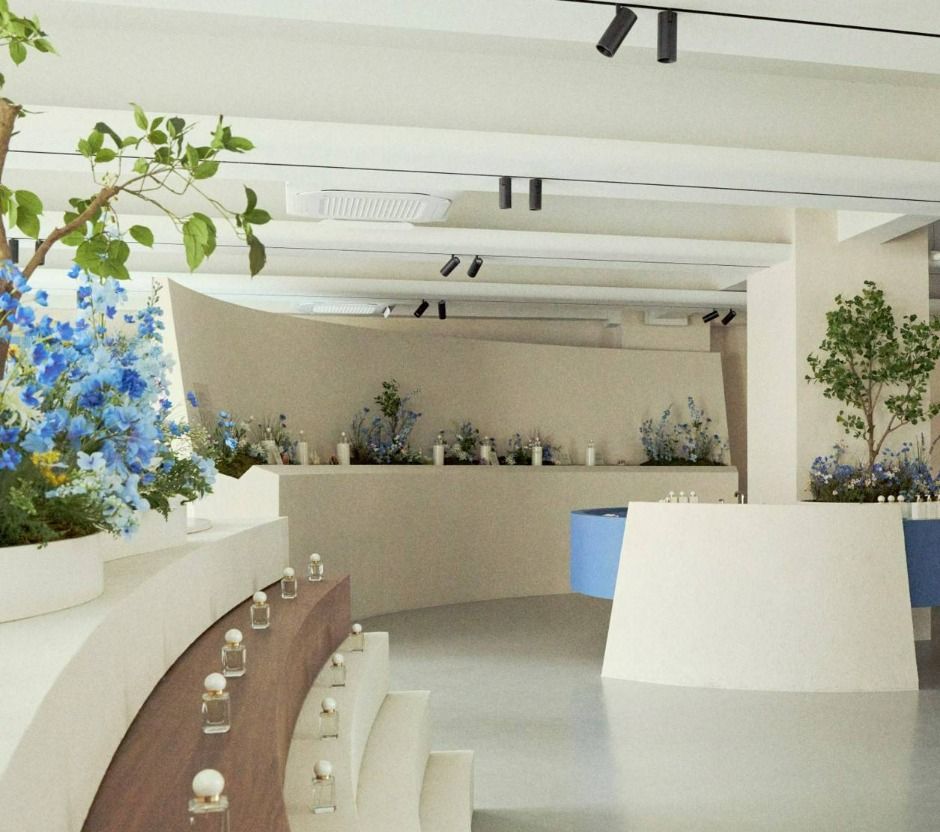
Matthew Chang Anguk (메튜장 안국)
1.8Km 2025-07-14
33 Yulgok-ro, Jongno-gu, Seoul
Matthew Chang Anguk flagship store uses the whole space to bring the brand's philosophy to life through fragrance. Located in Anguk, the heart of Korea's tradition and aesthetics, the store's tranquil atmosphere sets the mood for visitors to try on and experiment with the brand's carefully selected perfume collection. The staff provides assistance in recommending the perfect scent according to visitor's preference, mood, and nostalgia. The store also has a section dedicated to body care products, such as hand wash and body lotion.

I'mdr. LLC. (아임닥터 유한책임회사)
1.8Km 2025-10-23
3F, 6-3 Bugahyeon-ro 2-gil, Seodaemun-gu, Seoul
I'mdr. LLC., leads the global medical tourism market with Korea's cutting-edge medical technology and world-class medical services.
With I'mdr, a health and beauty trip to Korea will be safer and more comfortable. It provides both aesthetic medical services and treatment for severely ill patients. Enjoy innovative, patient-centered medical tourism experience through I'mdr.'s customized medical concierge services.
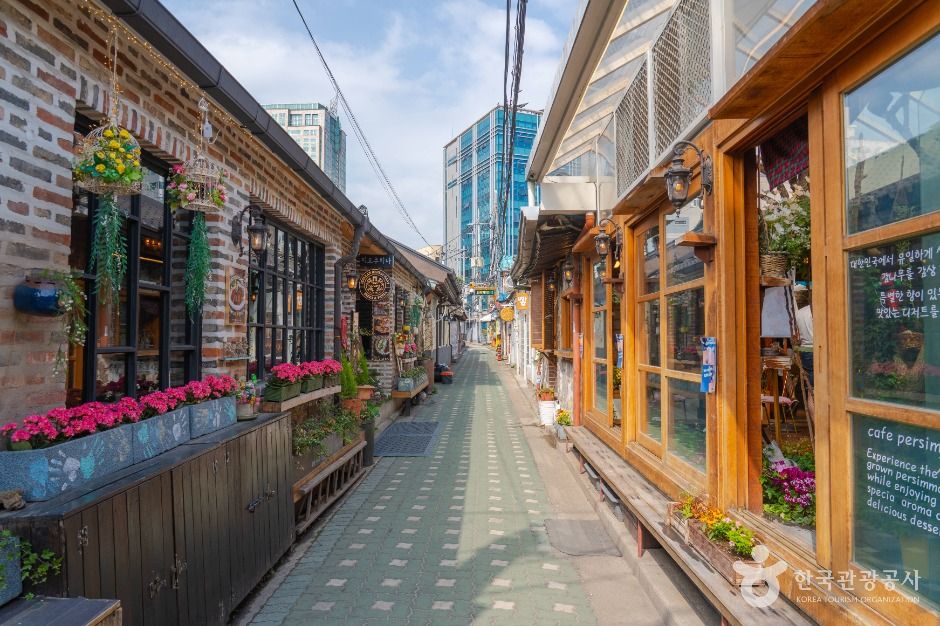
Ikseon-dong Hanok Street (익선동 한옥거리)
1.8Km 2025-10-27
Ikseon-dong, Jongno-gu, Seoul
Ikseon-dong is a place where the harmony of alleys and hanok houses exudes beautiful charm and is a must-visit spot for tourists of all ages and genders. It is also an area that connects the younger and older generations.
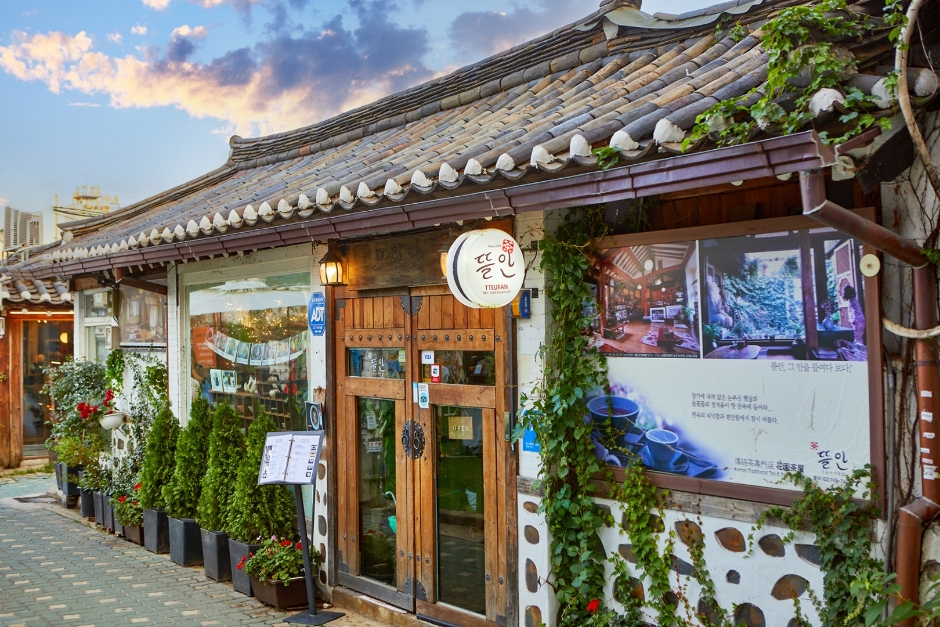
Tteulan Teahouse (뜰안)
1.8Km 2024-12-10
Tteulan Teahouse is a cafe that really allows one to feel the tradition and flair of Korea. Tteulan has two entrances: one facing the wide alley and the other facing the smaller one. The smaller entrance is decorated like a garden, so it feels as if one is stepping into a land of fairy-tales. The café has a floor seating tables with traditional items like gadari soban (a table with legs that curve like a dog's legs), and jogakbo (a textile woven from several pieces of scrap cloth), all of which add to the traditional Korean aesthetic. The menu features ssanghwacha (medicinal herb tea known to help the immune system), a favorite among middle-aged and elderly Koreans; omija tea (omija is a tart berry that grows in East Asia known to be good for lung and bronchial health and boosts immunity); citrus tea (usually made with yuzu which is rich in vitamin C and said to help mitigate fatigue); and pour-over coffee. Traditional desserts include mugwort rice cake (rice cake with mugwort added for herbal flavor, best enjoyed with malt syrup), pumpkin rice cake, and roasted grain powder (a nutritious beverage made with a variety of powdered grain). It can be hard to find seating in the afternoon, so visitors are advised to avoid these hours if they seek to enjoy their drink in peace.
![KGC - Chungmu-ro Branch [Tax Refund Shop] (KGC 충무로점)](http://tong.visitkorea.or.kr/cms/resource/71/2878671_image2_1.jpg)
KGC - Chungmu-ro Branch [Tax Refund Shop] (KGC 충무로점)
1.8Km 2024-04-16
235, Toegye-ro, Jung-gu, Seoul
-
Sejong Village Food Street (세종마을 음식문화거리)
1.9Km 2025-06-17
Chebu-dong, Jongno-gu, Seoul
Previously known as Geumcheongyo Market, it was officially named Sejong Village Food Street in 2011, as King Sejong was born in this village. The street is full of lively energy and features both long-standing restaurants, also known as nopo in Korean, and recently established trendy eateries. Its convenient location and inviting atmosphere make it a popular place to visit.
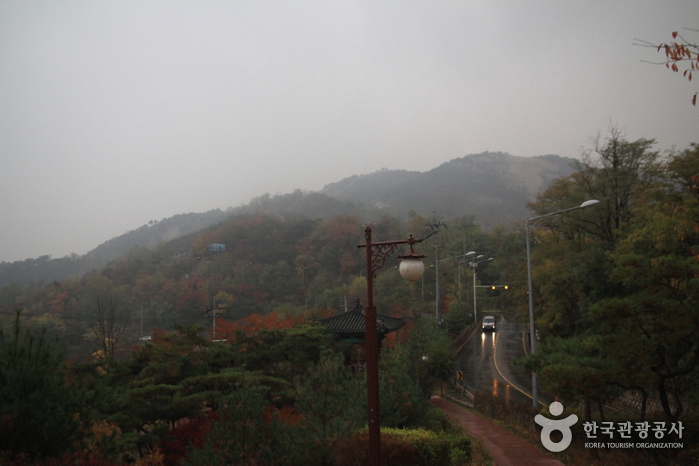
Inwangsan Mountain (인왕산)
1.9Km 2024-03-04
San 2-1, Muak-dong, Jongno-gu, Seoul
+82-2-2148-2834
Inwangsan Mountain is a rocky mountain located to the northwestern side of Seoul. It stands 338m tall. The Seoul City Wall is built along its ridge, connecting to the Baegak Mountain Trail. From the summit, one can see the three mountains of Naksan Mountain, Namsan Mountain, and the Bugaksan Mountain surrounding the historical center of Hanyang, the historical name for Seoul in Joseon period, with the Gyeongbokgung Palace at the center. There are five hiking trails, all taking about two hours to complete. It takes about three hours if you want to visit all the peaks of the mountain.
Seosulla-gil Road (서순라길)
1.9Km 2024-10-14
150-3 Jong-ro, Jongno-gu, Seoul
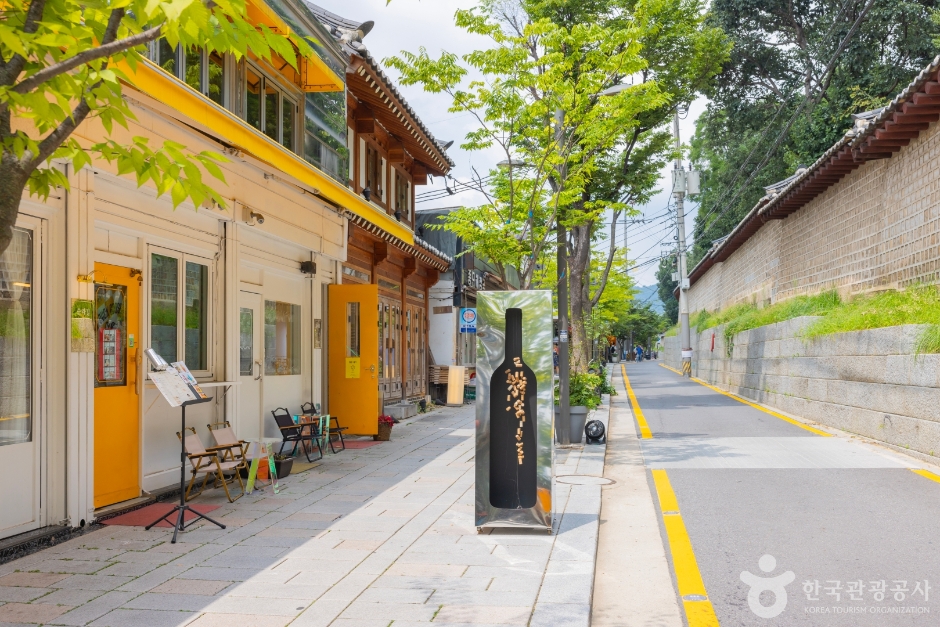
Seosulla-gil Road is a road that was used by the nightguards during the Joseon dynasty. The road is on the west of Jongmyo Shrine with various attractions nearby including Ikseon-dong, Insa-dong, Bukchon, and Samcheong-dong, as well as restaurants, cafes, and handicraft workshops. The road is also a beautiful date course with flowers in spring and fall foliage in autumn..
Sewoon Plaza (세운상가)
1.9Km 2025-12-16
159 Cheonggyecheon-ro, Jongno-gu, Seoul
Makercity Sewoon is Korea's first comprehensive electronics market, established in 1968 and has a 40-year history. As a mecca in the urban electronics industry area located in Jongno, the center of Seoul, you can purchase various electronic products here.
Since 2014, Seoul's urban regeneration project has been underway, and a pedestrian overpass, rooftop observatory, plaza, and Makers Cube, where you can experience the 4th industrial revolution, have been created to provide unique attractions.
◎ Travel Information to Discover Hallyu’s Charm - K-Drama "Vincenzo (2021)"
"Vincenzo" depicts the story of Vincenzo (Song Joong-ki), an Italian mafia lawyer who teams up with the tenants of “Geumga Plaza” to protect a hidden stash of gold in the building from a powerful force. The building appearing as “Geumga Plaza” in the drama is none other than Seoul's Sewoon Plaza. Its retro-style aesthetic adds a unique ambience to the show and makes its scenes even more memorable.
Seoul Sajik Park (사직공원(서울))
1.9Km 2021-11-12
89, Sajik-ro, Jongno-gu, Seoul
+82-2-2148-4149
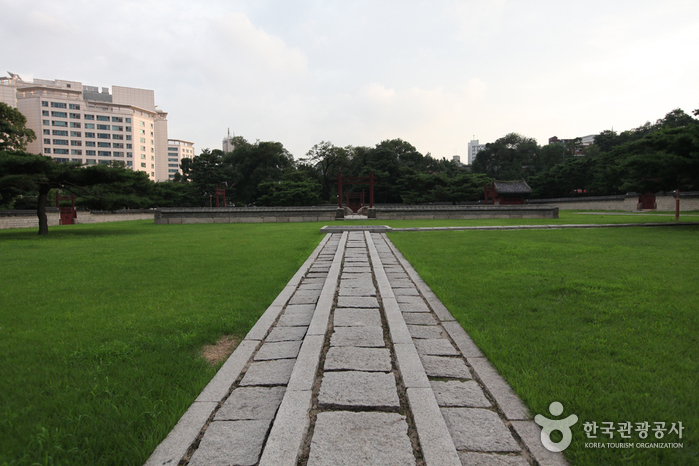
Sajik Park is one of the three most popular parks in Jongno-gu along with Tapgol Park and Samcheong Park. Located west of the Government Complex-Seoul on the southeastern foothills of Inwangsan Mountain, the park measures an impressive 188,710 m².
The name of the park dates back to 1395 when Taejo Yi Sung-gye made Sajik Altar (altar to the State deities) at the center of the park. "Sa" refers to the deity of the earth while "jik" refers to the deity of the five grains. Rites wishing for a good harvest were held regularly at Sajik Altar.
In the park are several playgrounds, statues of Sin Saimdang, Hwanghakjeong, and Yulkog Yi I, and the Municipal Children's Library. Dangun Shrine and Jongno Library are situated nearby. By following the path next to Sajik Park for approximately 5 minutes, travelers can reach the Inwangsan hiking path with relative ease.
 English
 한국어
한국어 日本語
日本語 中文(简体)
 Deutsch
 Français
 Español
 Русский


