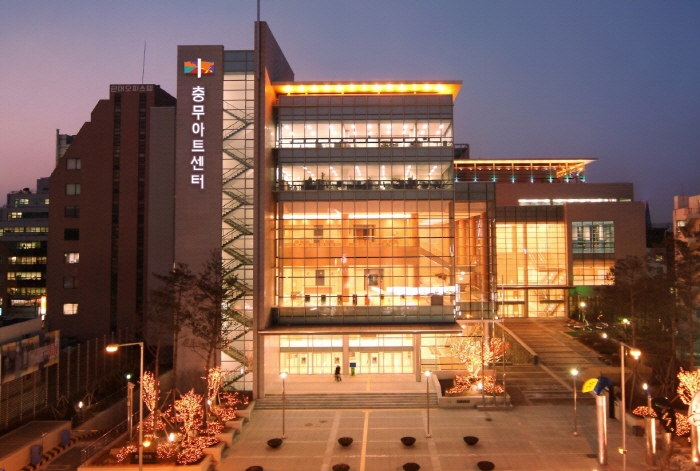
Chungmu Arts Center (충무아트센터)
3.7Km 2024-03-06
387, Toegye-ro, Jung-gu, Seoul
Chungmu Arts Center is a complex cultural facility with an optimal conditions for watching performances. It has a large theater, a medium theater (black), and a small theater (blue). It also boasts great galleries, studios, and a swimming pool, attracting numerous visitors. In addition, one can enjoy performances of various genres, including classical music, plays, musicals, and concerts. Located close to Dongdaemun, it has good accessibility.

National Theater of Korea (국립극장)
3.7Km 2024-03-06
59, Jangchungdan-ro, Jung-gu, Seoul
The National Theater of Korea opened in 1950 as the first national theater in Asia. It is the only production theater that takes traditional arts to recreate them as contemporary art. It offers various types of theaters, such as Haeoreum Grand Theater, Daloreum Theater (middle-size), Immersive Studio ByeolByeol (small-size), and Haneul Round Theater with a circular stage structure. In addition, the Museum of Performing Arts, Cultural Plaza, and other convenience stores and coffe shops offer pleasure and relax to its visitors.
Hwanghak-dong Flea Market (Dokkaebi Market / Manmul Market) (황학동 벼룩시장 (도깨비시장/만물시장))
3.8Km 2025-04-11
11-7 Majang-ro 5-gil, Jung-gu, Seoul
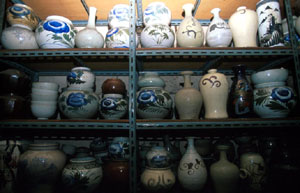
Hwanghak-dong Flea Market was named after the way how merchants travel from one place to another all over the country, as if like fleas hopping around from one spot to another, to collect rare and valuable items. This market was once a haven of antiques and collectibles, but with the formation of old-fashioned art street in 1983 in Janganpyeong, many classic art shops had moved out, leaving only used item and general goods stores. Now, visitors can find stores selling antiques, used furniture, electronics, clocks, jewelry, musical instruments, camera, and machinery – pretty much anything one can name. Hwanghak-dong Flea Market is also referred to as Dokkaebbi Market, to describe how even the most rundown items become just like new, as if like the work of a dokkaebi (Korean folk goblin).
Sindang-dong Tteokbokki Town (신당동떡볶이골목)
3.8Km 2022-10-25
10-18, Dasan-ro 33-gil, Jung-gu, Seoul
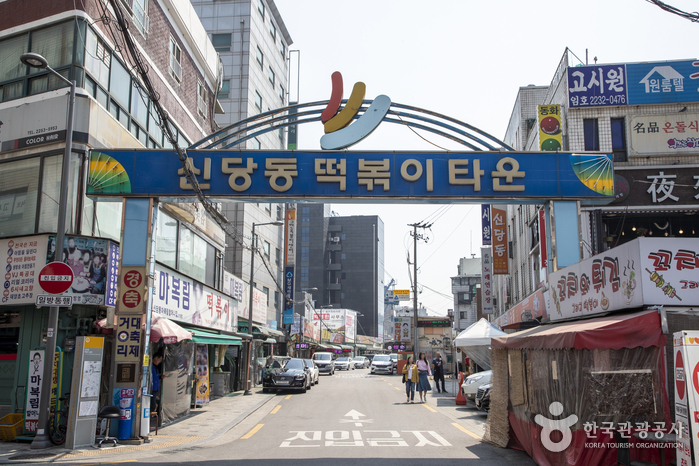
Sindang-dongTteokbokki Town started in the late '70s, although the alley did not become famous until the '80s. At that time, each restaurant had its own DJ booth, with the image of the "cool DJ" who played the music becoming a symbol of Sindang-dong Tteokbokki Town. In addition, this period also marked the prime time of high school baseball where students would crowd the streets on days when Duksoo Commercial High School and Sunrin Commercial High School (now Sunrin Internet High School) played against one another. Although these high school students have aged, they continue to visit the area, reliving their youth and continuing to indulge in the specialty tteokbokki.
However, some claim the history of this alley began in the 1950s. The owner of Mabongnim Halmeoni Tteokbokki restaurant says tteokbokki was being sold as early as 1953 as the area used to be home to Donga Theater and she sold tteokbokki, corn and potatoes to those visiting the theater. At first, tteokbokki was simply made with gochujang (red chili paste) but as time went by, cooks decided the dish could be more than just a snack. By adding ingredients like eggs, cellophane noodles, fish cakes, instant noodles and more recently squid, prawn and cheese, tteokbokki can be made more delicious and turns this beloved snack into a full meal.
Hongjecheon Artificial Waterfall (홍제폭포)
3.8Km 2024-11-07
Yeonhui-dong, Seodaemun-gu, Seoul
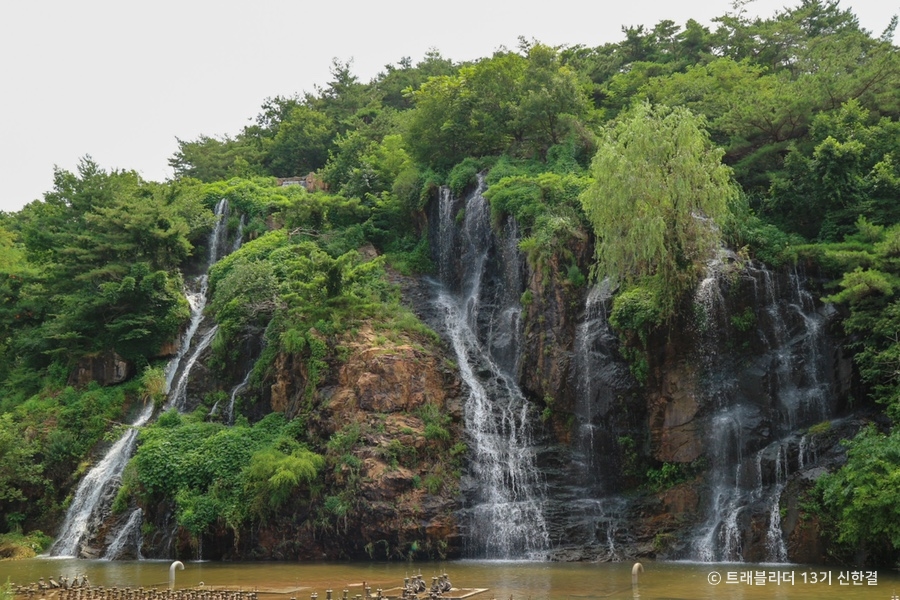
Hongjecheon Artificial Waterfall is located along Hongjecheon Stream in Seodaemun-gu, Seoul. The waterfall was built in 2011 and is 25 meters tall and 60 meters wide. Despite being a man-made waterfall, the design and construction were so well-done that many find it hard to believe it wasn't a naturally formed waterfall. The area around the waterfall features various places for citizens and visitors to relax, while there are many cafes and cultural spaces in the area to make a visit more enjoyable.
Ewha Womans University (이화여자대학교)
3.9Km 2023-07-04
52, Ewhayeodae-gil, Seodaemun-gu, Seoul
Ewha Womans University is Korea's first women's university founded in 1886 by American Methodist missionary Mary Scranton. Ewha Womans University is also the most famous women's university in Korea and its name originates from Ehwa Hakdang, a name given by Empress Myeongseong in 1887. Ewha Womans University created a four-year university course in 1910, and in 1943, the name of Ewha was taken away during the Japanese colonial period and downgraded to a one-year school. In October 1945, the year of Korea's independence from Japan, it regained the name of Ewha and was promoted to a university with eight departments. Currently, it consists of 15 graduate schools, 11 colleges, and 67 departments, and there are 8 affiliated research institutes.
The street in front of Ewha Womans University is famous for shopping. This place is full of clothing stores and neat food that boast a popping sensation to suit the tastes of female college students. The shopping street in front of Ewha Womans University is a straight road that lies ahead of Exits 2 and 3 of Seoul Subway Line 2. Alleyways stretch out like branches around this street and are filled with various accessory shops, clothing stores, shoe stores, restaurants, cafes, and beauty salons.
Starbucks Edae R (스타벅스 이대R)
3.9Km 2024-12-27
34 Ewhayeodae-gil, Seodaemun-gu, Seoul
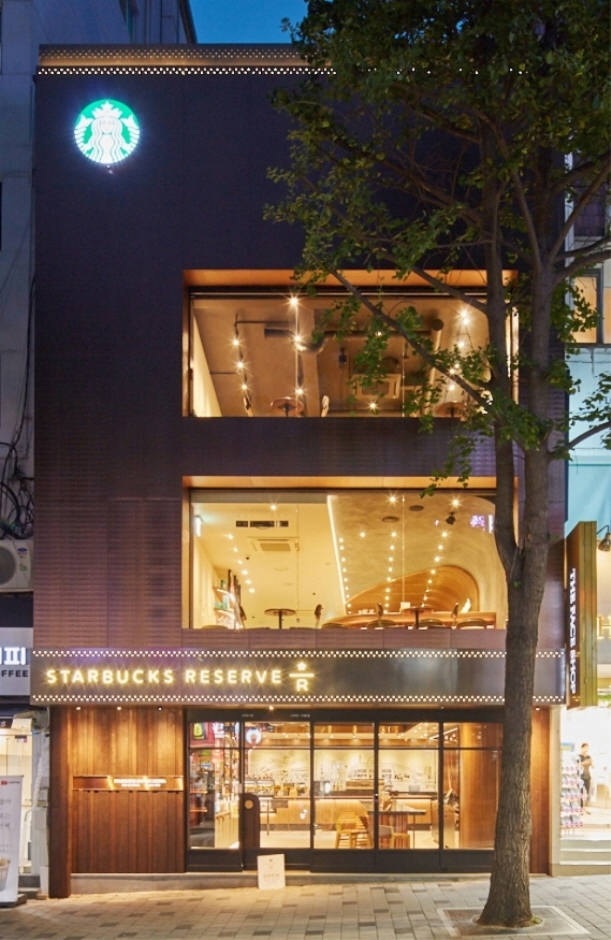
Starbucks Edae R store is the first Starbucks store opened in 1999 and Korea's first Reserve only store
Starbucks Edae R store is the first Starbucks store opened in Korea. It is located 150 meters from the front gate of Ewha Womans University. The store has been loved by customers for over two decades since 1999. In celebrating its 20th anniversary in 2019, the store re-opened as Korea's first Reserve-only store. It specializes in offering specialty coffee and memorable experiences to many customers visiting Korea's first Starbucks store. As the leading store presenting the history and future of Starbucks, it offers high-quality coffee in a beautifully decorated setting, along with unique beverages and exclusive merchandise available only at this particular store.
ARTEASPOON (아티스푼)
4.0Km 2025-10-23
7 Sinheung-ro 36-gil, Yongsan-gu, Seoul
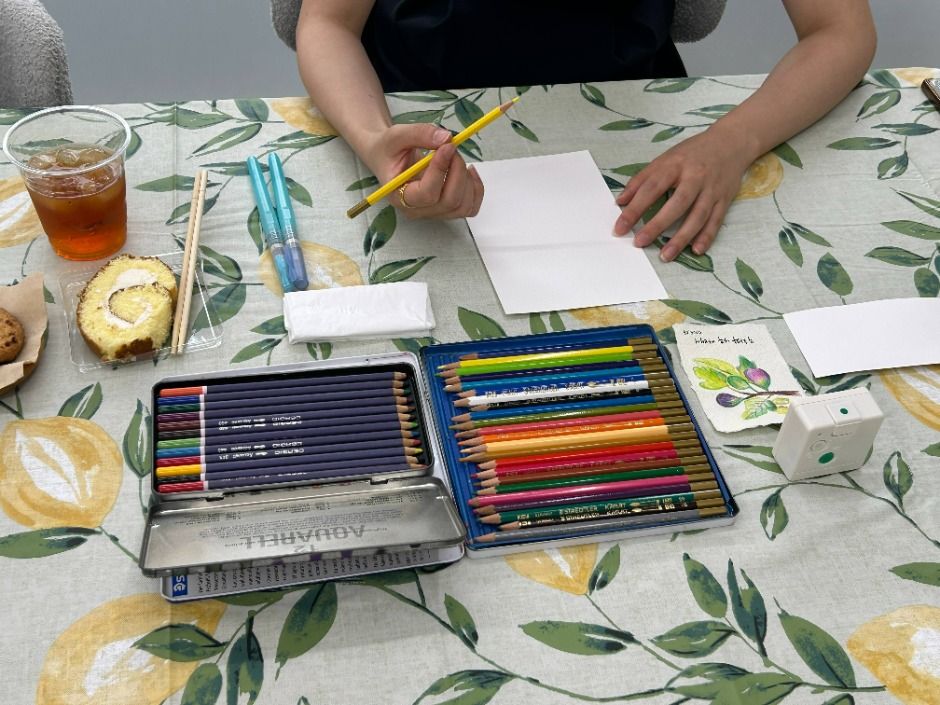
ARTEASPOON operates cultural arts programs centered on paintings, music, and books. It also has a program related to exploring one's feelings and mind, and offers a special program for foreigners for learning Korean culture and art. Located in Huam-dong at the foothills of Namsan Mountain, it's an ideal place to immerse in art and inspirations.
Hwanggeum Kongbat (황금콩밭)
4.0Km 2025-10-31
9 Mapo-daero 16-gil, Mapo-gu, Seoul
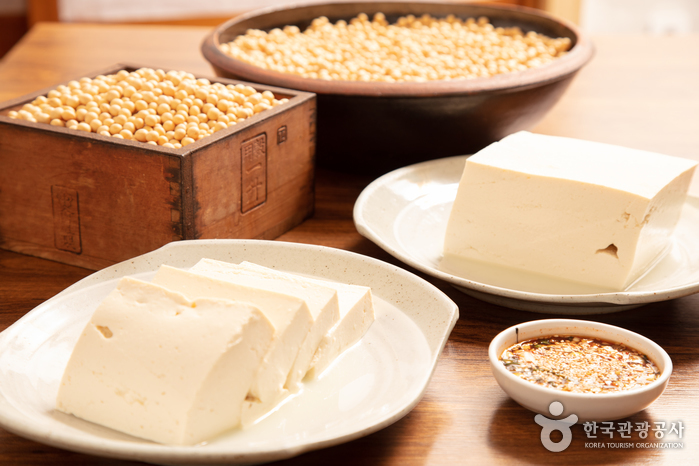
Hwanggeum Kongbat specializes in bean curd, using 100% Korean-grown soybeans and salt to make their bean curd fresh daily. The restaurant is famous for their method of making a bean curd that is smooth and maintains the nutty yet sweet flavor of the soybeans.
Yejiwon (예지원)
4.0Km 2022-09-19
72, Jangchungdan-ro, Jung-gu, Seoul
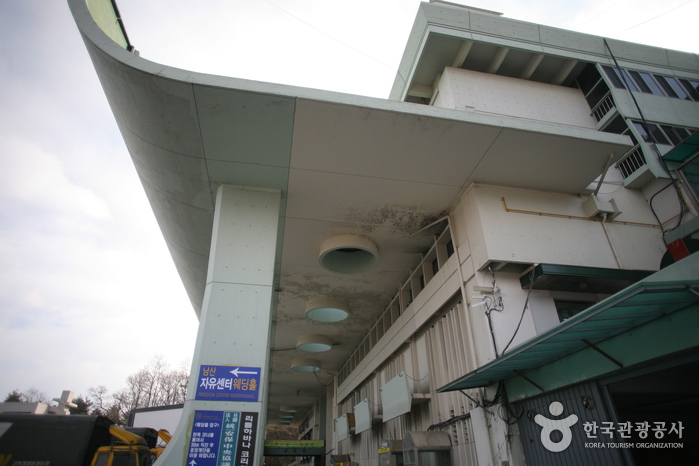
The Yejiwon is located in Seoul Jung-gu Jangchung-dong and has been offering traditional Korean etiquette education programs since its inception on September 16th, 1974. Furthermore, the Yejiwon also serves to introduce the traditional cultures and living cultures of Korean etiquettes to foreigners.
Most programs offered are short-term classes, and reservations can be made on the homepage up to 15 days in advance. Reservations are only available for groups of 10 or more and classes are instructed in Korean only, so it may be a good idea to be accompanied by a guide.
 English
 한국어
한국어 日本語
日本語 中文(简体)
 Deutsch
 Français
 Español
 Русский


