
Yoojung Restaurant (유정식당)
8.3Km 2025-10-29
14 Dosan-daero 28-gil, Gangnam-gu, Seoul
Yoojung Restaurant is well-known, despite being located in a side-street, thanks to its having been frequented often by BTS members during their training days. BTS fans will love seeing the many pictures and posters of BTS decorating the walls, and can enjoy the same dishes loved by their idols. Some of the stars' most ordered dishes have had their names changed to reflect this.
Dosan Park (도산공원)
8.3Km 2022-12-16
20, Dosan-daero 45-gil, Gangnam-gu, Seoul
Located in Sinsa-dong, Seoul, Dosan Park, a neighborhood park, was built in 1973 to pay tribute to Dosan Ahn Chang-ho’s patriotism. Dosan Ahn Chang-ho’s tomb was moved here from Manguri Public Cemetery as well as his wife, Lee Hyeryen, whose tomb was moved from Los Angeles. The tribute was extended by naming the boulevard from Cheongdam-dong to Nonhyeon-dong, as Dosan-daero. Visitors can find a bronze statue, monument with quotations, epitaph headstone and more within the park. Commemoration event is held on March 10th of every year.
Soonplus Plastic Surgery · Dermatology (순플러스성형외과의원)
8.3Km 2026-01-02
(12th-13th Floors, Mulberry Hills Medical Building), 589 Gangnam-daero, Seocho-gu, Seoul
At Soonplus Plastic Surgery · Dermatology, we are dedicated to enhancing the unique beauty of each individual through meticulous diagnoses and ongoing research.
For 25 years, we have quietly pursued the path of true beauty, and now, we are reaffirming our commitment to the principles that have guided us since the beginning.
Our focus is on natural beauty, helping you discover and embrace your own distinctive charm—one that is authentic and not influenced by fleeting trends.
This unwavering dedication to preserving individuality has been our hallmark for over two decades.
At Soonplus Plastic Surgery · Dermatology, we are committed to continuing this journey with you, bringing out the pure beauty that is uniquely yours.
10 Corso Como Cheongdam Branch (10꼬르소꼬모 청담점)
8.3Km 2025-10-28
416, Apgujeong-ro, Gangnam-gu, Seoul
A trendy select shop frequented by celebrities
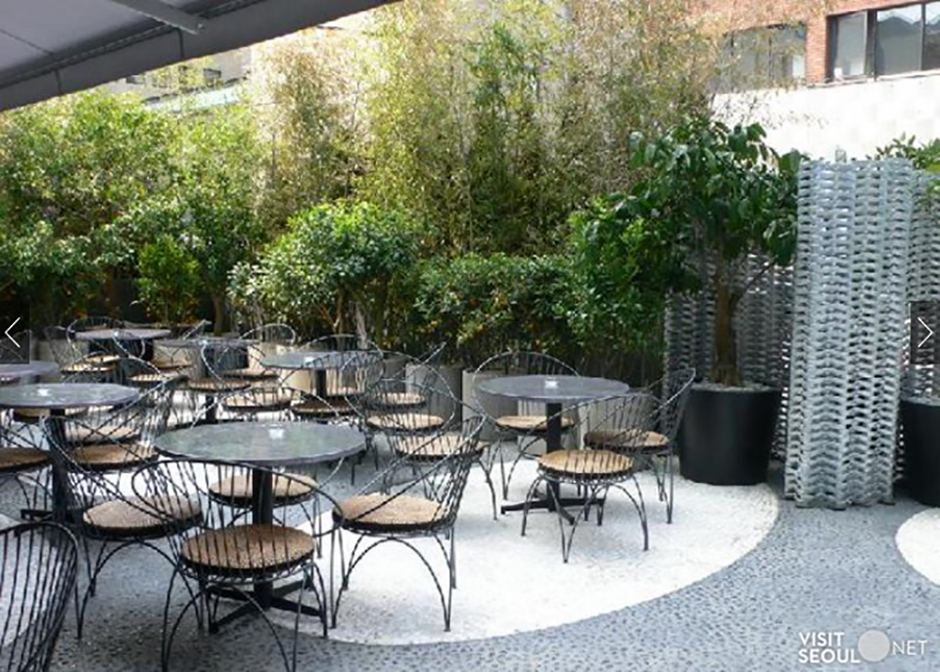
It is a trendy select shop with a restaurant and cafe. BLACKPINK JENNIE uploaded a restaurant on Instagram, which became a hot topic. It is a place where colorful ceiling decorations and sensuous interiors stand out, and the photo point is the wall decorations that are said to have been made by hand. There are a variety of products from books to interior accessories and clothes, and pop-up stores of various brands are often opened. Thanks to this, it is known as a sacred place for celebrities and fashion people who are sensitive to trends.
Jangchung Jokbal (장충족발)
8.3Km 2024-10-15
31, Noryangjin-ro 16-gil, Dongjak-gu, Seoul
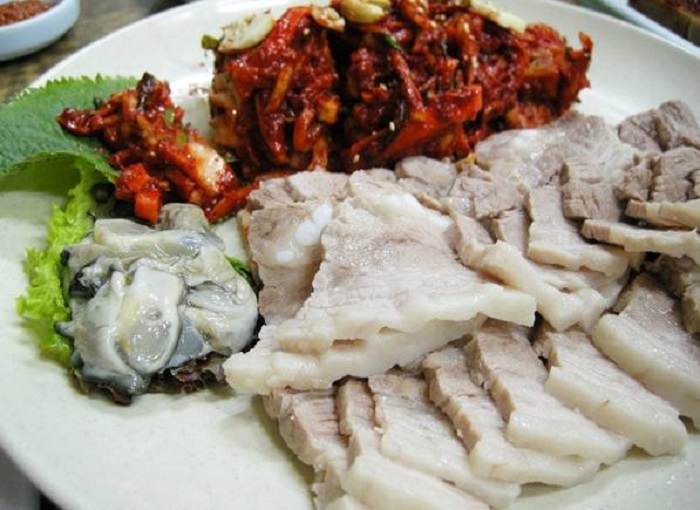
Jokbal (pig’s feet) is a representative food loved by Koreans. The best menu at this restaurant is braised pigs' feet. This Korean dishes restaurant is located in Dongjak-gu, Seoul.
Youth Clinic (유스의원)
8.3Km 2025-10-23
(4th Floor, Islex), 108 Uisadang-daero, Yeongdeungpo-gu, Seoul
Youth Clinic is a single-room dermatology practice that sees only 20 patients per day. We offer dermatology care, obesity care, and petit plastic surgery. We operate at two locations in Cheongdam and Yeouido. Our staff consist of family medicine and dermatology specialists providing high-quality medical services, and our flagship procedures include 5G Lifting, which is a non-surgical anti-wrinkle and lifting procedure, Youth Double Skinny lipolysis, which treats partial obesity without surgery, Youth Fill collagen filler, which increases skin elasticity and volume at the same time, and Atos laser treatment, which improves pores and skin elasticity. Our signature procedures have won the 2014 and 2016 Medical Korea Awards, No. 1 in 2015 and 2016 Consumer Satisfaction Index, and the 2014 Beauty Industry Award. We have trademarks registered for all procedures.
Banpo Bridge Rainbow Fountain (반포대교 달빛무지개분수)
8.3Km 2025-10-23
647 Banpo-dong, Seocho-gu, Seoul
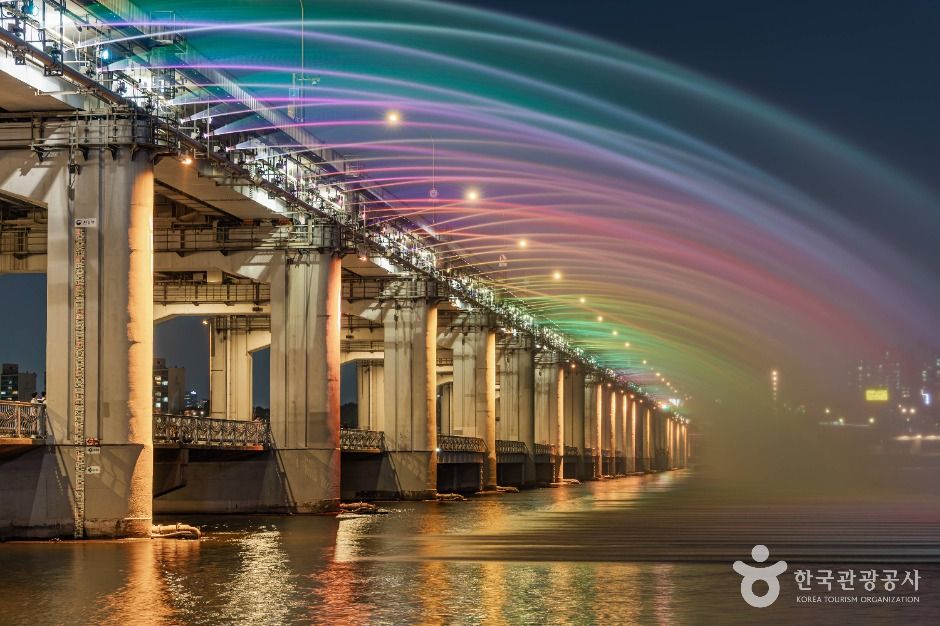
The Rainbow Fountain plunges 20 meters into the water on both side of Banpo Bridge over the Hangang River. When the sun goes down, 200 lights illuminate the fountain as it sends out dancing, rainbow-colored jets of water in the air in synchronization with music. The fountain boasts spectacular views from the hills, the Hangang River observation deck, and the moon-shaped Moonlight Square. Banpo Bridge Rainbow Fountain operates every day from April to October, four to six times a day for 20 minutes.
Haneul Park (하늘공원)
8.3Km 2024-11-28
95 Haneulgongwon-ro, Mapo-gu, Seoul
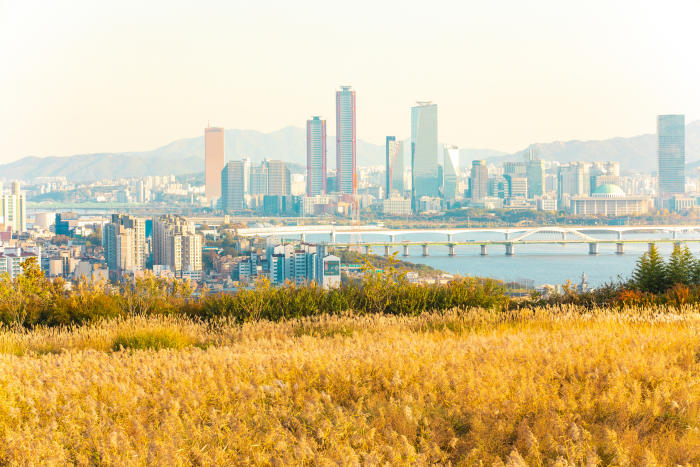
Haneul Park is one of five parks that make up World Cup Park, together with Peace Park, Nanjicheon Park, Nanji Hangang Park, and Noeul Park. It was established for the purpose of restoring the ecological environment so operates its facilities by using natural energy. It features a silver grass field, mixed grassland, rock garden, sunflower field, observatory rest area, and wind power generator. Among the various parts of the World Cup Park, it is located the closest to the sky and shows the transformation from a barren landfill restored to nature. In fall, silver grass forms a spectacle, and, here, visitors can get a clear, panoramic view of Seoul including Bukhansan Mountain and the Hangang River. It is also known as a place for beautiful sunsets and nightscapes.
Yanghwa Hangang Park (한강시민공원 양화지구(양화한강공원))
8.3Km 2022-12-16
221, Nodeul-ro, Yeongdeungpo-gu, Seoul
Situated on the southern part of the Hangang River, Yanghwa Hangang Park stretches between the mouth of Yeouido Saetgang Tributary and the Gayang Bridge in Gangseo-gu, Seoul. This spacious park is lush with vegetation and offers a spectacular view of the river.
The park is located nearby a number of other attractions including Seonyudo Park, an island in the river, which has been transformed into an ecological park; Seonyu Bridge; and the World Cup Fountains, with jets shooting 202 meters in x_height.
There is a wide bike trail that runs through the park that connects this park with the other Hangang River Parks. Every May, the bike trail is flanked by lush green grass and beautiful roses, making it the ideal photo spot.
Forever Plastic Surgery (포에버성형외과의원)
8.4Km 2025-10-23
(5th Floor, Patio9), 742 Nonhyeon-ro, Gangnam-gu, Seoul
Forever Plastic Surgery Gangnam is located near Hakdong Station on Subway Line 7 (Nonhyeon-dong, Gangnam). You can receive all cosmetic surgeries and procedures including facelifts, skin care, obesity, hair transplant, and non-surgical cosmetic procedures in one place. Our 8 medical staff with about 30 employees specializes in both dermatology and plastic surgeries. We can provide services in English, Chinese, Russian, and Japanese. With various procedures and laser equipment, we will guide you to the most suitable method according to your condition or recovery period.
Feel free to visit and receive consultation without any fee. In addition, we issue a reimbursement slip for refund at the airport refund counter.
 English
 한국어
한국어 日本語
日本語 中文(简体)
 Deutsch
 Français
 Español
 Русский


