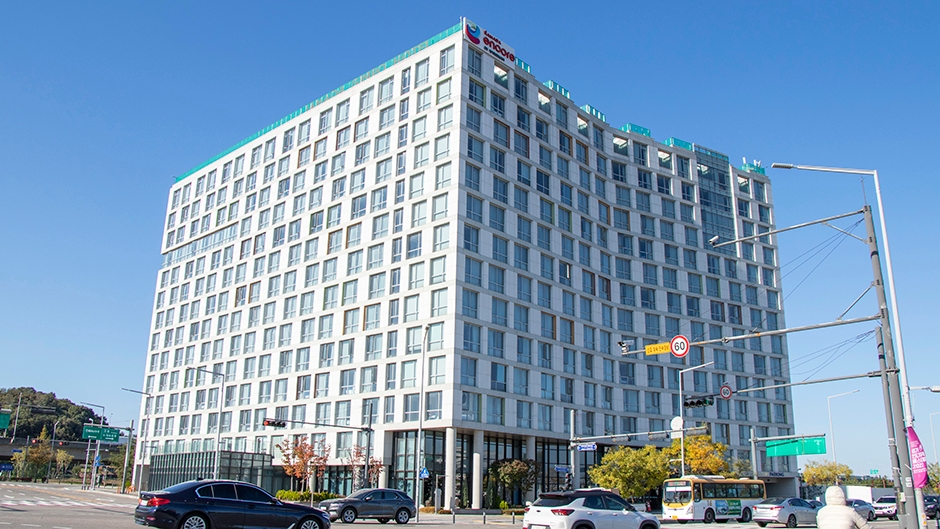
Ramada Encore by Wyndham Gimpo Han River Hotel (라마다앙코르 바이윈덤 김포한강호텔)
17.8Km 2024-08-13
169 Arayuk-ro 152beon-gil, Gochon-eup, Gimpo-si, Gyeonggi-do
Ramada Encore by Wyndham Gimpo Han River Hotel is located just a 10-minute drive from Gimpo International Airport and KINTEX. The hotel was built in 2019 under the international hotel brand Ramada. In addition to the many rooms, the hotel offers a range of amenities, including a kid's zone, restaurant, banquet hall, business center, fitness center, coin laundromat, and more.
![Yangju Olleung Royal Tomb [UNESCO World Heritage] (양주 온릉(단경왕후) [유네스코 세계문화유산])](http://tong.visitkorea.or.kr/cms/resource/10/757410_image2_1.jpg)
Yangju Olleung Royal Tomb [UNESCO World Heritage] (양주 온릉(단경왕후) [유네스코 세계문화유산])
17.9Km 2025-01-07
255-41, Hoguk-ro, Yangju-si, Gyeonggi-do
+82-31-855-5228
Olleung Royal Tomb is the royal tomb of Queen Dangyeong (1487-1557), consort of King Jungjong, the 11th ruler of the Joseon dynasty. Queen Dangyeong married King Jungjong when she was 13 years old. In 1506, when King Jungjong ascended to the throne, she became a queen as well, but she was deposed due to her father leading a coup against her husband's acendancy. Therefore, her grave was not regarded as a royal tomb until 1739.

Dongpyun Korean Medicine Clinic (동편부부한의원)
18.0Km 2025-11-28
#202, 2nd Floor, 188 Burim-ro, Dongan-gu, Anyang-si, Gyeonggi-do
Dongpyeon Korean Medicine Clinic focuses on restoring body balance through holistic treatments.
Specialized in detox care, weight control, skin improvement, and pre/postnatal therapy,
it helps the body recover naturally by addressing root causes, not just symptoms.
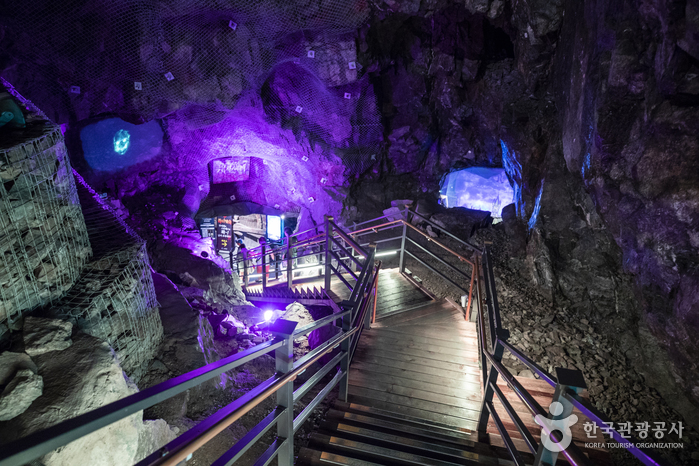
Gwangmyeong Cave (광명 동굴)
18.3Km 2025-10-27
142 Gahak-ro 85beon-gil, Gwangmyeong-si, Gyeonggi-do
Gwangmyeong Cave was developed in 1912 during the Japanese colonial period to exploit resources, including gold mines, and continued to be developed for industrial purposes after liberation. After the mine was closed in 1972, it was used as a salted seafood warehouse for about 40 years. Gwangmyeong City purchased the site, reorganized it, and made it available to the public. It is currently recognized as a modern industrial heritage site with high historical value, and is well known as a cave theme park in the metropolitan area. Along with the cave, colorful lights and sculptures create a spectacular sight. Aside from tasting and purchasing Korean wine at the Gwangmyeong Wine Cave, visitors can also see the largest media art piece in Korea at the Lascaux Exhibition Hall, enjoying a more diverse travel experience.
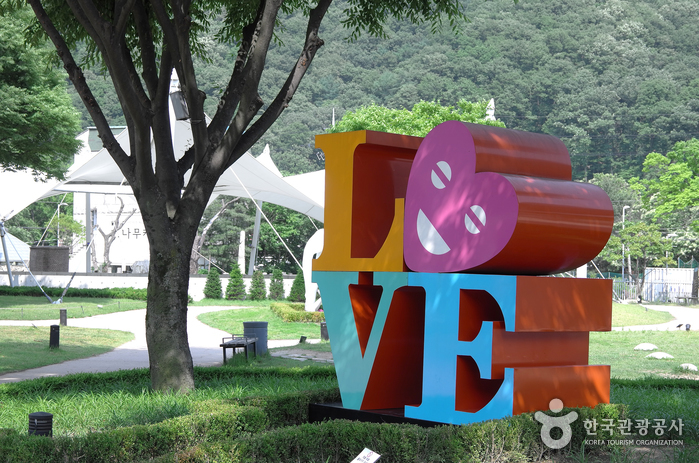
Gana Art Park (가나아트파크)
18.4Km 2024-02-07
117 Gwonyul-ro, Jangheung-myeon, Yangju-si, Gyeonggi-do
Gana Art Park is a park featuring an art museum, playground, performing stage, art shop, restaurant, and more. The park includes the Gana Children’s Art Museum, showcasing artworks by Korean and international contemporary art masters. There is also the Blue Space, where a work of Picasso is displayed, the Red Space dedicated to artworks of contemporary masters, and the Yellow Space, which is a playground equipped with nets
The Catholic University of Korea Bucheon St. Mary’s Hospital (가톨릭대학교 부천성모병원)
18.5Km 2025-10-23
327 Sosa-ro, Wonmi-gu, Bucheon-si, Gyeonggi-do
The Catholic University of Korea Bucheon St. Mary's Hospital is the first university hospital in Bucheon. Since its opening in 1958, it has used leading medical technology and has contributed to the local community healthcare development and health promotion.
We will expand our multidisciplinary medical treatment so that patients' emotions can be embraced, and we will showcase our advanced patient-centered hospital.
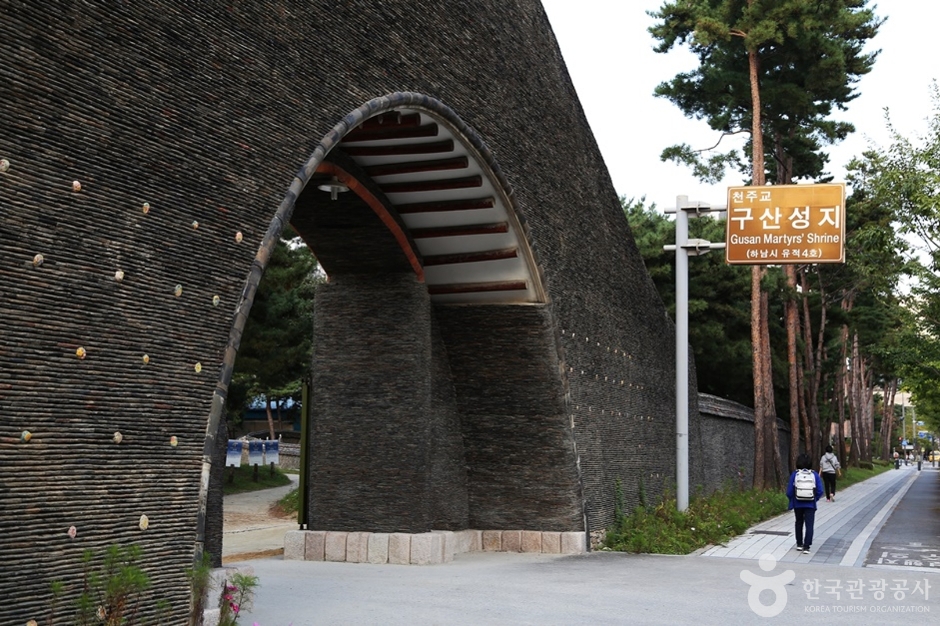
Gusan Martyrs' Shrine (구산성지)
18.7Km 2024-02-08
387-16 Mangwol-dong, Hanam-si, Gyeonggi-do
Gusan Martyrs' Shrine, located in Gusan Village, named for its turtle-shaped mountain, is a Catholic holy site. It houses the graves of nine martyrs, including Kim Seongwoo Antonio. The history of the martyrs, their persecution, and their lives, imbued with a spirit of martyrdom, attract Catholic pilgrims to the site. The area's picturesque landscaping also makes it a favored location for TV drama, commercial, and film productions.
Songa Myeonok (손가면옥)
19.1Km 2024-10-15
313 Sinheung-ro, Wonmi-gu, Bucheon-si, Gyeonggi-do
Established in 1994, Songa Myeonok is a renowned naengmyeon (cold buckwheat noodles) restaurant in Bucheon. Its signature dishes include bibim naengmyeon (spicy buckwheat noodles) and hoe naengmyeon (cold buckwheat noodles with raw fish). These dishes are celebrated for their chewy noodles and a refreshing blend of sweet and sour seasonings. Boasting a spacious parking lot and a comfortable interior, the restaurant is a popular choice for family outings and group gatherings.
NHIS Ilsan Hospital (국민건강보험 일산병원)
19.1Km 2025-10-23
100 Ilsan-ro, Ilsandong-gu, Goyang-si, Gyeonggi-do
NHIS Ilsan Hospital, opened in March 2000, is the nation's only insurer-run hospital and one of the most trusted and frequently visited hospitals in Korea. The International Healthcare Center, established in August 2012, is currently headed by a professor of neurosurgery and operated by a staff of three. In particular, the center is dedicated to providing the best hospital services for Russian-speaking patients. Through partnerships with more than 50 organizations both in Korea and abroad, the hospital actively engages in monitoring local healthcare trends, promoting Korean medical services, and enhancing international patient care. It also conducts annual medical training programs for healthcare professionals from target countries (e.g., Kazakhstan, Mongolia) while providing charitable medical services to financially disadvantaged international patients.
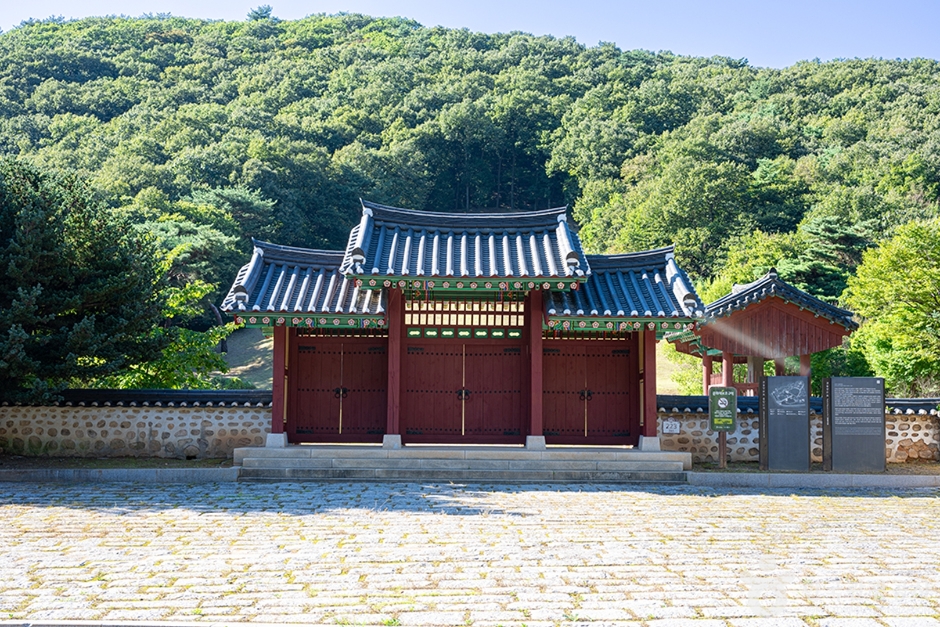
Tomb of General Gwon Yul (권율장군묘)
19.3Km 2024-02-07
223 Gwonyul-ro, Jangheung-myeon, Yangju-si, Gyeonggi-do
General Gwon Yul (1537-1599) is a historic figure from the Joseon dynasty. He is celebrated for repelling the invading Japanese forces at Haengjusanseong Fortress and other locations near Seoul during the Japanese Invasion of Korea (1592-1598). In front of the tomb stands a tombstone, flanked by pairs of stone statues. These pairs consist of Sangseok, Hyangnoseok, Dongjaseok, Muninseok, and Mangjuseok, with one statue from each pair positioned on the left and the other on the right, respectively. The site also includes the tombs of his father and older brother. His descendants continue to visit and commemorate him to this day.
 English
 한국어
한국어 日本語
日本語 中文(简体)
 Deutsch
 Français
 Español
 Русский


