
Leeum, Samsung Museum of Art (삼성미술관 리움)
5.3Km 2022-12-15
60-16, Itaewon-ro 55-gil, Yongsan-gu, Seoul
Leeum, Samsung Museum of Art, exhibits traditional and modern art works by Korean and international artists. The museum itself is just as fascinating as the art works on display, since the museum's three buildings were designed by internationally renowned architects Mario Botta, Jean Nouvel, and Rem Koolhaas.
MUSEUM 1 houses traditional Korean art, such as calligraphy, paintings, ceramic arts, and metal craftwork, while MUSEUM 2 displays modern and contemporary art by both Korean and international artists.
YOU&I Clinic Wangsimni (유앤아이의원 왕십리점)
5.4Km 2025-11-24
2nd–3rd Floor, Handong Tower, 315 Wangsimni-ro, Seongdong-gu, Seou
YOU&I Clinic is a trusted dermatology and aesthetic clinic with extensive experience and expertise accumulated since 2006.
At YOU&I Clinic, we are committed to using authentic products, providing precise and honest treatments, and offering personalized services tailored to each individual’s needs.
We welcome clients not only from Korea but also from Japan, China, and Thailand, and offer Japanese and Chinese interpretation services. All foreign clients receive treatments at the same prices as Korean clients.
YOU&I Clinic specializes in lifting, petite procedures, and skin boosters, as well as a wide range of aesthetic skin treatments. We also provide thorough aftercare to ensure the highest level of satisfaction for every client.

Ceramic Cafe JOOL(도자기카페 줄)
5.5Km 2025-11-05
11, Sinchon-ro 4-gil, Mapo-gu, Seoul
'24/365 with BLACKPINK' filming location
This is the studio where JISOO and ROSÉ visited and made pottery in BLACKPINK's exclusive reality content '24/365 with BLACKPINK'. Through the one-day class, you can draw a picture on a mug or make your own pottery by hand. If you follow the teacher's class and pay attention, you will feel great fun even if you are clumsy. Just touching the moist clay dough has the effect of relieving daily stress. Classes require reservations.
![Lindapick [Korea Quality] / 린다픽 [한국관광 품질인증]](http://tong.visitkorea.or.kr/cms/resource/10/2803310_image2_1.jpg)
Lindapick [Korea Quality] / 린다픽 [한국관광 품질인증]
5.5Km 2024-10-30
26-5, Itaewon-ro 23-gil, Yongsan-gu, Seoul
Lindapick is a guesthouse located a five-minute walk from Itaewon Station (line 6). The host of this new guesthouse, open in May 2021, prioritizes cleanliness by washing bedding and disinfect the whole place every time a guest leaves. The CCTVs that are installed outside and at the shared inner space are operated around the clock, strengthening the security. The light-lemon-color exterior walls of the accommodation and the muted-colored rooms are in harmony, forming a fresh and calm atmosphere. The room that can accommodate two persons shows how the host is considerate. A 100% natural aroma diffuser emits peppermint scent that makes guest unwind, and the lavender scent lets guests sleep tight. The kitchen with a refrigerator and a microwave oven is where you can cook a simple dishes, and the air purifier and the washing machine let you enjoy a fresher rest. From the entrance to the room, there is a garden that is decorated as an outdoor terrace, where you can have a leisurely time sunning yourself.
Cheongansa Temple (천간사)
5.5Km 2021-10-12
20-8, Bulgwang-ro 10-gil, Eunpyeong-gu, Seoul
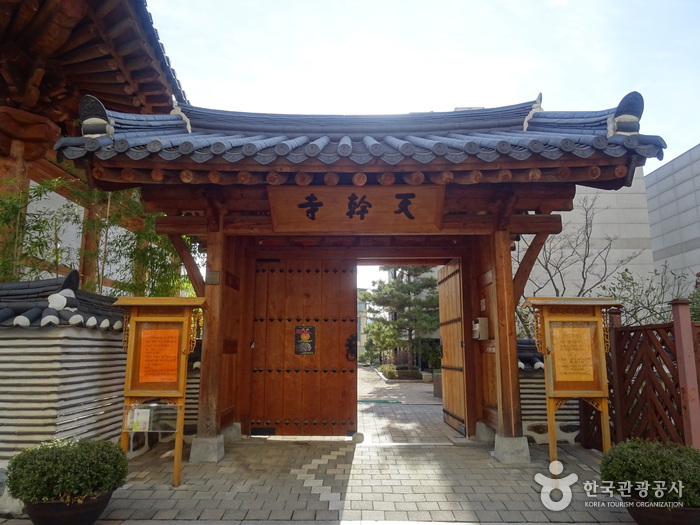
Cheongansa Temple was first built in 1960, and was re-built in 2009. It has many pagodas and monuments: a pagoda filled with sari relics of Buddha; Budotap Pagoda, which is a shrine to the monk who found the temple and his sacred relics; and a monument honoring the late first lady Yuk yeong-su. The re-built temple was awarded the Hanok Prize in the Hanok Competition 2011. Located along the Bukhansan Mt. Dulaegil Trail, the temple provide visitors with the chance to enjoy fresh air and a rest from hiking along the trail.
Unplugged Hongdae Branch(언플러그드)
5.5Km 2025-11-05
26 Wausan-ro 33-gil, Mapo-gu, Seou
IU ‘Sleepless Rainy Night’
As the name suggests,it is a cafe with an analog charm. Old wooden floors and furniture, pianos and guitars, and turntables are old and more stylish. In a space full of LPs and CDs, you can feel the warmth and coziness you felt in the music video. A variety of menus are available, from drinks to beer and pretty cocktails named after musicians. There is a performance hall in the basement, where performances are often held.
G-line Book Street (경의선책거리)
5.5Km 2024-03-19
35 Wausan-ro 37-gil, Mapo-gu, Seoul
G-line Book Street spans approximately 250 meters from Exit 6 of Hongik University Station to Wau Bridge, where the old train tracks remain intact. It serves as a prominent cultural hotspot in Hongik University, housing various bookstores and cultural spaces selling books on diverse topics. Independent bookstores, children's bookstores, specialty bookshops, and art galleries converge in this area, offering a rich tapestry of literary experiences.
SEOUL SHINSEGAE EYE CENTER (서울신세계안과의원)
5.6Km 2025-10-23
3rd–4th Floors, Y-Square, 52 Dobong-ro, Gangbuk-gu, Seoul
SEOUL SHINSEGAE EYE CENTER is a premium clinic with specialists from Korea’s top hospitals. With AI-based precision systems and an advanced surgical center, we offer safe, customized care. Sterile ORs, 7-stage purification, and age-specific checkups ensure lifelong family eye health.
Yeonnam-dong (연남동)
5.6Km 2024-03-19
Yeonnam-dong, Mapo-gu, Seoul
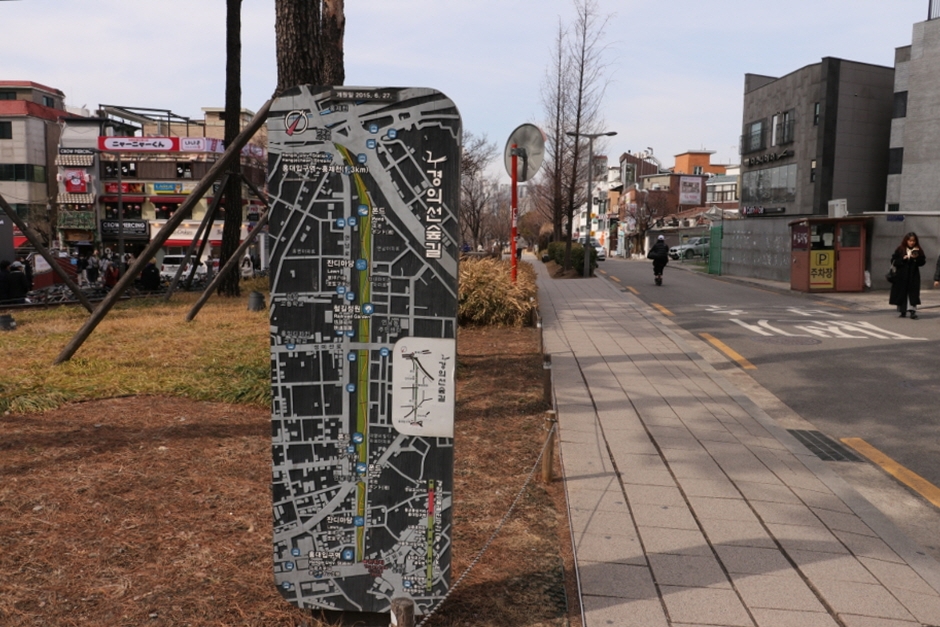
Yeonnam-dong, located near Hongik University Station, has become a hot spot in Seoul as young artists and hipsters gather. It is densely packed with art spaces, and every alley is filled with unique concept cafés and many restaurants. There are also many guesthouses, editorial shops, and fashion stores, along with Yeontral Park, which was transformed from the old Gyeongui Line railroad into a park.
King Sejong The Great Museum (세종대왕박물관)
5.6Km 2024-03-08
56, Hoegi-ro, Dongdaemun-gu, Seoul
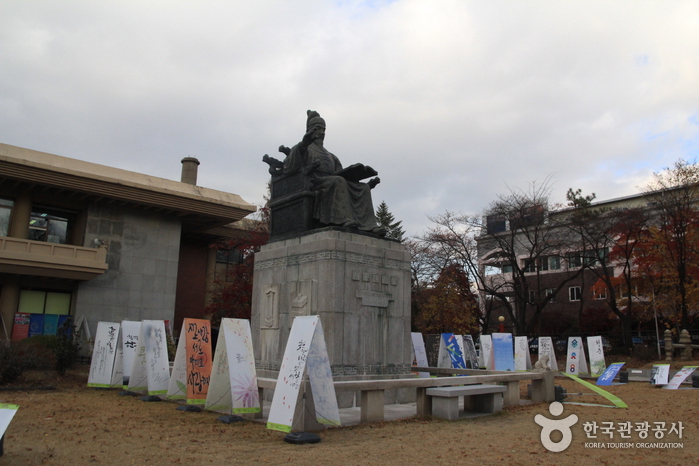
King Sejong The Great Museum is a cultural complex located in the heart of Seoul, near Gwanghwamun Plaza.The Hangeul Room exhibits documents published during the reign of King Sejong, the Science Room displays Cheugugi and celestial planisphere, and the Korean Traditional Music Room showcases various traditional Korean musical instruments. The Biography Room features Portrait of King Sejong and paintings depicting scenes from his life. Outdoors, there are statues of King Sejong, the scahe sundial, the clepsydra, and Cheugugi.
 English
 한국어
한국어 日本語
日本語 中文(简体)
 Deutsch
 Français
 Español
 Русский


