Public Hanok Night Out (공공한옥 밤마실)
818.0M 2025-06-10
37 Gyedong-gil, Jongno-gu, Seoul
+82-2-741-1033
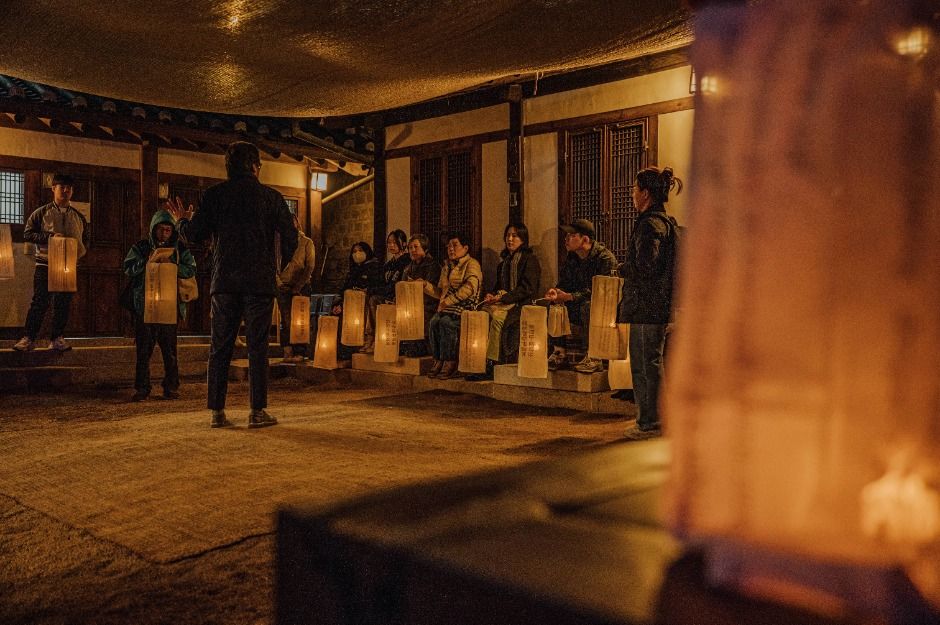
Public Hanok Night Out is a special evening event that allows limited access to the nine public hanok buildings, including the Bukchon Culture Center, after sundown. The event is carefully prepared to make the hanok buildings accessible as much as possible. In addition, the event also offers a variety of programs to entertain the visitors. The event aims to raise awareness about embracing differences and diverse values during this time of ever-changing global society, as well as expand the the cultural values of hanok as something more unique.
Haeunjae (하은재)
821.4M 2024-12-23
68-10 , Jahamun-ro, Jongno-gu, Seoul
+82-504-0904-2414
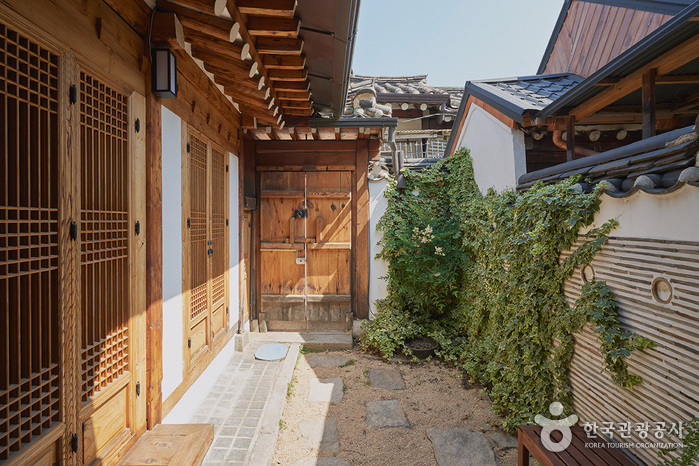
Ha Eunjae is a private hanok stay in Seochon Village, just west of Gyeongbokgung Palace in Seoul. The accommodation comprises a bedroom with queen-size bed, a kitchen, a movie room, and two bathrooms. The movie room is fitted out with a Bose sound system, a beam projector, and a large screen, with a movable footbath as a bonus. The kitchen is equipped for simple cooking. Guests staying 2 nights or more during the week receive a 10% discount, and towel replacement and cleaning services are provided for stays of 3 nights or more. Ha Eunjae is close to major tourist attractions such as Gyeongbokgung Palace and Samcheong-dong.
Daraenamu Tree in Changdeokgung Palace (창덕궁 다래나무)
854.2M 2025-01-13
99, Yulgok-ro, Jongno-gu, Seoul
+82-2-3668-2300
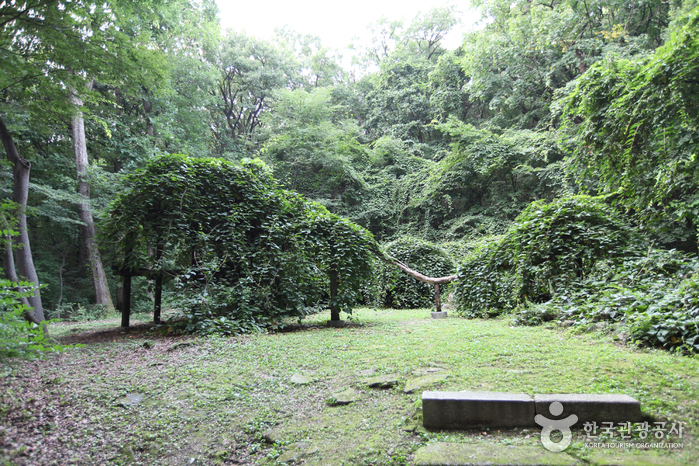
Daraenamu Tree in Changdeokgung Palace is estimated to be 600 years old, meaning it had likely been planted before the palace was built. The tree stands 19m in x_height, and has six separate trunks sprawling in all directions. It is the biggest and the oldest in Korea. It is designated and protected as a National Natural Monument.
Gallery Simon (갤러리 시몬)
912.1M 2022-09-15
20, Jahamun-ro 6-gil, Jongno-gu, Seoul
+82-2-720-3031
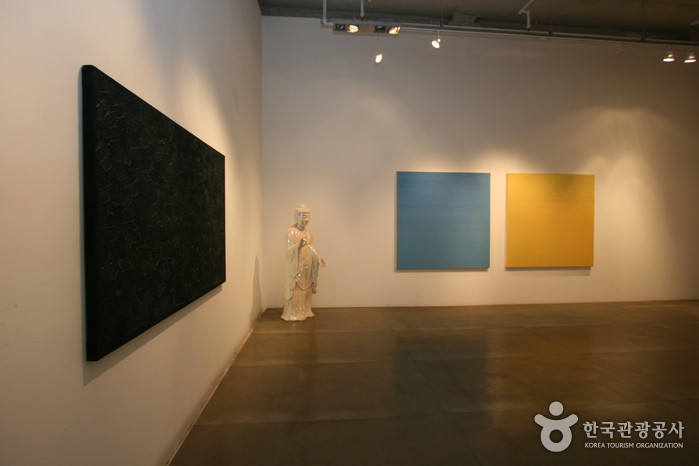
Since its opening in April, 1994, Gallery Simon has continued to focus on promoting the beauty of modern art. Exhibitions include works from experienced artists as well as the works of budding artists, both from Korea and abroad. Select artists, referred to collectively as "Simon's Friends," have exhibitions annually. The changing collections allow the museum and featured artists to constantly strive for improvement and follow the changes in art over time.
Seochon Village (서촌마을)
922.3M 2024-12-02
45 Pirundae-ro, Jongno-gu, Seoul (Nuha-dong)
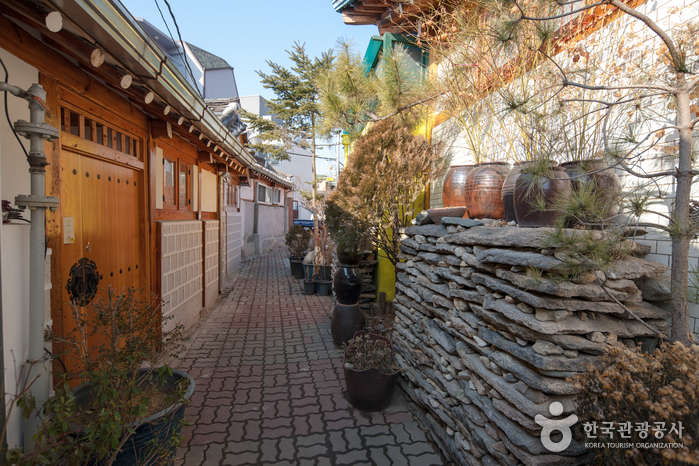
Seochon Village is the name given to the area to the west of Gyeongbokgung Palace. It is a historic village, home to old shops and hanok buildings that have stood the test of time. Korean traditions and contemporary sensibilities coexist within Seochon Village’s maze-like alleyways, creating the unique ambience that makes the district so beloved. One can find shops, guesthouses, cafés, and restaurants in the village.

Ground Seesaw Seochon (그라운드시소 서촌)
943.9M 2023-01-17
18-8, Jahamun-ro 6-gil, Jongno-gu, Seoul
Ground Seesaw is a cultural complex located in Seochon, Jongno presented by Media & Art, an exhibition production company, and designed by SoA, an architecture firm, and Loci Studio, a landscaping studio. Visitors are able to check out a variety of exhibits at Ground Seesaw Seochon.
Gwanghwamun Gate (광화문)
945.2M 2024-12-04
161 Sajik-ro, Jongno-gu, Seoul
+82-2-3700-3900
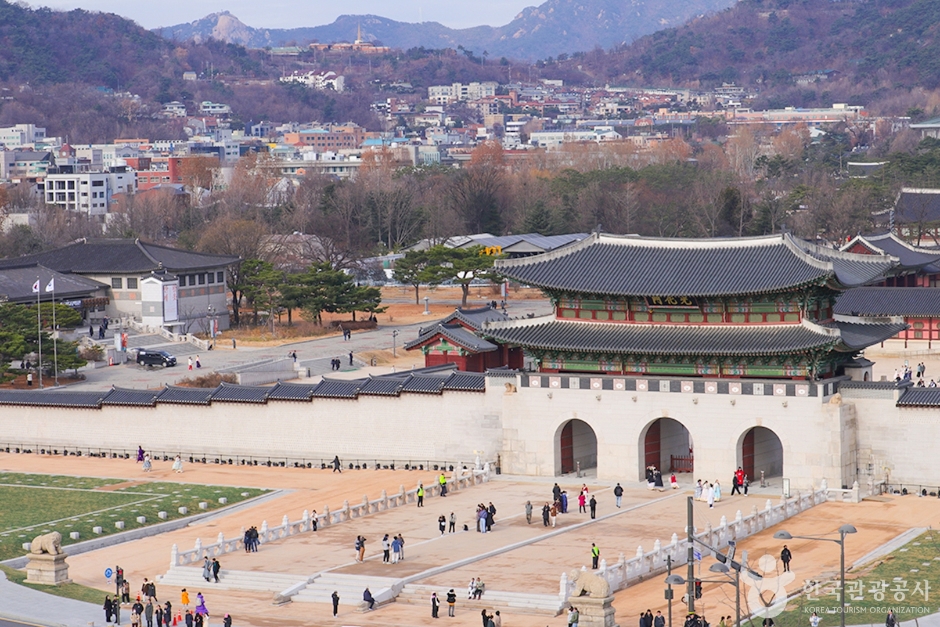
Built in 1395 under the reign of King Taejo, the first king of the Joseon dynasty, Gwanghwamun Gate is the southern gate of Gyeongbokgung Palace. It is also the main gate of the palace, therefore larger and fancier in comparison to the other gates. Gwanghwamun Gate consists of three arched gates; the center gate was used by the king, while the other two were used by the crown prince and royal officials. The tall granite walls of the gate serve as a platform for the wooden gate tower that watches over the city. The gate has a sign with its name written at the top center of the gate tower.
Gwanghwamun Gate went through several damages and restorations over the course of history. It was first severely damaged during the Imjin War (1592-1598) and was not restored until the reconstruction of Gyeongbokgung Palace in 1864. Under the Japanese administration, the gate was demolished and relocated to the north of the palace's eastern gate, followed by series of damages during the Korean War (1950-1953). In 1968, Gwanghwamun Gate was relocated back to the south of the palace and was rebuilt using concrete; however, the gate’s position was shifted a few meters away from its original location. In 2006, a major reconstruction project took place to restore Gwanghwamun Gate to its original state and location, disassembling the structure completely and replacing concrete with granite and wood. After three years and eight months of construction, Gwanghwamun Gate was fully restored to its original form and was open to the public on August 15, 2010.
Seoul Museum of Craft Art (SeMoCA) (서울공예박물관)
947.2M 2025-06-19
4 Yulgok-ro 3-gil, Jongno-gu, Seoul
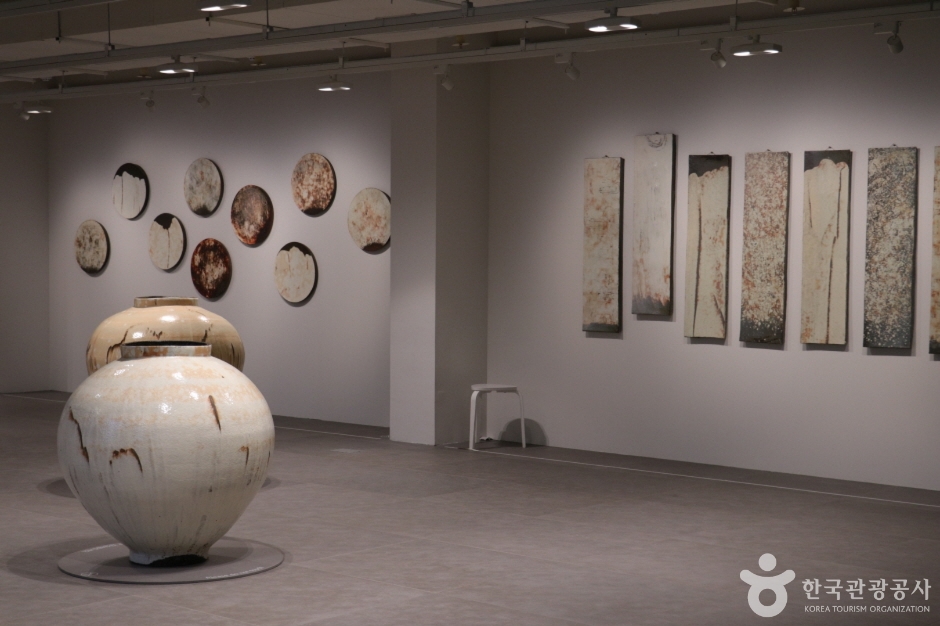
The Seoul Museum of Craft Art (SeMoCA), the first public museum of craft art in Korea, opened its doors in Anguk-dong, Jongno-gu, in July 2021 after renovating five buildings of the former Pungmoon Girls’ High School. SeMoCA studies and shares not only works, but also information, records, people, and environment related to craft art with the goal of becoming a dynamic platform for experiencing the technical, practical, artistic, and cultural values of craft.
SeMoCA holds a collection that comprises various crafts and craft materials covering multiple fields and eras from the traditional to the present. SeMoCA also holds exhibitions that feature the history of craft from traditional to contemporary art as well as local and children’s crafts, along with programs that utilize the museum’s craft installations, craft archives, craft library, and craft resource management system.
The site of the museum has deep historical roots as it is also the Andong Secondary Palace Site, where a detached palace was constructed as a royal residence for King Sejong’s son Prince Yeongeung, and served as a venue for royal celebrations, such as the wedding of King Sunjong. The site is also at the center of Jongno-gu, where Joseon-era master artisans (“gyeonggongjang”) of the royal palace produced and delivered craft works.
Daelim Museum (대림미술관)
952.9M 2022-07-29
21, Jahamun-ro 4-gil, Jongno-gu, Seoul
+82-2-720-0667
The Daelim Museum, built by the Daelim Group, was first established in Daejeon in 1996 and later moved to Jongno, Seoul in 2002. The art gallery studies, analyzes, and presents modern art through the lens of photography and holds exhibitions centered around photo media.
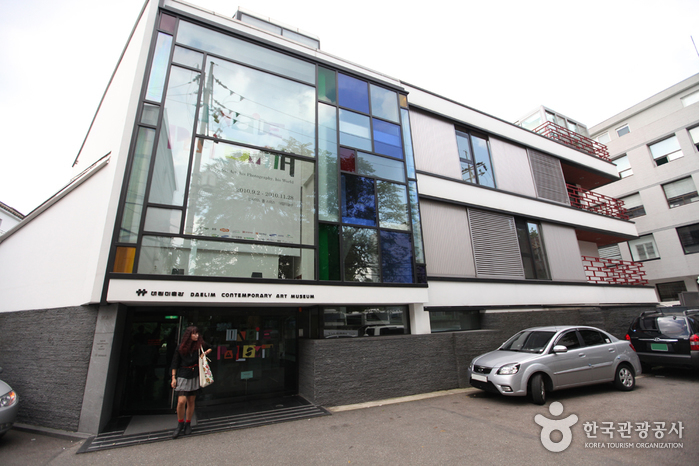
The museum is located in the residential area of Tongui-dong, near the time-honored Gyeongbokgung Palace. The museum, which was designed by French architect, Vincent Cornu, and built by the Daelim Corporation, opened its door to the public in late May 2002.
On the first floor, there is a garden, parking lot, reception desk, storage area, and conference room. On the second and third floor are offices and exhibition hall approximately 595 m² in size, consisting of small and large rooms, a long gallery, and a special high-ceilinged exhibition space. On the fourth floor, there is a seminar room that can seat up to 120 guests and a balcony with a beautiful view. From the balcony of the seminar room, Visitors can also enjoy a wide open view of Inwangsan Mountain and Bukhansan Mountain. The stained glass panels (designed to reflect the beauty of traditional Korean wrapping cloth) and the scenic lounges on the 2nd and 3rd floors of the building add to the overall charm.
Above all else, the museum was designed with consideration of the photos, which are very sensitive to humidity, light, and temperature.
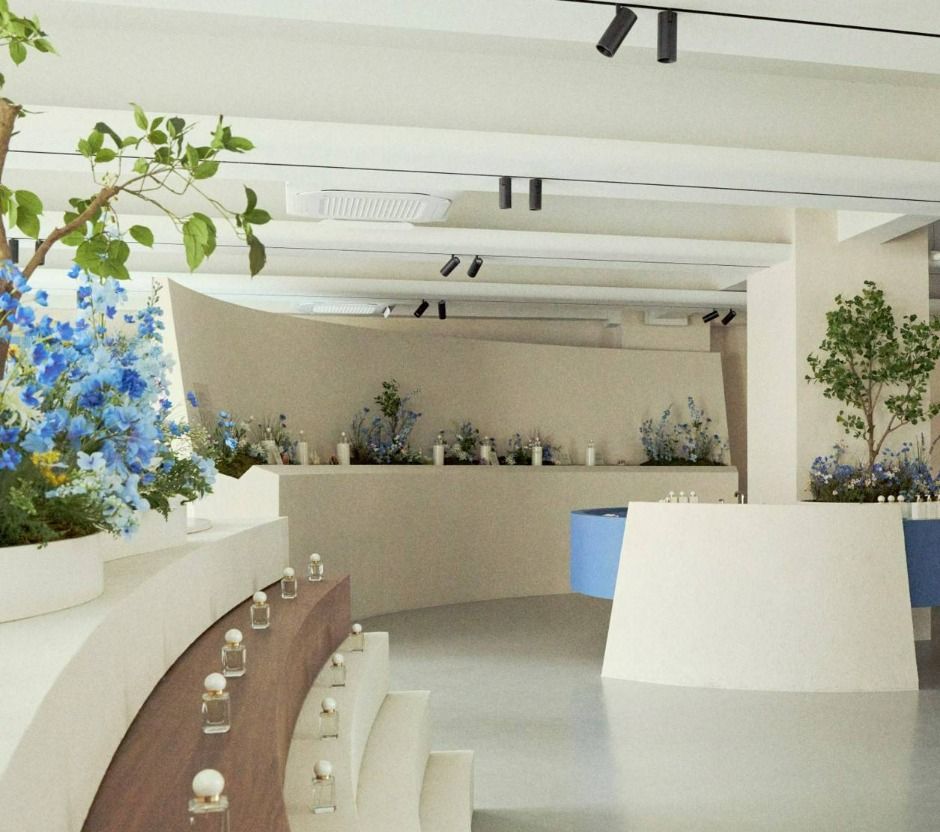
Matthew Chang Anguk (메튜장 안국)
958.2M 2025-07-14
33 Yulgok-ro, Jongno-gu, Seoul
Matthew Chang Anguk flagship store uses the whole space to bring the brand's philosophy to life through fragrance. Located in Anguk, the heart of Korea's tradition and aesthetics, the store's tranquil atmosphere sets the mood for visitors to try on and experiment with the brand's carefully selected perfume collection. The staff provides assistance in recommending the perfect scent according to visitor's preference, mood, and nostalgia. The store also has a section dedicated to body care products, such as hand wash and body lotion.
 English
 한국어
한국어 日本語
日本語 中文(简体)
 Deutsch
 Français
 Español
 Русский


