
Reberry Clinic Myeongdong (리베리의원 명동점)
2.0Km 2025-11-28
#201, 2nd Floor & #301, 3rd Floor, 58 Myeongdong 10-gil, Jung-gu, Seoul
1. A dedicated medical director is personally assigned to each client, ensuring responsible and individualized care.
2. We go beyond consultation — every session is a professional medical treatment.
3. With our LifeBiz AI-powered 3D analysis camera, we provide an objective and precise facial assessment.
4. Our treatments are guided by a scientific skin-type classification system for accurate and tailored results.
5. Through 3D facial analysis, pigmentation diagnosis, and skin-type classification, we design a fully customized treatment pathway.
6. At Libery Clinic Aesthetic, we offer not only advanced medical procedures, but also warm décolleté and therapeutic massage care for a holistic experience.
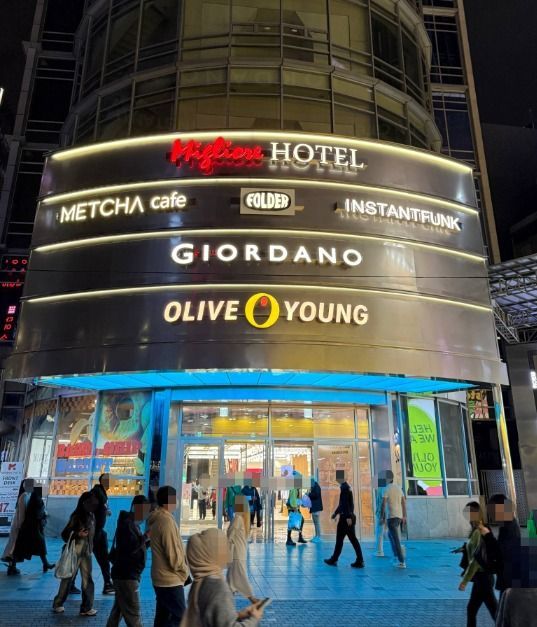
Migliore - Myeongdong Branch (밀리오레 (명동점))
2.0Km 2025-02-06
115 Toegye-ro, Jung-gu, Seoul
Migliore Shopping Mall, located in Myeong-dong, reopened in August 2024 after undergoing remodeling. It provides customers with easy access to its stores, as it is directly connected to the Myeongdong Subway Station (Seoul Subway Line 4). Myeong-dong is regarded as the shopping district for youth in their 20s. Throughout the area, signs are written in English, Chinese, and Japanese for foreign visitors. The first and the second floors function as a shopping mall, and from the 3rd to the 17th floor as a hotel, providing visitors with an opportunity to shop and stay under the same roof. The first floor of the mall features beauty and lifestyle stores and the second floor has clothing stores. This is a one-stop shopping destination for fashion items that will dress you from head to toe. Additionally, visitors can also shop for albums, magazines, and other goods featuring their favorite idols.
The Clim Clinic (더끌림산부인과의원)
2.0Km 2025-10-23
(12th Floor, 2431 Building),109 Toegye-ro, Jung-gu, Seoul
For your healthy and beautiful life,
The Clim: Women Care Medical Group is always here for you.
At The Clim, female medical staff from Samsung Medical Center offer one-on-one consultations and personalized treatments.
Our all-female medical team provides emphatic care, understanding our patients better than anyone else.
We always listen to and address your deepest worries with warm-hearted treatment that is attuned to the needs of women, delivered by medical staff who possess both skills and expertise.
Our team consists solely of female obstetrician/gynecologists who have a deep empathy and understanding for their patients, ensuring that each patient feels more comfortable and satisfied with their procedures.
Drawing on our extensive experience, we promise to carefully consider each patient's unique physical structure, characteristics, and concerns, allowing us to effectively address even the most profound worries.
Shinsegae Department Store - Main Store (신세계백화점 (본점))
2.0Km 2025-04-07
63 Sogong-ro, Jung-gu, Seoul
Shinsegae Department Store opened its doors as the first modern department store in the country in 1960. It stands where Korea's first department store, the Japanese Misreukkosi Department Store, used to be in the 1930s. After undergoing remodeling in 2007, it reopened as a luxury hall, featuring diverse brands ranging from the top three international luxury brands to new designer brands. In addition, the Trinity Gardens and art halls in the department store serve as a cultural space for a shopping experience that combines art and shopping.
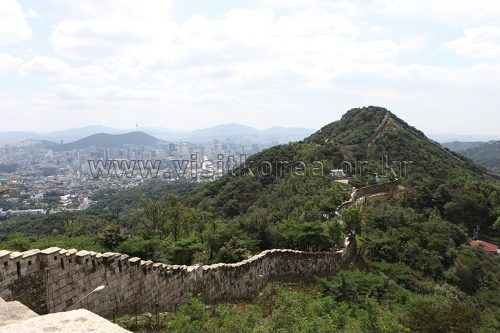
Bugaksan Mountain (북악산)
2.0Km 2024-03-04
Cheongun-dong, Jongno-gu, Seoul
Bugaksan Mountain is the mountain that one can see behind the Gyeongbokgung Palace and the Cheong Wa Dae to the north. Hanyangdoseong, the city wall that surrounded the historic capital of Hanyang, was built by connecting the ridges of this mountain. These walls can still be found today, having been preserved quite well. Different trails weave through the area along the Hanyangdoseong, the Seoul City Wall, and one can visit these trails at night as well. Bugak Skyway is a road that connects Changuimun Gate to Jeongneung Royal Tomb, and one can get a great view of Seoul’s city center from the Palgakjeong Pavilion on Bugak Skyway.
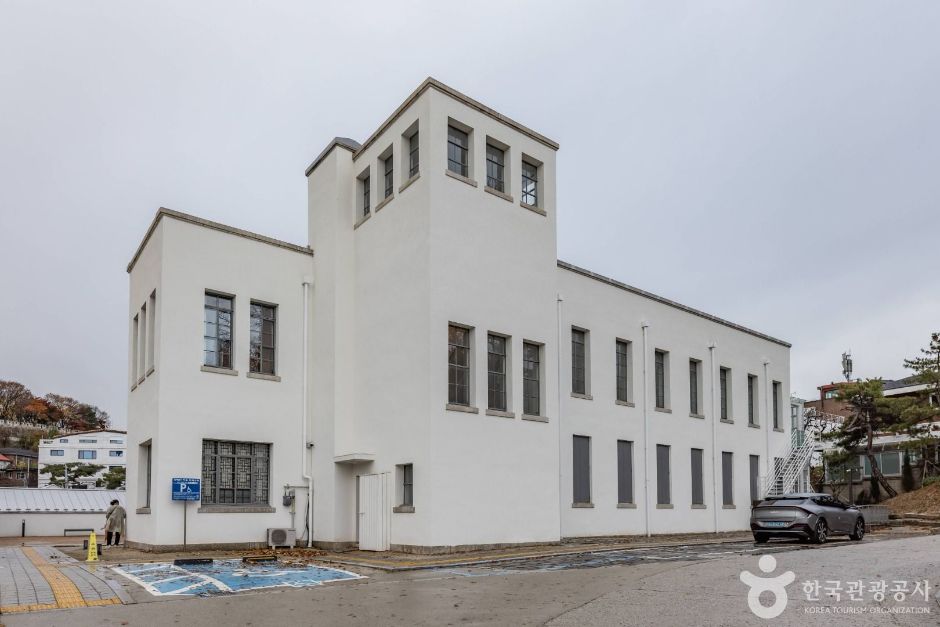
Kansong Art Museum (간송미술관(서울 보화각))
2.1Km 2025-06-30
102-11 Seongbuk-ro, Seongbuk-gu, Seoul
Kansong Art Museum was the first private art museum in Korea, opened as Bohwagak in 1938 by Kansong Jeon Hyeong-pil. The name was changed to the current Kansong Art Museum in 1966. Bohwagak was designated as National Registered Cultural Heritage No. 768 on December 30, 2019. Jeon Hyeong-pil dedicated his life to preserving and researching Korea’s representative relics that were devaluated and purposefully obliterated during the Japanese colonial era, as well as to acknowledging their cultural excellence and beauty. The museum houses 11 national treasures and 24 treasures.
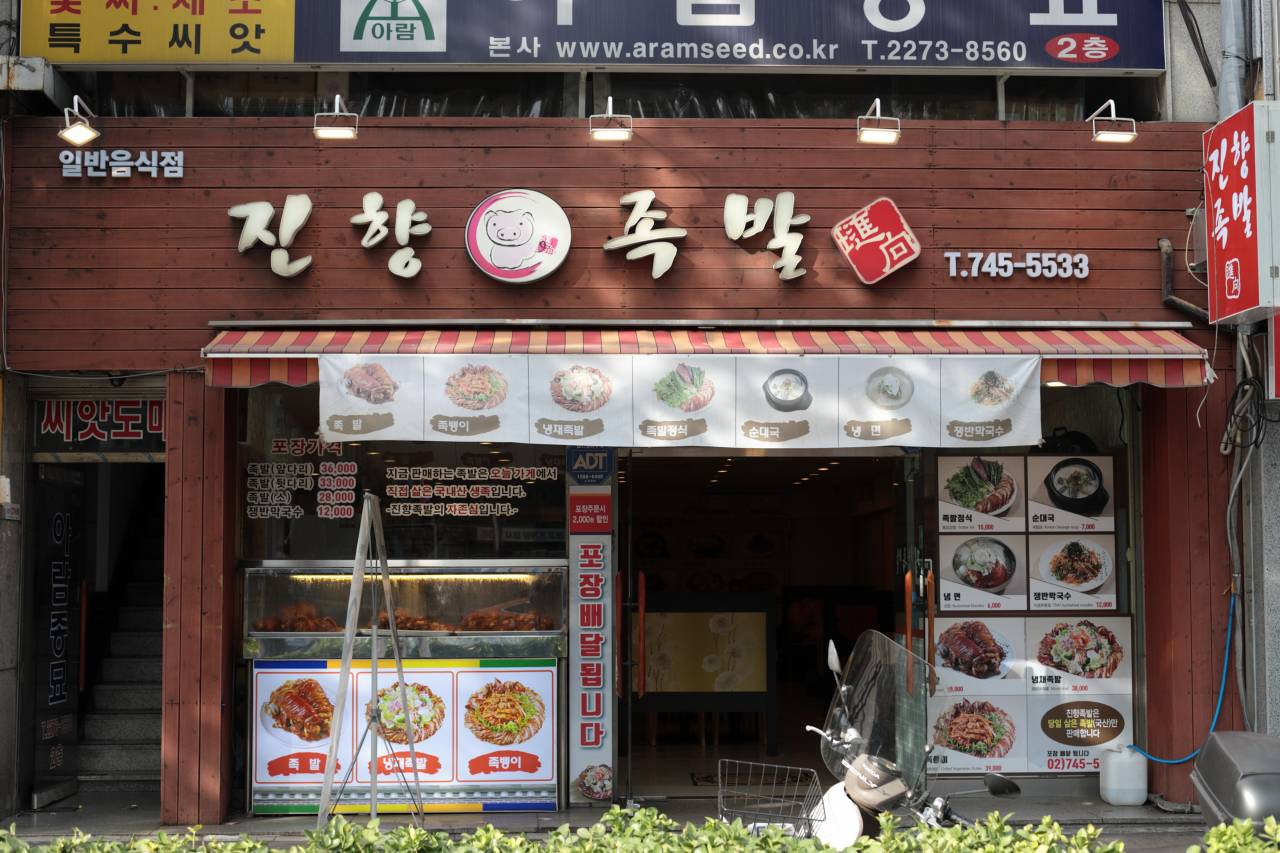
Jinhyang Jokbal (진향족발)
2.1Km 2024-10-15
231-1, Jong-ro, Jongno-gu, Seoul
A pig's trotter(s) specialty restaurant located near Jongno 5(o)ga Station in Seoul. One of the top 5 jokbal (pig's trotter) restaurants in Seoul. This restaurant's signature menu is braised pigs' feet.
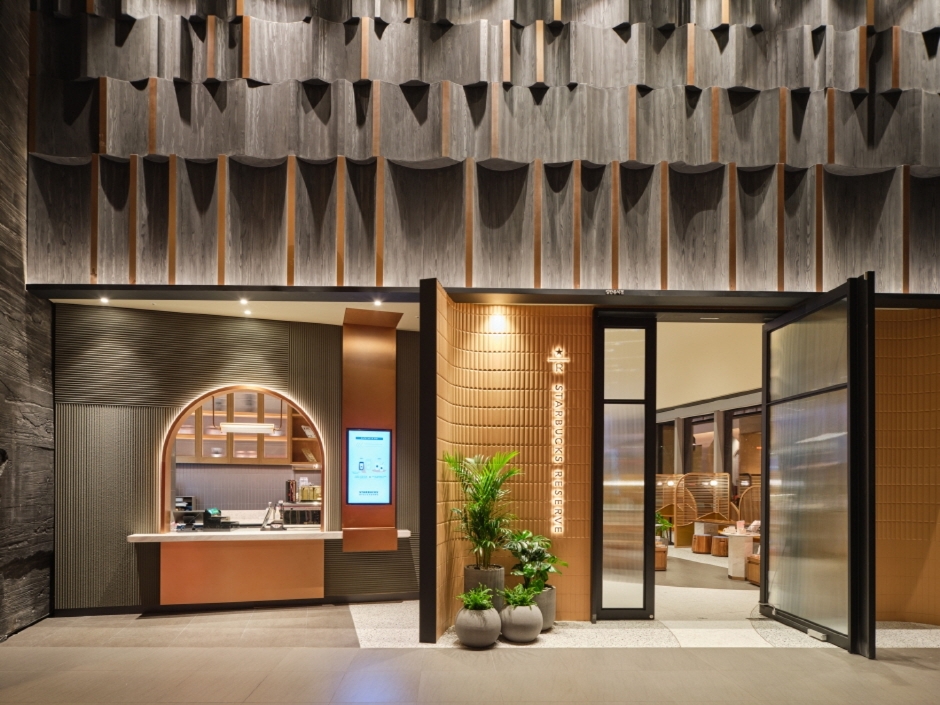
Starbucks Byuldabang (스타벅스 별다방)
2.1Km 2024-12-27
100 Toegye-ro, Jung-gu, Seoul
Byuldabang is a cozy space in the city, where the present and future of Starbucks coexist
Byuldabang is a special name. It combines the Korean words byul, which means stars, and dabang, which means a traditional space where people gather and talk over tea or drink. Byuldabang is the nickname Koreans generally use for Starbucks. Starbucks Byuldabang store opened in appreciation of customers of Starbucks Korea, celebrating its 22nd anniversary. This particular store is a Starbucks Reserve store with new concept food items, and is the first among Starbucks stores worldwide to have digital art wall decorations. The images projected to the art wall are “The Journey of Siren.” It is a surreal journey of Siren, who delivers coffee messages around the ocean, day and night. Customers love the story.
 English
 한국어
한국어 日本語
日本語 中文(简体)
 Deutsch
 Français
 Español
 Русский


