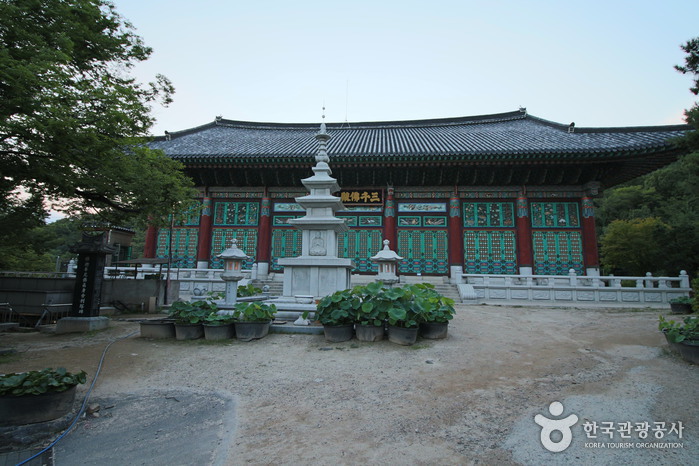
Bongwonsa Temple (봉원사)
3.2Km 2023-03-13
120, Bongwonsa-gil, Seodaemun-gu, Seoul
+82-2-392-3007
Located on the outskirts of Ansan Mountain in Bongwon-dong, Seodaemun-gu, Seoul, Bongwonsa Temple, as the center of Korean Buddhism Taego, is a thousand-year-old temple with a long history and tradition. In 889 (3rd year of Shilla Queen Jinseong’s reign), Monk Doseon founded it at the ground of Yeonhui Palace (now Yonsei Univ.) and named it Banyasa temple. It was destroyed during the Imjin War in 1592, and later in 1748 (the 24th year of Joseon King Yeongjo’s reign), it was rebuilt and renamed “Bongwonsa” by two Buddhist monks, Chanjeup and Jeungam.
“Yeongsanjae,” one of the Buddhist rituals and also a National Intangible Cultural Property, takes place at Bongwonsa on June 6 every year wishing for world peace and the reunification of North and South Korea. It was designated as one of the Intangible Cultural Heritage of Humanity by UNESCO in 2009. During Yeongsanjae, visitors can enjoy the Buddhist arts such as Beompae (Buddhist temple music for rituals) and dancing. Also, during summertime, Seoul Lotus Flower Culture Festival takes place, where visitors can enjoy the beautiful lotus flowers which are a symbol of Buddhism.

I'mdr. LLC. (아임닥터 유한책임회사)
3.2Km 2025-10-23
3F, 6-3 Bugahyeon-ro 2-gil, Seodaemun-gu, Seoul
I'mdr. LLC., leads the global medical tourism market with Korea's cutting-edge medical technology and world-class medical services.
With I'mdr, a health and beauty trip to Korea will be safer and more comfortable. It provides both aesthetic medical services and treatment for severely ill patients. Enjoy innovative, patient-centered medical tourism experience through I'mdr.'s customized medical concierge services.
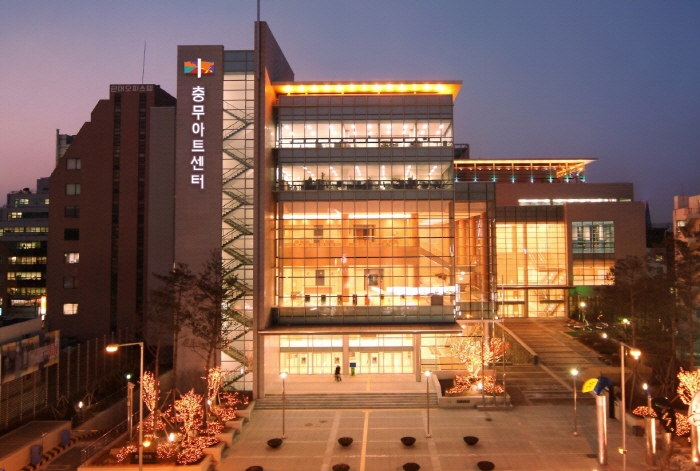
Chungmu Arts Center (충무아트센터)
3.3Km 2024-03-06
387, Toegye-ro, Jung-gu, Seoul
+82-2-2230-6600
Chungmu Arts Center is a complex cultural facility with an optimal conditions for watching performances. It has a large theater, a medium theater (black), and a small theater (blue). It also boasts great galleries, studios, and a swimming pool, attracting numerous visitors. In addition, one can enjoy performances of various genres, including classical music, plays, musicals, and concerts. Located close to Dongdaemun, it has good accessibility.
Youngone Corporation [Tax Refund Shop] (주식회사 영원무역)
3.3Km 2024-04-19
159, Mallijae-ro, Jung-gu, Seoul
-
National Theater of Korea (국립극장)
3.3Km 2024-03-06
59, Jangchungdan-ro, Jung-gu, Seoul
+82-2-2280-4114
The National Theater of Korea opened in 1950 as the first national theater in Asia. It is the only production theater that takes traditional arts to recreate them as contemporary art. It offers various types of theaters, such as Haeoreum Grand Theater, Daloreum Theater (middle-size), Immersive Studio ByeolByeol (small-size), and Haneul Round Theater with a circular stage structure. In addition, the Museum of Performing Arts, Cultural Plaza, and other convenience stores and coffe shops offer pleasure and relax to its visitors.
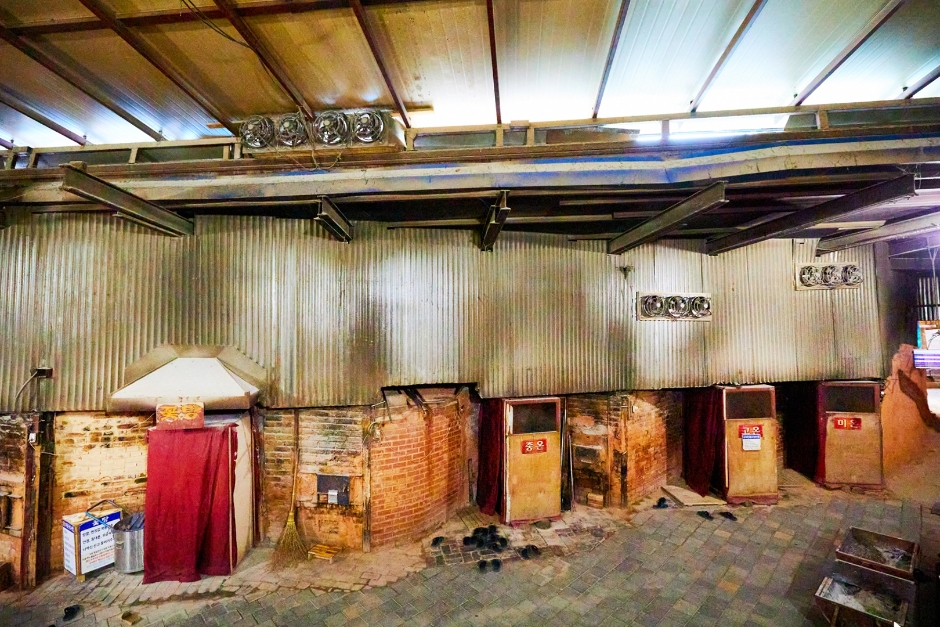
Supsok Hanbang Land (숲속한방랜드)
3.4Km 2024-03-18
75-7 Bongwonsa-gil, Seodaemun-gu, Seoul
Jjimjjilbang, a Korean-style sauna that combines a traditional bathhouse with a hot steam room, is often ranked high among the unique experiences in Korea chosen by foreigners. Taking a steam bath in a charcoal kiln discharges waste products from the skin through sweat and eliminates accumulated fatigue. Supsok Hanbang Land has several charcoal kilns for different temperatures. Using them in order from low to high-temperature rooms is good, but the highest-temperature room, “Kkottang,” has a risk of causing skinburn, so visitors are advised to wear socks and cotton gloves to enter the room. Another unique experience is to grill sweet potatoes or rice cakes on the brazier in front of the charcoal kiln.
Hwanghak-dong Flea Market (Dokkaebi Market / Manmul Market) (황학동 벼룩시장 (도깨비시장/만물시장))
3.4Km 2025-04-11
11-7 Majang-ro 5-gil, Jung-gu, Seoul
Hwanghak-dong Flea Market was named after the way how merchants travel from one place to another all over the country, as if like fleas hopping around from one spot to another, to collect rare and valuable items. This market was once a haven of antiques and collectibles, but with the formation of old-fashioned art street in 1983 in Janganpyeong, many classic art shops had moved out, leaving only used item and general goods stores. Now, visitors can find stores selling antiques, used furniture, electronics, clocks, jewelry, musical instruments, camera, and machinery – pretty much anything one can name. Hwanghak-dong Flea Market is also referred to as Dokkaebbi Market, to describe how even the most rundown items become just like new, as if like the work of a dokkaebi (Korean folk goblin).
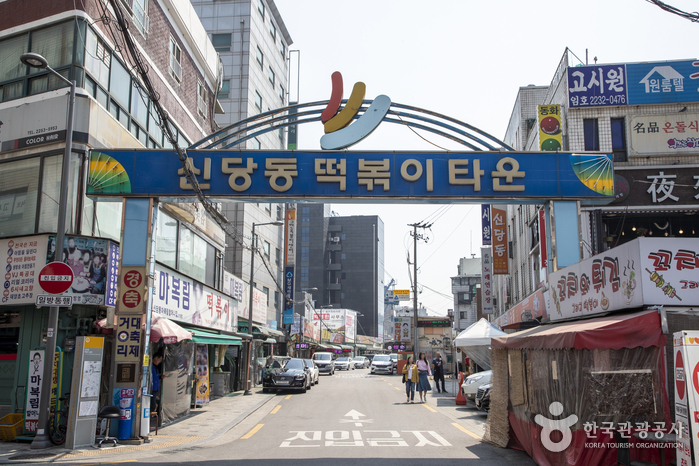
Sindang-dong Tteokbokki Town (신당동떡볶이골목)
3.4Km 2022-10-25
10-18, Dasan-ro 33-gil, Jung-gu, Seoul
+82-2-2236-9135
Sindang-dongTteokbokki Town started in the late '70s, although the alley did not become famous until the '80s. At that time, each restaurant had its own DJ booth, with the image of the "cool DJ" who played the music becoming a symbol of Sindang-dong Tteokbokki Town. In addition, this period also marked the prime time of high school baseball where students would crowd the streets on days when Duksoo Commercial High School and Sunrin Commercial High School (now Sunrin Internet High School) played against one another. Although these high school students have aged, they continue to visit the area, reliving their youth and continuing to indulge in the specialty tteokbokki.
However, some claim the history of this alley began in the 1950s. The owner of Mabongnim Halmeoni Tteokbokki restaurant says tteokbokki was being sold as early as 1953 as the area used to be home to Donga Theater and she sold tteokbokki, corn and potatoes to those visiting the theater. At first, tteokbokki was simply made with gochujang (red chili paste) but as time went by, cooks decided the dish could be more than just a snack. By adding ingredients like eggs, cellophane noodles, fish cakes, instant noodles and more recently squid, prawn and cheese, tteokbokki can be made more delicious and turns this beloved snack into a full meal.
![Golfzon Market - Yaksu Branch [Tax Refund Shop] (골프존마켓 약수)](http://tong.visitkorea.or.kr/cms/resource/43/2878743_image2_1.jpg)
Golfzon Market - Yaksu Branch [Tax Refund Shop] (골프존마켓 약수)
3.5Km 2024-04-19
214, Dongho-ro, Jung-gu, Seoul
-
![Himart - Cheonggu Branch [Tax Refund Shop] (하이마트 청구점)](http://tong.visitkorea.or.kr/cms/resource/46/2889946_image2_1.jpg)
Himart - Cheonggu Branch [Tax Refund Shop] (하이마트 청구점)
3.5Km 2024-04-18
210, Dasan-ro, Jung-gu, Seoul
-
 English
 한국어
한국어 日本語
日本語 中文(简体)
 Deutsch
 Français
 Español
 Русский


