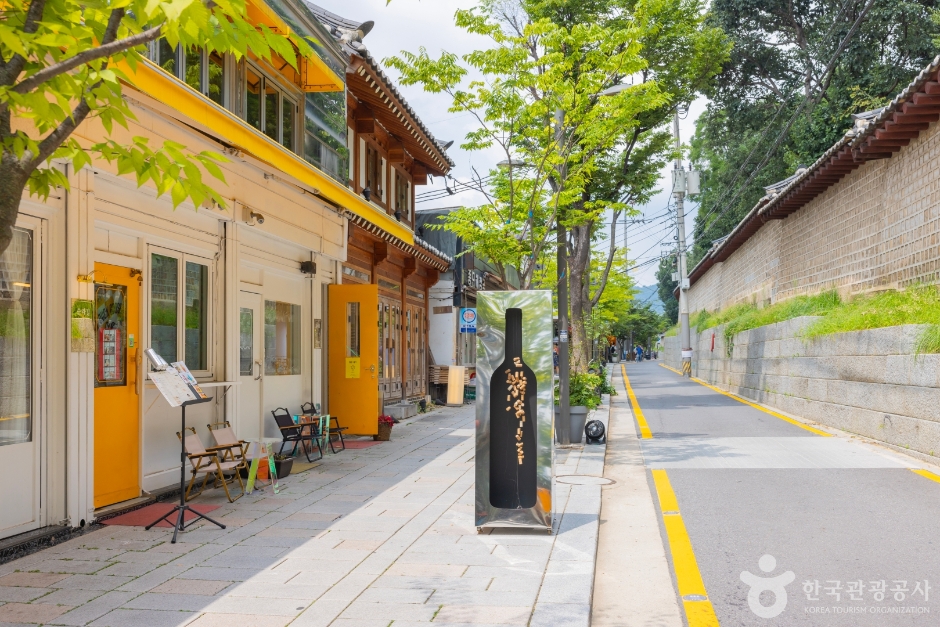
Seosulla-gil Road (서순라길)
1.1Km 2024-10-14
150-3 Jong-ro, Jongno-gu, Seoul
Seosulla-gil Road is a road that was used by the nightguards during the Joseon dynasty. The road is on the west of Jongmyo Shrine with various attractions nearby including Ikseon-dong, Insa-dong, Bukchon, and Samcheong-dong, as well as restaurants, cafes, and handicraft workshops. The road is also a beautiful date course with flowers in spring and fall foliage in autumn..
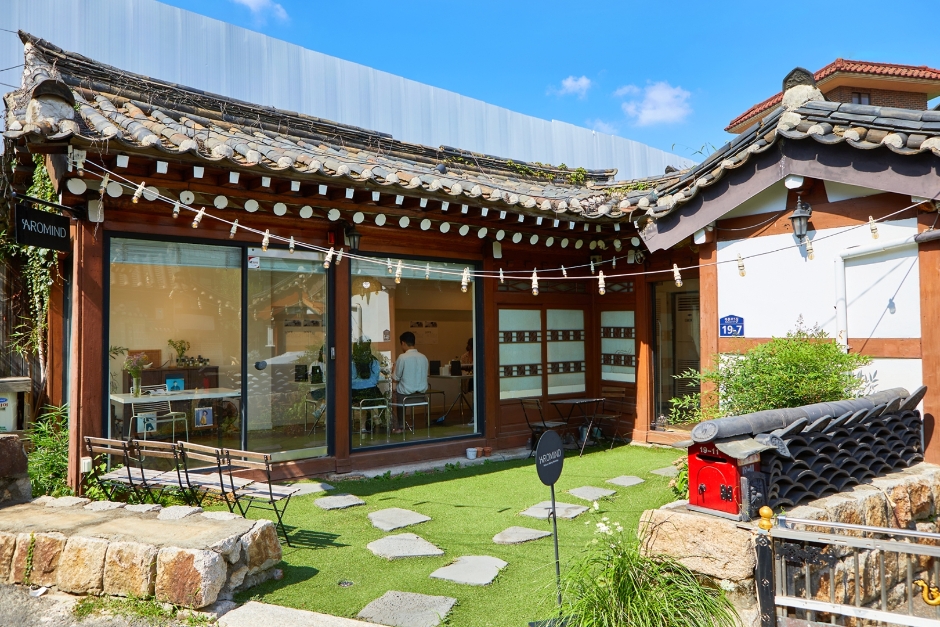
Aromind (아로마인드)
1.1Km 2024-01-30
19-7 Bukchon-ro 5-gil, Jongno-gu, Seoul
Aromind is a perfume workshop that offers a perfume-making experience with a professional perfumer in a quiet hanok building. Visitors can create their own one-of-a-kind perfume by choosing three out of 30 different scent options that change on a seasonal basis. A perfume one-day class is held for one to eight people for one to one and a half hours. The fee for the experience includes a 50 ml product and a 10 ml sample. They also offer the class in Korean with English interpretation when there non-Korean speaking participants. Aromind is the perfect place to create your own scent to associate your memory of Korea.
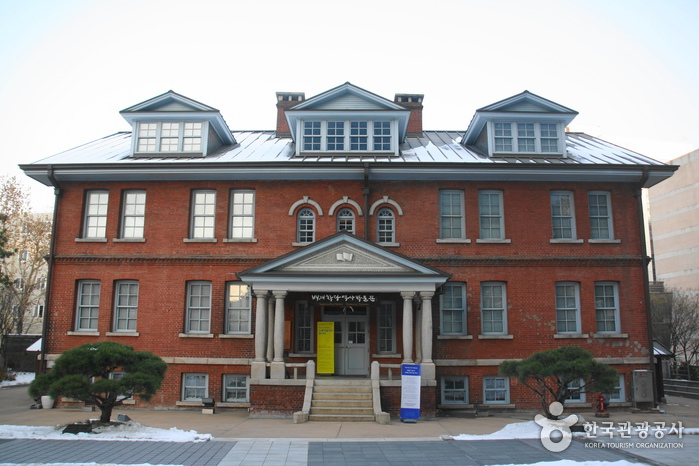
Appenzeller Noble Memorial Museum (배재학당 역사 박물관)
1.1Km 2022-10-14
19, Seosomun-ro 11-gil, Jung-gu, Seoul
The Appenzeller Noble Memorial Museum is dedicated to Henry Gerhart Appenzeller, the missionary who opened the first Western-style educational institution in Korea in 1885. The school started with English and core subjects, but expanded into the Pai Chai University, Pai Chai High School, and Pai Chai Middle School and has many famous alumni, including Rhee Syng-man. The memorial hall opened in 2008 in the east wing of the original school building, which was built in 1916 and designated as a Seoul Monument. With dynamically arranged permanent exhibitions, annual special exhibitions and special lectures, the museum offers a unique learning experience to visitors and people with an interest in the history of education in Korea.
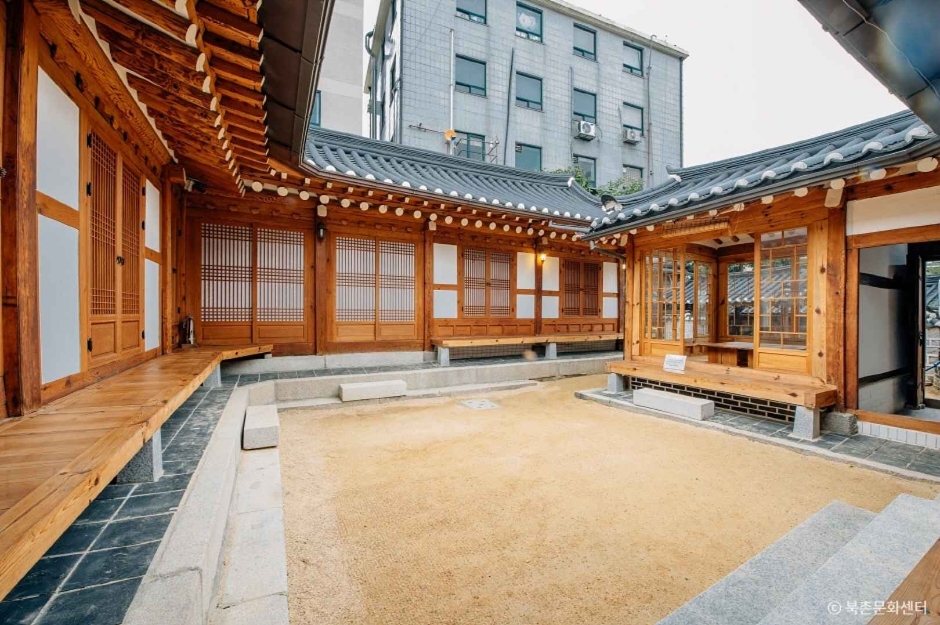
Bukchon Cultural Center (북촌문화센터)
1.1Km 2025-06-19
37 Gyedong-gil, Jongno-gu, Seoul
Bukchon Cultural Center, located in a hanok, was established to offer traditional cultural experience opportunities for visitors to the area. The programs include tea ceremony, handicraft, and gugak as well as a Public Relations Exhibition Hall introducing Bukchon culture and hanok. Also, the center houses a space and a pavilion for visitors to relax while traveling.

Eight Scenic Views of Bukchon (북촌 8경)
1.1Km 2024-03-18
37, Gyedong-gil, Jongno-gu, Seoul
The Eight Scenic Views of Bukchon can be found at the Bukchon Hanok Village between Gyeongbokgung Palace and Changdeokgung Palace. Bukchon was historically a district where the aristocracy of Joseon had resided in, so it is still home to a large number of traditional dwellings, called hanok in Korean. The eight views are as follows: No. 1, view of Chengdeokgung Palace; No. 2, view of Wonseo-dong Handicraft Road; No. 3, view of the Gahoe-dong area; No. 4, view from the hill at Gahoe-dong (Bukchon Observatory); No. 5, the view of the road uphill at Gahoe-dong; No. 6, the view of the road downhill at Gahoe-dong; No. 7, the view at house number (beonji) 31, Gahoe-dong; No. 8, the view of the stone stairway at Samcheong-dong.
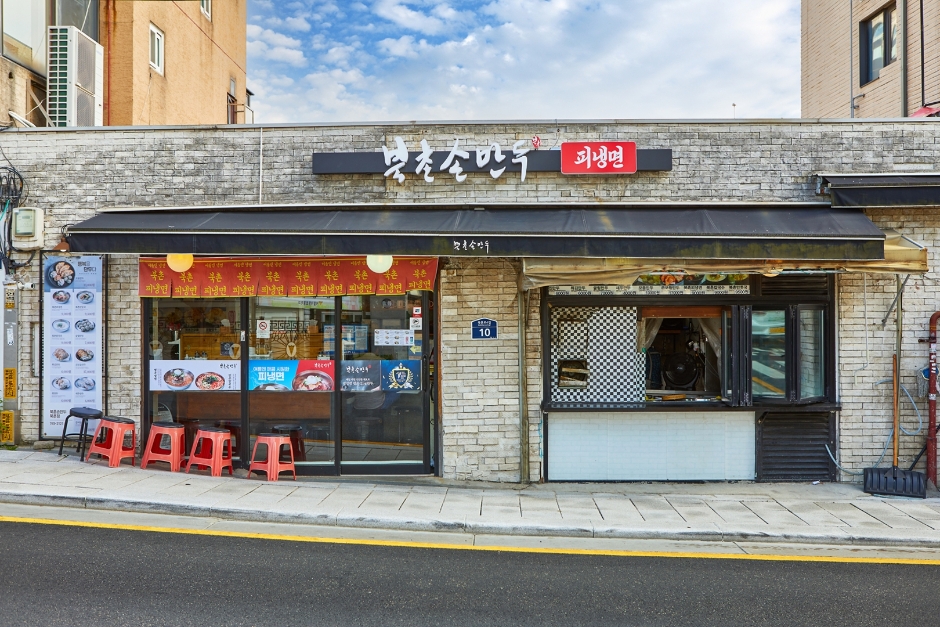
Bukchon Son Mandu Bukchon Branch (북촌손만두 북촌점)
1.1Km 2024-12-10
This third-generation family-owned handmade mandu restaurant has been in business since 1953. Its handmade mandu bears the tradition of nearly 70 years. This restaurant distinguishes itself above others with its unique expertise in the art of mandu-making and fresh ingredients, capturing deep flavors with care in each mandu. A full spread of mandu is available here, from steamed mandu to thin-skin mandu, deep-fried mandu, shrimp mandu, and galbi mandu, which can be ordered in individual pieces or as an assorted package. Mandu and noodles go perfectly together, and here, visitors can enjoy mandu with cold buckwheat noodles or noodle soup. The most recommended menu is the noodle soup, which serves thick, plump noodles in warm broth. But that does not mean that the cold buckwheat noodles are lacking: cold buckwheat noodles are served in a cool, red kimchi broth.
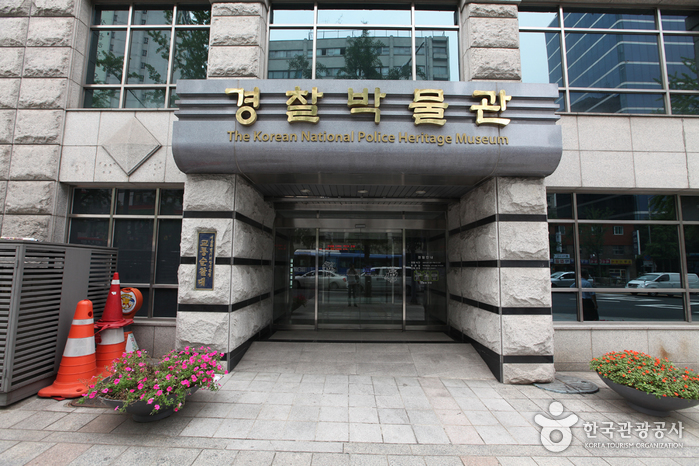
Korean National Police Heritage Museum (경찰박물관)
1.1Km 2021-12-21
41, Saemunan-ro, Jongno-gu, Seoul
The police museum opened on October 14, 2005 to give a better understanding of the job of the police and to offer a formal education to children who wish to become police officers in the future. The history hall of the museum is designed for visitors to learn about the history of Korean police at a glance, exhibiting information on the police force from the Joseon dynasty up until current times.
Visitors to the museum can pretend to be police officers by touching actual equipment and learning about an officer's daily tasks. Visitors can also get in patrol cars, wear a police uniform, experience shooting a gun through a simulation, and learn self-defense martial arts and arrest techniques. Visitors can also go to the museum jail.
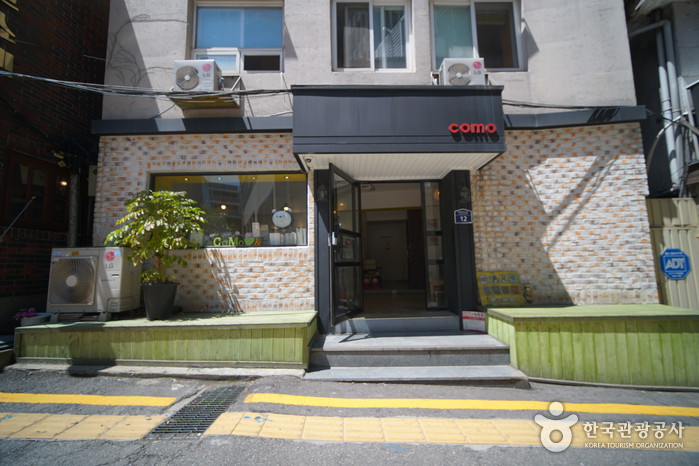
Myeongdong Guesthouse Como (명동게스트하우스 꼬모)
1.1Km 2024-12-23
12 , Toegye-ro 24-gil, Jung-gu, Seoul
Como is a guesthouse in Jongno-gu, Seoul, just 3-minute’s walk away from Myeongdong Station on Line 4. Como is particularly popular with foreign travelers: staff are fluent in English and Chinese, and luggage storage is free of charge. Rooms come in different sizes to cater from single travelers to family groups, and all have a separate bathroom and toilet. Must-see local sights such as Namsan Seoul Tower, Sungnyemun Gate, and Namdaemun Market are easily reached by car or bus.
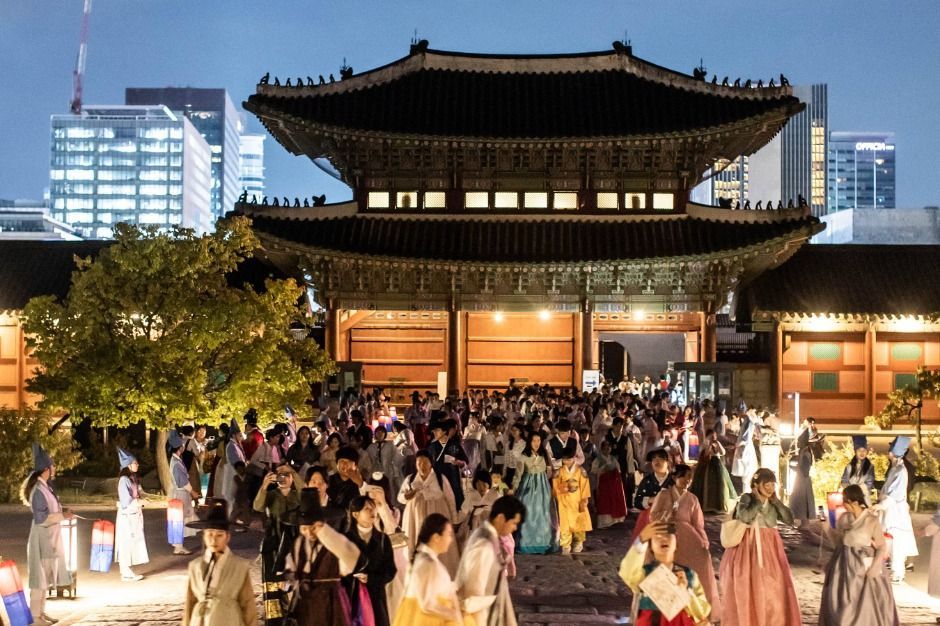
K-Royal Culture Festival (궁중문화축전)
1.1Km 2025-07-29
161 Sajik-ro, Jongno-gu, Seoul
+82-1522-2295
The K-Royal Culture Festival is held at the five Royal Palaces and Jongmyo Shrine. The festival first began in 2014 and provides visitors with first-hand knowledge of these important cultural heritages through unique performances, exhibitions, experiences and programs. The festival expanded in 2021 to be hosted twice a year, in spring and in fall.
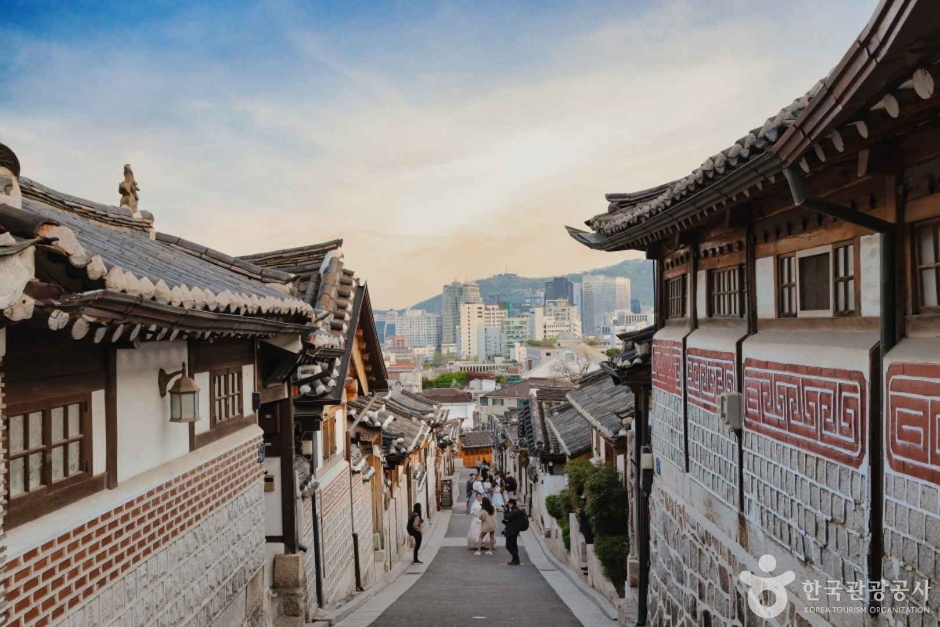
Bukchon Hanok Village (북촌한옥마을)
1.1Km 2025-06-19
37 Gyedong-gil, Jongno-gu, Seoul
Surrounded by Gyeongbokgung Palace, Changdeokgung Palace and Jongmyo Shrine, Bukchon Hanok Village is home to hundreds of traditional houses, called hanok, that date back to the Joseon dynasty. The name Bukchon, which literally translates to "northern village," came about as the neighborhood lies north of two significant Seoul landmarks, Cheonggyecheon Stream and Jongno. Today, many of these hanoks operate as cultural centers, guesthouses, restaurants and tea houses, providing visitors with an opportunity to experience, learn and immerse themselves in traditional Korean culture. As Bukchon Hanok Village is an actual neighborhood with people's homes, visitors are advised to be respectful at all times while looking around.
 English
 한국어
한국어 日本語
日本語 中文(简体)
 Deutsch
 Français
 Español
 Русский


