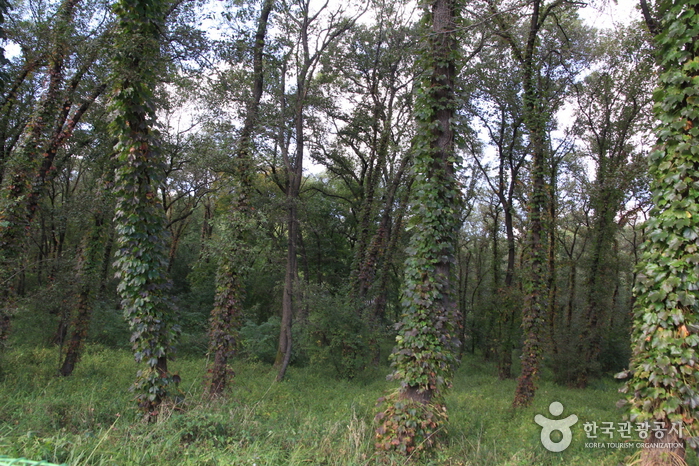
Heoninneung Royal Tombs Ecological Preservation Area (Alder Tree Forests) (헌인릉 생태경관보전지역(오리나무림))
14.7Km 2021-12-11
34, Heonilleung-gil, Seocho-gu, Seoul
+82-2-445-0347
Heonninneung Royal Tombs Ecological Preservation Area is home to alder tree forests. It was officially designated as an ecological preservation area by the Seoul Metropolitan Government in 2005.
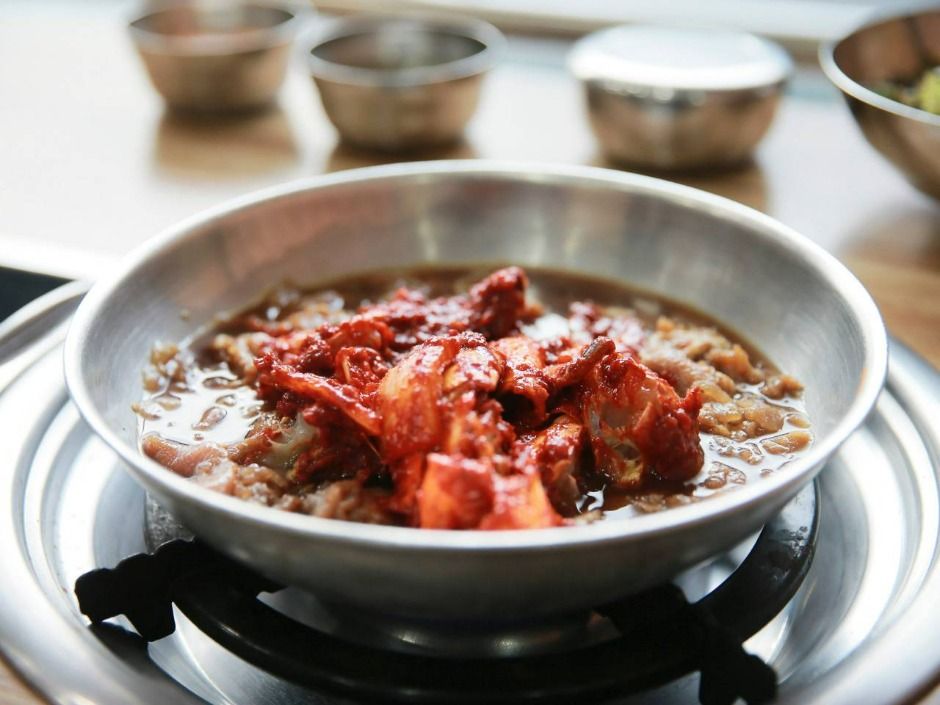
Sinchon Gisa Sikdang (신촌기사식당)
14.7Km 2025-09-15
408 Banghwa-daero, Gangseo-gu, Seoul
Sinchon Gisa Sikdang is a long-established restaurant with a long tradition, known for its generous portions and flavor, gaining word-of-mouth popularity and being featured in various television shows. In 2021, it was certified as a Long-standing Small Business by the Ministry of SMEs and Startups and the Small Enterprise and Market Service. The restaurant's representative menu is Bulkkot Baekban, which consists of dwaejibulbaek (pork bulgogi) and yangnyeom gejang (spicy marinated crab), ideal for two to three people. It's a great place to experience the authentic taste of a traditional restaurant with dishes like pork bulgogi and kimchi stew with fresh meat.
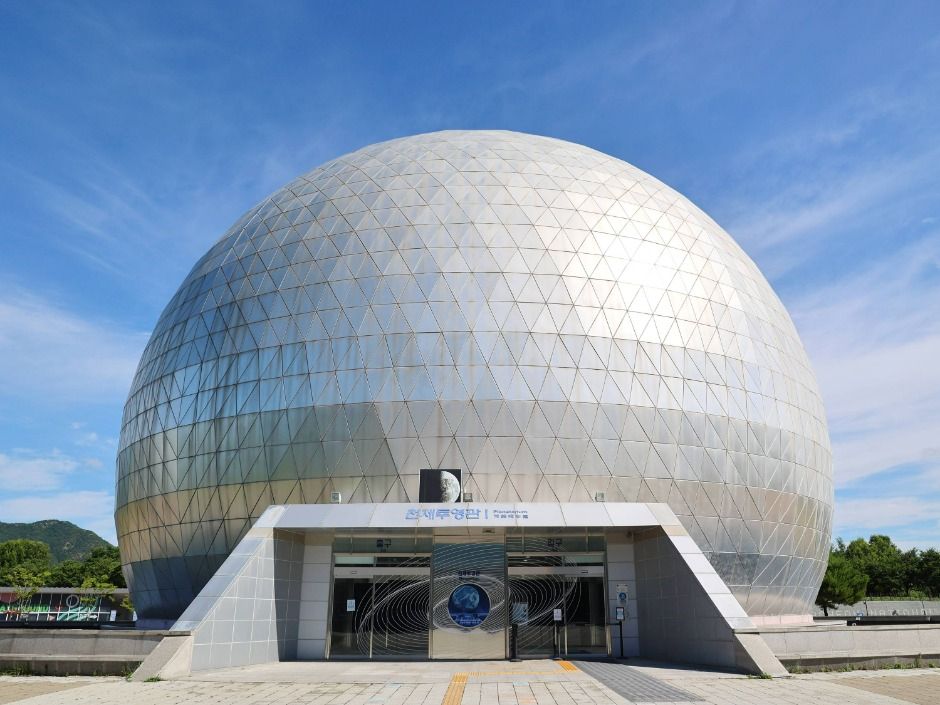
Gwacheon National Science Museum (국립과천과학관)
14.7Km 2025-07-14
110, Sanghabeol-ro, Gwacheon-si, Gyeonggi-do
As a landmark facility representing Korea’s advanced science and technology capabilities, Gwacheon National Science Museum strives to encourage young visitors to become interested in science and shares with the public scientific principles that govern daily life. The museum has permanent exhibition halls, special exhibition halls, a planetarium, outdoor exhibitions, and more. Over 50% of the exhibition items on display are interactive, allowing visitors to jump in and experience science first-hand using their minds and their imagination.
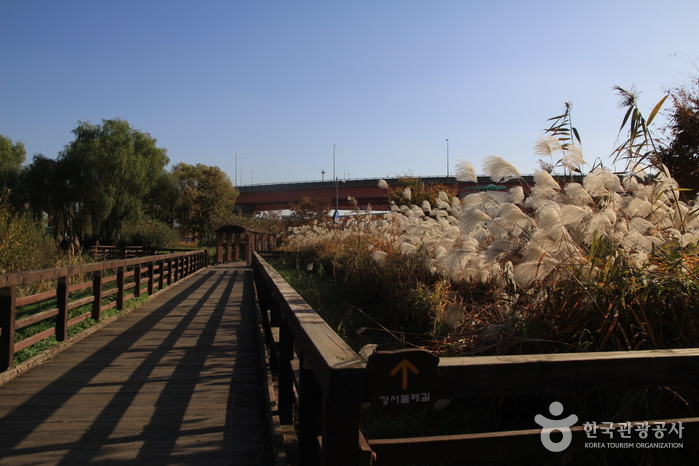
Gangseo Marsh Ecological Park (강서습지생태공원)
14.8Km 2021-06-22
279-23, Yangcheon-ro 27-gil, Gangseo-gu, Seoul
+82-2-3780-0621
The Gangseo Marsh Ecological Park is an eco-park located on the Hangang River between the southern side of Banghwadaegyo Bridge and southern side of Haengjudaegyo Bridge. Established in July 2007, the park is partly comprised of low wetlands, freshwater lakes, and various aquatic plants. Eco-trails wind around the park through reed areas, around willow trees, and past the migratory bird observation. At the park, visitors can watch and learn about a variety of migratory birds during summer and winter or join one of the park’s organized eco-education programs.
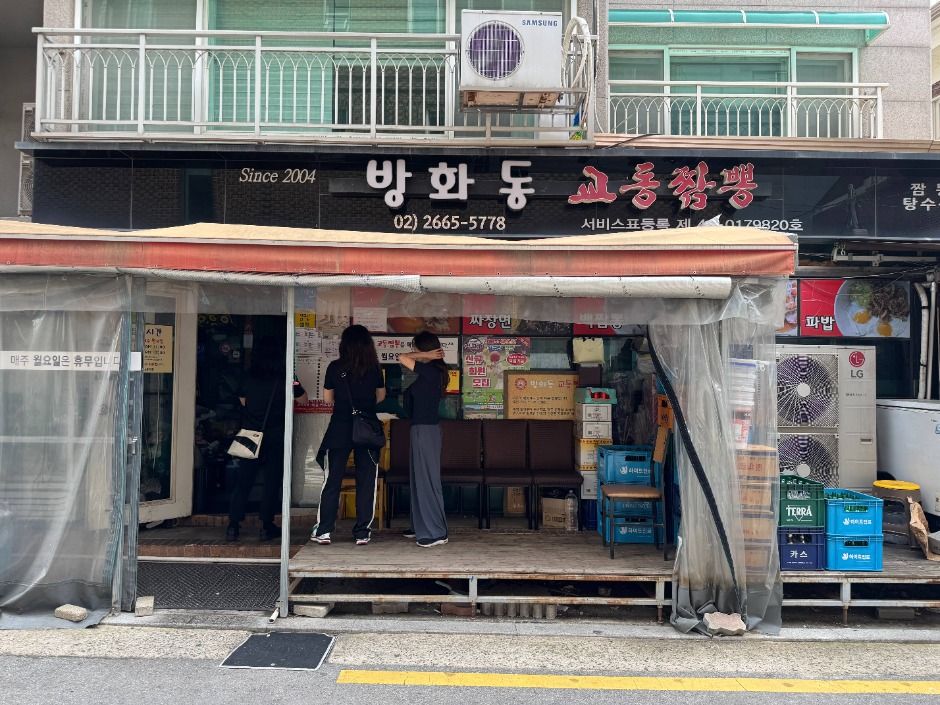
Banghwa-dong Gyodong Jjamppong (방화동 교동짬뽕)
14.8Km 2025-10-23
21 Geumnanghwa-ro 24na-gil, Gangseo-gu, Seoul
Located in Gangseo-gu, Seoul, Banghwa-dong Gyodong Jjamppong is a Chinese restaurant that serves mildly spicy jjamppong that everyone can enjoy. It also serves several other original menu items that appeal to children's preferences, making it a great place for families to eat out. The sweet and sour pork is crispy on the outside, soft on the inside, and full of flavor. The handmade dumplings are made everyday, carefully prepared with fresh ingredients and care. The restaurant sees a steady stream of local customers as well as travelers due to it's proximity to Gimpo Airport.
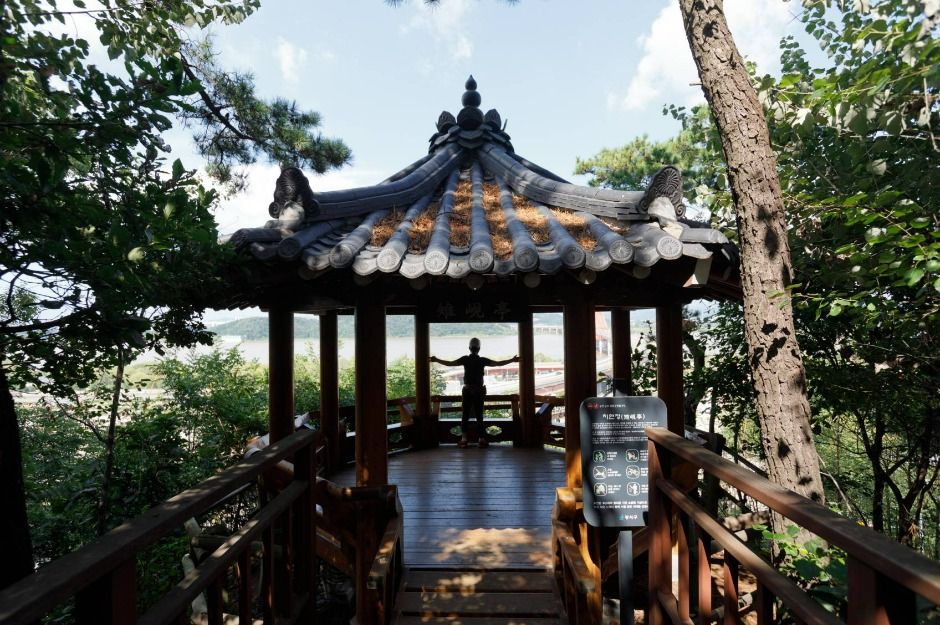
Kkwonggogae Park (꿩고개공원)
14.8Km 2025-10-23
San 100beonji, Banghwa-dong, Gangseo-gu, Seoul
Kkwonggogae Park is an ecological forest where nature is preserved, located along the Hangang River, and has an excellent natural environment. Whereas the nearby Banghwa Community Park was founded for public service, Kkwonggogae Park was founded to preserve the existing habitats and ecosystems while serving as a passageway for small animals. Within the park is Chihyeonjeong Pavilion, Gangseo area's representative attraction for taking in the city nightscape. The hill's name, which can literally be translated as "Pheasant Hill Park," comes from the fact that this hill was a frequent pheasant hunting spot in the past. The park is located near Gagseo Dulle Trail Course No. 2.
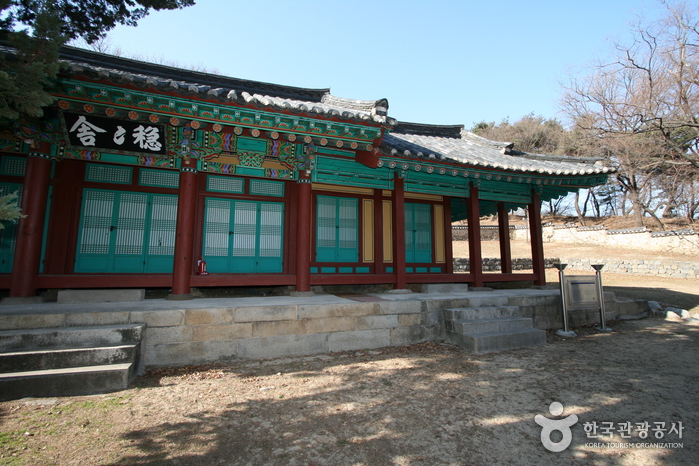
Ononsa Guesthouse (온온사)
14.8Km 2023-07-17
58 Gwanaksan-gil, Gwacheon-si, Gyeonggi-do
Though Ononsa, which was a guesthouse in Gwacheon, was constructed in the 27th year of King Injo's reign in the Joseon dynasty (1649), the name, "Ononsa," was given to this area during the reign of King Jeongjo. On February 11, 1790 during his royal procession to the tomb of his father, Crown Prince Sado, stayed at an inn in Gwacheon and, as he felt that it "has nice views and provides a comfortable stay," he bestowed upon the place plaques that he wrote himself - "Ononsa" to Seoheon and "Burimheon," which was the old nickname of Gwacheon, to Dongheon. This is how this place began to be called Ononsa.
It was designated as a Tangible Cultural Heritage of Gyeonggi-do on June 2, 1980, and it was restored on December 2, 1986 after being torn down.
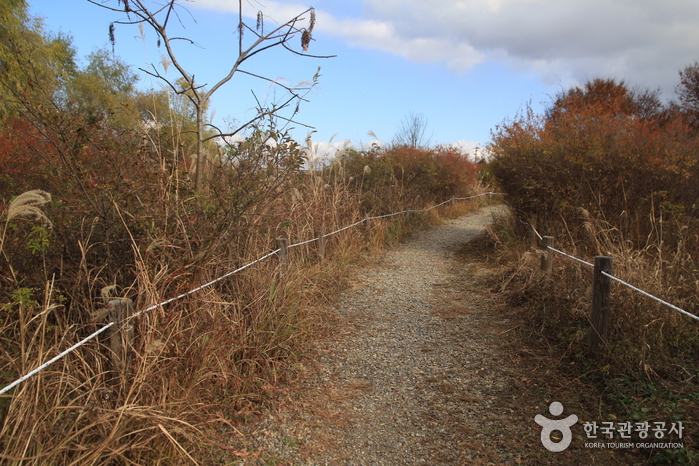
Godeok-dong Ecological Landscape Conservation Area (고덕동 생태경관 보전지역)
14.9Km 2021-06-10
Area of 396beon-ji, Godeok-dong, Gangdong-gu, Seoul
+82-3780-0848
Located next to the Godeok Riverside Restoration Area, the Godeok-dong Ecological Landscape Conservation Area is one of the most well-maintained ecological preservation sites in Seoul. The area includes Amsa Sluice Gate, Hoan, and Hangang River Reservoir. The area offers educational facilities for visitors to learn more about the ecosystem.
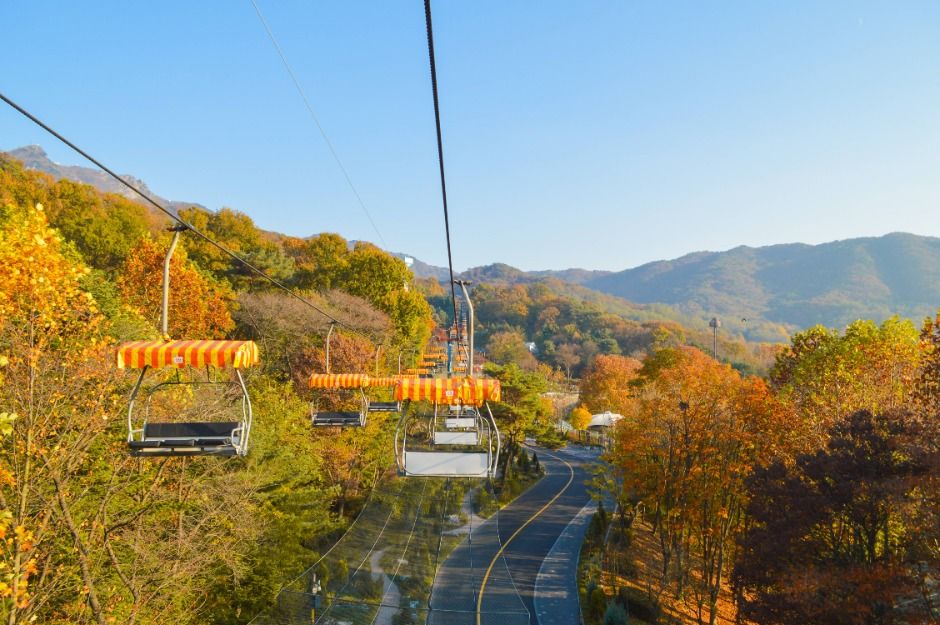
Skylift (스카이리프트)
15.1Km 2025-11-11
102 Daegongwongwangjang-ro, Gwacheon-si, Gyeonggi-do
The Seoul Grand Park Skylift is an experiential transportation and tourist facility that operates within Seoul Grand Park. It consists of two lines, Line 1 and Line 2, and operates from the entrance of Seoul Grand Park to the north gate of the zoo, and from the north gate of the zoo to the top of the carnivore animals zone, respectively. It serves to connect major tourist destinations such as the zoo, themed gardens, and children's zoo, allowing visitors to move around efficiently. Visitors can also enjoy the natural scenery of Seoul Grand Park's lakes, forests, and flower paths while traveling on the lift. Available all year round, visitors can enjoy seasonal scenery such as cherry blossoms in spring, greenery in summer, autumn leaves in fall, and snowy landscapes in winter.

National Women's History Exhibition Hall (국립여성사전시관)
15.1Km 2021-09-23
50, Hwajung-ro 104beon-gil, Deogyang-gu, Goyang-si, Gyeonggi-do
+82-31-819-2288
The National Women’s History Exhibition Hall opened on December 9, 2002 in Daebang-dong, Seoul, but was moved to its current location in Goyang, Gyeonggi-do on September 1, 2014. The hall uses both traditional display techniques as well as creative media art to showcase the history and culture of women in Korea. The exhibition hall aims to give women their rightful place in Korean history, in addition to enhancing women’s sense of pride and expand gender equality through various activities, including public education programs and special exhibitions.
 English
 한국어
한국어 日本語
日本語 中文(简体)
 Deutsch
 Français
 Español
 Русский


