
Ebookers Korea Inc. ((주)이부커스코리아)
2.0Km 2025-10-23
(2nd Floor), 212 Jangchungdan-ro, Jung-gu, Seoul
We strive for a special kind of tourism that combines wellness tourism (healing) and medical tourism (treatment).
We are a Korean wellness and medical tourism company leading the country’s safe and healthy travel culture.
* Products and Services
Wellness medical tourism programs that uniquely combine wellness and medical tourism
Referral and reservation service for selected wellness destinations and Korean hospitals with excellent medical technology
Guidance services provided at local partner companies
Content creation and reservation based on our personalized service system
Convenient tourism programs catering to each patient's health conditions
Medical tourism visa application and referral services on C33VISA site
* A medical tourism product brand
Medi Well Come products: Health checkup / general practice (minor / major / female / preventive / eye problems)
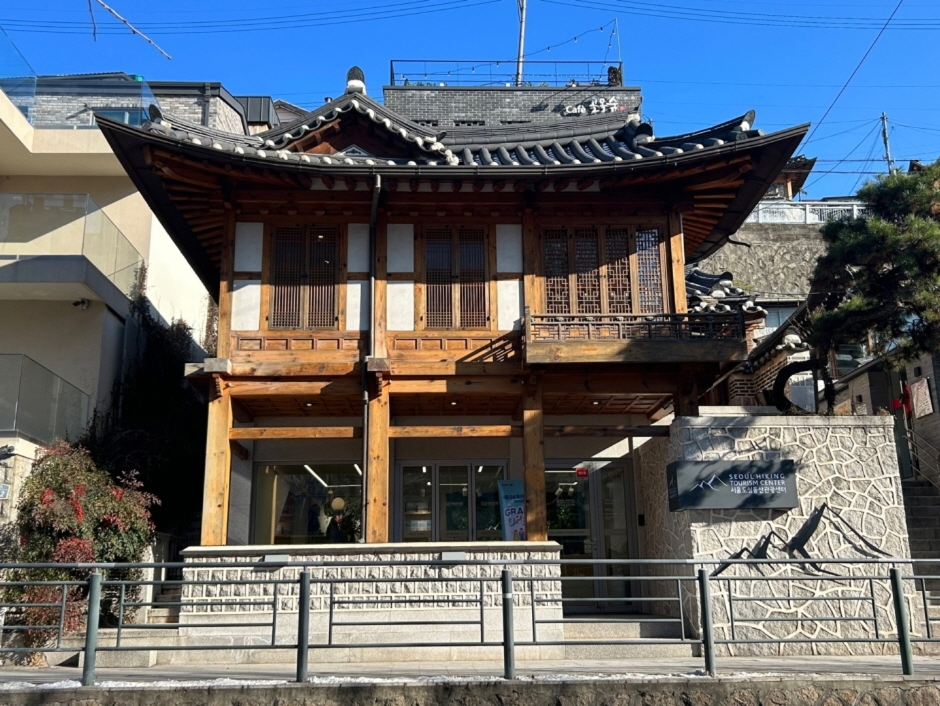
Seoul Hiking Tourism Center - Bugaksan Branch (서울도심등산관광센터(북악산))
2.0Km 2024-03-05
88 Samcheong-ro, Jongno-gu, Seoul
The Bugaksan branch of Seoul Hiking Tourism Center is located on Samcheong-dong Culture Street and provides various services to hikers. It provides hiking course guidance and information (available in Korean, English, Chinese, and Japanese) about the mountains of Seoul, including Bukhansan, Bugaksan, and Inwangsan Mountains, as well as promotional materials such as Seoul hiking tourism guidebooks and maps. Also, it operates hiking tour programs with various themes every week for foreigners and offers hiking gear rental services such as hiking boots, hiking attire, trekking poles, gloves, and crampons for foreigners. (Koreans accompanied by foreigners can also rent the gear.) In addition, there is a storage locker and lounge for visitors, so they can pack up and rest before hiking.
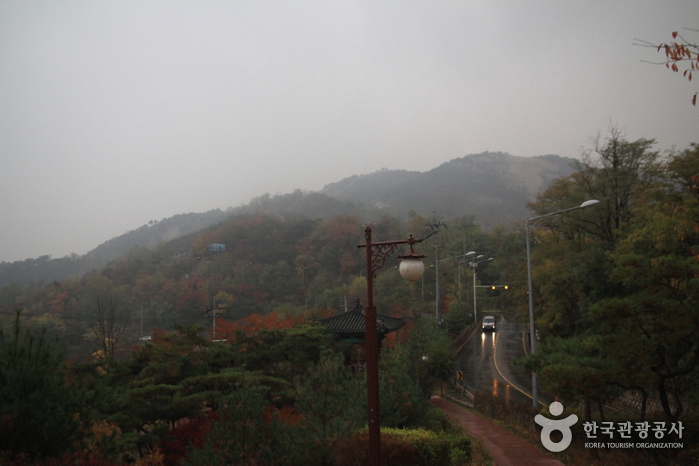
Inwangsan Mountain (인왕산)
2.1Km 2024-03-04
San 2-1, Muak-dong, Jongno-gu, Seoul
Inwangsan Mountain is a rocky mountain located to the northwestern side of Seoul. It stands 338m tall. The Seoul City Wall is built along its ridge, connecting to the Baegak Mountain Trail. From the summit, one can see the three mountains of Naksan Mountain, Namsan Mountain, and the Bugaksan Mountain surrounding the historical center of Hanyang, the historical name for Seoul in Joseon period, with the Gyeongbokgung Palace at the center. There are five hiking trails, all taking about two hours to complete. It takes about three hours if you want to visit all the peaks of the mountain.
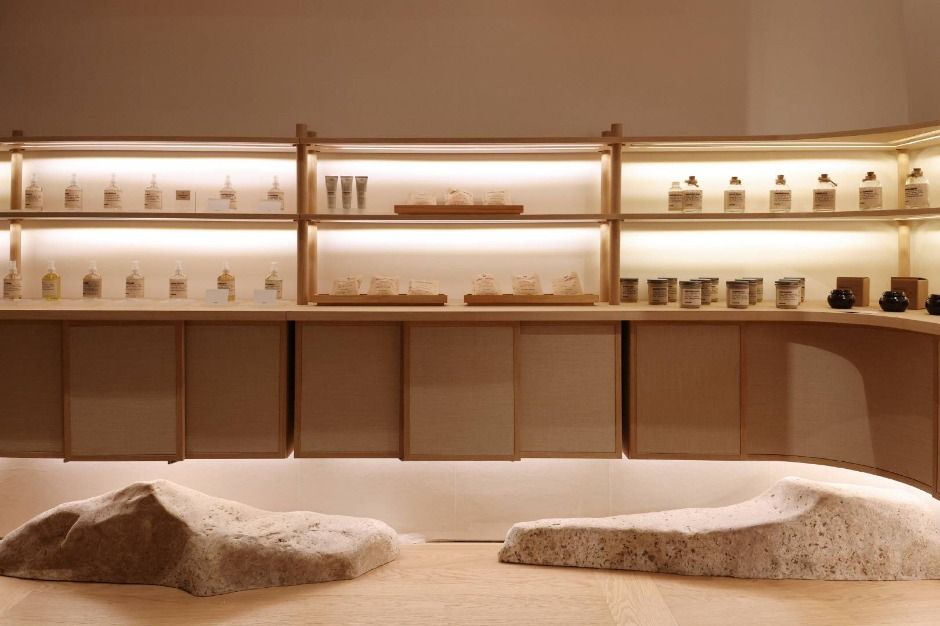
GRANDHAND. Gahoe (그랑핸드 가회점)
2.1Km 2025-12-04
61 Bukchon-ro 11-gil, Jongno-gu, Seoul
Launched in 2014 at a small hanok in Bukchon Hanok Village, this Korean perfume brand now has nine stores around Seoul. With no advertisements or online sales, GRANDHAND has preserved its roots for years. GRANDHAND. Gahoe located amidst the beautiful surroundings of Bukchon Hanok Village and various art museums has customers of all ages and nationalities.
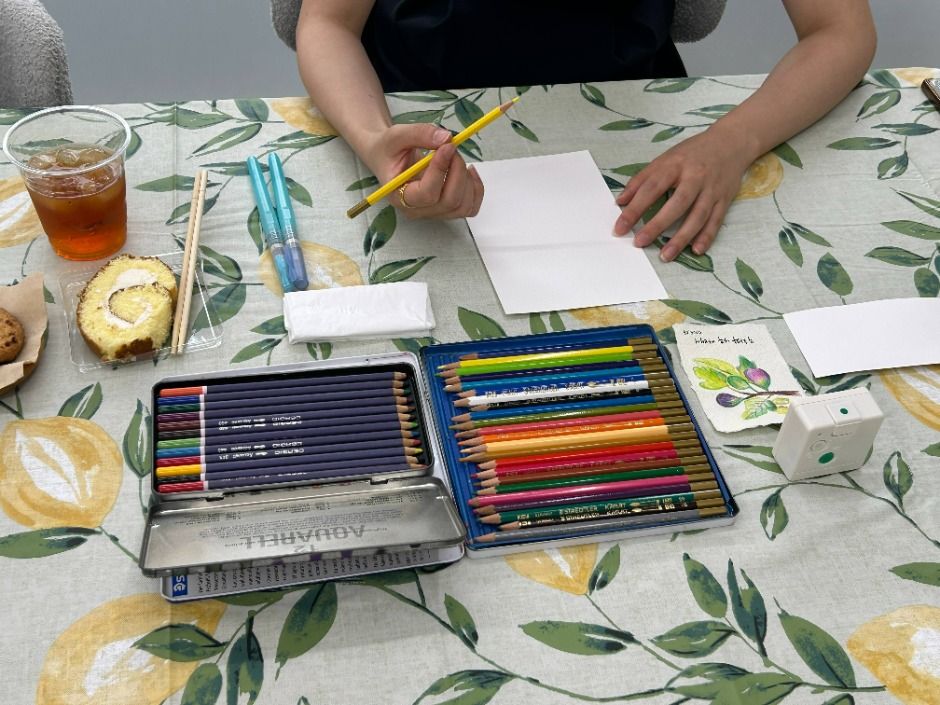
ARTEASPOON (아티스푼)
2.1Km 2025-10-23
7 Sinheung-ro 36-gil, Yongsan-gu, Seoul
ARTEASPOON operates cultural arts programs centered on paintings, music, and books. It also has a program related to exploring one's feelings and mind, and offers a special program for foreigners for learning Korean culture and art. Located in Huam-dong at the foothills of Namsan Mountain, it's an ideal place to immerse in art and inspirations.
The Museum of Medicine (서울대학교병원의학박물관)
2.1Km 2024-03-18
101 Daehak-ro, Jongno-gu, Seoul
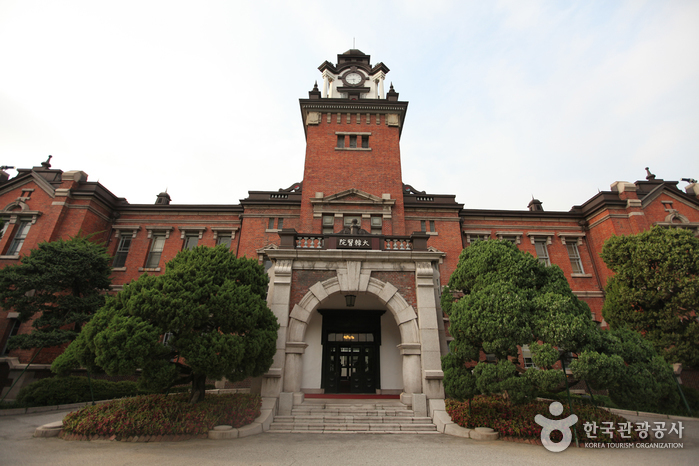
The Museum of Medicine is located in the building of the former Daehan Medical Center, the oldest modern hospital in Korea. It is a medical museum that provides a comprehensive view of the development of modern medicine in Korea, the history of medical devices, and the transformation of Seoul National University Hospital. Through permanent and special exhibitions, the museum showcases medical artifacts and documents related to the history of medicine.
Of one book and stay (일독일박)
2.1Km 2024-12-23
11-1 , Pirundae-ro 3-gil, Jongno-gu, Seoul
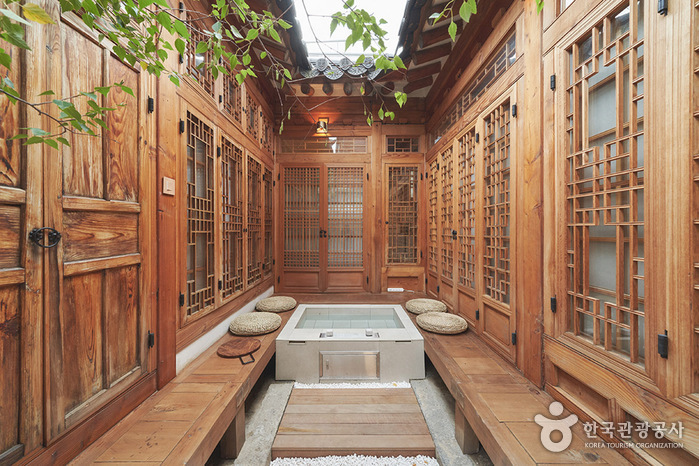
Ildogilbak in Seochon Village, Seoul, is a private hanok stay that has been stylishly renovated with modern facilities. The bedroom, kitchen and dining room are located around the courtyard. Tired travellers can soak their feet in the small courtyard footbath while sitting on the veranda. There’s a queen size bed in the bedroom, and a large table in the dining room where you can read a book and chat. There is also an attic space where you can fall asleep looking at the stars through a small skylight. The kitchen is well equipped, and there’s a tub in the bathroom.
Jongno Cheonggye Special Tourist Zone (종로 청계 관광특구)
2.1Km 2021-12-30
99, Yulgok-ro, Jongno-gu, Seoul
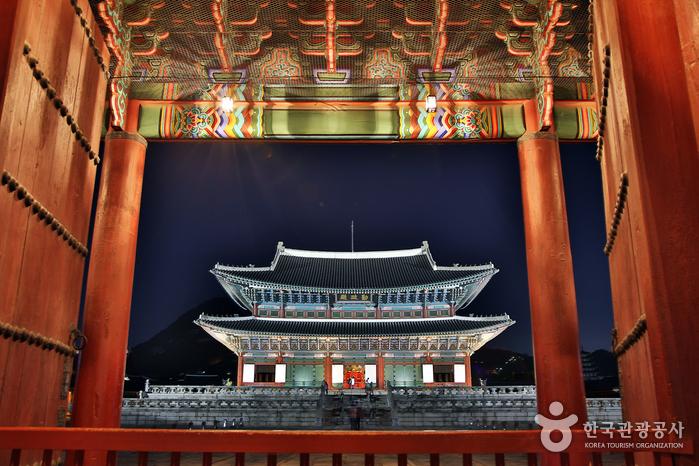
Jongno Cheonggye Special Tourist Zone stretches from Seorin-dong to Changsin-dong between Cheonggyecheon Stream and Jong-ro. It includes Youth Street, Gwangjang Market, Sewoon Electronics Department Store, lighting stores, pharmacy & medical device stores, badge stores, Stamp Street, Stationery · Toy Market, Aquarium Street, Shoes Market, and other markets totalling to approximately 14,000 shops. Nearby attractions include modern high-story buildings as well as Gyeongbokgung, Changdeokgung, Changgyeonggung, Deoksugung, and Unhyeongung Palaces, Jongmyo Shrine, and Insa-dong, merging traditions, modernism, culture, and markets alike.
Thought to be at the heart of Seoul, Cheonggyecheon Stream is located in the dense cultural area of Seoul where various press networks, organizations, bookstores and other major corporations are situated. Walking along Cheonggyecheon Stream is a famous activity for tourists. Also, the area is the venue for the Seoul Lantern Festival every winter. Keeping its traditional scene including narrow alleys, old-fashioned hanok buildings and various stores still fully intact, the tourist zone has enough fun places for sightseeing as well as tasty restaurants in every corner for a more enjoyable visit.
Nolboo Bossam & Budaejjigae Euljiro6ga(놀부보쌈&부대찌개 을지로6가)
2.1Km 2024-10-15
2F, 34, Euljiro43-gil, Jung-gu, Seoul
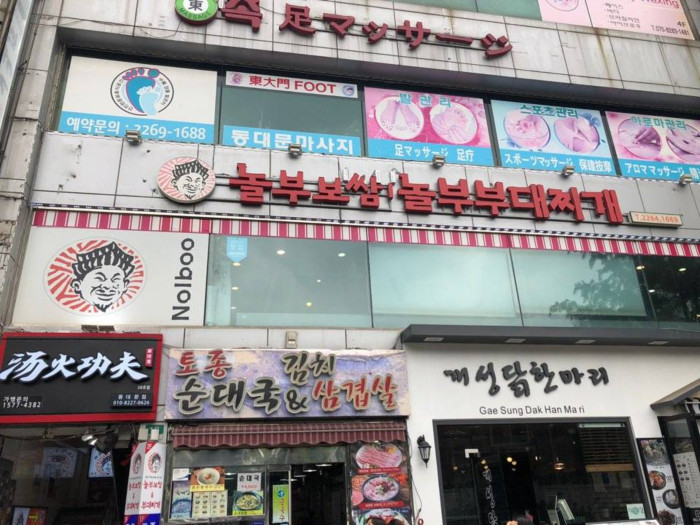
This is a Korean cuisine located in Dongdaemun Gate, Seoul. One of Korea’s representative restaurant franchises. The best menu at this restaurant is napa wraps with pork.
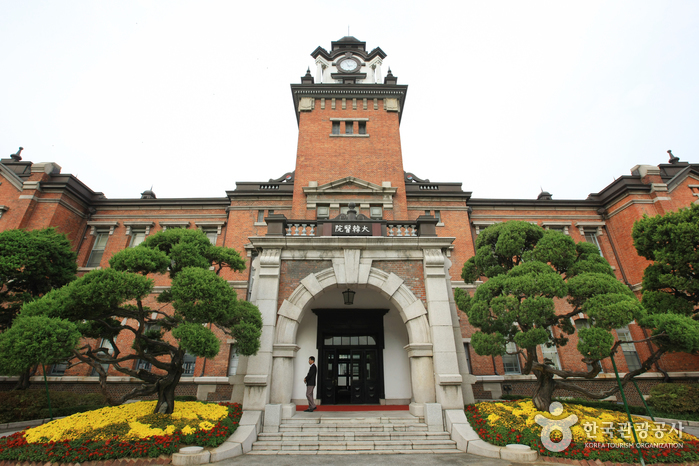
Seoul Daehan Hospital (서울 대한의원)
2.1Km 2021-12-23
101, Daehak-ro, Jongno-gu, Seoul
Daehanuiwon (Daehan Medical Center) is an antique two-story brick building within the grounds of Seoul National University Hospital. It was established under the direct administration of the Uijeongbu (State Council), combining the Gwangjewon (under the Home Ministry), Gyeongseong Medical School and the Korean Red Cross Hospital (under the Royal Household).
Built in the Madubong Hill area, this location where Hamchunwon, the outer garden of Changgyeonggung Palace, once stood in 1484 (15th year of King Seongjong), was also once the site of Gyeongmogung Palace, where King Jeongjo enshrined the mortuary tablet of his birth father Crown Prince Sado Seja in 1776 (the year King Jeongjo ascended to the throne).
These places that held importance for the royal family were destroyed as the Japanese built Gyeongseong Empire University in its place. In 1907, with the announcement of the plan to establish Daehan Medical Center, construction began on the main building, seven wards and affiliated buildings. Construction was completed in November 1908.
The Daehan Medical Center opened in Gwangjewon, but upon Japanese colonization in 1910, its name was changed to the Japanese Viceroyalty Hospital. In 1926, it was included as a part of Gyeongseongjeguk University to become a university hospital. Since the liberation of Korea in 1945, it has been a hospital affiliated with Seoul National University.
 English
 한국어
한국어 日本語
日本語 中文(简体)
 Deutsch
 Français
 Español
 Русский


