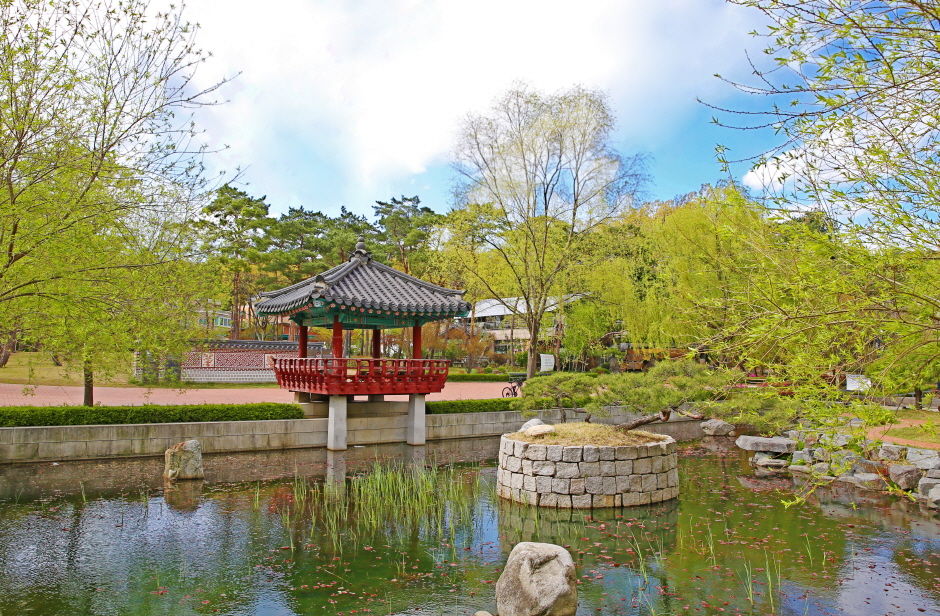
Wondangsaem Park (원당샘공원)
11.1Km 2024-02-15
16 Haedeung-ro 32ga-gil, Dobong-gu, Seoul
Wondangsaem Pond is named after the Wondang village, where the Yun family settled about 600 years ago. It is a park that harmoniously blends a traditional pond with a Hall of Rejoicing Pavilion called Samojeong, a wall fall, and a floral wall. During autumn, the golden foliage of an 800-year-old ginkgo tree enriches the surroundings, and a deck path around the tree offers a delightful stroll.

Seoul Doseonsa Temple (도선사(서울))
11.1Km 2025-06-25
504 Samyang-ro 173-gil, Gangbuk-gu, Seoul
Doseonsa Temple was established 1,100 years ago during the latter part of the Silla Kingdom when the renowned Buddhist priest Doseonguksa was traveling through the mountains. After visiting the site, Doseonguksa made a prophecy that led to the construction of the temple. According to legend, he used only his walking stick to carve the large Bodhisattva that sits at the temple. Interestingly enough, the statue does not show any evidence of chisel marks, further adding to the mystery of how the statue was made.
During the 7th year of King Gwangmu of the Joseon dynasty, Doseonsa Temple was officially named the representative temple of Korea with the purpose of promoting Cheongdamdaejongsa's Korean Buddhism movement, aiming at a religious revival. Due to these special circumstances Deseonsa Temple gained a high reputation and much recognition, which have held strong to this day.
Inside the temple, visitors can view the remains and written works of Cheongdamdaejongsa in the Cheongdamdaejongsa Memorial Hall. Next to the road leading to Cheonbuljeon Hall is a pond where you can toss a coin and make a wish and just past Yongammun Gate is a hiking path connecting Baegundae Cliff and Insubong Peak. Inside the Ksitigarbha Hall are portraits of President Park Chung-hee, Yuk Yeong-su, and Hyundai Chairman Chung Ju-yung. In front of the hall is a tree that is said to have been planted by a Buddhist priest who brought it from India 200 years ago. Historical artifacts can be found throughout the temple.
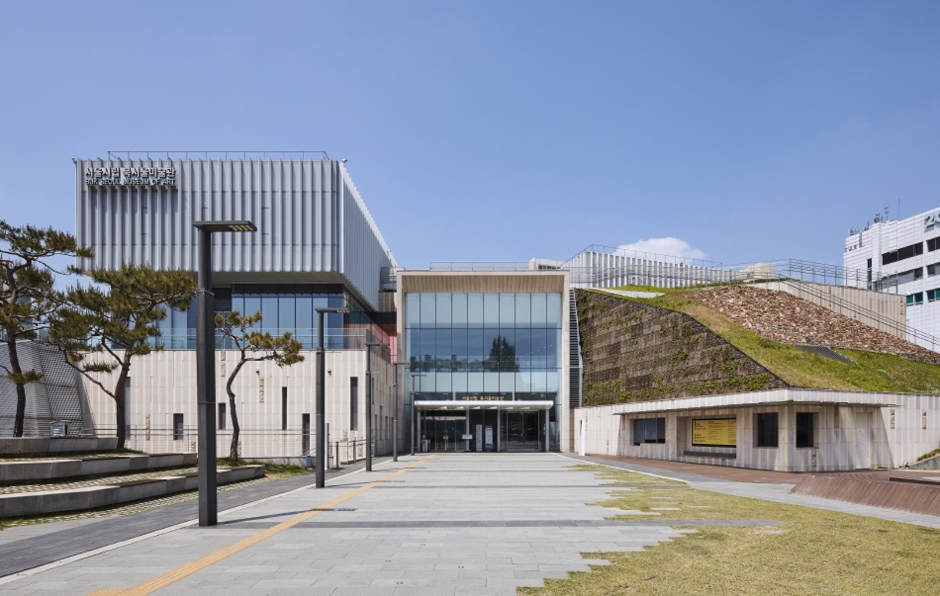
Seoul Museum of Art (SeMA) (서울시립 북서울미술관)
11.1Km 2024-03-18
1238, Dongil-ro, Nowon-gu, Seoul
The Seoul Museum of Art (SeMA) coexists with its local community. Located in Nowon-gu, an area name that is derived from the “Reed Hill” nearby, the museum is an open structure with its entrance connected to a park. In addition to outdoor sculpture exhibitions, it offers maze-like galleries, an art library, a cafe, and a multipurpose hall. These spaces host a variety of programs for families, which make up the majority of visitors to this museum.
Yongma Land (용마랜드)
11.2Km 2025-10-28
118 Mangu-ro 70-gil, Jungnang-gu, Seoul
Yongma Land, a private amusement park, was opened at the foot of Yongmasan Mountain in 1983, and closed its doors in 2011. Having spent some time as a derelict building, it has now been repurposed as a nostalgia-filled space. It was made famous as the filming location of Crayon Pop’s "Bar Bar Bar" music video. Since then, it has become a renowned destination for photography, thanks to its unique atmosphere created by the combination of lush greenery and derelict amusement rides. Entry may be restricted in the case of filming or space rentals, so make sure to check with the management before you head to the amusement park. Yongma Land is located next to Bonghwa Middle School, at Exit 1 of Mangu Station, Gyeongui–Jungang Line.
![Bukhansan Dulle Trail Section 1 ([북한산 둘레길] 1 소나무숲길 )](http://tong.visitkorea.or.kr/cms/resource/30/1898430_image2_1.jpg)
Bukhansan Dulle Trail Section 1 ([북한산 둘레길] 1 소나무숲길 )
11.2Km 2024-01-04
12 Samyang-ro 173-gil, Gangbuk-gu, Seoul
Bukhansan Mountain is a mountain representing Seoul, which 5 million people visit every year. It is not easy to hike up to the top, but the dulle trail allows one to enjoy the beauty of the mountain without too much effort. Bukhansan Dulle Trail is a low-lying, horizontal walking trail created by connecting and refining existing side paths, allowing for a leisurely walk along the foot of the mountain. The Pine Forest Trail, one section of the trail consisting of 21 themes, is 2.9 kilometers long from the entrance to Uiryeong Trail to the top of Solbat Neighborhood Park. It is filled with majestic pine trees, and the road is wide and gentle, making it a perfect place to enjoy a walk. Most of the section is shaded by trees, so visitors can feel cool while walking up even on hot summer days.
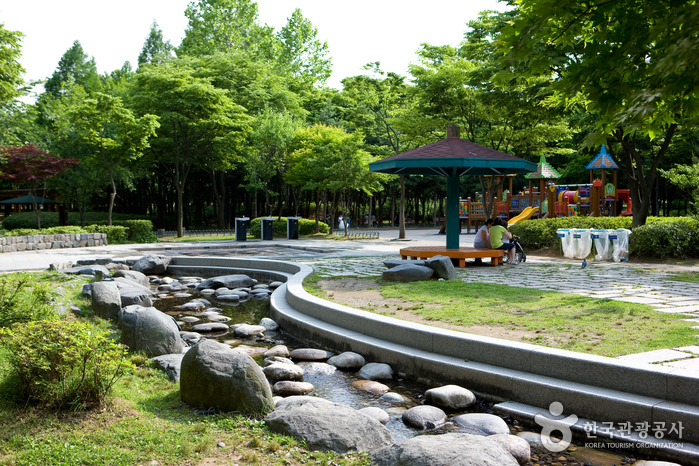
Maeheon Citizen's Forest (매헌시민의 숲)
11.2Km 2022-12-21
99, Maeheon-ro, Seocho-gu, Seoul
Maeheon Citizen's Forest, located near Yangjae Tollgate, was created in anticipation of the Seoul Asian Games in 1986 and the 24th Olympic Games in 1988. The forest provides a scenic habitat for 94,800 trees of 43 different species including pine, zelkova, purple bloom maple, horse chestnut, and nut pine. These trees are rarely seen in cities and the park is a popular date spot for couples. In the fall, the trees in the park bear an abundance of persimmons and quinces.
Amenities and facilities include an outdoor wedding hall, walking course, basketball court, volleyball court (also used for foot volleyball), tennis court, barefoot walking path, and outdoor workout equipment. Memorial sites and monuments like the memorial of Patriot Yun Bong-Gil can also be found scattered throughout the park grounds.
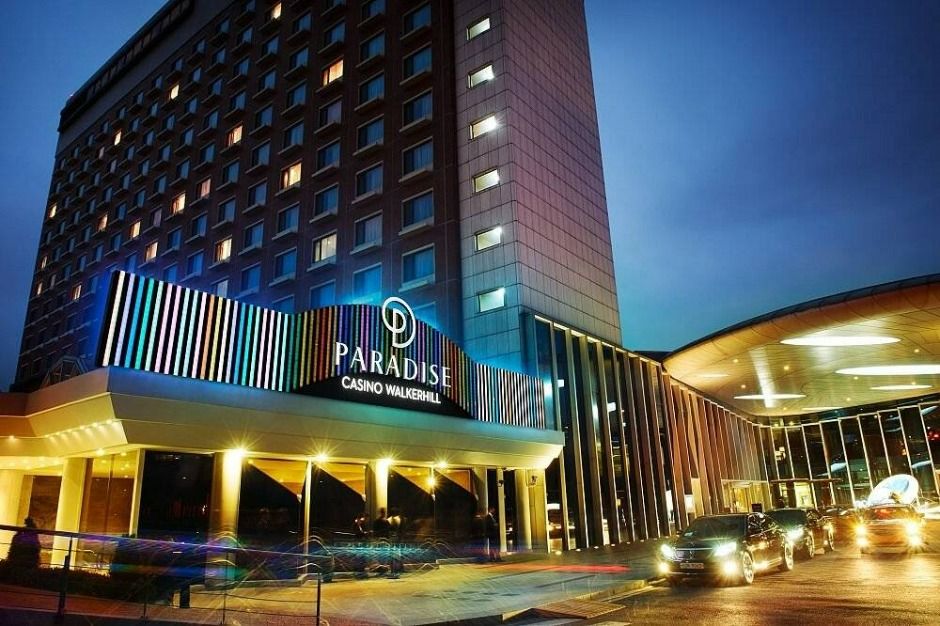
Paradise Casino Walker Hill (파라다이스 카지노 워커힐)
11.3Km 2025-05-16
177, Walkerhill-ro, Gwangjin-gu, Seoul
Paradise Casino Walker Hill is a foreigner-exclusive casino operating inside Walker Hill Hotel, from where guests can enjoy a fine view of the Hangang River nearby. The casino is open 24 hours a day, all year round, and offers baccarat, blackjack, roulette, and tai-sai tables among others, and a variety of slot machines as well. The game tables are run by expert dealers, and staff members are fluent in many languages to serve the customers’ needs.
Grand Walkerhill Riverpark (Outdoor swimming pool) (그랜드 워커힐 리버파크 수영장(야외수영장))
11.3Km 2022-12-21
177, Walkerhill-ro, Gwangjin-gu, Seoul
Grand Walker Hill Riverpark is a swimming pool using water comprised of alkali ingredients such as sodium and potassium from underground granite. Since it opened in 1994, the Riverpark is one of Seoul's most popular summer getaways to enjoy swimming. Located by the Hangang River and Achasan Mountain, it provides fresh air as well as the beautiful nature scenery. People can use any of the various facilities, including the main pool, lazy river, swimming pool for children, pool-side restaurant offering special summer lunch, and sun tanning beds.
Korea Institute of Radiological & Medical Sciences, Korea Cancer Center Hospital (한국원자력의학원 원자력병원)
11.3Km 2025-11-28
75 Nowon-ro, Nowon-gu, Seoul
KCCH (Korea Cancer Center Hospital) is a leading institution specializing in cancer diagnosis, treatment, and research using radiation. It has established an efficient collaborative care system and an integrated multidisciplinary approach to treatment. In addition to cancer care, the hospital operates a hospice palliative care center, offering holistic care to patients. As a government-funded organization, it actively conducts molecular cancer research and studies on the effects of radiation on the human body. With the introduction of PET/MRI diagnostics, KCCH develops more precise treatment plans and leads international clinical research, continuously improving cancer treatment outcomes through advanced research.
Gyujanggak Library of Seoul National University (서울대학교 규장각)
11.6Km 2022-07-27
1, Gwanak-ro, Gwanak-gu, Seoul
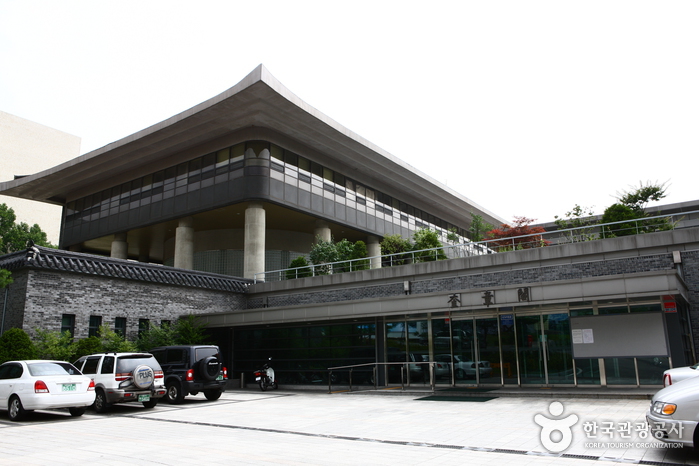
Gyujanggak Library was founded in 1776 during the reign of King Jeongjo, the 22nd ruler of the Joseon dynasty, at which time it was located within the Changdeokgung Palace grounds. It functioned as the royal library, which housed writings of the previous kings, their relics and books from home and abroad.
Today Seoul National University maintains the items of Gyujanggak in a traditional Korean building which is equipped with state-of-the-art facilities necessary for the preservation of cultural heritages. Moreover, Gyujanggak Library of Seoul National University collects and publishes books from a variety of sectors such as politics, economy and society.
Gyujanggak now houses more than 270,000 items including 7 national treasures, 8 treasures, 180,000-plus old books, about 50,000 documents and 18,000 printing blocks. Among them, Joseon Wangjo Sillok (the Annals of the Joseon Dynasty, a National Treasure), Seungjeongwon Ilgi (the Diaries of the Royal Secretariat, a National Treasure) and Uigwe (the Royal Protocols of the Joseon Dynasty) have been designated as UNESCO World Cultural Heritages.
 English
 한국어
한국어 日本語
日本語 中文(简体)
 Deutsch
 Français
 Español
 Русский


