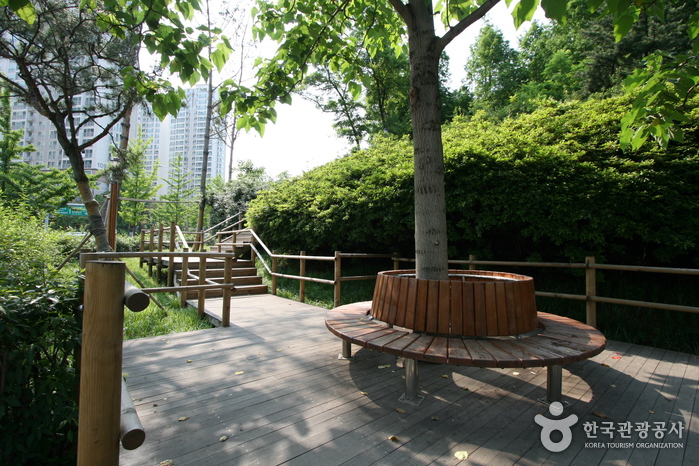
Ogeum Park (오금공원)
14.7Km 2025-01-17
363 Ogeum-ro, Songpa-gu, Seoul
Ogeum Park is a park created by cultivating a mountain with an altitude of 200 meters, providing a panoramic view of Seoul's Songpa district. The park features walking trail, various exercise equipment, and facilities such as badminton and tennis courts. The lawn bowling court is available for use by reservation. There is a toddler forest experience ground and an adventure playground for children, offering activities like rope climbing, rock climbing, net climbing, slides, and spider web climbing.

Seoulland Sledding Hills (서울랜드 눈썰매장)
14.7Km 2022-11-22
Makgye-dong, Gwacheon-si, Gyeonggi-do
Seoulland Sledding Hills offers two slopes, one for children (50 meters long) and another for adults (120 meters long). Amenities include food stands that sell various foods, including eomuk (fish cake) soup, resting lounge and medical office. Various performances are also prepared to entertain visitors at the main stage nearby the sledding hill.
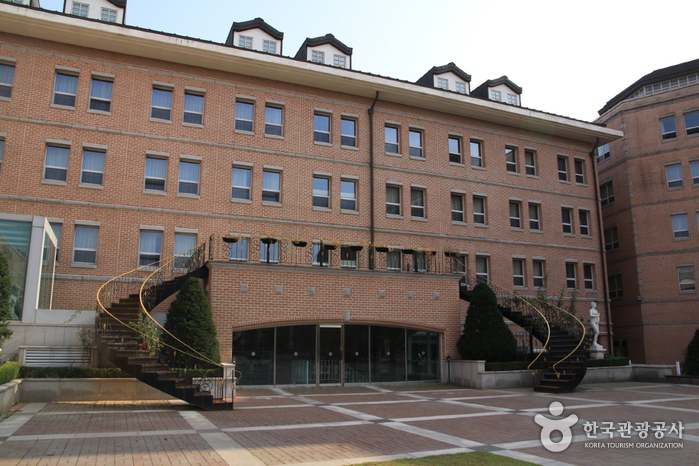
Mayfield Hotel Seoul (메이필드호텔 서울)
14.8Km 2025-10-23
94, Banghwa-daero, Gangseo-gu, Seoul
Surrounded by forests, Mayfield Hotel is the ideal place to enjoy unique seasonal views and unite with nature. It takes five minutes from Gimpo International Airport and 30 minutes from Incheon International Airport, boasting a proximity to both downtown and the airports. Mayfield Hotel staff members are dedicated to providing the best services with the utmost care. It is a premium hotel where guests experience the joys of comfortable and relaxed travels while creating valuable memories. Mayfield Hotel is located next to the traditional Korean restaurant Nakwon, which serves premium Korean cuisine. The hotel spans an area of approximately 105,785.60 square meters, and has six floors and a basement level. The hotel consists of eight separate buildings, including the main hotel wing, which houses an elegant lounge; a Western restaurant; a traditional Korean restaurant; and an outdoor plaza lounge. There is a banquet wing with a hall that can accommodate international conferences, plus various events and banquets. Small and medium-sized banquet halls suitable for weddings and receptions are available as well. The hotel wing has 202 spacious and cozy guest rooms, including suites and traditional Korean-style ondol rooms that guests can choose from depending on their preference. Notably, the hotel boasts top-tier facilities, such as a state-of-the-art fitness club and a botanical garden, showcasing the hotel's exceptional features.
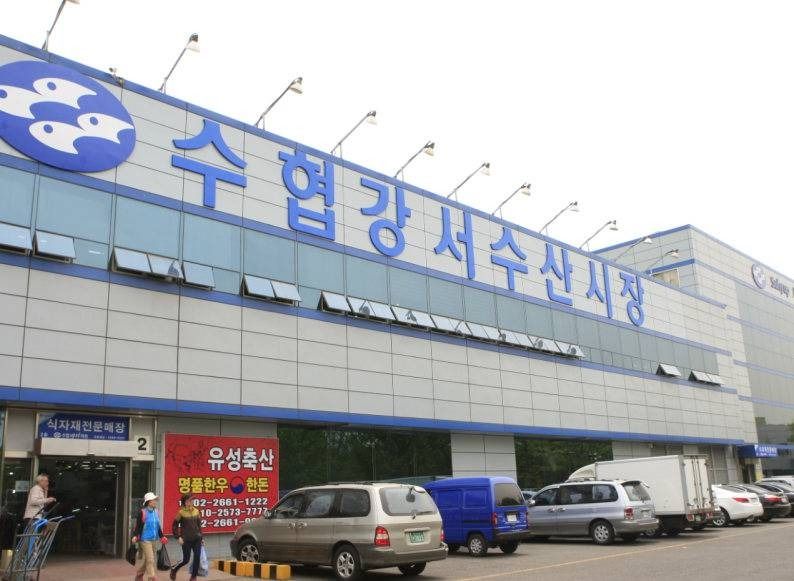
Suhyup Gangseo Seafood Wholesale Market (수협 강서수산시장)
14.8Km 2025-09-15
130 Gangseodomaesijang-ro, Gangseo-gu, Seoul
As Seoul's largest seafood market in the southwestern region, Suhyup Gangseo Seafood Wholesale Market supplies seafood from all over the country at stable prices through auctions every morning. It sells a variety of seafood, including live fish, fish, shellfish, crustaceans, dried fish, and fermented fish products in fresh condition. Consumers can enjoy the seafood they purchase directly from the market at the specialized restaurant area on the second floor, which offers a wide range of seafood dishes and a diverse menu. The spacious and comfortable area is also suitable for family gatherings or company dinners.
![[Seoul Trail Course 1] Suraksan · Buramsan Mountain Course ([서울 둘레길 1코스] 수락 · 불암산 코스)](http://tong.visitkorea.or.kr/cms/resource/16/2658216_image2_1.jpg)
[Seoul Trail Course 1] Suraksan · Buramsan Mountain Course ([서울 둘레길 1코스] 수락 · 불암산 코스)
14.9Km 2025-01-06
Junggye-dong, Nowon-gu, Seoul, Republic of Korea
Seoul Trail is a walking trail that encompasses the entire city of Seoul, with a total length of 157km and 8 courses. It weaves together the history, culture, and natural ecology of Seoul through various stories. The 1st course is a gentle path from Suraksan Mountain to Buramsan Mountain, covering 18.6km and taking approximately 8 hours and 10 minutes. This trekking course around Buramsan Mountain passes through Iris Garden, Deongneung-gogae, Information Center, Taereung Royal Tomb, Suamsa Temple, and Hakdoam Temple.
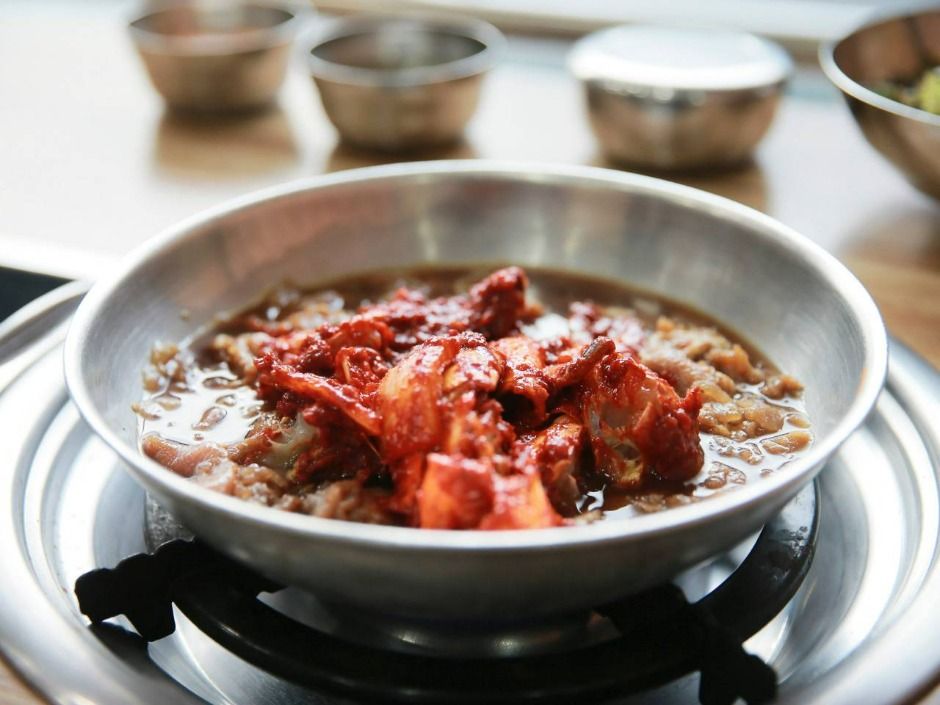
Sinchon Gisa Sikdang (신촌기사식당)
14.9Km 2025-09-15
408 Banghwa-daero, Gangseo-gu, Seoul
Sinchon Gisa Sikdang is a long-established restaurant with a long tradition, known for its generous portions and flavor, gaining word-of-mouth popularity and being featured in various television shows. In 2021, it was certified as a Long-standing Small Business by the Ministry of SMEs and Startups and the Small Enterprise and Market Service. The restaurant's representative menu is Bulkkot Baekban, which consists of dwaejibulbaek (pork bulgogi) and yangnyeom gejang (spicy marinated crab), ideal for two to three people. It's a great place to experience the authentic taste of a traditional restaurant with dishes like pork bulgogi and kimchi stew with fresh meat.
Dobongsan Mountain (도봉산)
15.0Km 2021-06-29
Dobong-dong, Dobong-gu, Seoul
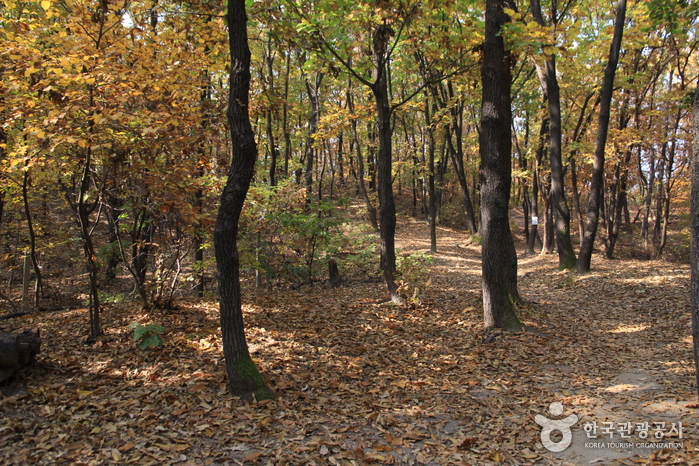
Dobongsan Mountain, located in the northeastern section of Bukhansan National Park, is known for the magnificent rock formations of the main peak, Jaunbong Peak (740.2 m), as well as Manjangbong, Seoninbong, Jubong, Obong Peaks and Uiam Rock. Seoninbong Peak in particular has 37 hiking courses, including the famous Bakjwi (Bat) Course.
The mountain is also home to Cheonchuksa Temple, the oldest temple in the region, and several other temples including Mangwolsa and Hoeryongsa Temples, as well as a number of beautiful valleys such as Dobonggyegok, Songchugyegok, Obonggyegok and Yeongeocheongyegok Valleys. Dobongsan Mountain is easily accessible by public transportation, making it a popular attraction for people living in Seoul.
Munjeong-dong Rodeo Street (문정동 로데오거리)
15.0Km 2025-03-29
10, Dongnam-ro 4-gil, Songpa-gu, Seoul
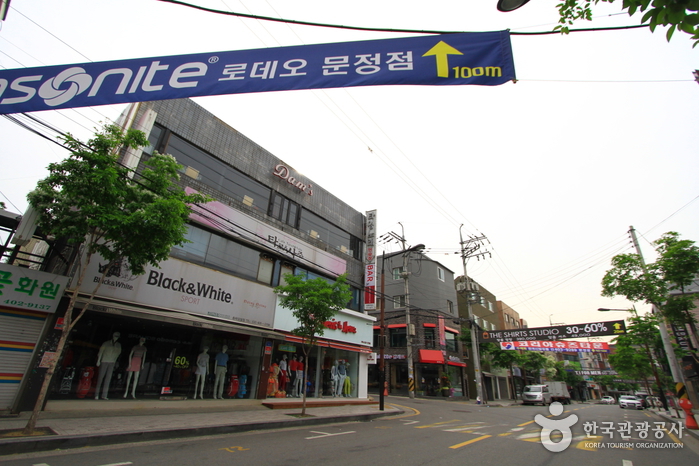
Munjeong-dong Rodeo Street is a large shopping district containing over 200 brand-name discount stores. The street is T-shaped, with a 1-kilometer-long main street connected to a 400-meter-long alley, and the Munjeong 1-dong Resident Center located at the center. For shoppers’ convenience, there is a public parking lot (if visitors purchase goods at Rodeo Street, they can park here for free) and a parking lot for foreign tourists only (free of charge). Munjeong-dong Rodeo Street is one of Korea’s major shopping streets with customers ranging from teenagers to adults, since discount stores stocking sports wear, casual wear, shoes, men’s and ladies’ suits, and golf wear are all located on this street. Moreover, this is a great place to find deals on famous brands, at prices lower than at a department store. On some items you can get discounts of up to 70-80%.
Since most of the goods are stock from previous seasons, it might be better to purchase the more classic styles rather than the trendy fashions. In some cases, the goods might have been slightly crumpled or stained during the transfer from warehouse storage, but taking them to the dry-cleaners should fix most problems. However you should be careful when looking at the sewing quality, and check for missing buttons.
One more thing to bear in mind is the shopping season. Even discount stores have periods when stock runs low. The best time to shop is immediately after the stores in Rodeo Street restock their merchandise. This is done at about the same time as department stores. There is also an enormous variety of goods to choose from during the Rodeo Festivals in May and September. The purchased goods are exchangeable but non-refundable, so check the quality of the products carefully before purchasing.
In addition, Munjeong-dong Rodeo Street has a wide selection of restaurants and entertainment facilities. There are a number of pizza places, coffee shops, and food courts, as well as internet cafes and game rooms in the alleys behind the stores. Visitors can also relax in the surrounding parks. There’s a park with a 600-year-old zelkova tree right behind the Munjeong 1-dong Resident Center.
Munjeong Rodeo Street is not just a shopping district; it’s a cultural area. The ‘Munjeong-dong Cultural Festival’ takes place every year in May, and the ‘Munjeong-dong Rodeo Festival’ takes place in May every other year. During these festivals, visitors can watch traditional Korean performances, traditional wedding ceremonies, international fashion parades, hip-hop dancing, and more.
A charity sale is held on weekends and national holidays on the open-air stage of the Munjeong 1-dong Resident Center, and merchandise is sold for even bigger discounts.

Cheonggyesan Mountain (청계산)
15.0Km 2024-03-20
Makgye-dong, Gwacheon-si, Gyeonggi-do
Standing at 618 meters above sea level, Cheonggyesan Mountain boarders the area of Yangjae-dong, Seoul and Gwacheon-si, Seongnam-si, and Uiwang-si, Gyeonggi-do. From the top, visitors can enjoy panoramic views of Seoul's city center and Gyeonggi-do. The mountain is well-maintained with various hiking trails, making it easy to climb even for beginners. In the fall, the mountain is known for its stunning fall foliage, attracting numerous visitors.
Banghwa-dong Gyodong Jjamppong (방화동 교동짬뽕)
15.1Km 2025-10-23
21 Geumnanghwa-ro 24na-gil, Gangseo-gu, Seoul
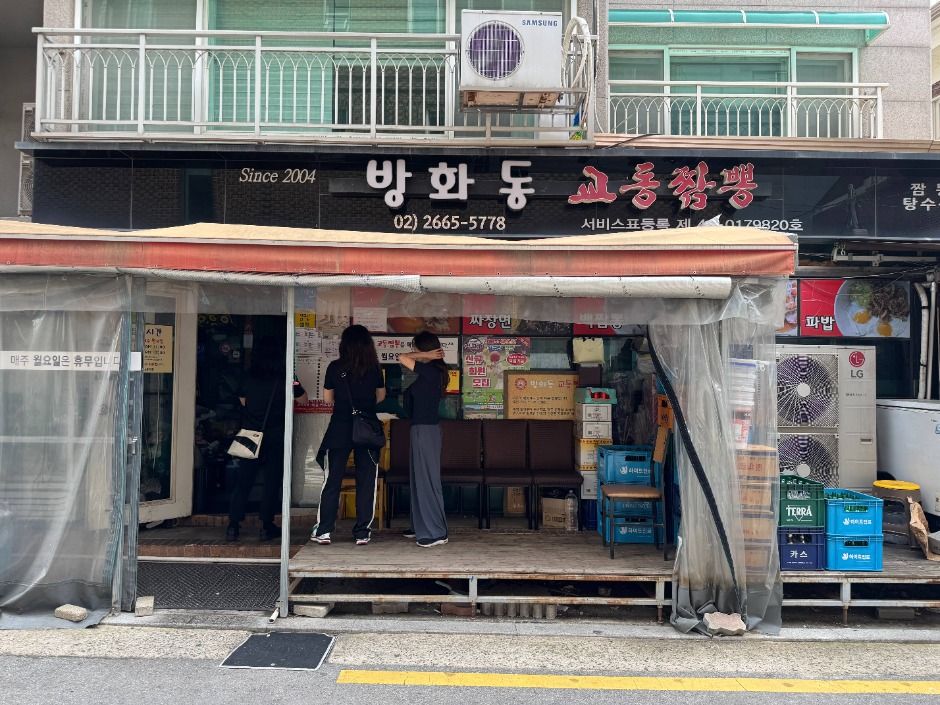
Located in Gangseo-gu, Seoul, Banghwa-dong Gyodong Jjamppong is a Chinese restaurant that serves mildly spicy jjamppong that everyone can enjoy. It also serves several other original menu items that appeal to children's preferences, making it a great place for families to eat out. The sweet and sour pork is crispy on the outside, soft on the inside, and full of flavor. The handmade dumplings are made everyday, carefully prepared with fresh ingredients and care. The restaurant sees a steady stream of local customers as well as travelers due to it's proximity to Gimpo Airport.
 English
 한국어
한국어 日本語
日本語 中文(简体)
 Deutsch
 Français
 Español
 Русский


