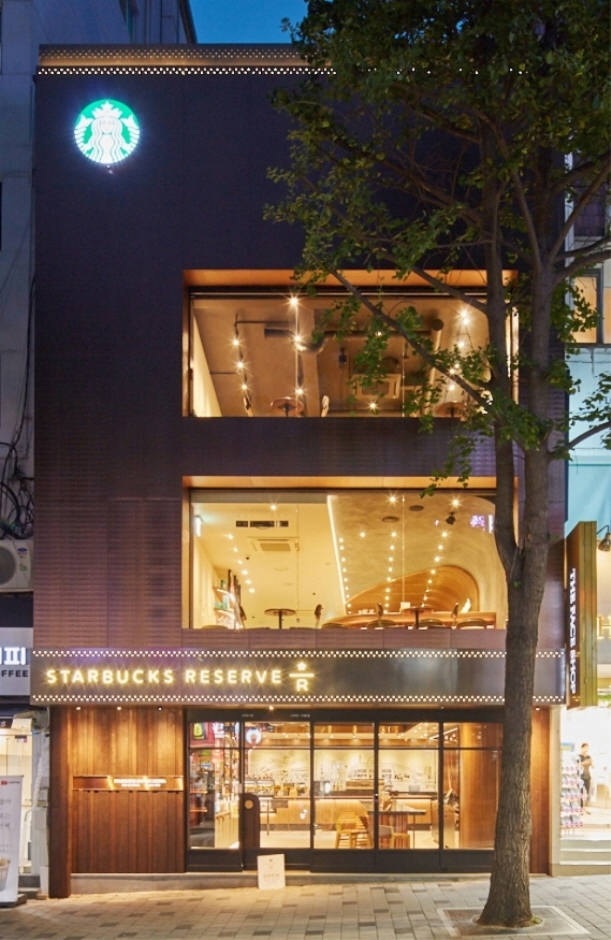
Starbucks Edae R (스타벅스 이대R)
3.9Km 2024-12-27
34 Ewhayeodae-gil, Seodaemun-gu, Seoul
Starbucks Edae R store is the first Starbucks store opened in 1999 and Korea's first Reserve only store
Starbucks Edae R store is the first Starbucks store opened in Korea. It is located 150 meters from the front gate of Ewha Womans University. The store has been loved by customers for over two decades since 1999. In celebrating its 20th anniversary in 2019, the store re-opened as Korea's first Reserve-only store. It specializes in offering specialty coffee and memorable experiences to many customers visiting Korea's first Starbucks store. As the leading store presenting the history and future of Starbucks, it offers high-quality coffee in a beautifully decorated setting, along with unique beverages and exclusive merchandise available only at this particular store.

Gyeongnidan Street (경리단길)
4.0Km 2023-01-18
Itaewon-dong, Yongsan-gu, Seoul
Gyeongnidan Street refers to the 937-meter-long road from the main gate of MND Financial Management Corps to Grand Hyatt Seoul as well as all of the nearby streets and alleys. It is called Gyeongnidan Street because the Korean army's central finance corps, or Gyeongnidan in Korean, used to be located here, and has gained fame for presenting a different vibe than that of Itaewon despite being part of Itaewon-dong. Gyeongnidan Street is an area of culture and youth where people are able to enjoy diverse and special cuisine and dishes at unique restaurants and cafes. Although it resembles a typical neighborhood of Seoul, it features foreigners who have come from many different places around the globe living in natural harmony with Korean locals, which exudes a unique, exotic atmosphere. It is fun to walk along the various streets and alleys to discover novel and sophisticated shops.
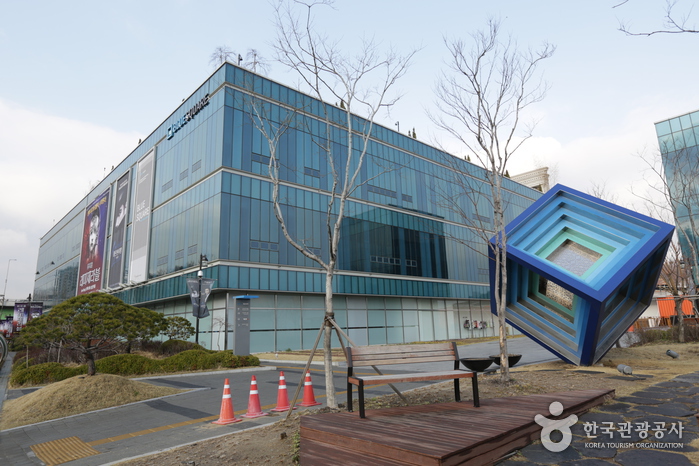
Blue Square (블루스퀘어)
4.0Km 2024-03-05
294, Itaewon-ro, Yongsan-gu, Seoul
Blue Square is a multipurpose performance venue located in Hannam-dong. It includes Shinhan Card Hall, a performance hall dedicated to musicals with 1,776 seats, and Mastercard Hall, a multipurpose performance hall with 1,400 seats. Blue Square also includes the Book Park, which has a collection of nearly 75,000 books, and a café with a terrace that looks toward the Namsan Mountain. Many visitors come to the Blue Square to see its collection of popular musicals and other performances.
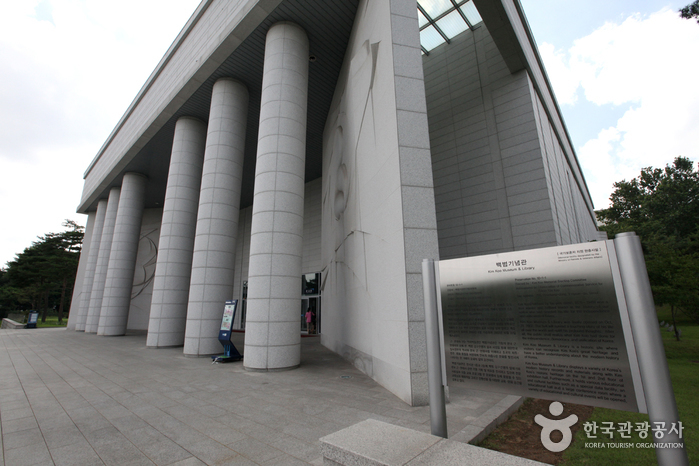
Kim Koo Museum & Library (백범김구기념관)
4.0Km 2022-08-30
26, Imjeong-ro, Yongsan-gu, Seoul
Kim Koo Museum & Library was built in Yongsan-gu, Seoul to commemorate Baekbeom Kim Koo (1876-1949), a highly respected Korean independence activist. It opened on October 22, 2002 to commemorate Kim Koo's efforts and achievements in Korean history. The main hall is comprised of two floors, exhibiting relics related to his entire life. A statue of a seated Kim Koo is situated in the central space of the first hall.
JaneDMCKorea (주)제인디엠씨코리아)
4.0Km 2025-10-23
(4th Floor), 51 Mallijae-ro, Mapo-gu, Seoul
Jane DMC Korea is an inbound travel agency and international patient recruitment organization established in 2006. Headquartered in Seoul, with branch offices in Busan, Indonesia, and India, the company develops and sells programs for international clients in 40 countries while also attracting international patients.
Korea University Anam Hospital (고려대학교 안암병원)
4.1Km 2025-10-23
73 Goryeodae-ro, Seongbuk-gu, Seoul
As a premier medical institution at the forefront of Korea's healthcare system, Korea University Anam Hospital integrates cutting-edge technologies into clinical practice. Our focus on precision medicine drives excellence in cancer and cardiovascular disease treatment, offering safe and accurate medical services through state-of-the-art robotic surgery and multidisciplinary care.
Our commitment to patient-centered care is evident in our ongoing investments to enhance our systems and capabilities. In 2008, we established the International Medical Center to serve our growing number of international patients better.
The International Medical Center offers services in English, Russian, Mongolian, and Arabic, ensuring that language barriers do not impede quality care. Additionally, our nutrition team develops global meal plans tailored to the diverse dietary needs of our international patients. For added convenience, we provide airport pick-up services, making the journey to our hospital as smooth as possible.
Medical Avenue ((주)메디컬애비뉴)
4.1Km 2025-10-23
(#1433, Mapo T Town), 144 Mapo-daero, Mapo-gu, Seoul
Since its inception in 2014, Medical Avenue has been a leading medical agency, providing world-class healthcare services in Korea to patients from around the globe. Our deep understanding of patients' cultural backgrounds and the Korean medical system allows us to minimize language and cultural barriers through the support of professional interpreters and multicultural coordinators. This dedication has resulted in over 5,000 patients receiving stable treatment with a satisfaction rate that boasts over 98% returning patients. Medical Avenue is committed to ensuring that patients receive comfortable and trustworthy care, continually striving to deliver the best medical services available.
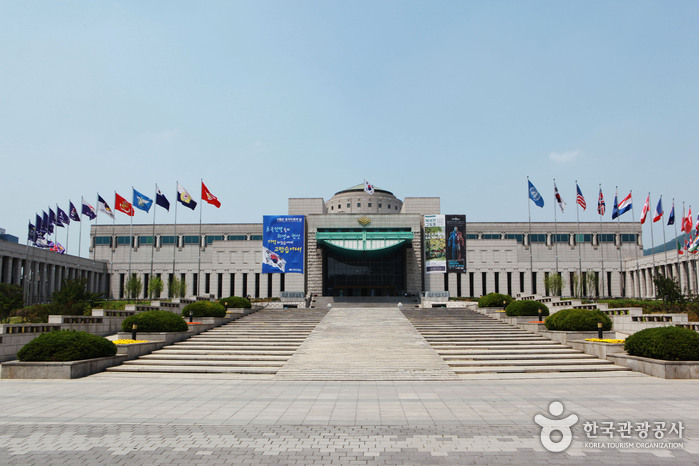
The War Memorial of Korea (전쟁기념관)
4.1Km 2022-12-29
29, Itaewon-ro, Yongsan-gu, Seoul
The War Memorial of Korea, located in Yongsan-gu, Seoul, exhibits and preserves materials related to the Korean War and serves as a national moral educational venue. It was established on June 10, 1994 by the War Memorial Service Korea Society to commemorate the noble sacrifice of patriotic martyrs. The museum houses approximately 33,000 artifacts with about 10,000 on display at indoor and outdoor exhibitions. There are six separate indoor halls, including Expeditionary Forces Room, Patriotic Memorial Room, War History Room, 6·25 Korean War Room, Development Hall and Large Machinery Room. The outdoor exhibition showcases large-sized weapons. Visitors of all ages from children to adults can also participate in 20 various educational programs and diverse cultural events such as military music and honor guard events, drawing contest, cultural event and more. The character of War Memorial of Korea is ‘Mudori’ featuring a helmet symbolizing the protection of the nation and a bay leaf meaning peace.
Leeum, Samsung Museum of Art (삼성미술관 리움)
4.2Km 2022-12-15
60-16, Itaewon-ro 55-gil, Yongsan-gu, Seoul
Leeum, Samsung Museum of Art, exhibits traditional and modern art works by Korean and international artists. The museum itself is just as fascinating as the art works on display, since the museum's three buildings were designed by internationally renowned architects Mario Botta, Jean Nouvel, and Rem Koolhaas.
MUSEUM 1 houses traditional Korean art, such as calligraphy, paintings, ceramic arts, and metal craftwork, while MUSEUM 2 displays modern and contemporary art by both Korean and international artists.
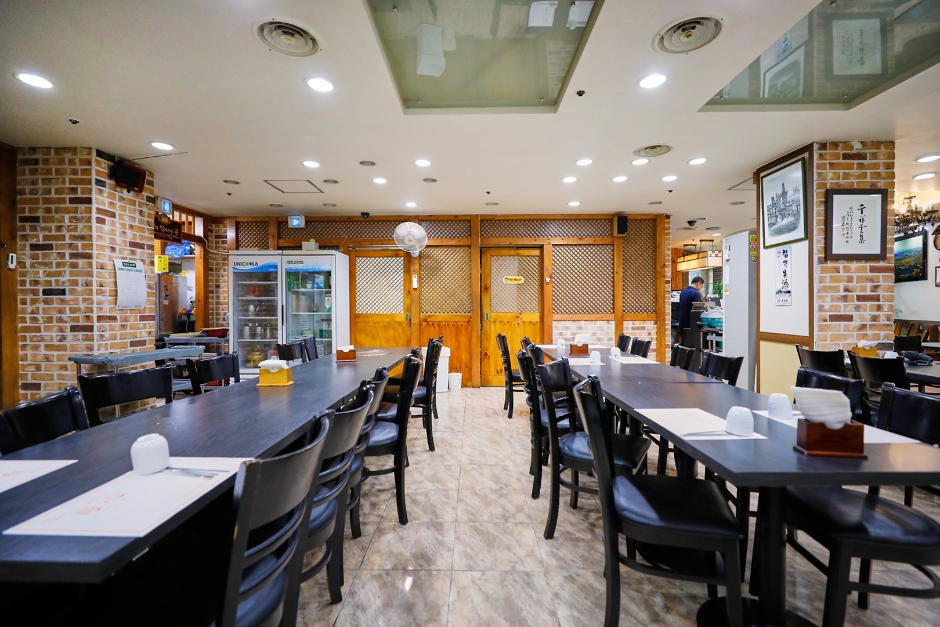
Mosim (모심)
4.2Km 2025-05-20
8 Gaeunsa-gil, Seongbuk-gu, Seoul
Mosim is a Korean table d’hote restaurant that offers a variety of menus to choose from depending on the kind of dishes and the number of side dishes. The set menu, which includes main dishes, such as hwangtae gui (grilled dried pollack) and galbitang (galbi soup), and side dishes, such as salad, japchae, and seasoned vegetables, is plentiful in amount and variety enough to fill the table. There are menu items that can be enjoyed individually, such as samgyetang, bibimbap, and yukgaejang (spicy beef soup). The restaurant’s menu comprises nutritious dishes that soothe one's tired mind and body. The restaurant has private rooms that can accommodate 4, 8, 12, 16, 20, 24, and 30 people, so it is a good option for guests seeking a quiet meal with the family or group gatherings.
 English
 한국어
한국어 日本語
日本語 中文(简体)
 Deutsch
 Français
 Español
 Русский


