
The Catholic University of Korea, Yeouido St. Mary's Hospital (가톨릭대학교 여의도성모병원)
7.6Km 2025-10-23
(Yeouido-dong), 10 63-ro, Yeongdeungpo-gu, Seoul
The Catholic University of Korea, Yeouido St. Mary's Hospital, established in 1936, is a hospital affiliated with a medical school and has a rich history of advancing the country's medical field through exceptional medical staff and pioneering research.
The hospital offers a convenient fast-track service for swift diagnosis and treatment, ranging from complex cancer care to minor conditions. As the first in Korea to open a dedicated lymphoma center, we have specialized expertise in treating various cancers, including lymphoma.
Our use of da Vinci robotic surgery allows for precise, minimally invasive procedures for complex conditions such as uterine fibroids, rectal cancer, prostate cancer, and thyroid cancer, promoting faster recovery. The hospital's one-stop service for breast and thyroid nodules ensures rapid diagnosis and treatment planning, completing biopsies within a single day.
At the Catholic University of Korea, Yeouido St. Mary's Hospital, we remain committed to providing top-tier medical services and advancing medical research while upholding the highest standards of bioethics.
Leaders Dermatology Clinic CheongdamLuxuryStreet (리더스피부과의원 청담명품거리점)
7.6Km 2025-10-23
3rd Floor, Diana Building, 445 Apgujeong-ro (Cheongdam-dong), Gangnam-gu, Seoul
Founded in 2001 by board-certified dermatologists from Seoul National University College of Medicine, Leaders Dermatology has grown into a trusted network of over 12 clinics across Korea and internationally, with a team of more than 20 dermatologists and 150 medical professionals.
Our doctors are actively involved in global academic circles delivering lectures at renowned conferences and seminars and are dedicated to raising the bar for dermatological care. With a systematic, patient-centered approach, our mission is to become the No.1 dermatology clinic in customer satisfaction through excellence in service and results.
DL Plastic Surgery (디엘성형외과의원)
7.6Km 2025-10-23
(4th Floor, Peyto Plaza), 563 Gangnam-daero, Seocho-gu, Seoul
DL Plastic Surgery is a premier clinic specializing in advanced procedures such as facial contouring and rhinoplasty. Our highly skilled medical team, with over ten years of experience, is dedicated to delivering the results you desire. We carefully plan and customize each surgery, ensuring that the overall harmony and balance of your face are maintained.
Your confidence and satisfaction are our top priorities. To reinforce this, we’ve implemented a surgical liability guarantee system, providing you with added trust and peace of mind regarding your results. We remain at the forefront of innovation through ongoing academic engagement and the latest research.
Note Plastic Surgery (노트성형외과의원)
7.6Km 2025-10-23
(12th-15th Floors, Peyto Plaza Building), 563 Gangnam-daero, Seocho-gu, Seoul
Note Plastic Surgery opened in Nonhyeon Station, between Gangnam Station and Sinsa Station in Seoul, in August 2019, and has just passed 4 years and is now celebrating its 5th year.
In July 2024, the Breast & Body Contouring Center and Facial Contouring Center were expanded and reopened.
Hyundai Yacht Seoul Branch (현대요트 서울지점)
7.6Km 2024-01-04
350 Dongjak-daero, Seocho-gu, Seoul
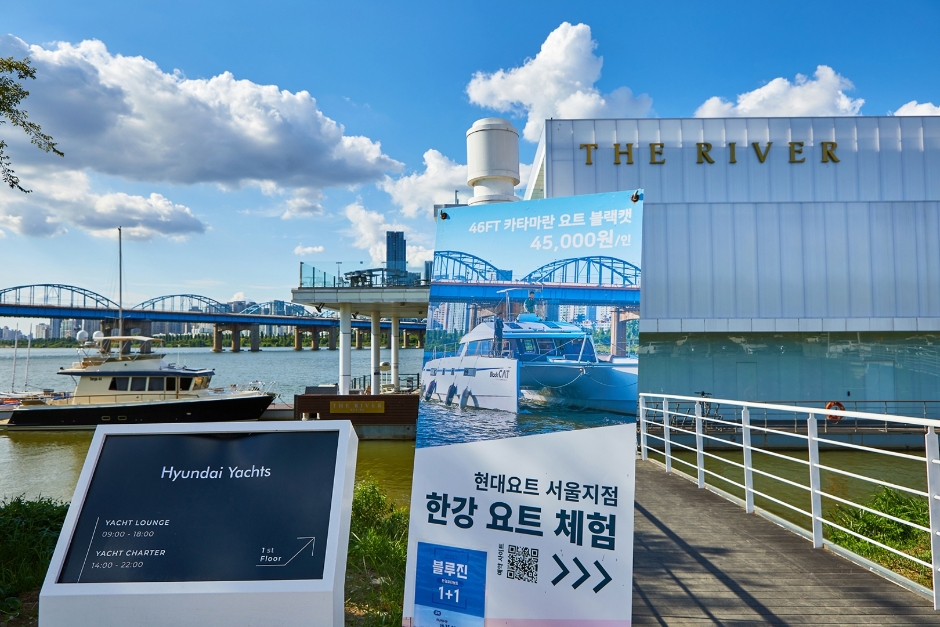
Hyundai Yacht Seoul Branch is where visitors can enjoy water sports such as yachting, dinghy yachts (small sail yachts for one to three people without engines and cabins), and kayaking on the Hangang River. It is located in “The River” in Banpo Hangang Park. Luxury yachts, named Black Cat and Blue Jin, are popular with families, while those who enjoy thrilling activities prefer dinghy yachts and kayaks. Visitors can enjoy an incredible sunset on the water as the Hangang River and Seoul's cityscape create an amazing view.
Cheongdam Fashion Street (청담패션거리)
7.6Km 2022-09-06
Cheongdam-dong, Gangnam-gu, Seoul-si
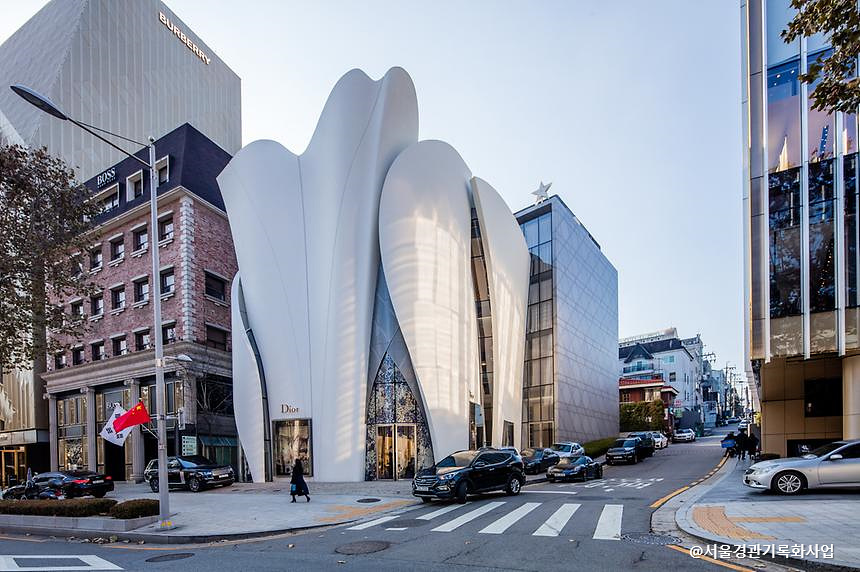
The street from the Cheongdam Station intersection to Galleria Department Store is lined with luxury brand stores and dubbed as “Cheongdam Fashion Street." Often frequented by celebrities, the area became a popular tourist destination for hallyu fans. Inside the alleys are famous restaurants, and with art galleries and boutiques popping up within the area, the street has gained a reputation as a cultural shopping street.
Oganacell Dermatology Clinic (오가나셀피부과의원)
7.6Km 2025-10-23
(2nd Floor, Building A, Cheongdam Square), 420 Dosan-daero, Gangnam-gu, Seoul
Oganacell Dermatology Clinic provides 1:1 personalized skin revision.
Oganacell Dermatology Clinic aims for ‘skin revision’ for ideal skin conditions that naturally become healthy from their root, rather than temporal improvement with simple cosmetic procedures.
Our dermatologists are skilled specialists who have been studying skin for over 10 years. With their treatment experience and know-how, they perform treatments suitable for each customer's skin condition, ensuring high reliability and satisfaction.
We have premium laser equipment supporting the sophisticated technology of Oganacell specialists.
Our dermatologists prescribe the most necessary treatment for each individual after diagnosing the skin, and provide customized and specialized medical services using high-spec & high-performance premium equipment.
Youngchive Seongsu (영카이브 성수점)
7.6Km 2025-11-06
1F, 32 Seongsui-ro 18-gil, Seongdong-gu, Seoul
◎ Travel information to meet Hallyu’s charm
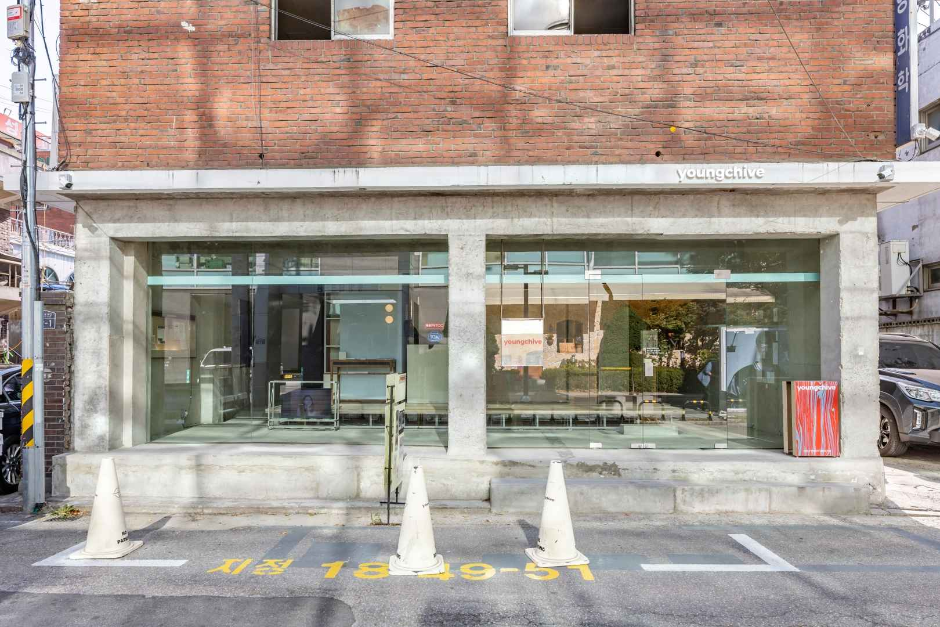
Youngchive Seongsu is the self-photo studio where Red Velvet’s Seulgi took photos with the staff while filming her vlog. It is known for its warm color tones, which set it apart from other self-photo studios. The Seongsu branch offers unique booths, such as the “still room” and “denim room,” which aren’t available at other locations, making it a must-visit spot.
Conrad Seoul (콘래드 서울)
7.6Km 2025-01-07
10, Gukjegeumyung-ro, Yeongdeungpo-gu, Seoul
The five-star Conrad Seoul, selected as one of the ‘Best New Hotels’ by Conde Nast Traveler, a world-renowned travel magazine, offers the top-class service and
for the best customer experience. Strategically located in a core business district of Yeouido, Conrad Seoul is one of the four pillar buildings of
the IFC (International Finance Center) Seoul. The building is directly accessible underground from Yeouido Subway Station.
Conrad Seoul has 434 guest rooms with an open, refreshing atmosphere, picturesque views, and
are equipped with Apple digital devices. The hotel also houses a Grand Ballroom, restaurants which offer diverse gourmet cuisines and
a top-notch wellness center.
Football Faentasium (풋볼 팬타지움)
7.6Km 2022-09-13
240, World Cup-ro, Mapo-gu, Seoul
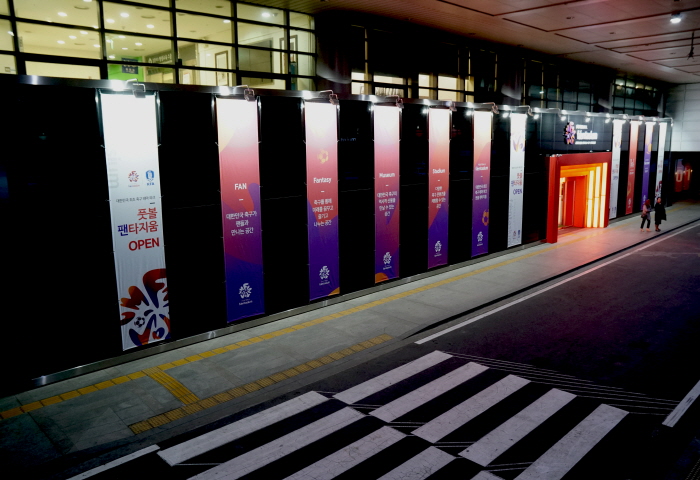
Football Faentasium is the first soccer-themed experience museum in Korea, founded by the Korea Football Association. The museum uses the lastest in IT for exciting displays, experiences, educational lessons, and more for a facility more like a theme park than a museum. The name comes from a mix of the words fan, fantasy, museum, and stadium.
 English
 한국어
한국어 日本語
日本語 中文(简体)
 Deutsch
 Français
 Español
 Русский


