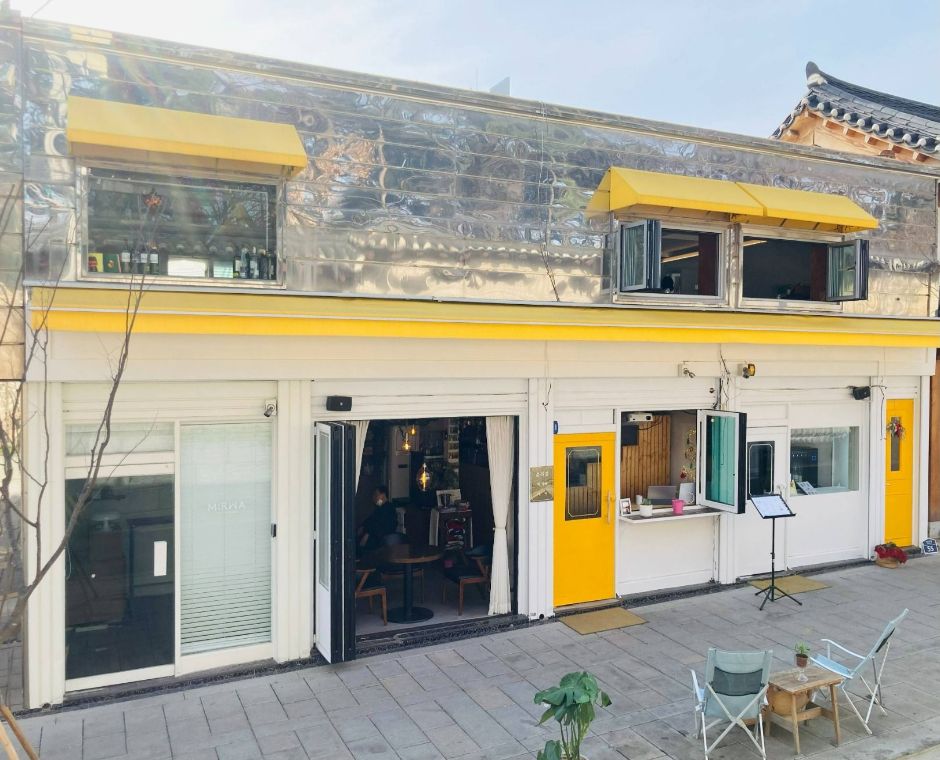
Sulla-gil Yeah Café & Bibi (순라길 예 & 비비)
1.2Km 2025-01-23
55 Seosulla-gil, Jongno-gu, Seoul
Situated in Sulla-gil, the Sulla-gil Yeah Café & Bibi is a roaster café where each bean is handpicked. It also offers a range of wine selections. The café is a perfect place to relax after exploring downtown Seoul. The cozy atmosphere of the café with the added charm of the stone wall visible from café, makes visitors feel at ease and relaxed. The evenings here turn into a music and movie session, adding a lively atmosphere to the space.
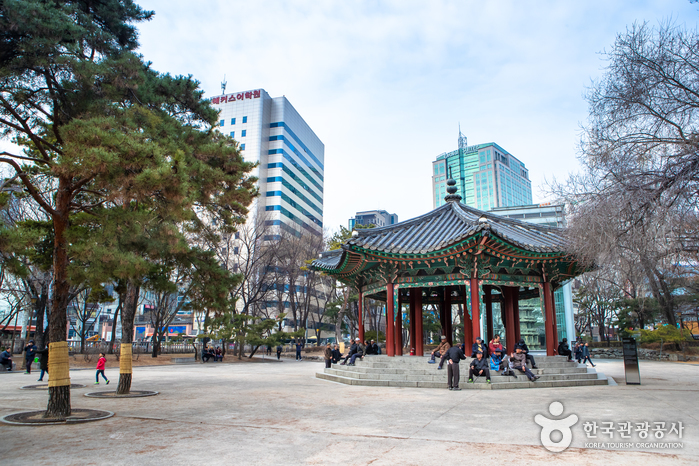
Tapgol Park (탑골공원)
1.2Km 2024-03-04
99, Jong-ro, Jongno-gu, Seoul
Tapgol Park is the first modern park in Seoul. Having been the site of the Buddhist temple of Wongaksa Temple since 1467, the land was turned into a park in 1897. The park has a significant presence in Korean history, being the place where the March 1 Independence Movement began in 1919. One can find historical sites that hearken back to the struggle, such as the Palgakjeong Pavilion, the center of the movement; cultural heritage sites such as the Ten-story Stone Pagoda of Wongaksa Temple Site and the Stele for the Construction of Daewongaksa Temple at Wongaksa Temple Site; and monuments such as the independence movement relief plate, murals, the statue of Son Byeong-hee, and the statue of Han Yong-un.
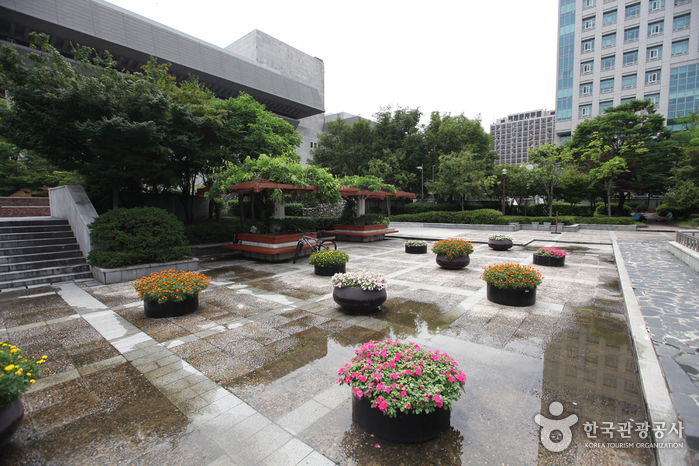
Sejong-ro Park (세종로공원)
1.2Km 2022-08-31
jiha 189, Sejong-daero, Jongno-gu, Seoul
Sejong-ro Park is located next to Sejong Center for the Performing Arts in central Seoul. Inside the park, there are wooden benches and shaded areas where people can sit and relax. Also available are water fountains, a round outdoor stage, and various sculptures. The lunch crowd from the nearby office buildings often come to the park during weekdays. On the weekends, the park is also used as a venue for outdoor weddings.
Seoul's anthem and the poem "Bulnori" by Ju Yo-han are written on a memorial stone that can be found inside the park.
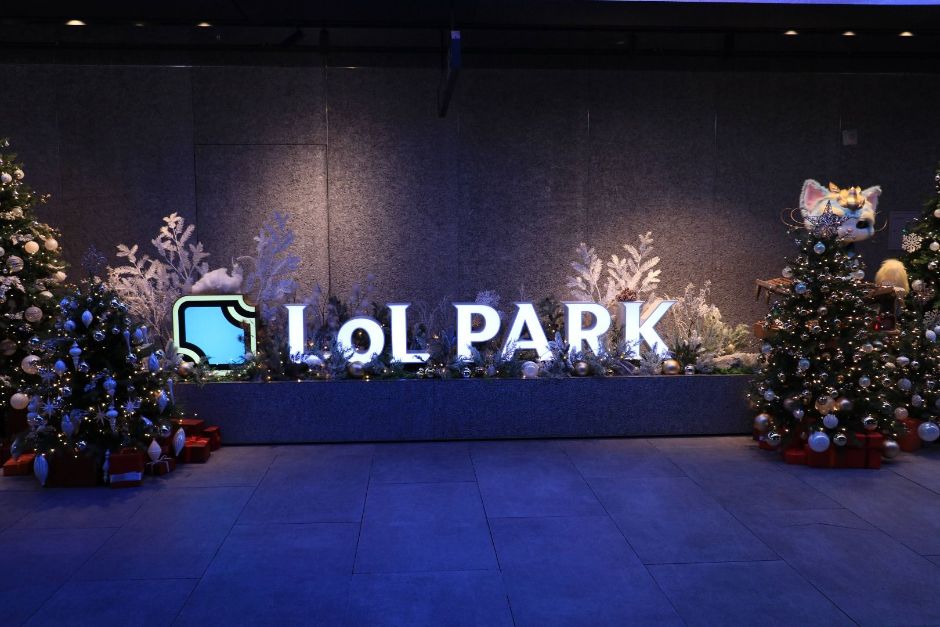
LoL Park (롤파크)
1.2Km 2025-11-04
33 Jong-ro, Jongno-gu, Seoul
Lol Park is the venue where the largest-scale League of Legends competition in South Korea, LCK (League of Legends Champions Korea), is held. It serves as a space for various esports events and activities, featuring spectator seating, LCK Arena (lounge), Riot Store (merchandise shop), PC rooms, and café.
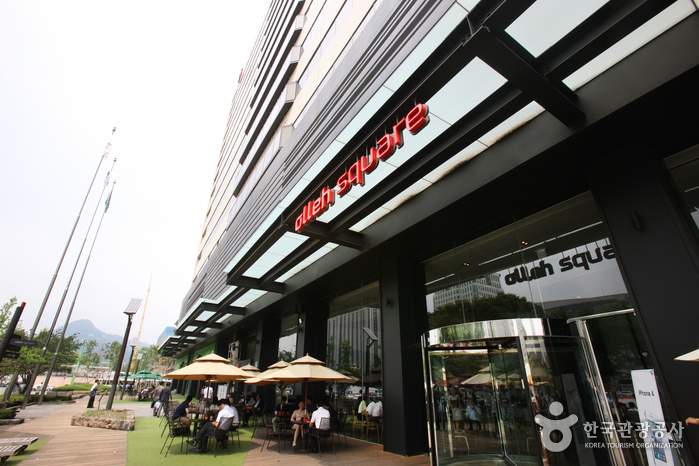
KT Square (KT스퀘어)
1.2Km 2021-07-08
178, Sejong-daero, Jongno-gu, Seoul
KT Square is a multi-complex that offers various cultural performances as well as hands-on experiences of the latest in IT technology. Gallery 130 showcases the history of KT Corp.
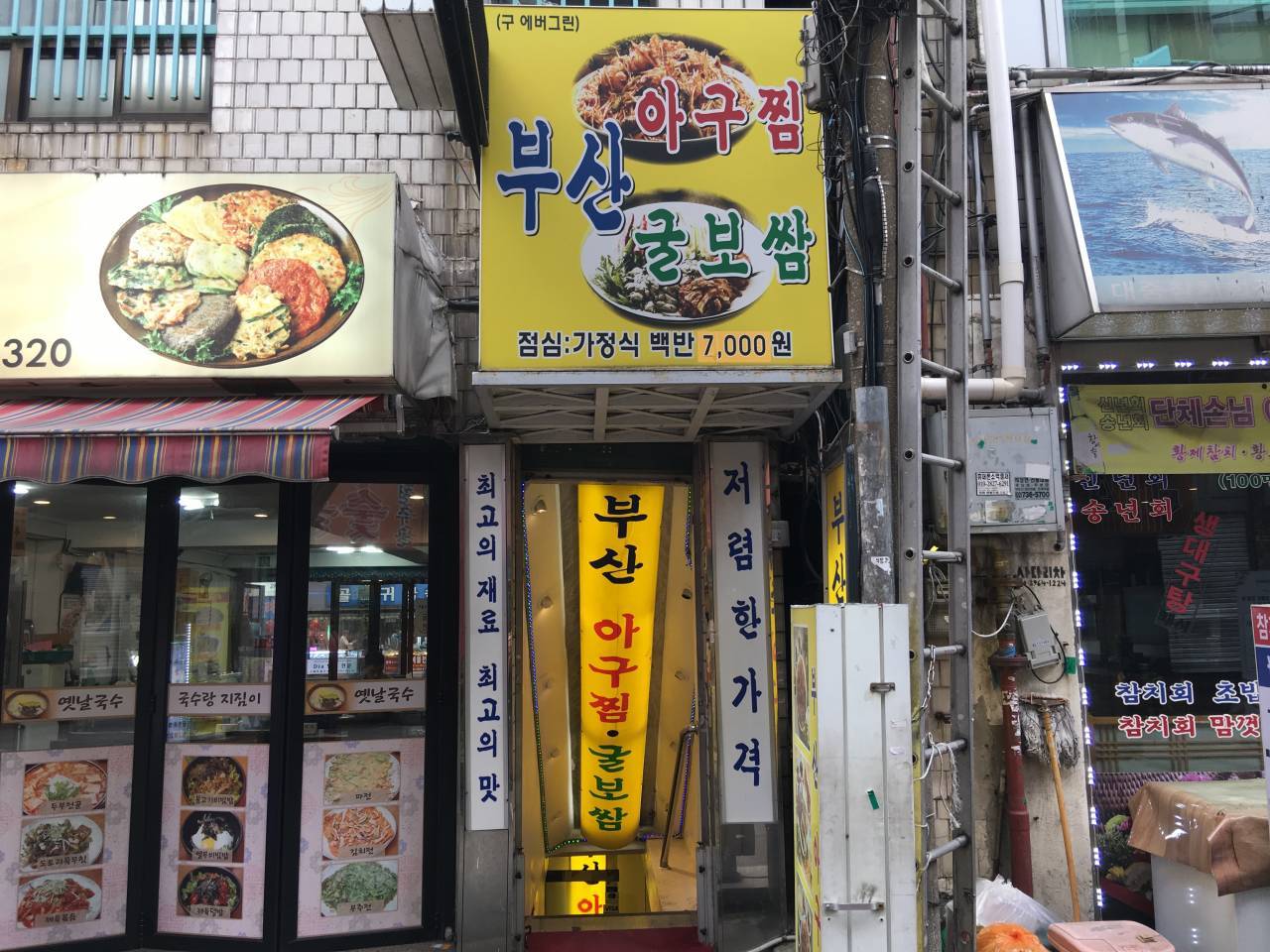
Busan Agujjim Gulbossam (부산아구찜굴보쌈)
1.2Km 2024-10-15
서울특별시 종로구 돈화문로 35
This is a Korean cuisine located in Jongno, Seoul. The best menu at this restaurant is spicy braised monkfish. Stewed monkfish is a spicy seafood dish made of fish and vegetables.
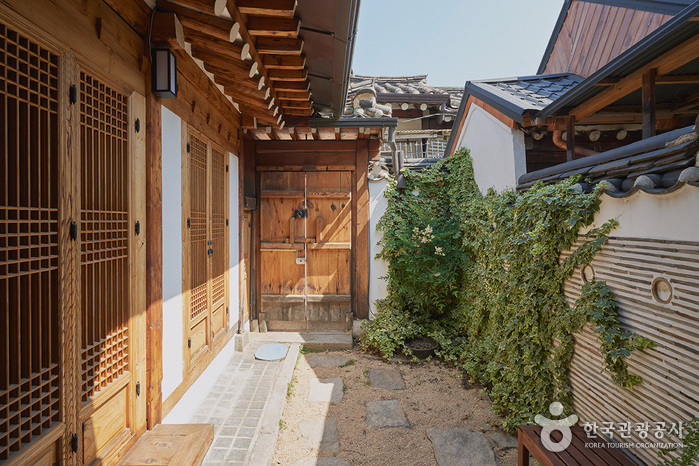
Haeunjae (하은재)
1.2Km 2024-12-23
68-10 , Jahamun-ro, Jongno-gu, Seoul
Ha Eunjae is a private hanok stay in Seochon Village, just west of Gyeongbokgung Palace in Seoul. The accommodation comprises a bedroom with queen-size bed, a kitchen, a movie room, and two bathrooms. The movie room is fitted out with a Bose sound system, a beam projector, and a large screen, with a movable footbath as a bonus. The kitchen is equipped for simple cooking. Guests staying 2 nights or more during the week receive a 10% discount, and towel replacement and cleaning services are provided for stays of 3 nights or more. Ha Eunjae is close to major tourist attractions such as Gyeongbokgung Palace and Samcheong-dong.
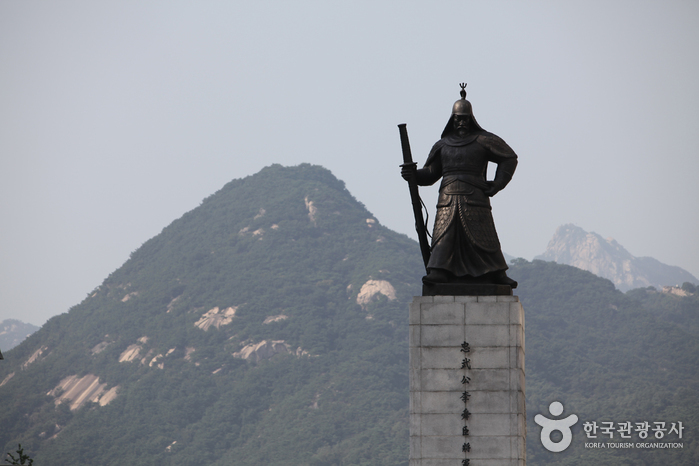
Statue of Admiral Yi Sun-Shin (충무공 이순신 동상)
1.2Km 2024-03-04
175, Sejong-daero, Jongno-gu, Seoul
The Statue of Admiral Yi Sun-Shin can be found at Gwanghwamun Square in Seoul. Admiral Yi Sun-shin (1545-1598) was a naval commander who served during the Japanese invasion of Korea (also known as Imjin War: 1592-1598). The undefeated admiral achieved 23 victories against the Japanese navy using innovative tactics, and he is thus considered as one of the greatest generals in the history of Korea. Admiral Yi’s likeness can be found on the 100 won coin.
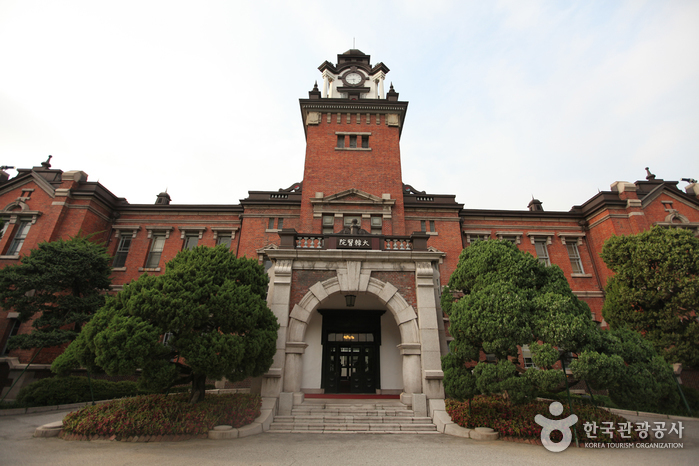
The Museum of Medicine (서울대학교병원의학박물관)
1.2Km 2024-03-18
101 Daehak-ro, Jongno-gu, Seoul
The Museum of Medicine is located in the building of the former Daehan Medical Center, the oldest modern hospital in Korea. It is a medical museum that provides a comprehensive view of the development of modern medicine in Korea, the history of medical devices, and the transformation of Seoul National University Hospital. Through permanent and special exhibitions, the museum showcases medical artifacts and documents related to the history of medicine.
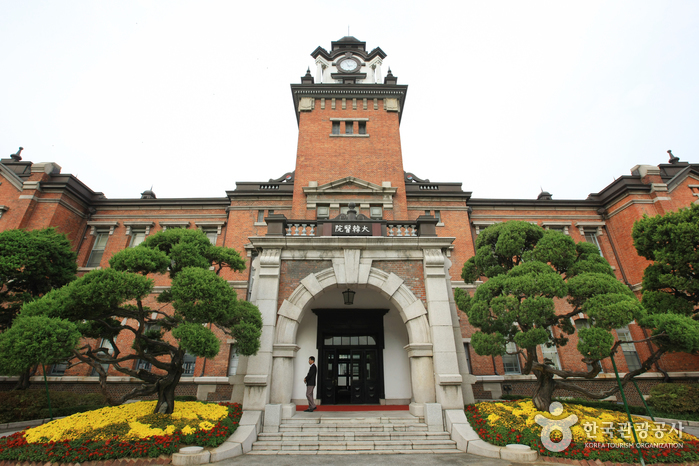
Seoul Daehan Hospital (서울 대한의원)
1.2Km 2021-12-23
101, Daehak-ro, Jongno-gu, Seoul
Daehanuiwon (Daehan Medical Center) is an antique two-story brick building within the grounds of Seoul National University Hospital. It was established under the direct administration of the Uijeongbu (State Council), combining the Gwangjewon (under the Home Ministry), Gyeongseong Medical School and the Korean Red Cross Hospital (under the Royal Household).
Built in the Madubong Hill area, this location where Hamchunwon, the outer garden of Changgyeonggung Palace, once stood in 1484 (15th year of King Seongjong), was also once the site of Gyeongmogung Palace, where King Jeongjo enshrined the mortuary tablet of his birth father Crown Prince Sado Seja in 1776 (the year King Jeongjo ascended to the throne).
These places that held importance for the royal family were destroyed as the Japanese built Gyeongseong Empire University in its place. In 1907, with the announcement of the plan to establish Daehan Medical Center, construction began on the main building, seven wards and affiliated buildings. Construction was completed in November 1908.
The Daehan Medical Center opened in Gwangjewon, but upon Japanese colonization in 1910, its name was changed to the Japanese Viceroyalty Hospital. In 1926, it was included as a part of Gyeongseongjeguk University to become a university hospital. Since the liberation of Korea in 1945, it has been a hospital affiliated with Seoul National University.
 English
 한국어
한국어 日本語
日本語 中文(简体)
 Deutsch
 Français
 Español
 Русский


