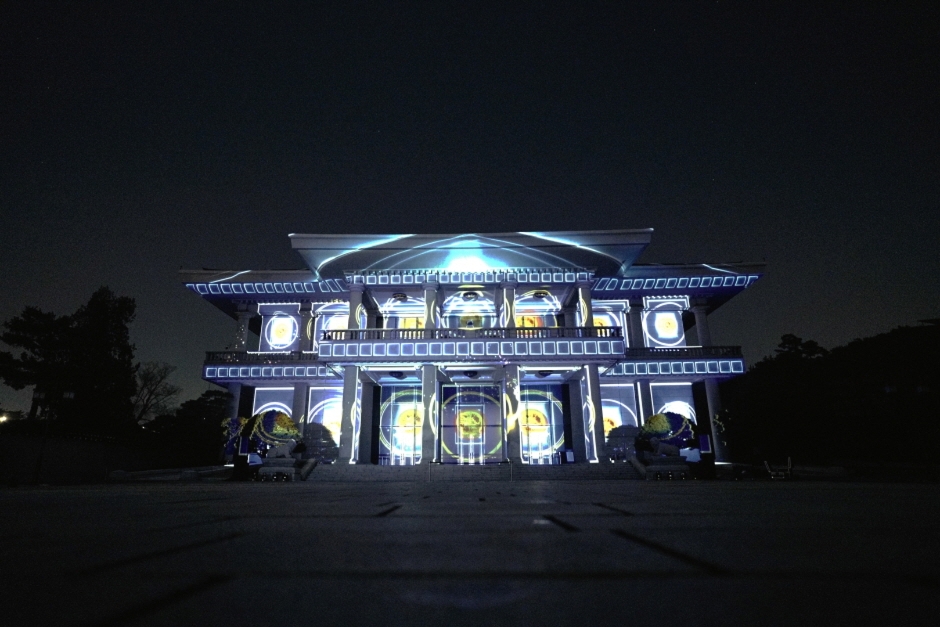
Cheong Wa Dae Media Display (청와대 국민과 함께 영상전시)
1.5Km 2025-08-20
1 Cheongwadae-ro, Jongno-gu, Seoul
박주원 학예연구사 02-3771-8636
Cheong Wa Dae Media Display brightens the night through a media facade display on Yeongbingwan Hall. The display shows the history of Cheong Wa Dae through the theme "Twelve Lights".
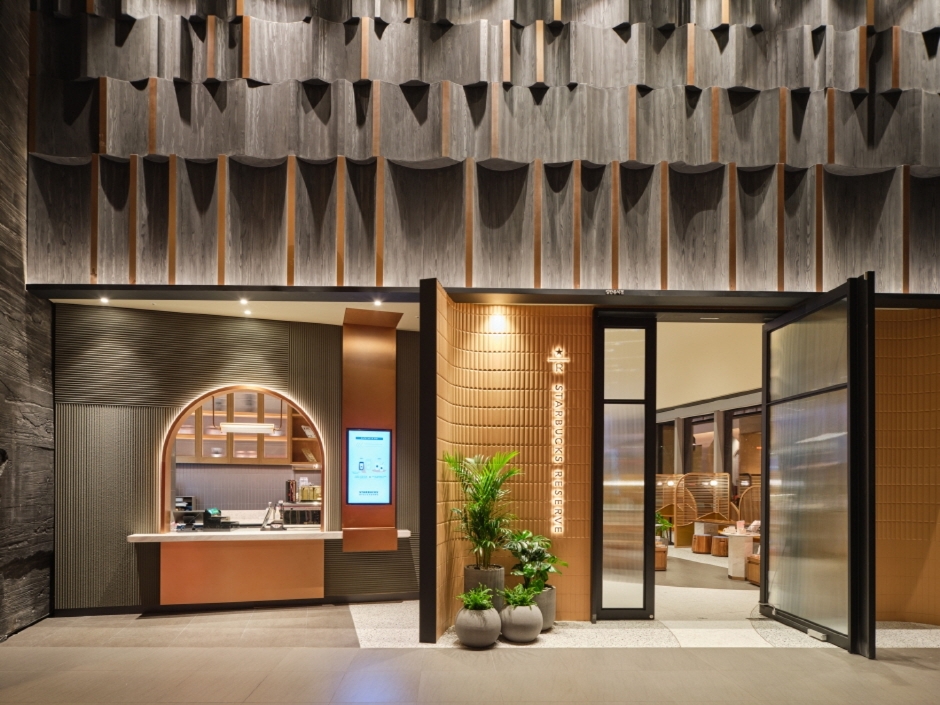
Starbucks Byuldabang (스타벅스 별다방)
1.5Km 2024-12-27
100 Toegye-ro, Jung-gu, Seoul
Byuldabang is a cozy space in the city, where the present and future of Starbucks coexist
Byuldabang is a special name. It combines the Korean words byul, which means stars, and dabang, which means a traditional space where people gather and talk over tea or drink. Byuldabang is the nickname Koreans generally use for Starbucks. Starbucks Byuldabang store opened in appreciation of customers of Starbucks Korea, celebrating its 22nd anniversary. This particular store is a Starbucks Reserve store with new concept food items, and is the first among Starbucks stores worldwide to have digital art wall decorations. The images projected to the art wall are “The Journey of Siren.” It is a surreal journey of Siren, who delivers coffee messages around the ocean, day and night. Customers love the story.
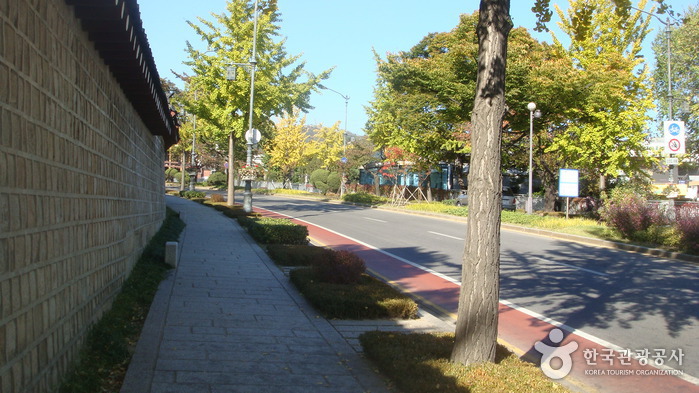
The Street in front of Cheongwadae (The Blue House) (청와대 앞길)
1.5Km 2025-08-20
Gungjeong-dong, Jongno-gu, Seoul
The street in front of Cheongwadae (the Blue House) is open to the public and includes both Hyoja Samgeori (Hyoja three-way intersection) in Hyoja-dong and Palpan Samgeori (Palpan three-way inetersection) in Palpan-dong. When walking along Hyoja-ro Road from Gyeongbokgung Station, sights include a fountain, Mugunghwa Garden, Yeonmugwan Hall, and Daegogak & Yeongbingwan Hall.
Cheongwadae Sarangchae consists of one basement level and two above-ground levels, including Korean Culture Exhibition Hall, Planned Exhibition Hall, a gift shop, and rest area (Korean Food Promotion Hall, Café) on the first floor and Cheongwadae Hall and Haengboknuri Hall on the second floor. Daegogak Hall houses a book donated to former president, Kim Young-sam for expressing the past spirit of Sinmungo (Petitioner's drum from Korean History). Yeonmugwan Hall is a martial art and fitness center for guards. Mugunghwa Dongsan, formed after the ansa (Safe House) was demolished in 1993, includes a well, mock fortress, and rest area. Located behind Mugunghwa Dongsan is Apostolic Nunciature in Korea and Chilgung (Seven Palaces).
At the beginning of the street in front of Cheongwadae, dense trees and beautiful flower gardens decorating both sides of the road make it a nice place for taking a walk. The area from the north gate of Gyeongbokgung Palace, Chunchumun, to the main gate of Gyeongbokgung Palace, Geonchunmun, is Samcheongdong-gil Road. This road is home to many art galleries, including Kukje Gallery, Growrich Gallery, Gallery Hyundai, and Jin Art gallery, in the area of Hyoja-ro.
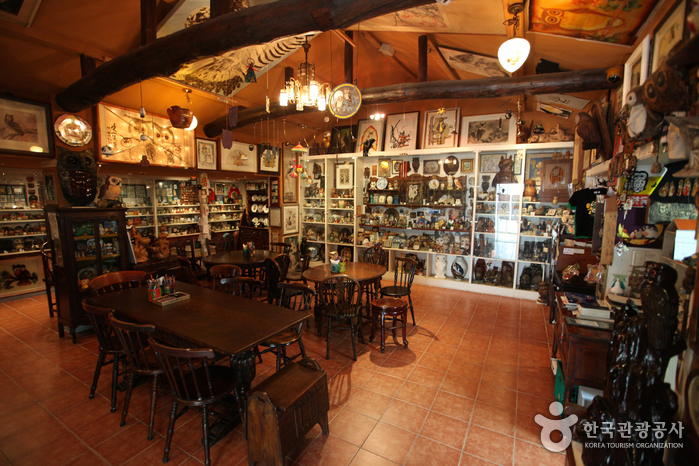
Owl Museum (부엉이박물관)
1.5Km 2022-09-19
143, Bukchon-ro, Jongno-gu, Seoul
The Owl Museum is filled with over 2,000 pieces of owl-themed arts and crafts collected from all over the world by the owner. Renovated from a house, the museum has a feel of an antique café as the owner offers a cup of coffee or tea to visitors. Located near the city, those interested in owls should stop for a view and a drink. Various stories of how the collection was gathered as well as information on owls are also interesting.
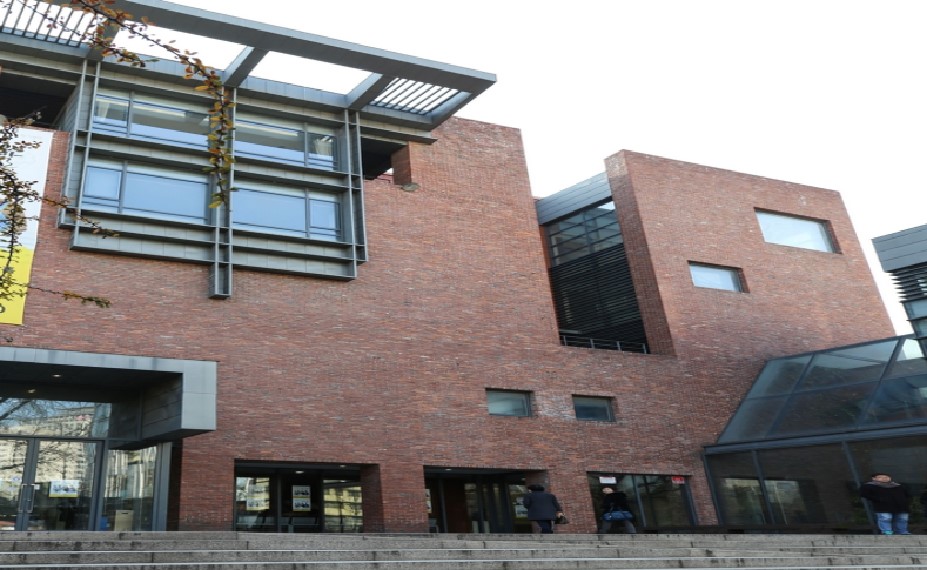
Ewha Centennial Hall (이화여고100주년기념관)
1.5Km 2024-02-20
26 Jeongdong-gil, Jung-gu, Seoul
Ewha Centennial Hall is a multimedia education center located next to Ewha Girls' High School. Spanning underground and five above-ground floors, it features a gallery, a cafe, music rooms, individual practice rooms, and audio-visual rooms. The Hwaham Hall on the first and second floors is utilized for performances such as musicals and concerts, as well as educational events.
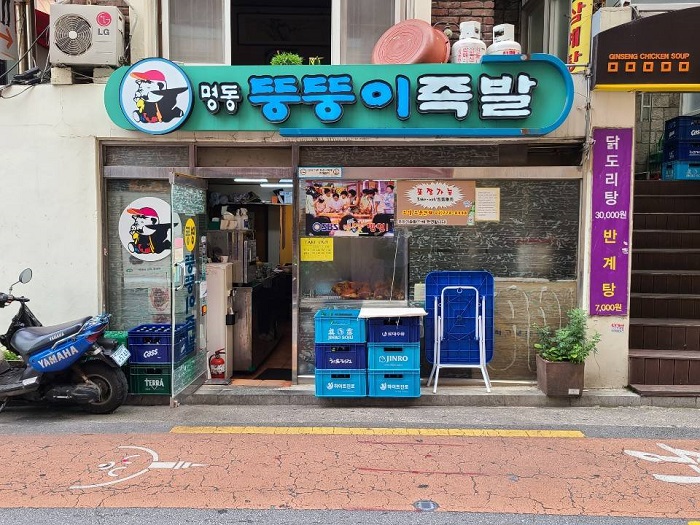
Myeong-dong Ttungttungi Jokbal (명동뚱뚱이족발)
1.5Km 2024-10-15
9, Toegye-ro, 20-gil, Jung-gu, Seoul
One of the old restaurants in Myeong-dong featured in Korean gourmet programs. This Korean dishes restaurant is located in Jung-gu, Seoul. The most famous menu is braised pigs' feet.

Gyeonghuigung Palace (경희궁)
1.5Km 2024-07-09
45 Saemunan-ro, Jongno-gu, Seoul
Gyeonghuigung Palace, a designated Historic Site, was originally called the large palace by Saemun Gate, or the Western Palace, for its location within the city. It was not until the eighth year of Gwanghaegun (1616) that the palace was used as a royal residence for the king, changing the name to Gyeongdeokgung Palace. The name later changed again to the current Gyeonghuigung Palace in 1760. The palace grounds included many halls but they were mostly all burned down in a fire in 1829. After the Japanese occupation began, all remaining buildings on the site were torn down and the palace grounds were turned into Gyeongseong Middle School (now Seoul High School). The school moved to Gangnam area in 1987, afterwhich the previous location was turned into a park. The palace grounds currently hold Seoul Museum of Art and walking paths, as well as a restoration of Heunghwamun Gate, the main gate of the palace, and Sungjeongjeon Hall, the main hall, completed in November 1994.
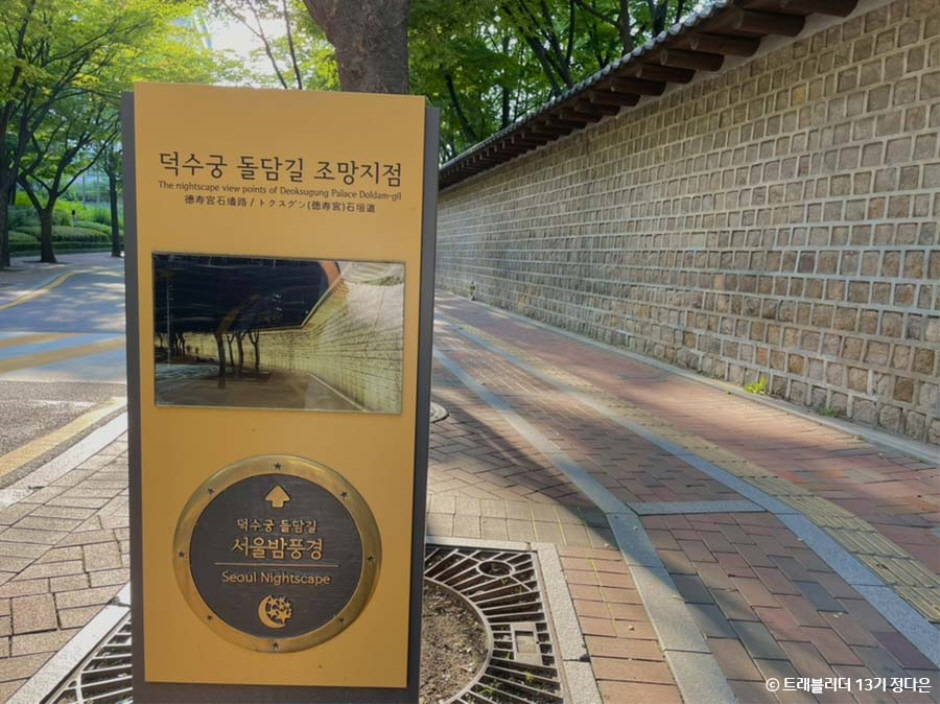
Jeongdong-gil Road (정동길)
1.6Km 2024-06-19
2-1 Jeongdong-gil, Jung-gu, Seoul
Jeongdong-gil Road is one of Seoul's most famous walking paths, stretching from the intersection in front of Jeongdong Church to Saemunan-gil Road. The street holds importance in Korea's modern history, with the surroundings serving as a living museum of this. During the Joseon dynasty, the area developed into a residental space for distant members of the royal family, with a palace and royal tombs in the area. In 1999, the pedestrian walking area was expanded by turning the two-way road into a one-way road. Since then, the road has earned many awards and honors.
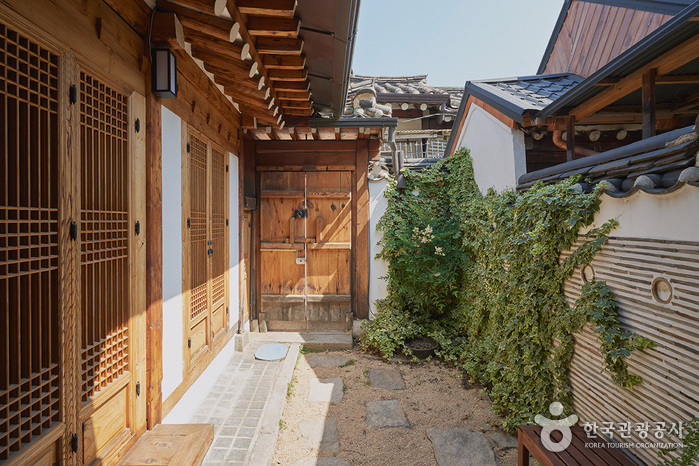
Haeunjae (하은재)
1.6Km 2024-12-23
68-10 , Jahamun-ro, Jongno-gu, Seoul
Ha Eunjae is a private hanok stay in Seochon Village, just west of Gyeongbokgung Palace in Seoul. The accommodation comprises a bedroom with queen-size bed, a kitchen, a movie room, and two bathrooms. The movie room is fitted out with a Bose sound system, a beam projector, and a large screen, with a movable footbath as a bonus. The kitchen is equipped for simple cooking. Guests staying 2 nights or more during the week receive a 10% discount, and towel replacement and cleaning services are provided for stays of 3 nights or more. Ha Eunjae is close to major tourist attractions such as Gyeongbokgung Palace and Samcheong-dong.
Hanok Guesthouse Dongchonchae (한옥 게스트하우스 동촌재)
1.6Km 2024-12-23
21-10 , Jahamun-ro 11-gil, Jongno-gu, Seoul
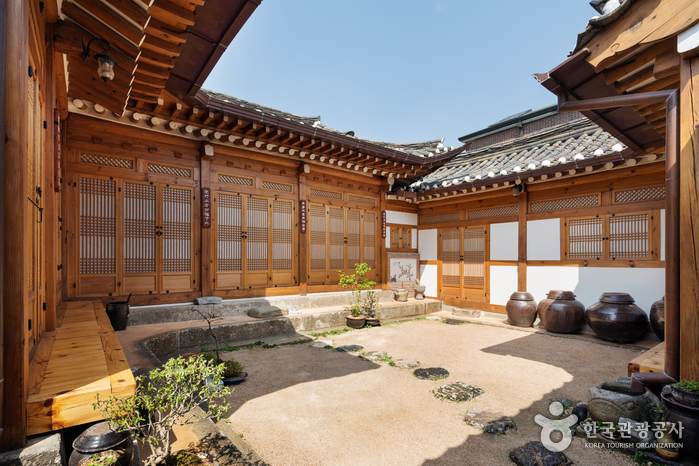
Dongchonjae is a hanok guesthouse in Seochon, Jongno, Seoul. The the Anchae(women's quarters) consists of four sleeping rooms and a cheongmaru lounge space, plus kitchen and toilet. (There are also shared toilets in the yard.) Cooking is not allowed, but guests are welcome to bring in prepared food. A free breakfast is provided. Guests can watch movies in the yard or main hall, and can use the refrigerator and washing machine. A guided night tour of Seoul City Wall is offered, as is a tea ceremony, and rice-cake making experience.
 English
 한국어
한국어 日本語
日本語 中文(简体)
 Deutsch
 Français
 Español
 Русский


