Seonyudo Park (선유도공원)
8.1Km 2025-10-27
343 Seonyu-ro, Yeongdeungpo-gu, Seoul
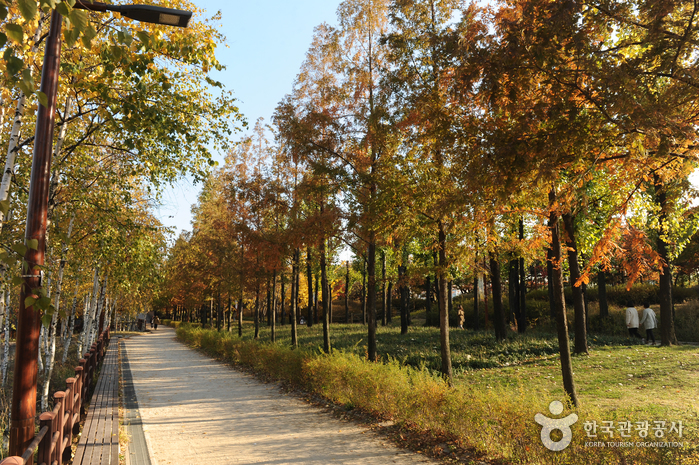
Seonyudo Park is Korea's first water-themed ecological park. The park was renewed from an old water treatment plant. Visitors can observe a water purification system, an aquatic plant garden, and an ecological forest, as well as exhibitions and other interesting facilities. The park also hosts diverse hands-on programs and exhibitions.

HERSHE Plastic Surgery (허쉬성형외과의원)
8.2Km 2025-10-23
2nd-4th Floors, 730 Samseong-ro, Cheongdam-dong, Gangnam-gu, Seoul
HERSHE Plastic Surgery is a plastic surgery hospital specialized in anti-aging surgery, that has skilled and dedicated medical professionals in each field of anti-aging surgery. Our medical team consists of experienced and certified plastic surgeons who strive for stable and natural results. Located in Cheongdam-dong, the heart of beauty, fashion, and entertainment industries in Gangnam, we have been visited by customers from 51 countries, making us a recipient of the Korean Health Industry Award five times and the Minister of Health and Welfare Award. We also have received the Foreign Patient Service Provider in Gangnam Award twice and received the Contribution Award in the Medical Tourism Industry.
YOU&I Clinic Kundae (유앤아이의원 건대점)
8.2Km 2025-11-24
2nd Floor, 219 Achasan-ro, Gwangjin-gu, Seoul
YOU&I Clinic is a trusted dermatology and aesthetic clinic with extensive experience and expertise accumulated since 2006.
At YOU&I Clinic, we are committed to using authentic products, providing precise and honest treatments, and offering personalized services tailored to each individual’s needs.
We welcome clients not only from Korea but also from Japan, China, and Thailand, and offer Japanese and Chinese interpretation services. All foreign clients receive treatments at the same prices as Korean clients.
YOU&I Clinic specializes in lifting, petite procedures, and skin boosters, as well as a wide range of aesthetic skin treatments. We also provide thorough aftercare to ensure the highest level of satisfaction for every client.
Sunset Leisure 435 (썬셋레저 435)
8.2Km 2023-07-04
서울특별시 마포구 망원동 205-5
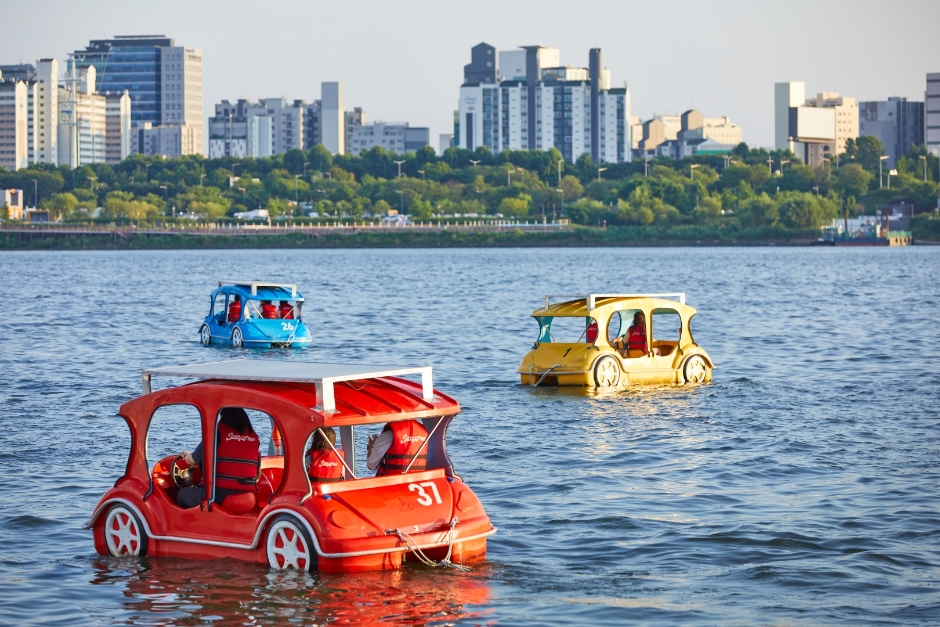
Mangwon Hangang Park is famous for its amenities, and what better than the iconic duck boat to get the most out of Hangang River? Hangang River is a wide river ranging up to 1 - 2km in x_width, so go for a joyride with duck boats on the river. One can also opt for electric boats for a more comfortable experience, depending on one’s preferences and the group size. Duck boats are particularly popular on the weekends and holidays, so it is recommended to place reservations before heading there.
Q Spa & Clinic (큐스파앤클리닉)
8.2Km 2025-01-10
8 Samseong-ro 133-gil, Gangnam-gu, Seoul-si
Q Spa & Clinic has clinical and spa programs managed by expert staff certified in cosmetology and trained to handle the state-of-the-art equipment and facilities.
Nana Plastic Surgery (나나성형외과의원)
8.2Km 2025-10-23
(2nd-10th and 12th-13th Floors, HM Tower), 492 Gamnam-daero, Gangnam-gu, Seoul
Nana Plastic Surgery Center provides one-on-one care that takes into account individual characteristics.
We boast a system that makes patients feel at ease. For example, we have surveillance cameras in the operating room, a system where doctors are responsible for safe surgery with their real names, and a resident anesthesiologist.
We have specialized doctors in each field (eye/nose/breast/facial contouring cosmetic surgeries, cosmetic surgery for men, skin lifting, body contouring surgery, non-invasive procedures, collaboration with otolaryngologists, breast examination, etc.). They treat patients with great care and always strive for satisfactory results.
WOOA Plastic Surgery (우아성형외과의원)
8.2Km 2025-11-26
492 Gangnam-daero, Gangnam-gu, Seoul
WOOA Plastic Surgery was formerly Regen Plastic Surgery and Dermatology in Apgujeong. It is run according to the treatment philosophy of Director Woo-jung Kim, the founder of Regen Plastic Surgery who earned a doctorate in plastic surgery at Seoul National University.
WOOA Plastic Surgery is a global comprehensive beauty brand encompassing plastic surgery, dermatology, and cosmetics, with the vision of providing responsible medical services and realizing elegant beauty for each patient.
The clinic is committed to ceaseless research with the goal of becoming a leading medical institution that produces leaders to drive medical developments in Korea. It aims to become a global comprehensive beauty brand, with employees who all prioritize customers' safety and rapid recovery.
Sejong University Museum (세종대학교 박물관)
8.2Km 2022-09-16
209, Neungdong-ro, Gwangjin-gu, Seoul
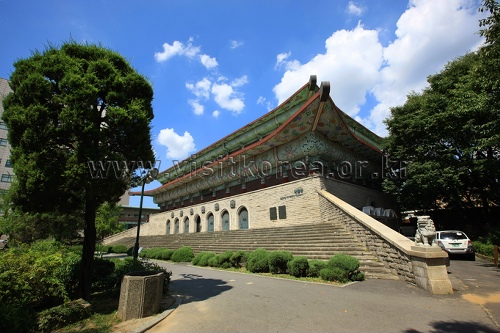
Sejong University Museum exhibits folk art, wooden crafts, clothing, accessories, pottery, paintings and calligraphy collected for over 40 years by the couple who founded the present day Sejong University, Dr. Ju Young-ha and Dr. Choi Ok-ja. This museum has its origins in the Soodo Gallery, which was built in Chungmuro, the campus’ original location, in 1959. Needing more space to house additional artifacts, the museum moved to its current location, which first opened on May 5, 1973 in a four-story concrete building inspired by traditonal tower design from the Baekje era. This building was later expanded on May 20, 1977.
After the university’s name was changed to Sejong University in 1979, the museum was also renamed the Sejong University Museum. The museum showcases unique artifacts to both scholars and students from home and abroad in contribution to the research of Korea’s culture, arts, and archeology.

Sky Pizza (스카이피자)
8.3Km 2025-11-05
86, Noryangjin-ro 6-gil, Dongjak-gu, Seoul
K-movie <PARASITE> - Real pizza store in the movie
It is a real pizza store that appears in the movie 'Pizza Age'. Kitaek's (played by Song Kangho) family has a side job folding pizza boxes here. It also appears as a place where family members gather to conspire to kick out President Park's butler. Although it is a pizza store located in a quiet residential area, it is famous for the movie 'PARASITE' and is visited by ‘PARASITE’ fans from all over the world. There is a picture of the president and director Bong Joonho on the inside wall.
1stbutton Rhinoplasty clinic (첫단추의원)
8.3Km 2025-10-23
(12th Floor, Cheongho Building), 483 Gangnam-daero, Seocho-gu, Seoul
1stbutton Rhinoplasty clinic meets all of our patients' expectations in terms of both functionality and aesthetics. Dr. Kim Tae-hwan, an otolaryngologist with over 20 years of experience, treats patients directly and makes every effort to provide the best results. Dr. Kim specializes not only in cosmetic nose surgery but also in treating diverse functional problems related to nose, and which allows him to provide customized treatment according to each patient’s needs. Please visit and experience a safe and satisfactory cosmetic nose surgery at our clinic? We will continue to do our best to improve your confidence.
 English
 한국어
한국어 日本語
日本語 中文(简体)
 Deutsch
 Français
 Español
 Русский


