
National Gugak Center (국립국악원)
10.8Km 2025-01-17
2364 Nambusunhwan-ro, Seocho-gu, Seoul
The National Gugak Center is the governing body established to preserve and promote traditional Korean performing arts. The center can accommodate every type of traditional performing arts, such as palace music, court music, and all other genres including major productions of changgeuk (Korean musical drama). Originally opened in Busan in 1951, the center moved to its current location in Seoul in 1987. The center also opened branch locations in Namwon, Jindo, and Busan in 1992, 2004, and 2008 respectively.
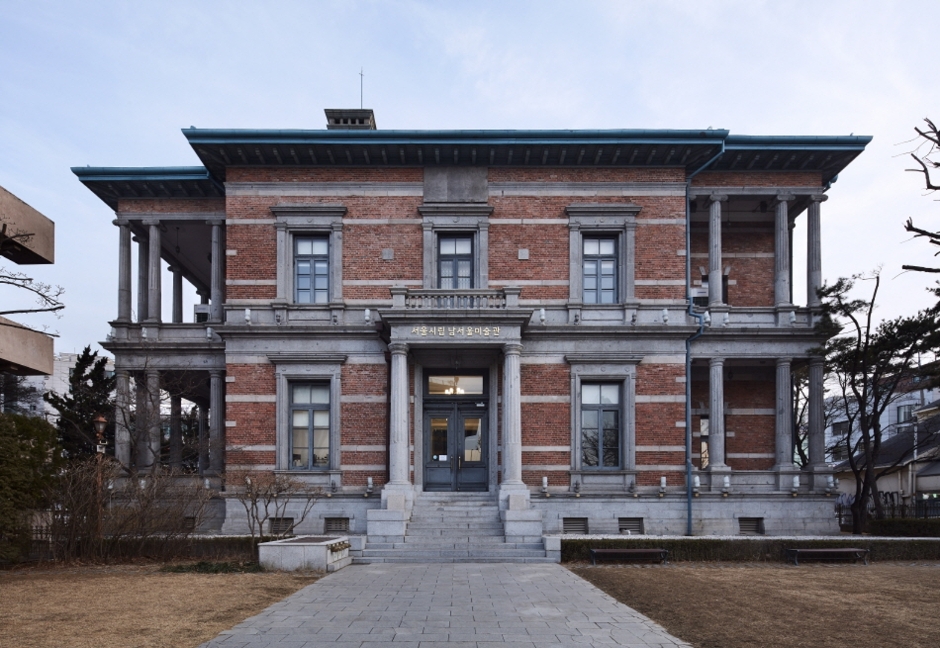
Nam-Seoul Museum of Art (SeMA) (서울시립미술관 남서울생활미술관)
10.8Km 2023-10-17
2076, Nambusunhwan-ro, Gwanak-gu, Seoul
+82-2-598-6246
The Nam-Seoul Museum of Art offers visitors a meaningful opportunity to linger beside the traces of history. The building previously served as the Belgian Consulate during the Korean Empire (1897-1910) and has since been designated as a historic Site. It was first constructed in Hoehyeon-dong in 1905 and was relocated to its current location in Namhyeon-dong in 1983. The museum hosts public programs tailored for audiences from various backgrounds in rooms arranged along both sides of a long corridor in the two-story building.
THE WELL SAEM HOSPITAL OF KOREAN MEDICINE (더웰샘한방병원)
10.8Km 2025-10-23
4th, 6th Floors, Hanil Plaza, 7 Namhyeon-gil (Namhyeon-dong), Gwanak-gu, Seoul
Integrative medicine, which links the strengths of Korea’s traditional medicine and Western medicine, is cutting-edge convergent medicine that provides optimal services for patients in most fields, except surgery and emergency medicine.
Traditional Korean treatments and modern medical treatments can deliver superior results compared to stand-alone therapies when applied in a patient-centered, multidisciplinary, and integrative manner. This is especially important for patients with intractable diseases such as cancer, severe chronic pain caused by aging and degenerative changes, and systemic symptoms resulting from recurrent inflammation and metabolic disorders. In such cases, integrative medicine represents a new paradigm that seeks not only physical health but also holistic recovery.
THE WELL SAEM HOSPITAL OF KOREAN MEDICINE pursues this integrative medicine, supporting patients’ faster recovery while also promoting the excellence of the Korean healthcare system worldwide, thereby aiming to create a pain-free, healthy world for all.

2025 APP WORLD TOUR SEOUL SUP OPEN
10.9Km 2025-06-25
65 Hangaram-ro, Songpa-gu, Seoul
+82-2-6677-1599
The APP World Tour is a global stand-up paddeboard(SUP) competition that has been held annually since 2010, traveling to major cities around the world including Spain and Portugal. In Korea, the event has been hosted since 2022 under the auspices of the Korea Association of Paddling Professionals(KAPP). The event is meant to gather everyone regardless of their skill or experience, from beginners to professionals. In addition to the competition, everyone can participate in the sides events such as Floating Yoga, Silent Yoga, Paddle for the Planet, Dog Yoga, K-pop and Afropop dance performances or simply come to watch the show!
Jamsil Hangang Park (잠실한강공원)
10.9Km 2024-03-13
65, Hangaram-ro, Songpa-gu, Seoul
+82-2-3780-0511
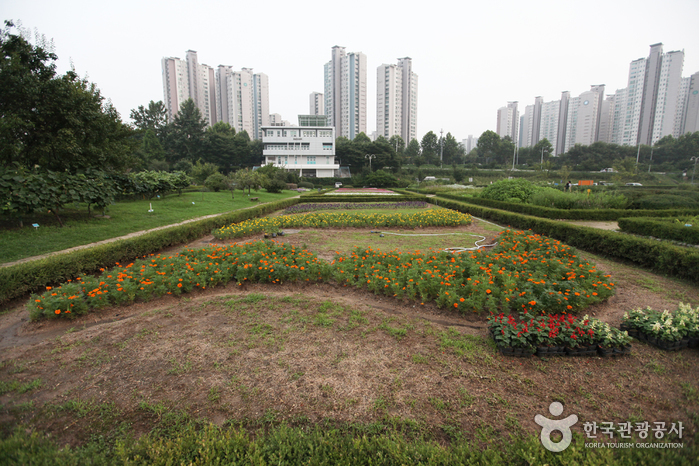
Jamsil Hangang Park is a leisure space along the Hangang River, conveniently located near Lotte World. It features facilities such as the Jamsil Hangang Swimming Pool and the Jamsil Natural Learning Center, where visitors can observe various aquatic plants and fish. Additionally, there are volleyball courts, children's playgrounds, and walking trails. Visitors can also enjoy the Hangang River's night view from the observation deck café installed on Jamsildaegyo Bridge. There are also designated areas like Jungkook Forest No. 3, created to commemorate the 24th birthday of BTS member Jungkook and RM Forest No. 1.
H+ Yangji Hospital (에이치플러스 양지병원)
11.0Km 2025-11-21
1636 Nambusunhwan-ro, Gwanak-gu, Seoul
We operate a one-stop medical service with 15 specialty centers and 21 departments, along with a 24-hour emergency room. As a certified training hospital for gastroenterology endoscopy specialists, we have been accredited as an Excellent Endoscopy Unit for three consecutive terms and are equipped with state-of-the-art endoscopy and liver-specialized systems.
Our world-renowned medical team, including SRC Master Surgeons (U.S.), provides efficient and safe personalized bariatric and metabolic surgeries. The Spine and Joint Center performs minimally invasive and minimal incision surgeries through close multidisciplinary collaboration.
We also operate Da Vinci robotic surgery and maintain a dedicated Department of Critical Care Medicine.
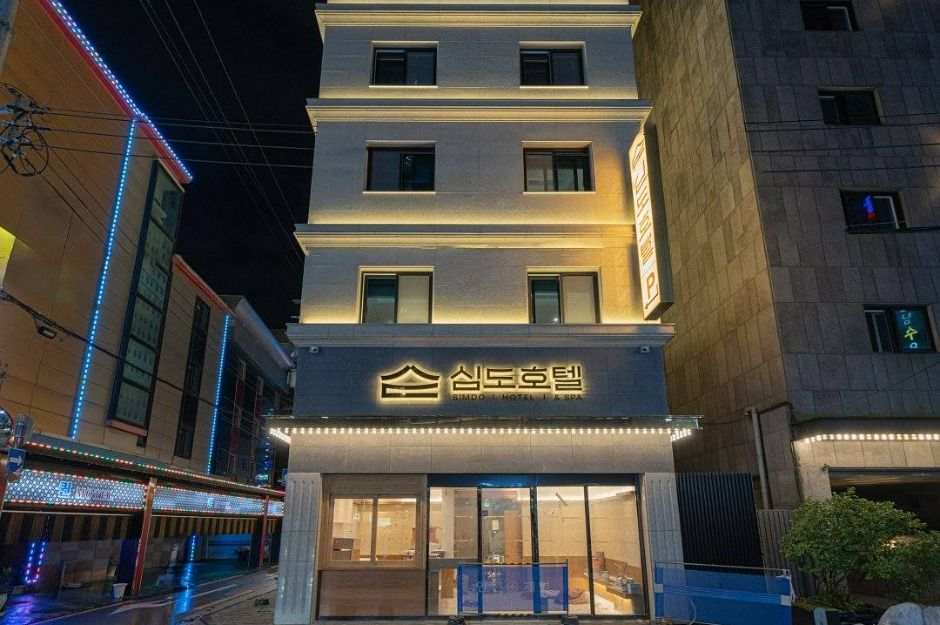
The Hyooshik Simdo Hotel & Spa Sillim by Aank (더휴식 심도 호텔 앤 스파 신림역점)
11.0Km 2025-04-22
7 Nambusunhwan-ro 181-gil, Gwanak-gu, Seoul
The hotel offers a variety of rooms to choose from, including standard rooms, a music room, a wellness room equipped with a premium massage bed, a movie room, a PC room with computers, four types of spa rooms, and a bunker room that can accommodate up to four people.
Hwarangdae Railroad Park (화랑대 철도공원)
11.0Km 2023-08-11
Gongneung-dong, Nowon-gu, Seoul
Hwarangdae Railroad Park is a 400-meter-long light park featuring 10 different themed courses with various lit sculptures. It was renovated from abandoned Hwarangdae Station. Visitors can see ann exhbition of real trains that operated in the past and enjoy a cup of coffee at the train cafe.
Yonsei GoodDay Dental Clinic Yangjae Office (연세굿데이치과의원 양재점)
11.0Km 2026-01-02
5th–6th Floors, 206 Gangnam-daero, Seocho-gu, Seoul
This is Yonsei Good Day Dental Clinic where English is available. Specialists from university hospitals with more than 10 years of experience gather and treat by field. We provide a wide range of treatment services, including affiliated hotels and tax refund. Experience pain-free dental treatment with painless anesthesia and sleep anesthesia.
Ogane Jokbal (오가네족발)
11.1Km 2024-10-14
21 Nonhyeon-ro 36-gil, Gangnam-gu, Seoul
+82-2-575-6608
Ogane Jokbal is known for its jokbal (braised pigs' feet) and bossam (kimchi cabbage wraps with pork). Jokbal (braised pigs' feet) refers to pigs’ legs braised for extended periods. The meat comes out of the braising process chewy and flavorful. Saeujeot (salted shrimp) is used as the sauce. Bossam (kimchi cabbage wraps with pork) and makguksu (buckwheat noodles) are also on the menu. Lunch specials include the bossam jeongsik (kimchi cabbage wraps with pork set menu) and naengmakguksu (cold buckwheat noodles). Ogane Jokbal was included in the MICHELIN Guide Seoul 2019.
 English
 한국어
한국어 日本語
日本語 中文(简体)
 Deutsch
 Français
 Español
 Русский


