
The Catholic University of Korea, Yeouido St. Mary's Hospital (가톨릭대학교 여의도성모병원)
7.5Km 2025-10-23
(Yeouido-dong), 10 63-ro, Yeongdeungpo-gu, Seoul
The Catholic University of Korea, Yeouido St. Mary's Hospital, established in 1936, is a hospital affiliated with a medical school and has a rich history of advancing the country's medical field through exceptional medical staff and pioneering research.
The hospital offers a convenient fast-track service for swift diagnosis and treatment, ranging from complex cancer care to minor conditions. As the first in Korea to open a dedicated lymphoma center, we have specialized expertise in treating various cancers, including lymphoma.
Our use of da Vinci robotic surgery allows for precise, minimally invasive procedures for complex conditions such as uterine fibroids, rectal cancer, prostate cancer, and thyroid cancer, promoting faster recovery. The hospital's one-stop service for breast and thyroid nodules ensures rapid diagnosis and treatment planning, completing biopsies within a single day.
At the Catholic University of Korea, Yeouido St. Mary's Hospital, we remain committed to providing top-tier medical services and advancing medical research while upholding the highest standards of bioethics.
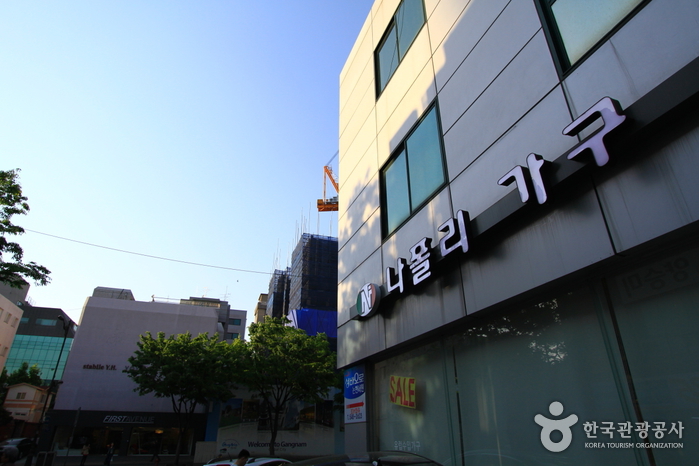
Nonhyeon Furniture Street (논현가구거리)
7.5Km 2025-03-16
106 Hakdong-ro, Gangnam-gu, Seoul
Nonhyeon Furniture Street, extending over 900 meters from Nonhyeon Station to Hakdong Station on the Seoul Subway, is renowned for its dense aggregation of furniture stores. Established as a dedicated furniture street in 1970, it now features showrooms and sales outlets from over 100 furniture companies. This destination allows visitors to browse and compare an extensive variety of furniture in one convenient location, including design furniture, craft furniture, kitchen sets, office furnishings, and imported pieces. Additionally, it hosts the annual Gangnam Design Week, a prominent event showcasing the latest trends in furniture design.
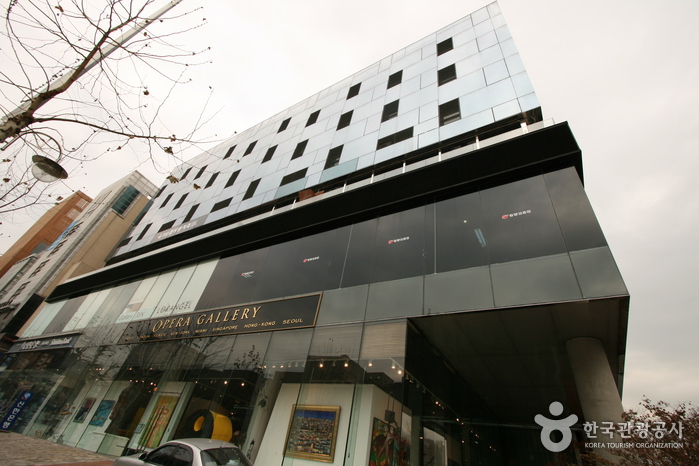
Park Ryu Sook Gallery (박여숙화랑)
7.5Km 2025-01-08
461, Apgujeong-ro, Gangnam-gu, Seoul
Soon after its opening in 1983, the Park Ryu Sook Gallery moved to Cheongdam-dong, an uncharted territory back in 1988. Ever since, the gallery has played a significant role in turning the region into one of the most representative art places in Korea. The Park Ryu Sook Gallery mainly deals with modern art, and contributes to the development of Korea's modern art scene by recruiting and supporting talented rookies in the field, and by introducing artwork of major modern artists from abroad. Moreover, the gallery works to promote Korean art worldwide by joining major art fairs such as the Chicago, Koln, and Basel art fairs.
Through these and similar activities, the Park Ryu Sook Gallery works to provide the public the invaluable opportunity to enjoy quality artwork, maximize their own creativity, and take a moment out of their hectic lives to indulge in a little self-reflection.
Chung-Ang Uiversity Hospital (중앙대학교병원)
7.5Km 2025-10-23
102 Heukseok-ro, Dongjak-gu, Seoul
Since its foundation in 1968, Chung-Ang University Hospital has been striving to contribute to the health and happiness of humanity by achieving the best in medical treatment, research, and education based on our core values of "professionalism, fairness, change/innovation, communication/harmony, and empathy/care.”
As a leader in severe disease treatment, we work with highly qualified medical staff and specialized professionals, receiving the top rating in all cancer procedures evaluated (colon, stomach, breast, and lung) by the Ministry of Health and Welfare and the Health Insurance Review and Assessment Service, and the top rating in the care appropriateness evaluation for acute stroke, coronary artery bypass, intensive care unit (adults and newborns), and hemodialysis.
In a “rating from visitor reviews” conducted by a major domestic portal site, we ranked first out of 13 major tertiary hospitals in Seoul, maintaining our reputation as the friendliest hospital in Korea trusted by patients.
Conrad Seoul (콘래드 서울)
7.6Km 2025-01-07
10, Gukjegeumyung-ro, Yeongdeungpo-gu, Seoul
The five-star Conrad Seoul, selected as one of the ‘Best New Hotels’ by Conde Nast Traveler, a world-renowned travel magazine, offers the top-class service and
for the best customer experience. Strategically located in a core business district of Yeouido, Conrad Seoul is one of the four pillar buildings of
the IFC (International Finance Center) Seoul. The building is directly accessible underground from Yeouido Subway Station.
Conrad Seoul has 434 guest rooms with an open, refreshing atmosphere, picturesque views, and
are equipped with Apple digital devices. The hotel also houses a Grand Ballroom, restaurants which offer diverse gourmet cuisines and
a top-notch wellness center.
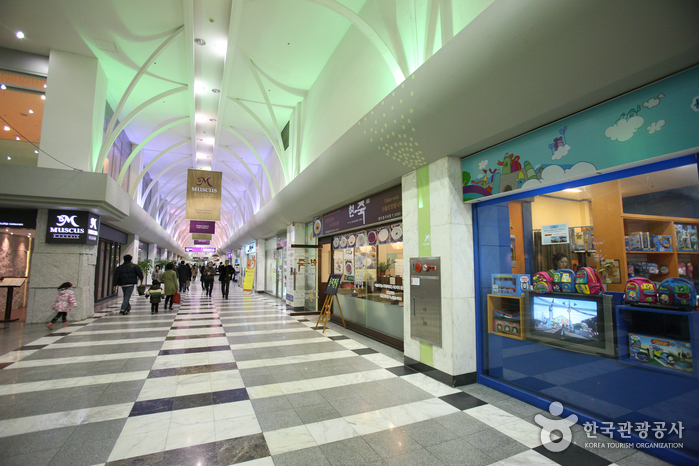
Central City (센트럴시티)
7.6Km 2025-03-28
176, Sinbanpo-ro, Seocho-gu, Seoul
Connected to the Express Bus Terminal Station, Central City is a large lifestyle cultural complex. With in the City are a department store, movie theater, bus terminal, hotel, and shopping malls. Especially, Familie Station & Garden is home to beauty salons, restaurants and coffe shops that are famous and unique. One can also explore attractions such as the Express Bus Terminal Underground Shopping Mall and Banpo Wholesale Flower Market, enriching the experience of the area.
Always August Roasters (올웨이즈 어거스트 로스터스)
7.6Km 2025-08-20
19 Mangwon-ro 6-gil, Mapo-gu, Seoul
Located near Mangwon Market, this cafe is sandwiched between tranquil residential buildings, so it is a good place to enjoy a cup and some desserts in peace. The joint serves great coffee and desserts, which go even better together. Its placement on the first floor means that one can get some sun and feel the tranquil atmosphere of Mangwon-dong, a different side of Seoul as a city. Note that this place also offers alcoholic beverages in the form of wine, so if you are up for a longer stay, you can indulge in the wine card curated by the management.
Cafe PLENO (카페쁠레노)
7.6Km 2025-11-06
724, Seolleung-ro, Gangnam-gu, Seoul
Actor Jang Keun-Suk
This cafe is run by actor Jang Keun-Suk, who is called the 'Asian Prince'. The white-style interior and plant decorations create a refreshing atmosphere, making you feel as if you are visiting a botanical garden. The flower decoration of Cafe PLENO changes according to the season and consists of flowers that can be enjoyed in that season. It is considered a good place to enjoy a quiet leisure time with excellent lighting as well as coffee taste. The drinks and dessert decorations are also great. Many Japanese tourists come to see Jang Keun-Suk, and a Japanese menu is also prepared.
Korea Medical Institute KMI Yeouido Clinic ((재)한국의학연구소 케이엠아이여의도의원)
7.6Km 2025-10-23
13F-15F & 17F-18F, 24 Gukjegeumyung-ro 2-gil, Yeongdeungpo-gu, Seoul
Korea Medical Institute (KMI), a leader in 'K-health checkups,' operates health checkup centers across eight locations nationwide, from Seoul to Jeju. KMI has been striving to prevent and detect diseases early. It has led the popularization of comprehensive medical examinations in Korea. Based on 39 years of accumulated data and expertise, KMI has enhanced its capabilities in health checkups, services, and brand value.
By utilizing its diagnostic data accumulated over the years, KMI provides accurate test results and follow-up care promptly.
KMI will stay committed to becoming a lifetime health management partner and 'K-health checkup' leader by leveraging its excellence in Korean medicine, beyond health checkups for foreign patients.
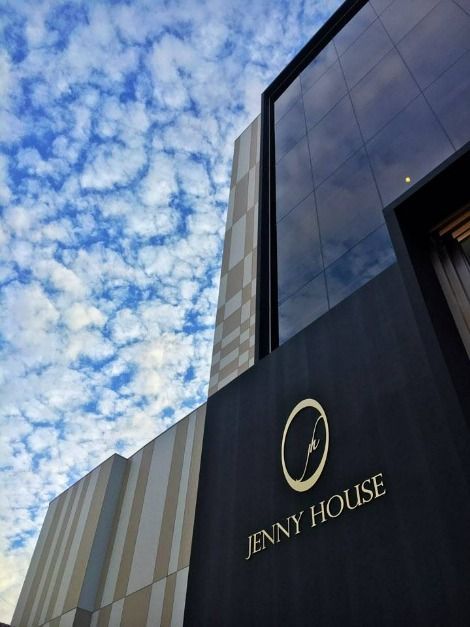
Jennyhouse (제니하우스)
7.6Km 2025-03-15
56 Seolleung-ro 146-gil, Gangnam-gu, Seoul
Step into Jennyhouse, Korea’s top luxury beauty salon, for an unforgettable hair and makeup transformation. Renowned for its exceptional service and artistry, Jennyhouse is where celebrities like Son Ye-jin, Han Ji-min, and Suzy achieve their iconic looks.
Upon booking a reservation, clients can choose from a range of services tailored to their style and needs. Whether it’s a glamorous red-carpet makeover, a trendy K-beauty hair transformation, or elegant wedding styling, Jennyhouse's team of 80 expert artists ensures a personalized experience.
Expect cutting-edge techniques, top-tier products, and meticulous attention to detail. Jennyhouse offers the experience for clients to embrace the best of K-beauty and leave with a look that’s uniquely theirs. At Jennyhouse, every client walks out feeling confident, radiant, and ready to shine.
 English
 한국어
한국어 日本語
日本語 中文(简体)
 Deutsch
 Français
 Español
 Русский


