
YOU&I Clinic Kundae (유앤아이의원 건대점)
8.0Km 2025-11-24
2nd Floor, 219 Achasan-ro, Gwangjin-gu, Seoul
YOU&I Clinic is a trusted dermatology and aesthetic clinic with extensive experience and expertise accumulated since 2006.
At YOU&I Clinic, we are committed to using authentic products, providing precise and honest treatments, and offering personalized services tailored to each individual’s needs.
We welcome clients not only from Korea but also from Japan, China, and Thailand, and offer Japanese and Chinese interpretation services. All foreign clients receive treatments at the same prices as Korean clients.
YOU&I Clinic specializes in lifting, petite procedures, and skin boosters, as well as a wide range of aesthetic skin treatments. We also provide thorough aftercare to ensure the highest level of satisfaction for every client.
Q Spa & Clinic (큐스파앤클리닉)
8.0Km 2025-01-10
8 Samseong-ro 133-gil, Gangnam-gu, Seoul-si
Q Spa & Clinic has clinical and spa programs managed by expert staff certified in cosmetology and trained to handle the state-of-the-art equipment and facilities.
Syncverse (주식회사 싱크버스)
8.0Km 2025-12-09
(B103, Bethel Building), 875 Tongil-ro, Eunpyeong-gu, Seoul
SYNCVERSE is a combination of the words “synchronize,” which means happening at the same time, and “universe,” representing the vast world we live in.
Syncverse serves as a central hub, connecting people and facilitate seamless beginnings for success in various fields. We cater not only to medical tourism and medical research and development, but also provide a global network to meet the needs of our valued customers and partners.
Nana Plastic Surgery (나나성형외과의원)
8.1Km 2025-10-23
(2nd-10th and 12th-13th Floors, HM Tower), 492 Gamnam-daero, Gangnam-gu, Seoul
Nana Plastic Surgery Center provides one-on-one care that takes into account individual characteristics.
We boast a system that makes patients feel at ease. For example, we have surveillance cameras in the operating room, a system where doctors are responsible for safe surgery with their real names, and a resident anesthesiologist.
We have specialized doctors in each field (eye/nose/breast/facial contouring cosmetic surgeries, cosmetic surgery for men, skin lifting, body contouring surgery, non-invasive procedures, collaboration with otolaryngologists, breast examination, etc.). They treat patients with great care and always strive for satisfactory results.
WOOA Plastic Surgery (우아성형외과의원)
8.1Km 2025-11-26
492 Gangnam-daero, Gangnam-gu, Seoul
WOOA Plastic Surgery was formerly Regen Plastic Surgery and Dermatology in Apgujeong. It is run according to the treatment philosophy of Director Woo-jung Kim, the founder of Regen Plastic Surgery who earned a doctorate in plastic surgery at Seoul National University.
WOOA Plastic Surgery is a global comprehensive beauty brand encompassing plastic surgery, dermatology, and cosmetics, with the vision of providing responsible medical services and realizing elegant beauty for each patient.
The clinic is committed to ceaseless research with the goal of becoming a leading medical institution that produces leaders to drive medical developments in Korea. It aims to become a global comprehensive beauty brand, with employees who all prioritize customers' safety and rapid recovery.
![Jingwansa Temple (Seoul) [진관사(서울)]](http://tong.visitkorea.or.kr/cms/resource/33/3429433_image2_1.JPG)
Jingwansa Temple (Seoul) [진관사(서울)]
8.1Km 2025-06-30
73 Jingwan-gil, Eunpyeong-gu, Seoul
Jingwansa Temple is one of the four Buddhist temples that surround Seoul. It was known as the center of Buddhism and academics. Jingwansa Temple is home to a variety of buildings, such as Daeungjeon Hall, Myeongbujeon Hall, and Nahanjeon Hall, all surrounded by the beautiful nature of Bukhansan Mountain. In fact, the temple complex is a popular fall destination for its fall colors. Visitors can also visit the nearby Eunpyeong Hanok Village.
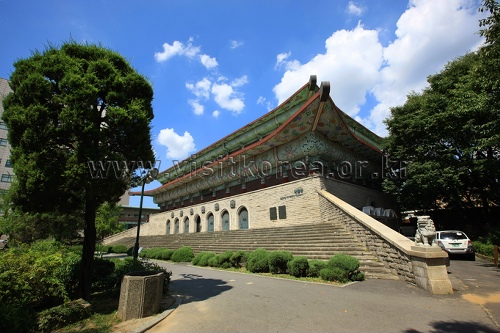
Sejong University Museum (세종대학교 박물관)
8.1Km 2022-09-16
209, Neungdong-ro, Gwangjin-gu, Seoul
Sejong University Museum exhibits folk art, wooden crafts, clothing, accessories, pottery, paintings and calligraphy collected for over 40 years by the couple who founded the present day Sejong University, Dr. Ju Young-ha and Dr. Choi Ok-ja. This museum has its origins in the Soodo Gallery, which was built in Chungmuro, the campus’ original location, in 1959. Needing more space to house additional artifacts, the museum moved to its current location, which first opened on May 5, 1973 in a four-story concrete building inspired by traditonal tower design from the Baekje era. This building was later expanded on May 20, 1977.
After the university’s name was changed to Sejong University in 1979, the museum was also renamed the Sejong University Museum. The museum showcases unique artifacts to both scholars and students from home and abroad in contribution to the research of Korea’s culture, arts, and archeology.
Jingwansaggyegok Valley (진관사 계곡)
8.1Km 2024-02-20
73 Jingwan-gil, Eunpyeong-gu, Seoul
Jingwansaggyegok Valley is a 1km-long stream located within the Bukhansan National Park, with clear water always flowing. Surrounded by deep forests, it offers refreshing shade and clean air. The valley features various shaped rocks and waterfalls, creating a beautiful scenery. In particular, it's a great spot for water activities with the cool shade and refreshing stream during the summer, and the autumn leaves make it stunning in the fall. Its accessibility from downtown Seoul adds to its appeal.
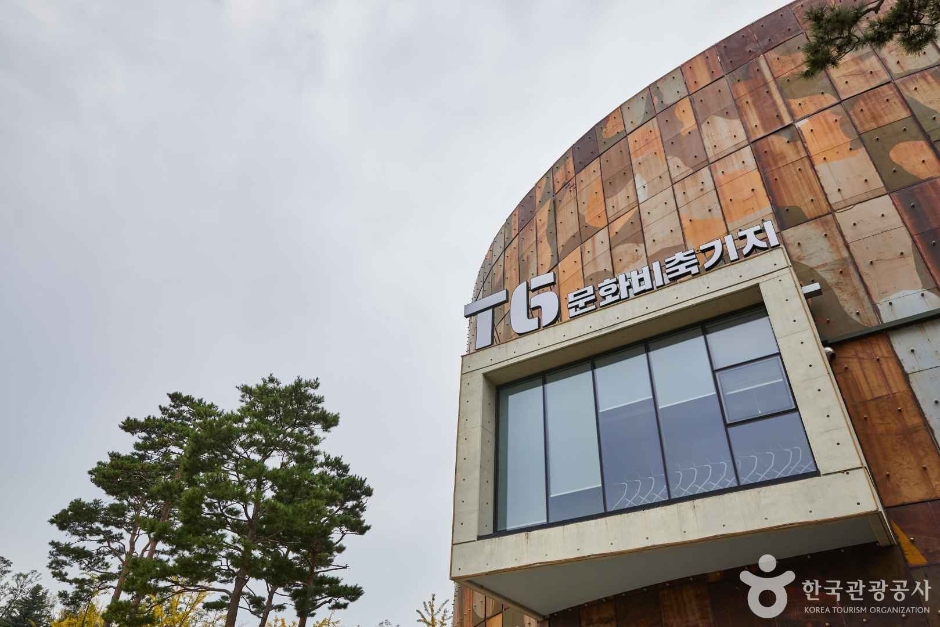
Oil Tank Culture Park (문화비축기지)
8.1Km 2024-11-01
87 Jeungsan-ro, Mapo-gu, Seoul
After being used as an oil tank for 41 years, the tanks were reborn into a culture space. The five tanks were transformed into performance halls, exhibition halls, and a multi-purpose pavilion, while one new tank was built to be used as an information center. In addition, the temporary parking lot turned into a culture yard where visitors can relax as well as enjoy activities or performances.
1stbutton Rhinoplasty clinic (첫단추의원)
8.1Km 2025-10-23
(12th Floor, Cheongho Building), 483 Gangnam-daero, Seocho-gu, Seoul
1stbutton Rhinoplasty clinic meets all of our patients' expectations in terms of both functionality and aesthetics. Dr. Kim Tae-hwan, an otolaryngologist with over 20 years of experience, treats patients directly and makes every effort to provide the best results. Dr. Kim specializes not only in cosmetic nose surgery but also in treating diverse functional problems related to nose, and which allows him to provide customized treatment according to each patient’s needs. Please visit and experience a safe and satisfactory cosmetic nose surgery at our clinic? We will continue to do our best to improve your confidence.
 English
 한국어
한국어 日本語
日本語 中文(简体)
 Deutsch
 Français
 Español
 Русский


